Are you looking to turn your bunk bed into a cozy, stylish retreat? Making a canopy for your bunk bed is a simple and fun way to add privacy, charm, and a touch of magic to your room.
Whether you want a quiet reading nook or a playful hideaway, this guide will show you easy steps to create the perfect canopy. Keep reading, and you’ll discover how to transform your space quickly with materials you can find at home or nearby.
Your bunk bed is about to become the favorite spot in the house!
Materials Needed
Gathering the right materials makes building a bunk bed canopy simple. Choose items that are easy to work with and safe for children. The list below covers everything needed to create a cozy and attractive canopy.
Fabric
Pick soft, breathable fabric like cotton or linen. Choose a color or pattern that fits the room’s style. Measure the fabric to cover the bed fully with some extra for draping.
Measuring Tape
Use a measuring tape to get exact dimensions of the bunk bed. Accurate measurements ensure the canopy fits well and looks neat.
Scissors
Sharp scissors help cut fabric cleanly. This prevents fraying and makes sewing or attaching easier.
Velcro Strips Or Ties
Velcro strips or fabric ties hold the canopy in place. They allow easy removal for washing or adjusting.
Hooks Or Command Strips
Hooks or command strips attach the canopy to the bed frame or ceiling. Choose ones that hold weight but leave no marks.
Sewing Kit Or Fabric Glue
A sewing kit or fabric glue helps finish edges and secure parts. Sewing gives a stronger hold, but glue works for quick fixes.
Choosing The Right Fabric
Choosing the right fabric for a bunk bed canopy is an important step. The fabric sets the mood and affects safety and comfort. Picking the best fabric helps create a cozy and fun space.
Lightweight Vs Heavy Fabrics
Lightweight fabrics like cotton and voile allow air to flow. They keep the space fresh and bright. Heavy fabrics like velvet or thick curtains block light. They make the bed feel more private but can be warm.
Durability And Safety
Choose fabrics that resist tearing and wear. Kids play around bunk beds a lot. The fabric should not catch fire easily. Look for flame-resistant or treated materials for safety.
Color And Pattern Choices
Pick colors that match the room’s theme. Bright colors bring energy. Soft colors create calmness. Patterns can add fun or keep it simple. Choose something your child likes.
Ease Of Cleaning
Fabric near kids gets dirty fast. Choose materials that wash well. Machine washable fabrics save time. Avoid fabrics that stain easily or need special care.
Measuring Your Bunk Bed
Measuring your bunk bed is the first step to making a perfect canopy. Accurate measurements help ensure the canopy fits well and looks great. Take your time to measure all parts carefully.
Measure The Length Of The Bunk Bed
Use a tape measure to find the bed’s length. Measure from the headboard to the footboard. Write down the exact number. This length will guide the size of the canopy fabric.
Measure The Width Of The Bunk Bed
Next, measure the width of the bed. Measure from one side rail to the other. This width helps decide how wide the canopy needs to be. Add a few extra inches for a loose fit.
Measure The Height Of The Bunk Bed
Measure the height from the floor to the top of the bed frame. Also, check the space between the lower and upper bunk. This height determines how tall the canopy frame should be. Make sure the canopy won’t block light or space.
Credit: www.nicfaisalabad.com
Preparing The Frame
Preparing the frame is the first step to make a canopy for a bunk bed. It sets the base for the fabric and ensures safety. A strong frame holds the canopy in place without falling or sagging.
Careful measuring and selecting the right materials make the frame sturdy. This section explains how to prepare the frame for a perfect canopy.
Measure The Bunk Bed Dimensions
Start by measuring the length, width, and height of the bunk bed. Use a tape measure to get exact numbers. Write down all measurements for reference. Check the height from the mattress to the ceiling too.
Choose The Right Frame Material
Pick materials that are lightweight but strong. PVC pipes are easy to cut and join. Wood is sturdy but heavier and needs tools to work with. Metal rods offer great strength but can be hard to handle.
Cut And Prepare Frame Pieces
Cut the pipes, rods, or wood into pieces based on your measurements. Smooth any rough edges with sandpaper. Label each piece to avoid confusion during assembly. Prepare connectors if needed for joining parts.
Assemble The Frame Structure
Connect the pieces to form a rectangular or square frame. Use connectors or screws to join parts securely. Test the frame’s fit by placing it over the bunk bed. Adjust if any part feels loose or unstable.
Attaching The Fabric
Attaching the fabric to your bunk bed canopy is the key step. It transforms the plain fabric into a cozy, stylish space. This step needs careful attention to keep the fabric neat and secure. Follow simple methods to fix the fabric without damage or fuss.
Preparing The Fabric Edges
Start by folding the fabric edges to make clean hems. Use fabric glue or sew a simple stitch to keep edges from fraying. This makes the fabric stronger and easier to handle. Smooth edges help the fabric hang better on the frame.
Using Clips Or Hooks
Clip the fabric to the bunk bed frame using strong clips or hooks. Place clips every 6 to 8 inches for even support. Avoid pulling the fabric too tight; let it hang naturally. This method allows easy removal for washing or changing styles.
Tying With Ribbons Or Strings
Cut ribbons or strings to tie the fabric around the bed posts or frame. Tie loose knots that hold the fabric without squeezing it. This adds a decorative touch and keeps the fabric stable. Choose colors that match the fabric for a neat look.
Using Velcro Strips
Attach Velcro strips to both the fabric and the bed frame. Press the strips together to hold the fabric firmly in place. Velcro allows quick removal and reattachment of the canopy. This method works well if you want to change the fabric often.
Securing The Canopy
Securing the canopy is an important step for safety and durability. A loose canopy can fall or get tangled, causing accidents or damage. Proper securing also helps the canopy look neat and stay in place for a long time.
Follow these tips to fasten your bunk bed canopy well. Strong support and careful attachment matter most. Use the right tools and materials to keep the canopy steady and safe.
Choosing The Right Fasteners
Select fasteners that fit your bed frame and canopy fabric. Velcro strips work well for light materials. For heavier fabrics, use hooks or clips that hold tight. Avoid nails or screws that can damage the bed or fabric.
Attaching To The Bed Frame
Wrap fasteners around the bed frame securely. Tie knots or use clips at corners for better hold. Make sure the canopy hangs evenly on all sides. Check the tightness by gently pulling the fabric.
Using Tension Rods Or Poles
Tension rods fit inside the bed frame to hold the canopy. They are easy to install and remove. Place rods at the top edges for full coverage. Adjust the rods to keep the fabric taut and wrinkle-free.
Double Checking Stability
Test the canopy by shaking the bed lightly. Look for any loose ends or slipping fasteners. Fix weak spots immediately to avoid accidents. Regularly inspect the canopy to keep it secure over time.
Adding Decorative Touches
Adding decorative touches to a bunk bed canopy makes it cozy and fun. Small details create a warm and inviting space. These touches reflect personality and style. Choose simple ideas that brighten the room without cluttering.
Choosing The Right Fabrics
Soft, light fabrics work best for bunk bed canopies. Cotton and linen feel gentle and let air flow. Pick colors that match the room theme. Pastels give a calm vibe, while bright colors add energy.
Incorporating Fairy Lights
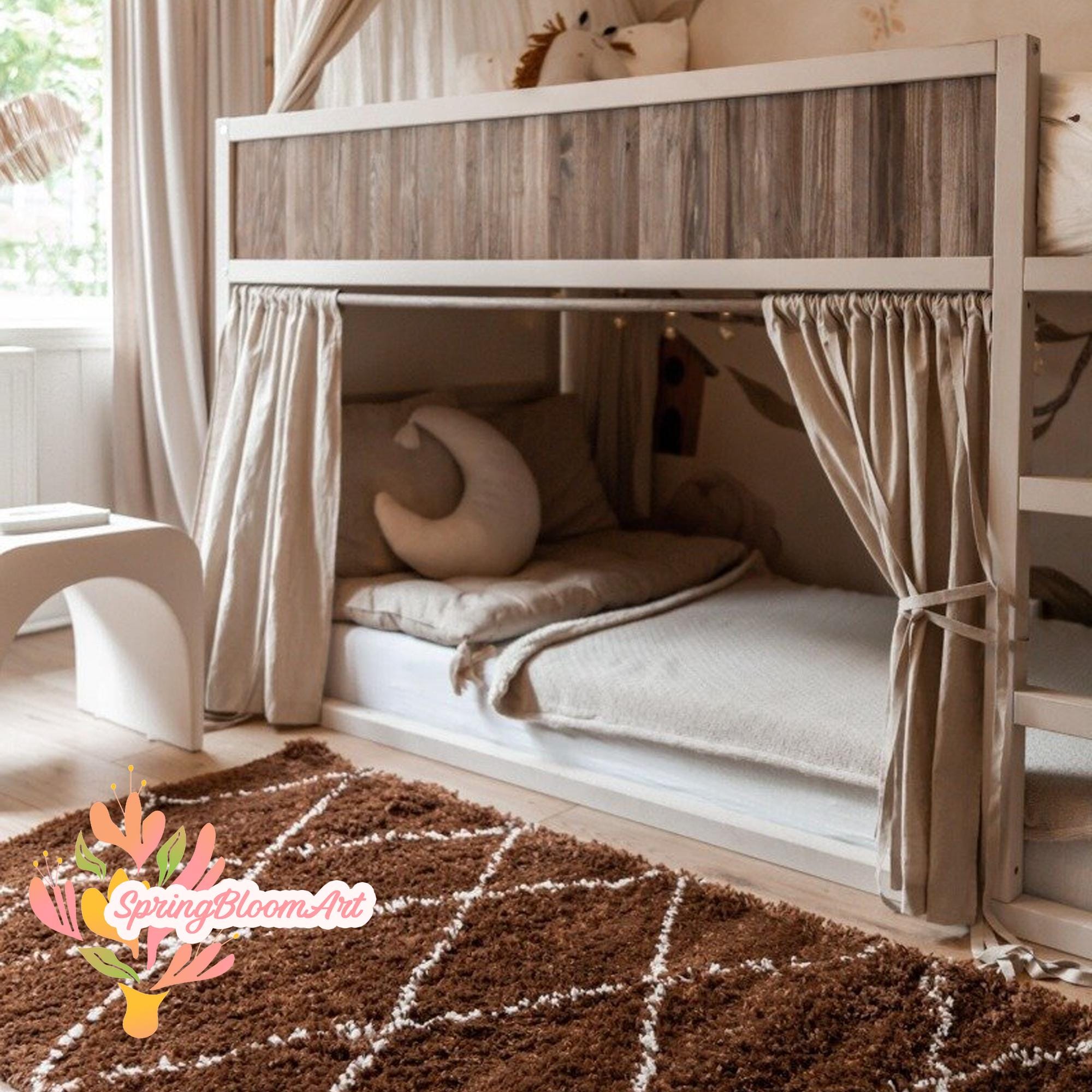
String fairy lights around the canopy frame. They add a soft glow that feels magical at night. Battery-powered lights are safe and easy to use. Avoid heavy or hot lights for safety.
Adding Personalized Accessories
Use small pillows, stuffed animals, or banners inside the canopy. These items make the space unique. Choose accessories that your child loves for a personal touch. Keep it simple to avoid messiness.

Credit: www.amazon.com
Maintenance Tips
Maintaining a canopy for a bunk bed keeps it looking fresh and lasting longer. Regular care helps prevent dirt buildup and fabric damage. Simple steps keep your canopy clean and safe for daily use.
Follow these easy maintenance tips to enjoy your cozy bunk bed canopy every day.
Cleaning The Canopy Fabric
Remove the fabric carefully before cleaning. Check the care label for washing instructions. Use mild detergent and cold water to wash. Hand wash or gentle machine cycle works best. Avoid bleach to protect fabric color and texture. Let the fabric air dry to keep its shape.
Checking The Frame And Supports
Inspect the frame regularly for loose screws or bent parts. Tighten any loose screws to keep the canopy stable. Replace damaged supports to avoid accidents. Make sure the frame holds the fabric firmly without sagging.
Preventing Dust And Allergens
Use a vacuum with a soft brush attachment to remove dust. Dust the canopy weekly to keep it clean. Wash the fabric often to reduce allergens. Keep windows open to improve air flow in the room.
Storing The Canopy
Take down the canopy gently when not in use. Fold the fabric neatly to avoid wrinkles. Store the fabric in a dry, cool place to prevent mold. Keep the frame parts together to avoid losing pieces.
Credit: www.biglivinglittlefootprint.com
Frequently Asked Questions
How Do I Start Making A Canopy For A Bunk Bed?
Begin by measuring your bunk bed’s dimensions precisely. Choose lightweight fabric and gather supplies like hooks, rods, and clips. Plan the canopy design to ensure it fits well and is safe.
What Materials Are Best For Bunk Bed Canopies?
Lightweight cotton or polyester fabrics work best. They allow airflow and are easy to clean. Use sturdy yet lightweight rods or tension wires to support the canopy securely.
How Can I Attach A Canopy To A Bunk Bed Safely?
Use removable adhesive hooks or clamp-on curtain rods to avoid bed damage. Ensure the canopy fabric is secured tightly to prevent slipping or falling during use.
Can I Make A Canopy Without Sewing?
Yes, use no-sew fabric tape or fabric glue to join pieces. Alternatively, drape a single piece of fabric and secure with clips or ties for an easy setup.
Conclusion
Making a canopy for a bunk bed is simple and fun. Choose the right materials and tools first. Follow clear steps to build a safe and cozy space. A canopy adds style and comfort to any room. Kids love having a special place to read or play.
You can change the fabric or decorations anytime. Try it yourself and enjoy the new look. A small project that brings big smiles. Give your bunk bed a fresh, creative touch today.