If you have a bunk bed at home, you know how tricky it can be to keep your little one safe. The ladder, while useful, can quickly become a hazard for curious toddlers.
You want to protect your child without making your space feel like a fortress. So, how do you baby proof a bunk bed ladder effectively? This guide will walk you through simple, practical steps that anyone can follow. Keep reading to discover easy solutions that will give you peace of mind and keep your baby safe every time they play or sleep near the bunk bed.
Credit: www.walmart.com
Risks Of Unprotected Bunk Bed Ladders
Bunk beds save space but bring safety risks for toddlers. An unprotected ladder on a bunk bed can lead to serious accidents. Toddlers are curious and often climb without knowing the dangers. Without safety measures, falls and injuries become more likely. Parents must understand these risks to keep their children safe around bunk beds.
Common Injuries In Toddlers
Toddlers often fall while climbing or playing on bunk bed ladders. These falls can cause bruises, cuts, or broken bones. Head injuries are also common and can be severe. Scrapes and sprains happen when children slip on the ladder steps. Injuries can occur even from small falls, so prevention is key.
Why Ladders Pose A Danger
Bunk bed ladders are steep and narrow, making climbing hard for toddlers. The gaps between steps can cause feet to slip through. Toddlers lack balance and coordination needed to climb safely. The ladder’s height increases injury risk from falls. Unprotected ladders offer no support or guardrails to stop falls.

Credit: www.amazon.com
Choosing Safe Ladder Designs
Choosing the right ladder design is key to baby proofing bunk beds. A safe ladder reduces the risk of falls and injuries. Parents need to focus on ladders that offer stability and ease of use for little hands and feet. Simple design features can make a big difference in safety. Below are important ladder design elements to consider.
Ladders With Wide Steps
Wide steps provide more space for children’s feet. They help kids climb up and down without slipping. Narrow steps can cause little feet to slip off easily. Wide steps also give better balance and support. This lowers the chance of accidents on the ladder.
Non-slip Surfaces
Non-slip surfaces add extra grip to ladder steps. They stop children from sliding while climbing. Materials like rubber or textured coatings work well. Smooth or shiny surfaces can be dangerous, especially with socks. A non-slip ladder keeps children safer and more confident.
Rounded Edges And Corners
Sharp edges can cause cuts or bruises. Rounded edges and corners prevent injuries from bumps. This design also reduces the chance of clothes catching on the ladder. Smooth edges make the ladder safer for children to use every day.
Installing Safety Features
Installing safety features on a bunk bed ladder is a key step to protect young children. These features help reduce the risk of falls and injuries. Careful installation provides peace of mind for parents and caregivers.
Focus on three main safety upgrades: handrails, ladder guards, and firm securing. Each adds a layer of protection. They make climbing easier and safer for little ones.
Adding Handrails
Handrails give children a steady grip while climbing. Choose rails that are easy to hold and smooth to touch. Attach them on both sides of the ladder for balance. Make sure the rails are at a comfortable height for kids.
Using Ladder Guards
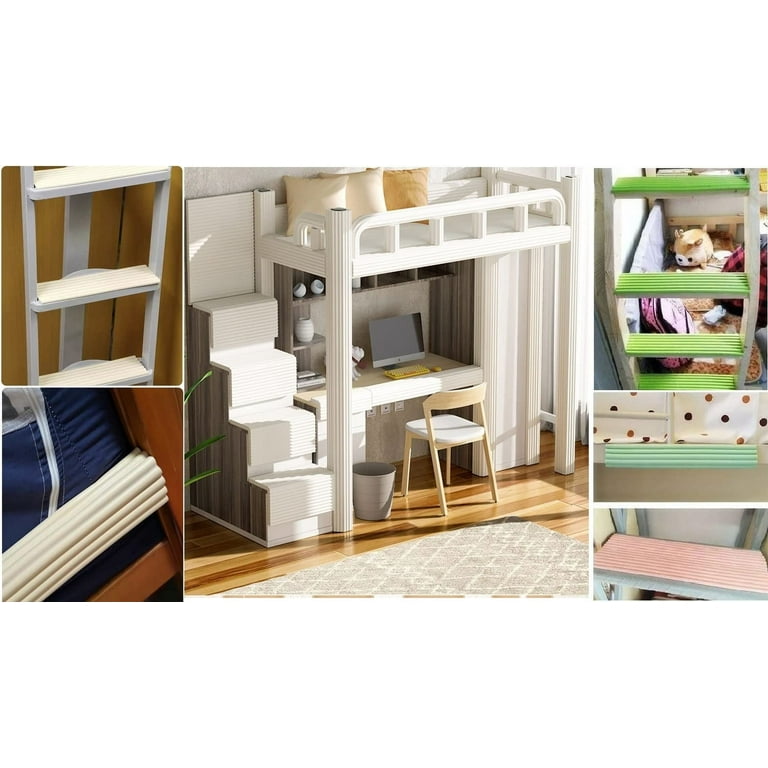
Ladder guards cover sharp edges and gaps. They help stop slips and pinches. Use soft, durable materials for guards. Secure them tightly so they do not move or fall off. Guards make the ladder safer and less scary for children.
Securing The Ladder Firmly
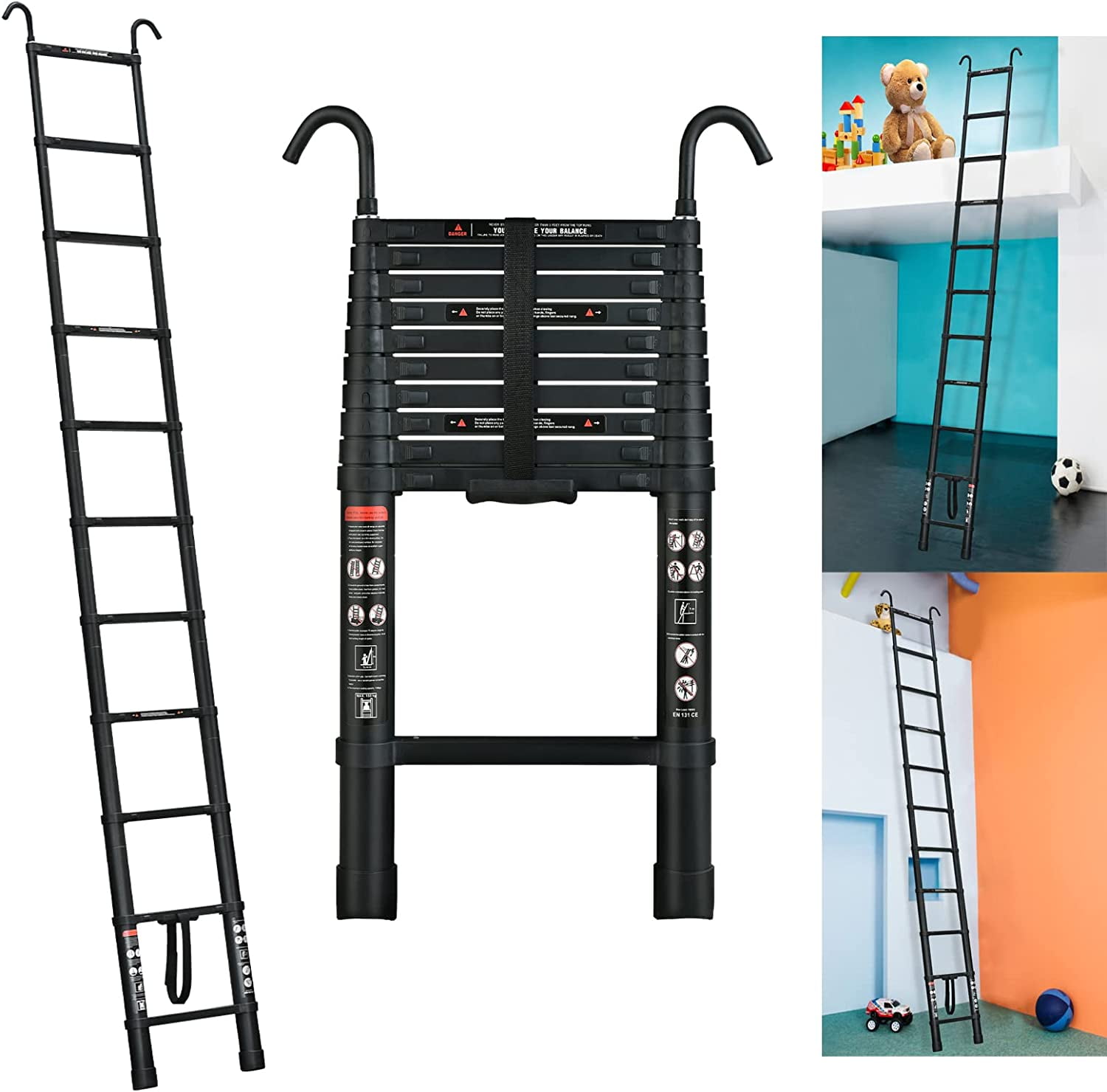
Fix the ladder tightly to the bunk bed frame. Check for any wobbling or loose screws. Use strong bolts and brackets to hold the ladder in place. A steady ladder prevents accidents caused by sudden shifts. Regularly inspect the ladder to keep it secure over time.
Credit: www.erasolcaldaie.it
Using Protective Padding
Using protective padding on a bunk bed ladder helps reduce injuries. It creates a soft barrier between your child and hard surfaces. Padding cushions bumps and falls, making the ladder safer. It is an important step in baby proofing your bunk bed.
Foam Covers For Steps And Rails
Foam covers fit easily over ladder steps and rails. They soften sharp edges and rough surfaces. These covers prevent scrapes and bruises from accidental slips. Choose covers with a non-slip texture for extra safety. Make sure the foam is thick and durable for long use. Secure the covers tightly to avoid slipping off.
Soft Floor Mats Below Ladder
Place soft floor mats under the bunk bed ladder. Mats cushion falls and reduce impact injuries. Use mats made of foam or rubber for better protection. Mats also help keep the floor clean and dry. Choose mats that are easy to clean and move. Position mats so they cover the entire area below the ladder.
Supervision And Behavior Training
Supervision and behavior training are key to keeping children safe on bunk bed ladders. Watching kids closely helps prevent accidents. Teaching good habits builds safety skills. Both protect your child from falls and injuries.
Setting Clear Rules
Make simple rules about using the ladder. Tell children to climb one at a time. No jumping or playing on the ladder. Explain why these rules matter. Repeat the rules often to help them remember. Clear limits create a safer space.
Teaching Safe Climbing Habits
Show kids how to hold the ladder rails. Teach them to climb slowly and carefully. Remind them to face the ladder while climbing. Practice safe climbs together to build confidence. Praising good behavior encourages them to keep it up. Safe habits lower the chance of falls.
Regular Maintenance Checks
Regular maintenance checks keep the bunk bed ladder safe for your child. These checks help find problems early. Fixing small issues prevents accidents. Make it a habit to inspect the ladder often. Safety gear and parts can wear out or loosen over time. Careful checks protect your little ones from harm.
Inspecting For Loose Parts
Check all screws and bolts on the ladder. Tighten any that feel loose. Loose parts can make the ladder unstable. Look at the rungs and side rails. Make sure nothing moves or wobbles. A sturdy ladder supports your child’s weight safely. Inspect the ladder every few weeks or after playtime.
Replacing Worn Safety Gear
Safety gear includes rubber grips, guards, and straps. These parts prevent slips and falls. Check for cracks, tears, or worn spots. Replace any damaged safety gear right away. Old grips lose their stickiness and become dangerous. Keep safety gear in good shape for steady climbing.
Frequently Asked Questions
How Can I Secure A Bunk Bed Ladder Safely?
Use sturdy safety gates or removable ladder covers. Ensure all attachments are tight and check regularly for stability. Always choose non-slip materials to reduce falls and injuries for babies.
What Materials Are Best For Baby Proofing Ladders?
Soft foam padding and rubber grips are ideal. They cushion impacts and prevent slipping. Avoid hard or sharp materials that can cause injuries.
When Should I Start Baby Proofing The Bunk Bed Ladder?
Begin baby proofing as soon as your child becomes mobile. Early prevention helps avoid accidents. Regularly update safety measures as your child grows.
Are Ladder Safety Gates Effective For Babies?
Yes, safety gates block access to ladders efficiently. They prevent climbing and reduce fall risks. Choose gates that fit securely and are easy for adults to open.
Conclusion
Baby proofing your bunk bed ladder keeps your child safe and sound. Secure all steps and add soft padding to prevent injuries. Use strong locks to stop climbing without help. Check the ladder often for loose parts or damage. Safety starts with small, smart steps at home.
Keep your child safe while letting them enjoy their space. Simple actions today protect your loved ones tomorrow.