Are you looking to add a sturdy, safe ladder to your bunk bed without spending a fortune? Making your own bunk bed ladder might sound tricky, but with the right steps, you can build one that fits perfectly and lasts for years.
Imagine having a custom ladder that matches your room and gives your kids a secure way to climb up and down. Keep reading, and you’ll discover simple, clear instructions that make this project easier than you think. By the end, you’ll have the confidence and know-how to create a ladder you—and your family—will love.
Choosing The Right Materials
Choosing the right materials is key to building a strong bunk bed ladder. The materials affect safety, durability, and appearance. Picking good wood and the right tools makes the process smooth and the ladder sturdy. Safety gear protects you during the build. Each part matters for a successful project.
Wood Types
Choose wood that is strong and easy to work with. Pine is affordable and common for ladders. Oak and maple are harder woods that last longer. Avoid soft woods that may crack or break. Smooth wood helps avoid splinters. Check for straight grains and no knots.
Tools Needed
Gather basic tools before starting. A saw cuts the wood to size. A drill makes holes for screws. Sandpaper smooths rough edges. A screwdriver or power drill tightens screws. A measuring tape ensures accurate cuts. These tools help build a safe ladder.
Safety Gear
Wear safety glasses to protect your eyes. Gloves keep your hands safe from splinters. Use ear protection if using loud tools. A dust mask stops inhaling wood dust. Safety gear keeps you safe and comfortable during work.

Credit: www.youtube.com
Measuring And Planning
Measuring and planning are the first steps to build a safe bunk bed ladder. Accurate measurements help the ladder fit perfectly and support weight well. Planning makes the work smoother and avoids mistakes. Take your time to measure carefully and think about the ladder’s position.
Ladder Height And Width
Measure the distance from the floor to the top bunk edge. This height decides how long your ladder will be. The width should be wide enough for easy climbing. Usually, 15 to 18 inches wide works well. Make sure the ladder fits the bunk bed frame snugly.
Step Spacing
Space the steps evenly for comfort and safety. Steps should be about 10 to 12 inches apart. This distance allows small feet to climb without slipping. Count how many steps you need based on the ladder height. Keep the steps stable and strong.
Angle And Placement
Set the ladder at a safe angle, not too steep or flat. Around 65 to 75 degrees is ideal. This angle makes climbing easier and safer. Place the ladder where it does not block room space. Attach it securely to the bunk bed frame to prevent movement.
Cutting The Wood Pieces
Cutting the wood pieces is the first step in building your bunk bed ladder. This part sets the foundation for a strong and safe ladder. Precise cuts ensure all parts fit perfectly and the ladder holds well.
Measure twice before cutting to avoid mistakes. Use a pencil to mark the wood clearly. A sharp saw will help make clean cuts without splinters. Take your time and follow the measurements carefully.
Side Rails
The side rails are the long vertical pieces of the ladder. They support the entire structure and hold the steps. Cut two side rails from sturdy wood, usually 2×4 inches. The length depends on the height of your bunk bed.
Make sure both rails are the same length. Check the edges for any rough spots. Straight, smooth rails make the ladder safer and easier to climb.
Steps
Steps connect the side rails and provide a place to step. Cut several pieces of wood to the same width for steps. Usually, 1×4 inch wood works well for this part.
Keep the steps evenly spaced to allow comfortable climbing. Mark the placement on the side rails before fixing the steps. Consistent size and spacing make the ladder look neat and balanced.
Sanding Edges
Sanding smooths the wood and removes splinters. Use sandpaper or an electric sander on all cut edges. Focus on corners and surfaces that will be touched often.
Take your time sanding each piece thoroughly. Smooth wood feels better to hold and reduces injury risk. Finish with fine-grit sandpaper for the best results.
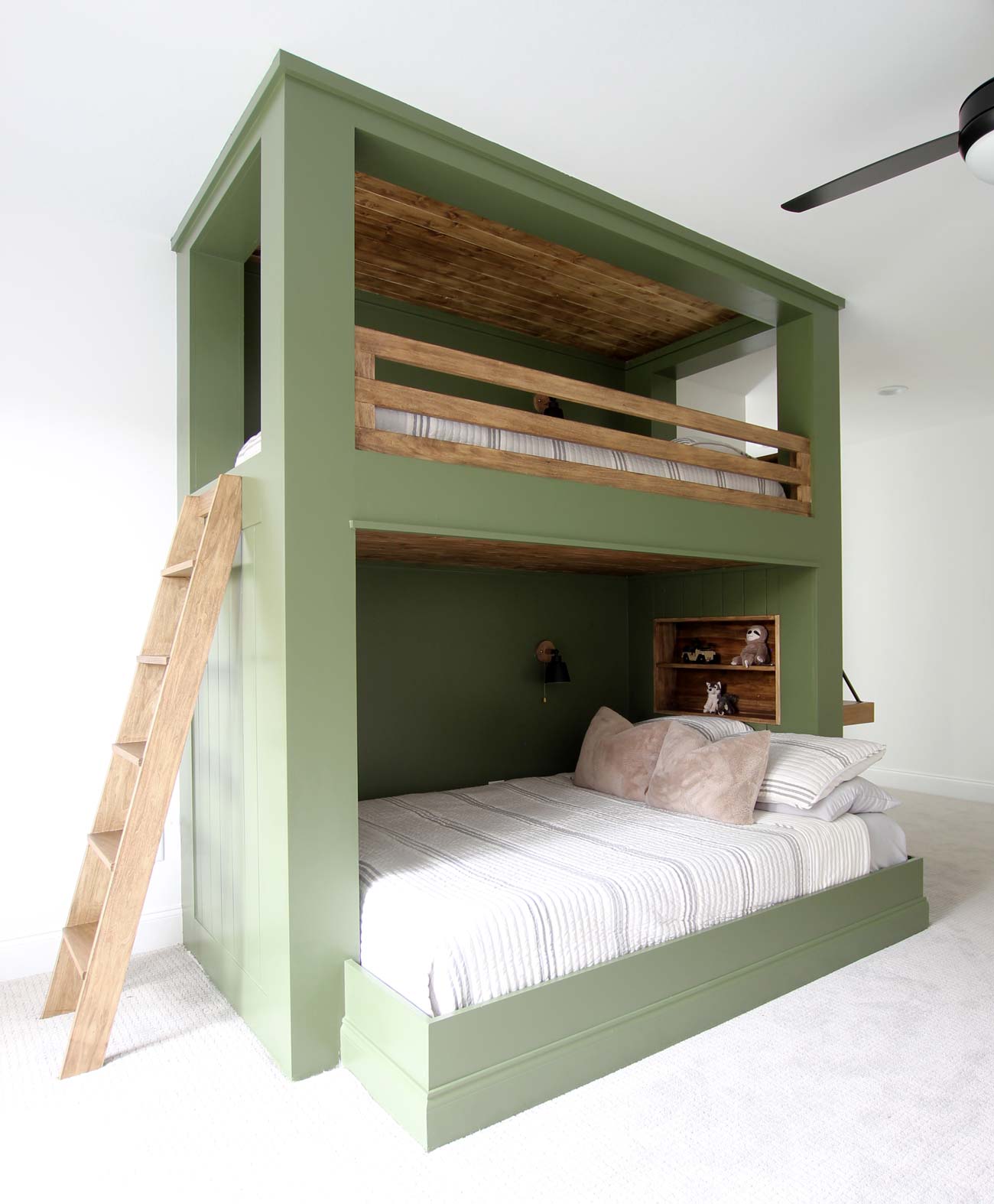
Credit: plankandpillow.com
Assembling The Ladder
Assembling the ladder is a key step in building a safe bunk bed. It connects the parts to create a strong and useful ladder. Follow simple steps to build a ladder that holds weight and lasts long. Focus on attaching the steps, securing joints, and checking stability for the best results.
Attaching Steps To Rails
Start by placing the ladder rails on a flat surface. Position the steps evenly between the rails. Use screws to attach each step to the rails. Drill pilot holes first to avoid splitting the wood. Make sure each step is level and straight before fixing it.
Securing Joints
Secure the joints with wood glue for extra strength. Apply glue where the steps meet the rails. Clamp the pieces together to let the glue dry well. Add screws or bolts through the joints for firm hold. Tighten all fasteners without overdriving them.
Checking Stability
Check the ladder by gently pressing on each step. Look for any movement or wobbling in the joints. Tighten screws if you find loose parts. Test the ladder by climbing it slowly. Make sure it feels solid and safe before use.
Finishing Touches
Finishing touches make your bunk bed ladder safe and nice to use. These small steps help protect the wood and keep kids from slipping. Pay attention to details to create a sturdy, long-lasting ladder.
Painting Or Staining
Choose paint or stain to protect the wood from damage. Paint adds color and hides imperfections. Stain shows the natural wood grain and gives a warm look. Use a non-toxic, child-safe product for safety. Apply two thin coats and let each dry well.
Adding Non-slip Pads
Non-slip pads stop slipping on ladder steps. They add grip, making climbing safer. Cut pads to fit each step size. Stick them firmly on the ladder’s surface. Test the grip to ensure it holds well under weight.
Installing Safety Handles
Safety handles help kids hold on while climbing. Choose sturdy handles that fit small hands. Attach them securely to the ladder frame. Place handles at easy-to-reach heights. This gives extra support and confidence during use.
Attaching Ladder To Bunk Bed
Safety is very important when using a bunk bed ladder. Proper care keeps the ladder strong and safe. Regular checks and simple fixes help avoid accidents. Knowing how much weight the ladder holds prevents damage. Cleaning the ladder keeps it in good shape and lasts longer.
Regular Inspections
Look at the ladder often. Check for loose screws or cracks in the wood. Make sure the ladder is steady and does not wobble. Tighten any loose parts quickly. A small problem can become dangerous if ignored.
Weight Limits
Know the ladder’s weight limit. Do not let more weight on it than it can hold. This stops the ladder from breaking. Tell children to climb carefully and one at a time. Safety depends on following these rules.
Cleaning And Repairs
Keep the ladder clean. Dust and dirt can make it slippery. Use a soft cloth and mild cleaner. Fix any damage right away. Replace broken parts with strong, matching materials. Clean and repair work helps the ladder last longer.
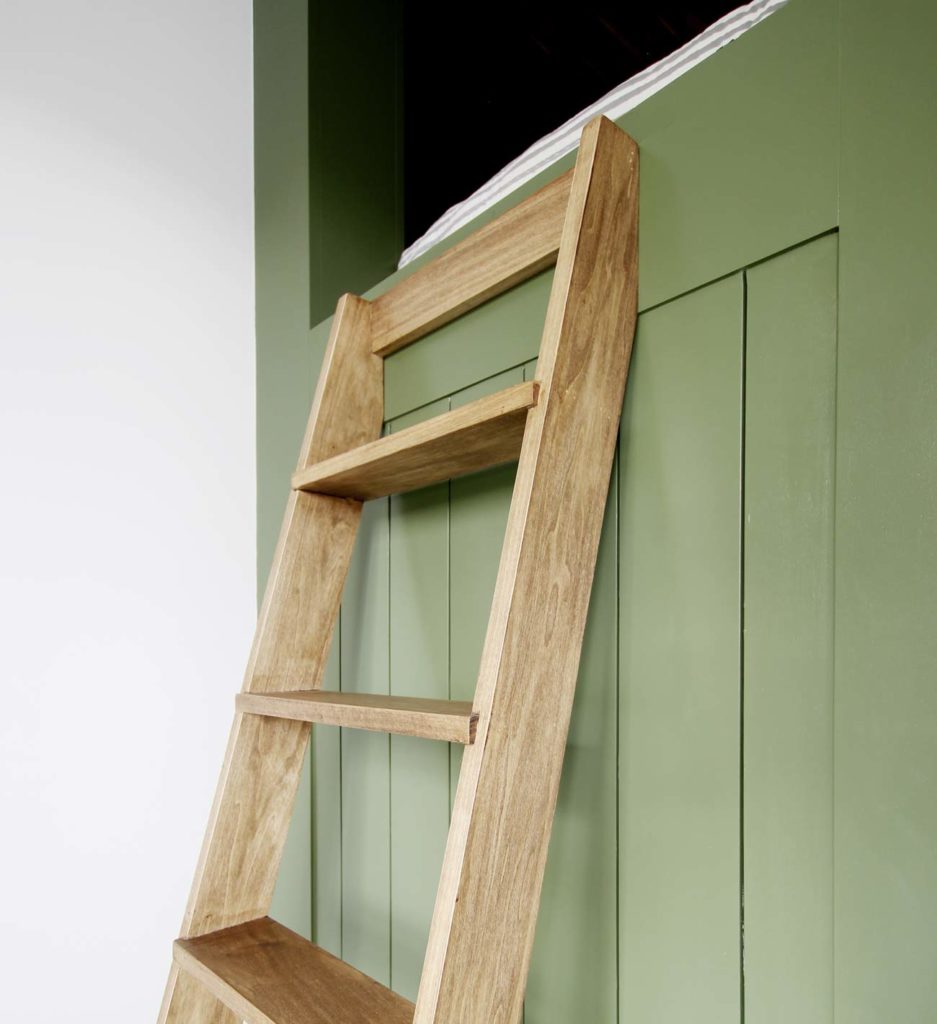
Credit: plankandpillow.com
Frequently Asked Questions
How Do I Build A Safe Bunk Bed Ladder?
Use sturdy wood and secure all joints tightly. Sand edges smooth to prevent splinters. Attach the ladder firmly to the bed frame for stability. Always follow safety guidelines to ensure the ladder supports weight safely.
What Materials Are Best For A Bunk Bed Ladder?
Solid hardwood or plywood are ideal for bunk bed ladders. They offer strength and durability. Avoid softwoods that may weaken over time. Choose materials that can withstand regular use and support weight safely.
How Tall Should A Bunk Bed Ladder Be?
The ladder height should match the bed’s height precisely. Measure from floor to bed frame top. Ensure the ladder reaches the top bunk safely with a slight angle. Proper height prevents accidents when climbing.
Can I Customize A Bunk Bed Ladder Design?
Yes, customize by adjusting rung spacing and ladder width. Add non-slip grips or paint for style and safety. Tailor the ladder to fit your bed and room decor. Customization enhances comfort and usability.
Conclusion
Building a bunk bed ladder is easier than it seems. With basic tools and steps, anyone can create one. Always measure carefully and choose strong wood for safety. Take your time to sand and finish the ladder well. A sturdy ladder adds both function and style to your bunk bed.
Enjoy the satisfaction of making something useful with your own hands. This project is perfect for beginners wanting a simple woodworking task. Start today and see how rewarding the process can be.