Are you looking for a smart way to save space and add extra sleeping spots wherever you need them? Making a portable bunk bed with wood can be the perfect solution for your home, cabin, or even camping trips.
Imagine having a sturdy, easy-to-move bed that fits your style and needs, built by your own hands. In this guide, you’ll discover simple steps and tips that make the whole process clear and doable—even if you’re not an expert woodworker.
Keep reading, and you’ll soon have a plan to create a practical, portable bunk bed that works perfectly for you.
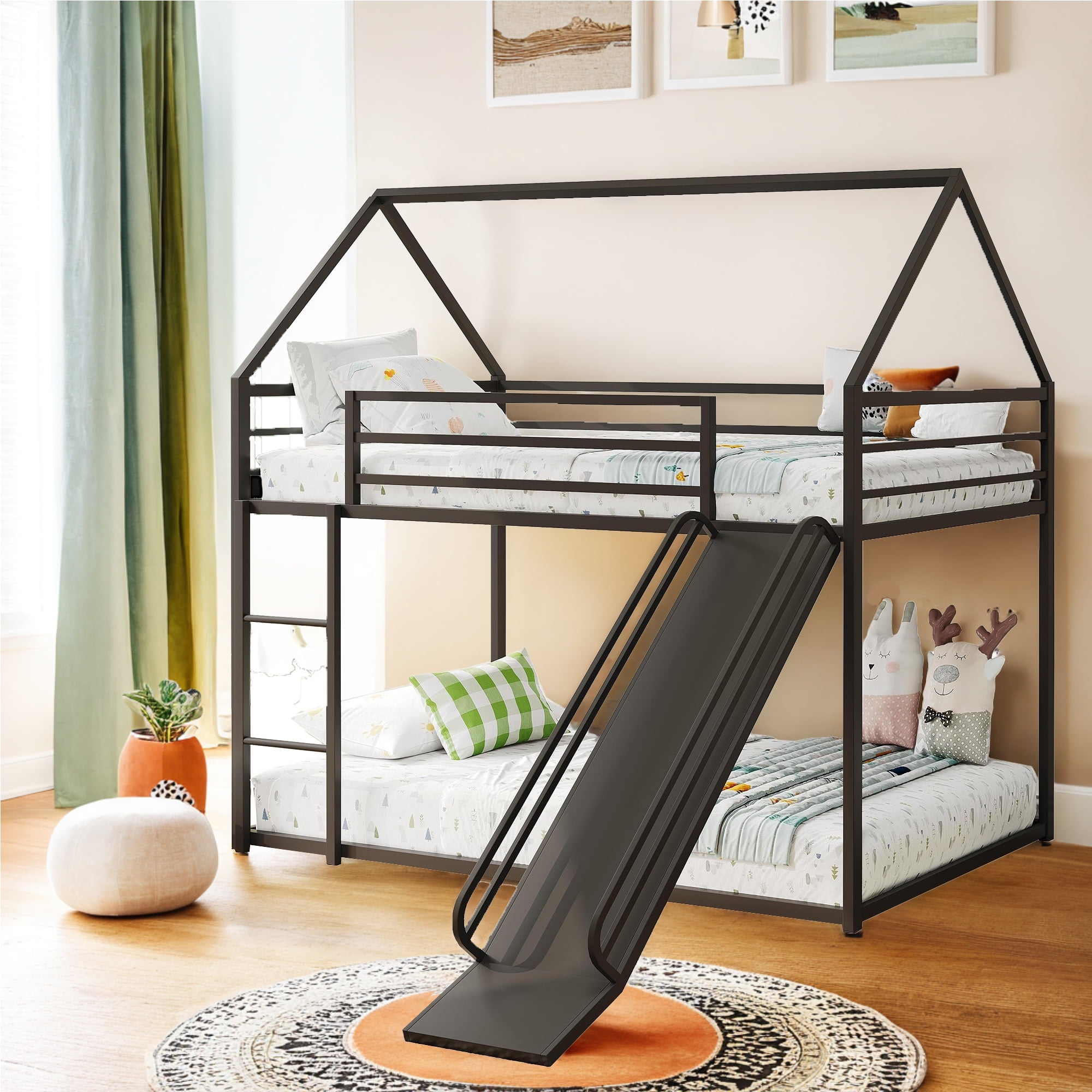
Credit: murs-a-dessins.ch
Materials And Tools Needed
Building a portable bunk bed with wood needs the right materials and tools. Using quality wood and the proper tools makes the process easier and ensures a sturdy bed. Gather everything before you start to save time and avoid interruptions.
Types Of Wood To Use
Choose wood that is strong and light. Pine wood is popular because it is easy to cut and affordable. Cedar wood resists moisture and insects, good for outdoor use. Avoid soft woods like spruce; they may break easily. Hardwood like oak is very strong but heavy and harder to work with.
Essential Tools
Use a saw to cut the wood pieces to size. A drill helps make clean holes for screws. Screwdrivers tighten screws securely. A measuring tape and square ensure accurate cuts and angles. Sandpaper smooths rough edges and prevents splinters. A clamp holds pieces steady while assembling.
Additional Supplies
Get wood screws or bolts to hold the frame firmly. Wood glue adds extra strength at joints. Paint or wood finish protects the wood from damage. Safety gear like gloves and goggles keeps you safe. Soft pads under the bed’s legs prevent floor scratches.
Planning Your Bunk Bed
Planning your portable bunk bed is the first and most important step. Careful planning saves time and materials. It helps create a safe and functional bed. This section guides you through key points for an effective plan.
Determining Size And Dimensions
Measure the space where the bunk bed will go. Consider the height of the room and floor area. Decide how many people will use the bed. Standard bunk beds are about 75 inches long and 39 inches wide. Adjust sizes for comfort and room size. Allow space for movement around the bed.
Designing For Portability
Keep the design simple and light. Use wood that is strong but not heavy. Choose parts that can be easily taken apart. Include handles or grips for carrying. Plan for a frame that fits through doors and stairs. Make sure the bed can be packed flat for transport.
Safety Considerations
Use sturdy wood and strong joints. Ensure guardrails are high and secure. Check the mattress size fits well without gaps. Avoid sharp edges and splinters. Test the bed’s stability before use. Think about weight limits and children’s safety.
Cutting The Wood Pieces
Cutting the wood pieces is a crucial step in building a portable bunk bed. It shapes the parts that will come together to form a strong, safe frame. Precise cuts ensure the bed fits well and lasts long. Taking time here saves effort later. Follow each step carefully to get the best results.
Measuring And Marking
Start by measuring the wood with a tape measure. Check twice to avoid mistakes. Mark the lines clearly using a pencil and a square. Use straight lines to guide your cuts. Accurate marks make cutting easier and more precise.
Cutting Techniques
Use a saw suitable for your wood type. A handsaw or circular saw works well. Cut slowly along the marked lines. Keep the saw steady to get straight edges. Always wear safety gear like goggles and gloves during cutting.
Sanding Edges
After cutting, sand the edges smooth with sandpaper. This removes splinters and rough spots. Smooth edges prevent injuries and help the wood fit together better. Use fine-grit sandpaper for a clean finish.
Assembling The Frame
Assembling the frame is the key step in making a portable bunk bed with wood. It gives the bed its shape and strength. Careful assembly ensures safety and stability. Follow clear steps to build a strong frame that holds well.
Building The Base
Start by cutting wood pieces for the base. Use sturdy planks for a strong foundation. Arrange them into a rectangle that fits your mattress size. Join corners with screws to keep parts tight. Check if the base sits flat and stable on the floor.
Constructing The Upper Bunk
Next, build the top bunk frame. Use lighter wood but keep it strong. Make a rectangle that matches the base size. Attach side rails to prevent falling. Ensure enough space between the two bunks for comfort.
Adding Support Beams
Support beams hold weight and add strength. Place beams under the base and upper bunk. Use thick wood beams and secure them with screws. Space beams evenly to spread weight well. Double-check all screws are tight for safety.
Incorporating Portability Features
Making a bunk bed portable means it can move easily and fit in small spaces. This makes it perfect for travel, camping, or small rooms. Adding special features helps the bed fold, carry, and set up quickly.
Think about how to make the bed light and simple to handle. This section explains key ways to add portability to your wooden bunk bed.
Using Hinges And Joints
Hinges let parts of the bed fold flat. Choose strong hinges that hold weight well. Joints should lock firmly to keep the bed steady. Simple joints make folding and unfolding quick. Use metal hinges for long-lasting use. Test them often to avoid loose parts.
Adding Handles Or Straps
Handles or straps help carry the bed easily. Attach handles on the sides or ends for a good grip. Use soft but strong materials for comfort. Straps can keep the bed parts together when folded. This stops pieces from moving during transport. Make sure handles do not block the bed’s folding.
Ensuring Easy Assembly And Disassembly
Design the bed to come apart without tools. Use bolts that screw by hand or quick-release pins. Label each part for simple matching. Make instructions clear with pictures or diagrams. Quick assembly saves time and effort. Check that parts fit tightly but can separate fast.

Credit: nilds.gov.ng
Finishing Touches
Finishing touches are key to completing your portable bunk bed project. These steps improve the bed’s look and safety. They also help the wood last longer. Focus on three main areas: painting or staining, adding safety rails, and installing mattress supports. Each part makes your bunk bed better and more comfortable.
Applying Paint Or Stain
Start by choosing paint or stain that suits your style. Use a brush or roller for even coverage. Paint gives a bright, clean look. Stain shows the wood’s natural beauty. Let the first coat dry fully. Apply a second coat for better protection. Finish with a clear sealant to protect from scratches and moisture.
Adding Safety Rails
Safety rails keep sleepers from falling out. Measure the sides of the top bunk carefully. Cut wood pieces to fit these measurements. Attach rails securely with screws or brackets. Make sure rails are high enough to prevent falls. Sand the edges smooth to avoid splinters. Check the rails for stability before use.
Installing Mattress Supports
Mattress supports hold the mattress firmly in place. Use strong wooden slats or a solid plywood base. Space slats evenly to support weight well. Attach supports to the bed frame with screws. Ensure no gaps where the mattress could slide. Test the supports by pressing down gently. Adjust if any part feels weak or loose.
Tips For Maintenance And Storage
Proper care and storage keep your portable bunk bed strong and safe. Regular maintenance helps avoid damage and extends the bed’s life. Follow simple steps to keep it clean and ready for use. Store it in a way that prevents wear and tear. Fix small problems early to avoid bigger repairs later.
Cleaning And Upkeep
Dust the bunk bed often with a soft cloth. Use mild soap and water for sticky spots. Avoid harsh chemicals that can damage the wood finish. Check all screws and bolts monthly to keep them tight. Tighten any loose parts to prevent wobbling. Apply wood polish or oil every few months to protect the surface. Look for cracks or splinters and sand them smooth. Clean the mattress and bedding regularly to keep the bed fresh.
Proper Storage Methods
Store the bunk bed in a dry, cool place. Avoid damp areas to stop wood from swelling or rotting. If possible, disassemble the bed before storing to save space. Keep all screws and small parts in a labeled bag. Cover the bed with a cloth to protect from dust. Do not stack heavy items on top of the stored bed. Make sure the storage area is free from pests like insects or rodents.
Troubleshooting Common Issues
Wobbly bed? Tighten loose screws and bolts first. Squeaking sounds? Apply lubricant on moving joints. Cracks in wood? Sand gently and apply wood glue if needed. Loose slats? Secure them with additional screws or brackets. Faded finish? Use wood stain or paint to restore the look. Mattress slipping? Add non-slip pads under the mattress. Missing parts? Check storage bags or buy replacements online.

Credit: www.amazon.com
Frequently Asked Questions
What Materials Are Needed For A Wooden Portable Bunk Bed?
You need quality wood, screws, hinges, wood glue, sandpaper, and paint or varnish. Choose sturdy, lightweight wood for easy transport and durability.
How Do I Ensure Stability In A Portable Bunk Bed?
Use strong joints, secure screws tightly, and add support braces. Test the bed for wobbling before use to ensure safety.
Can A Portable Bunk Bed Fit In Small Spaces?
Yes, portable bunk beds are designed to be compact. They fold or disassemble easily, making them ideal for tight or temporary spaces.
How Long Does It Take To Build A Portable Bunk Bed?
Building time varies but typically takes 1-3 days. It depends on your skill level and available tools.
Conclusion
Building a portable bunk bed with wood is simple and fun. You can save money by making it yourself. It also lets you customize the size and style you want. Using basic tools and materials, anyone can complete this project.
Take your time to measure and cut carefully. Strong joints will keep the bed safe and steady. A portable bunk bed fits many spaces and needs. Try this project to add useful furniture to your home. Enjoy the comfort and convenience it brings.