Are you looking to save space and add a cozy spot for guests or family? Building a bunk bed with a futon underneath might be the perfect solution for your room.
Imagine having a comfortable bed on top and a relaxing futon below, all in one sturdy, space-saving piece of furniture. In this guide, you’ll learn simple steps to create your own bunk bed with a futon, even if you’re new to DIY projects.
Keep reading, and by the end, you’ll have the confidence and know-how to build a stylish and practical piece that fits your home and lifestyle perfectly.
Choosing The Right Materials
Choosing the right materials is key to building a strong bunk bed with a futon. Good materials make the bed safe and last longer. They also affect how the bed looks and feels. Select parts that fit your budget and style.
Take time to pick wood and tools carefully. This helps avoid problems during building. The right materials make the process smooth and enjoyable.
Selecting Wood Types
Wood choice affects strength and appearance. Pine is affordable and easy to work with. Oak and maple are harder and last longer. Choose wood that can hold weight well. Smooth wood is best to avoid splinters. Check for straight, knot-free boards for safety.
Necessary Tools And Hardware
Basic tools include a saw, drill, and screwdriver. Sandpaper helps smooth rough edges. Use screws instead of nails for better hold. Metal brackets add extra support at joints. Get a measuring tape and level to ensure accuracy. Good tools make the job easier and safer.
Designing Your Bunk Bed With Futon
Designing your bunk bed with futon requires careful thought and planning. This process helps create a comfortable and functional piece of furniture. Start by understanding the space you have and imagining how the bed and futon will fit together. A good design balances style, comfort, and safety.
Knowing exact measurements and visualizing the frame layout ensures a smooth building process. Clear planning prevents mistakes and saves time. Let’s explore the key steps to design a practical bunk bed with futon.
Measuring Your Space
Measure the room where the bunk bed will go. Check the height, width, and length of the area. Consider doors, windows, and any obstacles nearby. Allow extra space for movement and comfort.
Measure the ceiling height carefully. Make sure the top bunk has enough headroom. Also, check how much space the futon will need when folded and unfolded. Record all these numbers for reference.
Planning The Frame And Futon Placement
Decide how the futon will fit into the bunk bed frame. Choose whether it goes on the bottom or the top. Most designs place the futon at the bottom for easy use.
Sketch the frame layout showing where the futon mattress will sit. Plan strong supports under the futon for safety. Think about adding guardrails and ladders for the top bunk.
Consider the futon’s thickness and folding style. Ensure enough space for it to open fully. Also, plan for storage or shelves if needed. A clear plan leads to a sturdy and useful bunk bed with futon.
Building The Bed Frame
Building the bed frame is the first key step in creating a bunk bed with a futon. A strong frame ensures safety and comfort. Start by measuring the space where the bed will go. Accurate measurements help in cutting the wood correctly. A sturdy frame will support both the futon and the bunk bed above. Follow each step carefully to make a reliable structure.
Cutting And Preparing Wood
Select good quality wood like pine or oak for strength. Measure each piece twice before cutting to avoid mistakes. Cut the wood into parts for the bed frame, such as side rails and slats. Sand the edges smooth to prevent splinters. Preparing the wood well saves time during assembly. Label each piece to keep organized.
Assembling The Base And Supports
Start assembling the base by joining the side rails and end panels. Use screws and wood glue for a strong hold. Attach the slats evenly across the base to support the futon mattress. Add vertical supports at each corner for stability. Check that the frame is square and level. Tighten all connections to make the frame solid and safe.

Credit: www.woodcraft.com
Installing The Futon Mechanism
Installing the futon mechanism is a key step in building a bunk bed with a futon. This part allows the futon to switch easily between sitting and sleeping positions. Proper installation ensures safety and comfort. It also helps the futon last longer.
The process involves fixing the futon frame and checking the folding action. It requires careful work to avoid damage or injury. Follow each step slowly and use the right tools.
Attaching Futon Frame
Begin by placing the futon frame in the correct spot on the bunk bed. Align the holes on the frame with the holes on the bed structure. Use bolts and screws to secure the frame tightly. Do not overtighten, or the wood may crack.
Check that the frame fits flush with the bed. The frame must not wobble or move. Use a level to ensure it is straight. A well-attached frame supports smooth futon movement.
Ensuring Smooth Folding And Stability
Test the folding mechanism by gently moving the futon back and forth. It should open and close with little effort. If it feels stiff, check for loose bolts or misaligned parts.
Add washers or lubricate metal parts to reduce friction. Stability is crucial to prevent accidents. Tighten all fasteners and verify the futon locks in both positions.
Finally, sit and lie down on the futon to confirm comfort and safety. Adjust as needed before finishing your project.
Adding Safety Features
Adding safety features is key when building a bunk bed with a futon. Safety protects the users, especially children. It also prevents accidents and injuries. Proper safety measures create a secure and comfortable space. Focus on two main parts: guardrails and the ladder. Both need careful attention to keep the bed safe.
Installing Guardrails
Guardrails stop sleepers from falling off the top bunk. Use strong wood or metal for the rails. Make sure the guardrails cover most of the bed’s side. Check the height; it should be tall enough to hold a person inside safely. Attach the rails firmly to the bed frame. Use screws and bolts for extra strength. Avoid big gaps between the rails. Small gaps prevent children from slipping through. Test the guardrails by pushing them gently. They should not move or wobble.
Securing The Ladder
The ladder must be safe to climb. Attach it tightly to the bed frame. Use brackets or hooks that lock the ladder in place. Check the ladder’s angle; it should be easy to climb. Steps should be wide and flat to prevent slipping. Sand the edges to avoid splinters. Place non-slip pads on the steps. Make sure the ladder stays stable during use. Test the ladder by climbing up and down slowly. It should feel secure and steady at all times.
Finishing Touches
Finishing touches make your bunk bed with futon look great and last longer. They protect the wood and add style. Comfort depends on the right mattress and accessories. These small steps help complete your project perfectly.
Sanding And Painting
Start by sanding all wood surfaces. Use fine-grit sandpaper for a smooth feel. Sanding removes rough spots and splinters. It also helps paint stick better.
Choose paint or stain that suits your room. Light colors make the room bright. Dark colors add warmth and coziness. Apply two coats for even coverage. Let each coat dry fully before the next.
Choosing Comfortable Mattresses And Accessories
Pick mattresses that fit both the bunk and futon areas. Foam mattresses work well for comfort and support. Measure carefully to avoid gaps or overhangs.
Add pillows and blankets for extra softness. Choose easy-to-clean fabrics for convenience. Consider storage bins or shelves near the bed. These keep the space neat and organized.
Maintenance Tips
Maintaining a bunk bed with a futon is important for safety and comfort. Regular care keeps the bed strong and looking good. It also helps the futon last longer and stay clean. Follow these simple tips to keep your furniture in top shape.
Regular Checks And Repairs
Check the bed frame every month. Look for loose screws or bolts. Tighten them with a screwdriver or wrench. Examine the wood or metal for cracks or damage. Fix small problems before they get worse. Replace any broken parts quickly. This keeps the bed safe for use.
Cleaning And Upkeep
Vacuum the futon mattress weekly to remove dust and dirt. Spot-clean spills immediately with a damp cloth. Use mild soap if needed, but avoid harsh chemicals. Air out the futon often to prevent odors. Wipe the bed frame with a soft cloth regularly. This helps maintain a fresh and tidy look.
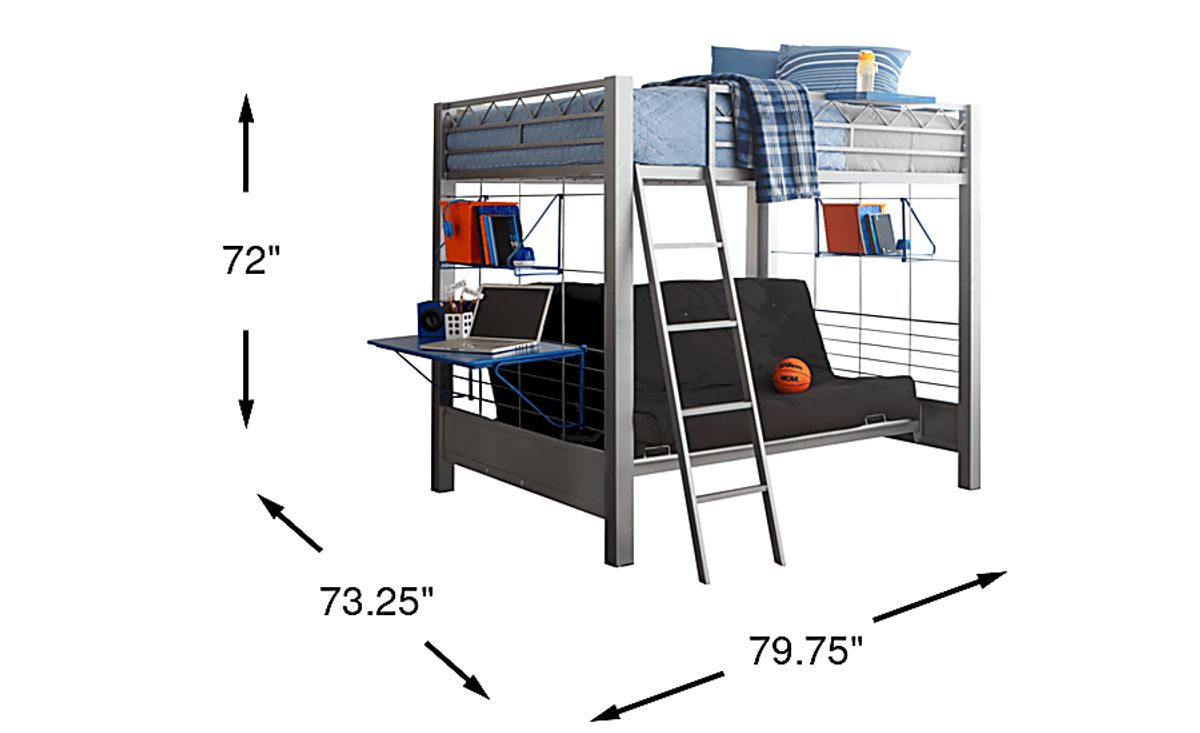
Credit: www.roomstogo.com

Credit: expandfurniture.com
Frequently Asked Questions
What Materials Are Needed To Build A Bunk Bed With Futon?
You need sturdy wood, screws, bolts, a futon frame, mattress, drill, saw, and safety gear. Quality materials ensure durability and safety. Choose wood types like pine or oak for strength and aesthetics. Proper tools make the building process easier and more precise.
How Long Does It Take To Build A Bunk Bed With Futon?
Building a bunk bed with futon typically takes 6 to 10 hours. Time varies based on skill level and tools available. Preparing materials beforehand speeds up the process. Allow extra time for finishing touches like sanding and painting.
Is Building A Bunk Bed With Futon Safe For Kids?
Yes, it is safe if built with strong materials and secure joints. Include guardrails on the top bunk to prevent falls. Ensure the futon frame locks firmly in place. Regularly check for loose screws or damage to maintain safety.
Can I Customize The Design Of A Bunk Bed With Futon?
Absolutely! Customize dimensions, wood type, finish, and storage options. You can add shelves, drawers, or paint to match your room. Custom designs maximize space and fit your specific needs. Personalization enhances both function and style.
Conclusion
Building a bunk bed with a futon saves space and adds comfort. The steps are simple and clear to follow. Use strong wood and secure all joints tightly. Measure well to fit your room perfectly. Take your time and work safely throughout the process.
This project gives you a cozy, practical bed and a sitting area. Enjoy your new bunk bed with futon every day. It is a smart choice for small rooms and guests.