When your toddler is vomiting, bedtime can feel overwhelming and stressful. You want to help your little one rest and recover, but you might not know the best way to handle the situation.
If you’re wondering how to put your toddler to bed while they’re feeling sick, you’re not alone. This guide will walk you through simple, effective steps to keep your child comfortable and safe. Keep reading to discover practical tips that can make bedtime easier for both you and your toddler.
Recognize Vomiting Signs
Recognizing vomiting signs in toddlers helps parents act quickly and calmly. Vomiting can be sudden and scary for both child and caregiver. Knowing the signs early can reduce stress and make bedtime easier. Watch for changes in behavior, appearance, and physical symptoms. These clues tell if your toddler needs rest or medical care.
Common Causes In Toddlers
Toddlers vomit for many reasons. Stomach viruses are the most common cause. Food allergies or eating too fast also lead to vomiting. Motion sickness during car rides can trigger nausea. Sometimes, teething or swallowing too much saliva causes upset stomach. Overeating or eating spoiled food adds to the problem. Identifying the cause helps in choosing the right care.
When To Seek Medical Help
Seek medical help if vomiting lasts more than 24 hours. If your toddler shows signs of dehydration, call a doctor. Symptoms include dry mouth, no tears, and fewer wet diapers. Blood or green bile in vomit needs urgent care. High fever or severe stomach pain also require medical attention. Trust your instincts; better safe than sorry.
Credit: www.aboutkidshealth.ca
Prepare The Sleep Environment
Preparing the sleep environment helps calm your toddler after vomiting. A peaceful setting supports rest and quick recovery. Focus on making the room safe, clean, and cozy. Small details can ease your child’s discomfort and encourage sleep.
Create A Comfortable Space
Start by cleaning the bed and changing any soiled sheets. Use soft, breathable bedding to keep your toddler cool. Make sure pillows and blankets suit your child’s comfort needs. Arrange the bed so your toddler can rest in a natural position.
Keep the room at a cool, comfortable temperature. Avoid heavy clothing or too many blankets. Remove any toys or items that could cause distraction or worry. A tidy, inviting bed area helps your toddler feel secure.
Use Soothing Lights And Sounds
Dim the lights to create a calm atmosphere. Soft lighting signals it is time to sleep. Use a nightlight if your toddler fears the dark. Avoid bright or flickering lights that might upset them.
Play gentle sounds such as white noise or soft lullabies. These sounds mask other noises and soothe your child. Keep the volume low to avoid overstimulation. Silence can also help if your toddler prefers quiet.
Manage Hydration And Nutrition
Managing hydration and nutrition is key when your toddler is vomiting before bed. Keeping your child hydrated helps prevent dehydration, a common risk with vomiting. Proper nutrition supports recovery and soothes the stomach. Careful choices make a big difference in comfort and health during this time.
Safe Fluids To Offer
Offer small sips of clear fluids often. Water is the best choice. Oral rehydration solutions help replace lost salts and minerals. Diluted fruit juices can work, but avoid strong juices like orange or grape. Warm broths also provide hydration and some nutrients. Avoid sugary drinks and sodas as they can upset the stomach more.
Foods To Avoid Before Bed
Keep your toddler away from heavy or greasy foods. Fried foods can cause more nausea. Avoid spicy dishes that irritate the stomach. Dairy products like milk and cheese may worsen vomiting. Sugary snacks can also upset digestion. Stick to bland foods until your child feels better.
Credit: my.clevelandclinic.org
Calm Your Toddler
Calming your toddler after vomiting is very important. Your child feels uneasy and scared. Helping them stay calm makes bedtime easier. Gentle care and a soft routine bring comfort. This helps your toddler relax and feel safe.
Calm moments reduce stress and help settle your child. A calm toddler is more ready to rest and heal. Focus on kindness and quiet actions during this time.
Gentle Comfort Techniques
Hold your toddler close and speak softly. A gentle touch reassures them. Use a soothing voice to calm fears. Soft rocking can help ease discomfort. Offer a favorite blanket or stuffed toy. Avoid sudden moves or loud sounds. Keep the room quiet and dim.
Maintain A Relaxing Bedtime Routine
Keep bedtime steps simple and familiar. Follow the usual order of activities. A warm bath can relax muscles. Read a favorite story in a calm voice. Dim the lights to signal rest time. Avoid screens and loud noises before bed. Stick to regular sleep times to build trust.
Positioning During Sleep
Positioning a toddler during sleep is very important, especially if they have been vomiting. The right position can help keep their airways clear and reduce the chance of choking. It also helps your child stay comfortable and get rest. Parents should carefully choose how their toddler sleeps after vomiting.
Best Sleeping Positions
The safest position for a toddler after vomiting is lying on their side. This position helps prevent choking by letting fluids drain out of the mouth. It also keeps the airway open. Avoid placing your child flat on their back right after vomiting. Sleeping on the stomach is not safe for toddlers because it increases the risk of suffocation.
Place your toddler on their left side if possible. This position helps stomach contents stay down. Keep the head slightly elevated using a firm mattress or a small incline. This position can ease breathing and reduce nausea. Always supervise your child if they are not fully awake.
Using Pillows And Supports Safely
Use pillows carefully to support your toddler’s position. A small, firm pillow can help keep the head raised. Avoid soft or fluffy pillows that can cause breathing problems. Place pillows around your child to stop them from rolling onto their back or stomach.
Never put loose pillows or soft toys inside the crib. These can be dangerous and increase the risk of suffocation. Use wedge cushions made for children if you want to elevate the mattress. Check that supports are secure and stable. Always watch your child closely while sleeping with supports.

Credit: www.wikihow.com
Monitor Overnight Symptoms
After your toddler vomits, watching them closely overnight is very important. Vomiting can cause dehydration and other health issues that need quick attention. You must know what signs to look for and when to check on your child. This helps keep your toddler safe and comfortable through the night.
Signs Of Dehydration
Dehydration is a key risk after vomiting. Watch for fewer wet diapers than usual. Dry lips and mouth are clear signs. Your toddler may also look tired or very fussy. Sunken eyes or a soft spot on the head can be serious signs. Check their skin by gently pinching. If it stays raised, your child may be dehydrated.
When To Wake And Check
Waking your toddler to check is sometimes needed. If vomiting continues or your child seems weak, check often. Look for changes in breathing or if they are unusually sleepy. Waking every few hours helps ensure they stay hydrated. Offer small sips of water or an electrolyte drink. Always stay calm and gentle when checking your child.
Frequently Asked Questions
How To Comfort A Toddler After Vomiting At Bedtime?
Calm your toddler gently and clean their face and mouth. Offer small sips of water and keep them upright to prevent choking. Use a cool, damp cloth to soothe their forehead. Create a calm environment to help them relax before trying to put them back to bed.
When Should I Call A Doctor For A Vomiting Toddler?
Call a doctor if vomiting lasts more than 24 hours or if your toddler shows dehydration signs. Seek immediate help if there is blood in vomit, severe abdominal pain, high fever, or lethargy. Always trust your instincts if your child’s condition worsens.
Can I Give Medicine To A Vomiting Toddler Before Bed?
Avoid giving medicine unless prescribed by a pediatrician. Some medicines can upset the stomach more. Focus on hydration and rest. If your toddler has a fever or pain, consult a doctor for safe medication options suitable for toddlers.
How To Prevent Vomiting Episodes Before Bedtime?
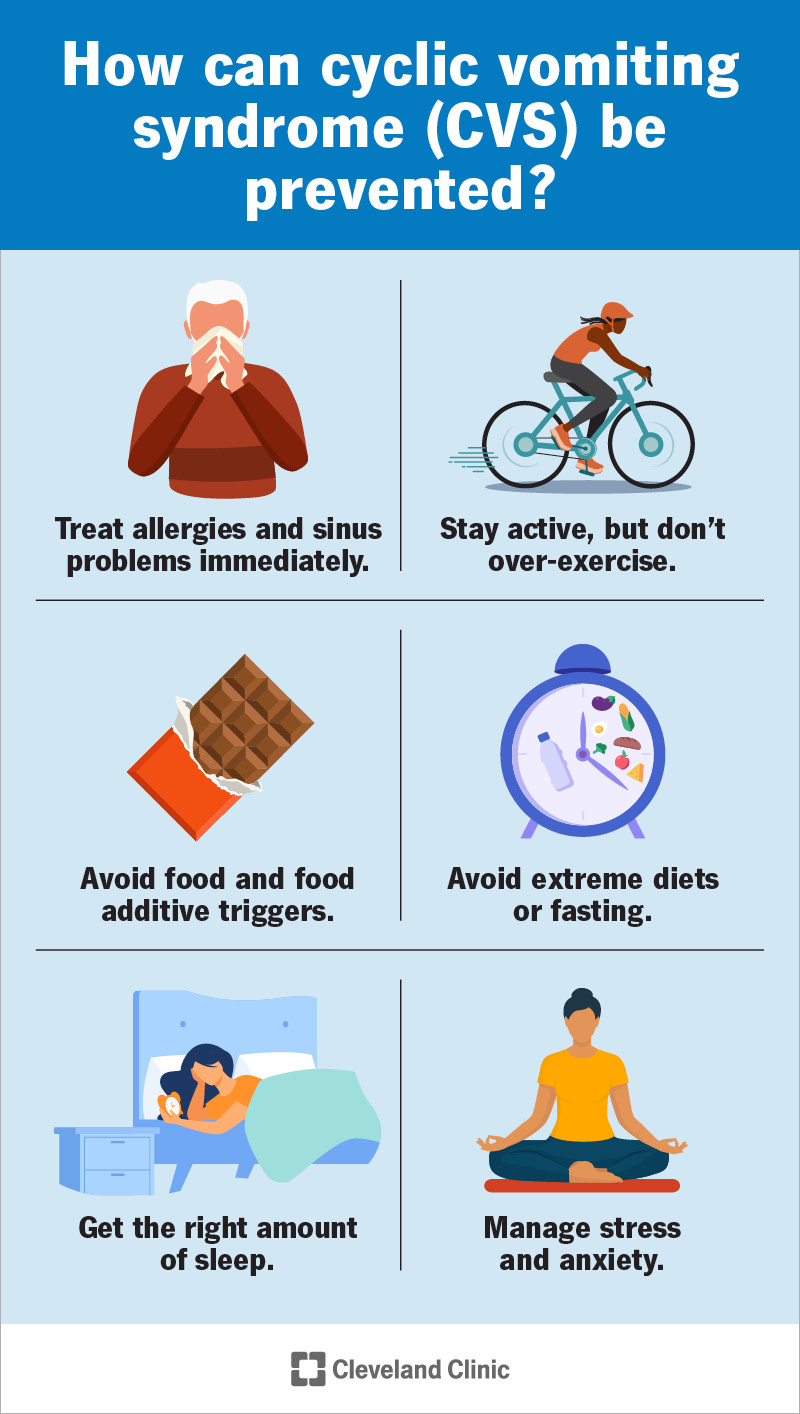
Ensure your toddler eats light, easily digestible meals a few hours before bed. Avoid heavy, greasy, or sugary foods close to bedtime. Keep them hydrated throughout the day and maintain a consistent bedtime routine to reduce stress and stomach upset.
Conclusion
Caring for a vomiting toddler at bedtime takes patience and calm. Keep your child comfortable and watch for signs of dehydration. Small sips of water or clear fluids help keep them hydrated. Make sure the sleeping area is safe and easy to clean.
Rest is key to recovery, so help your toddler relax. If vomiting continues or worsens, seek medical advice quickly. Taking these steps supports your child’s comfort and health during a tough night.