Are you wondering how long your baby can safely sleep in a toddler bed? Making the switch from a crib to a toddler bed is a big step for both you and your little one.
You want to make sure your child stays comfortable and safe, but it’s natural to have questions about how long this new sleeping arrangement will work. You’ll discover exactly how long your toddler can use their bed, signs it might be time to move on, and tips to keep bedtime smooth and secure.
Keep reading to make the best choice for your child’s sleep and your peace of mind.

Credit: myfirstnursery.co.uk
When To Transition To Toddler Bed
Transitioning a baby to a toddler bed is an important step in their growth. It helps them gain more freedom and comfort during sleep. Knowing the right time to switch can make this change smooth for both parents and toddlers. Watch for clear signs that your child is ready for this new sleeping arrangement.
Signs Your Baby Is Ready
Your child may try climbing out of the crib. This shows they need more space and freedom. Toddlers who ask to sleep in a “big kid” bed also show readiness. If your baby wakes up restless or seems cramped, it may be time. Safety becomes a concern when they climb out. These signs help parents decide the right moment to move on.
Ideal Age Range
Most toddlers switch between 18 months and 3 years old. Each child grows at their own pace. Some are ready earlier, others later. The age range offers flexibility for different needs. Parents should observe their child’s behavior more than the calendar age. This approach ensures a safer and happier sleep transition.

Credit: www.flyawaydesigns.com
Typical Toddler Bed Sleep Duration
Typical toddler bed sleep duration varies by age and individual needs. Toddlers need good rest to grow and stay healthy. Understanding how much sleep your toddler should get helps you plan bedtime better. Sleep duration includes nighttime sleep and naps during the day. Both are important for your toddler’s mood and energy.
Average Nighttime Sleep
Toddlers usually sleep about 10 to 12 hours at night. This sleep is often continuous but may include brief awakenings. A calm and quiet environment helps toddlers sleep longer. Consistent bedtime routines improve sleep quality. Most toddlers move to a toddler bed between 18 months and 3 years old. Nighttime sleep needs stay fairly steady during this stage.
Naps And Daytime Rest
Toddlers also need 1 to 3 hours of naps each day. Naps help boost their energy and mood. Younger toddlers tend to nap longer and more often. Around age 3, many toddlers reduce naps to once per day. Skipping naps can make toddlers overtired and cranky. Keep nap times regular and not too close to bedtime.
Factors Affecting Toddler Sleep Length
Many factors affect how long toddlers sleep in their new beds. Sleep length varies widely among children. Understanding these factors helps parents support better sleep habits.
Developmental Changes
Toddlers grow and change quickly. Their sleep needs change as they develop. Nighttime sleep may shorten as daytime naps reduce. Teething, learning to walk, or talking can disrupt sleep. These changes often cause toddlers to wake up more during the night.
Sleep Environment
The sleep setting plays a big role in sleep length. A quiet, dark, and cool room helps toddlers sleep longer. A comfortable mattress and cozy bedding matter too. Noise or bright lights can wake toddlers early. Safety features in the toddler bed also increase comfort and peace of mind.
Routine Consistency
Regular sleep routines encourage longer sleep. Consistent bedtimes and wake times help set the body’s clock. Quiet activities before bed calm toddlers down. Skipping or changing routines can confuse children. Consistency teaches toddlers when it’s time to sleep and wake.
Safety Tips For Toddler Bed Sleep
Safety is very important when your baby starts sleeping in a toddler bed. Toddlers move a lot during sleep. Their new bed should protect them from falls and injuries. Creating a safe sleep space helps parents feel calm and confident. The right safety steps make bedtime easier for everyone.
Bed Rails And Guards
Bed rails stop toddlers from falling out of bed. Choose rails that fit the bed tightly. Look for rails with smooth edges and no sharp parts. They should be easy to install and remove. Check rails every few days to keep them secure. This prevents accidents during the night.
Room Childproofing
Childproof the bedroom to keep toddlers safe. Cover electrical outlets with safety plugs. Move small objects and choking hazards out of reach. Secure furniture to the wall to stop tipping. Use window guards to prevent falls. Keep cords from blinds or electronics away from children. These steps reduce risks and create a safe space for sleep.
Common Sleep Challenges And Solutions
Moving a baby to a toddler bed can bring new sleep challenges. These problems often cause stress for both parents and toddlers. Understanding common sleep struggles helps find simple solutions. This section covers two big challenges many families face.
Night Wakings
Many toddlers wake up several times during the night. They may feel scared or confused in their new bed. Toddlers often miss the safety of the crib’s sides. A night light can help them feel safe and calm. Keep the room quiet and dark to encourage sleep. Return your child gently to bed each time they wake. Avoid long talks or playing to help them settle quickly.
Bedtime Resistance
Some toddlers resist going to bed in their new bed. They may want more playtime or attention. Establish a clear, calm bedtime routine. Use the same steps every night to create comfort. Reading a short story or singing a lullaby works well. Offer praise and small rewards for good bedtime behavior. Consistency is key to reduce resistance over time.
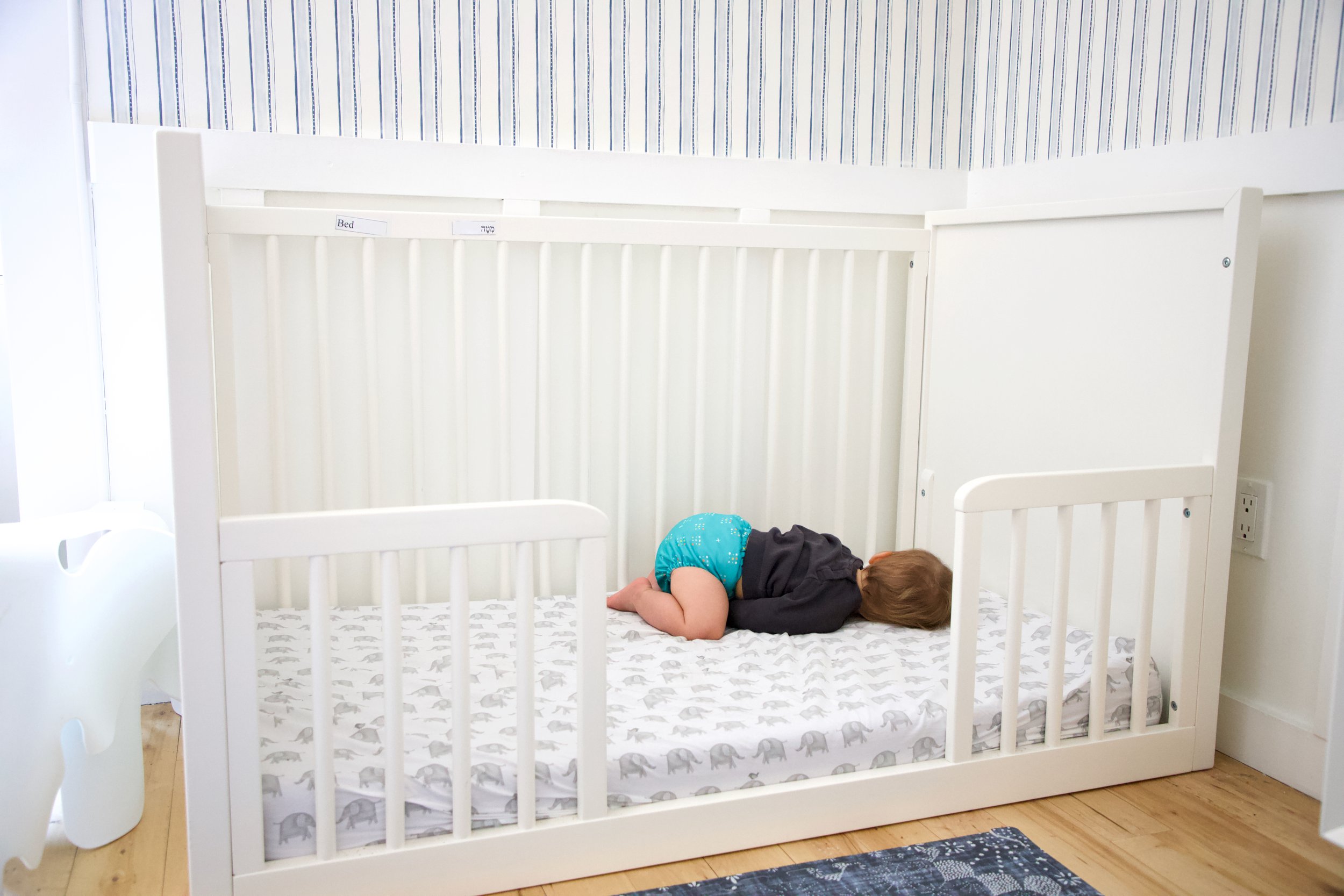
Credit: www.homeandontheway.com
When To Move Beyond Toddler Bed
Moving your child beyond the toddler bed is an important step in their growth. This change depends on many factors. Knowing the right time helps your child feel safe and comfortable. It also supports better sleep habits as they grow.
Signs It’s Time For A Big Kid Bed
Watch for signs your child needs a bigger bed. Your toddler may start climbing out of the toddler bed. This can be unsafe and cause injuries. If your child feels cramped or outgrows the bed lengthwise, it may be time to upgrade. Also, if your child wants to sleep with a sibling or parent, a bigger bed might help. Some toddlers show excitement about having a “big kid” bed. These signs suggest your child is ready for more space and freedom.
Adjusting Sleep Expectations
Switching to a big kid bed changes sleep routines. Your child may feel more independent but also unsure at first. Expect some restlessness during the first few nights. Maintain a calm bedtime routine to ease the transition. Keep consistent sleep times and comforting habits like reading or soft music. Be patient as your child adjusts to the new bed size. This helps build confidence and better sleep habits over time.
Frequently Asked Questions
How Long Can A Baby Safely Sleep In A Toddler Bed?
Babies can sleep in toddler beds typically from 18 months to 5 years. Safety depends on the child’s growth, mobility, and comfort. Transition when your child can climb out or feels cramped. Monitor regularly to ensure the bed suits your toddler’s needs and safety.
When Should You Transition From Crib To Toddler Bed?
Most toddlers transition between 18 months and 3 years. Signs include climbing out of the crib or needing more space. The toddler bed offers safety rails and more freedom. Timing varies based on child readiness and parental preference for safety and comfort.
What Factors Affect Toddler Bed Sleeping Duration?
Toddler bed use depends on your child’s growth, sleep habits, and safety. Developmental milestones and bed size influence duration. Comfort and the ability to stay safely in bed also matter. Parents should adjust based on their toddler’s changing needs and physical ability.
Can Toddlers Outgrow Their Beds Quickly?
Yes, toddlers can outgrow beds in 2 to 3 years. Growth spurts and increased mobility demand more space. Monitor your child’s comfort and safety to decide when to upgrade. Timely transitions ensure better sleep quality and prevent accidents.
Conclusion
Toddler beds offer comfort and safety for growing kids. Most toddlers sleep in these beds until age 5 or 6. Watch your child’s size and behavior to decide the right time to switch. Each child is different, so trust your instincts.
Keep bedtime routines consistent to help your toddler feel secure. Choosing the right bed helps improve sleep quality and independence. Sleep matters for your child’s health and growth. A toddler bed can be a great step toward bigger changes ahead.