Are you wondering if your little one is outgrowing their toddler bed? You might be asking yourself, “How tall is too tall for a toddler bed?”
It’s a question every parent faces as their child grows quickly. Choosing the right bed size is more than just comfort—it’s about safety and helping your child sleep soundly. You’ll discover the signs that it’s time to move on from the toddler bed and what to look for in the next sleeping option.
Keep reading to make sure your child’s bedtime is safe, cozy, and just right for their size.
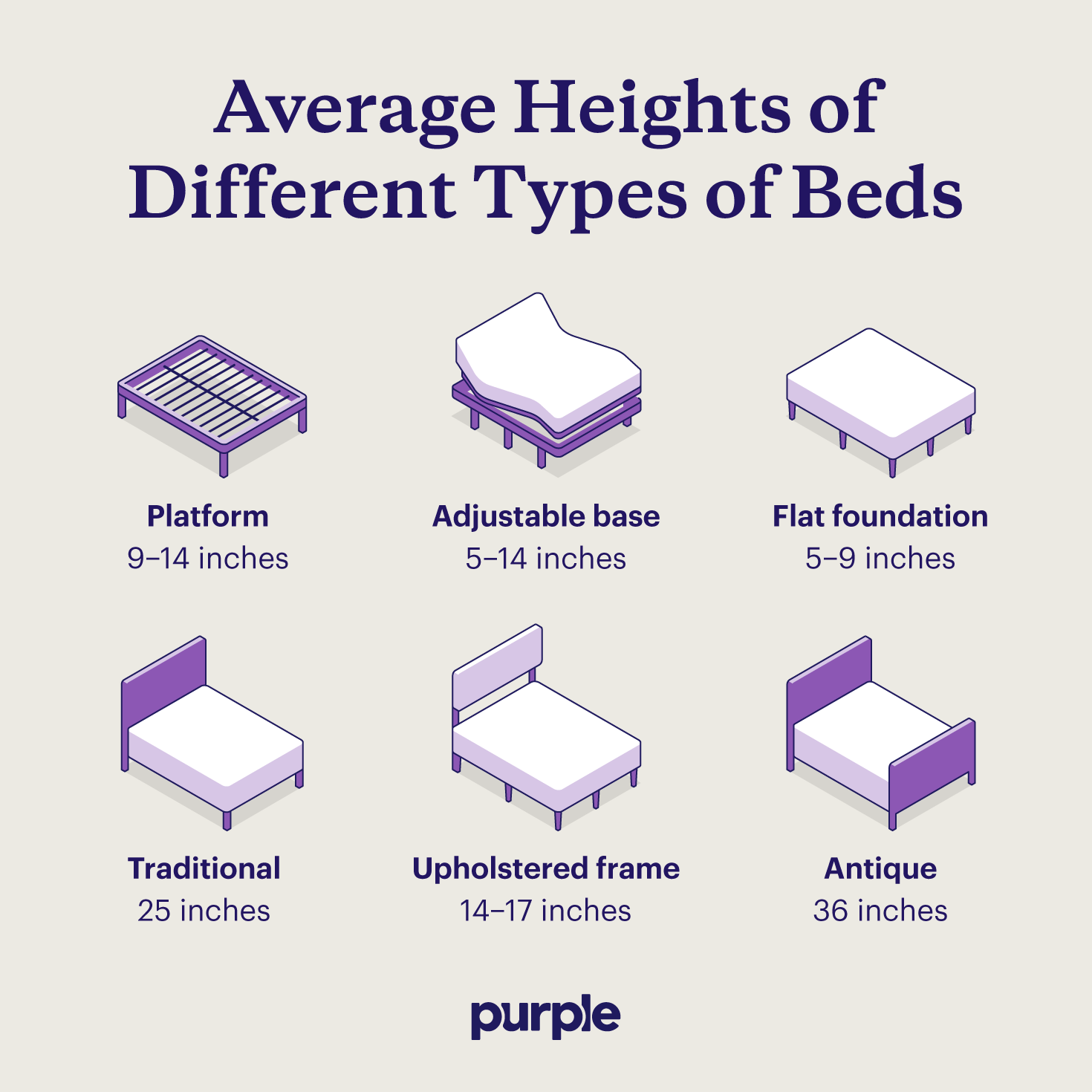
Credit: purple.com
Toddler Bed Size Basics
Choosing the right size for a toddler bed is important. It helps keep your child safe and comfortable. Understanding the basic sizes and limits makes this easier. This section covers the main facts about toddler bed sizes. It explains standard dimensions, typical toddler heights, and height limits for beds.
Standard Toddler Bed Dimensions
Toddler beds usually measure about 27 inches wide and 52 inches long. This size fits most toddlers comfortably. It is smaller than a twin bed but bigger than a crib mattress. The height of the mattress from the floor often ranges between 5 to 10 inches. Bed frames are designed with low sides to prevent falls.
Average Toddler Height Range
Toddlers grow quickly between ages 1 and 3. Most toddlers measure between 30 to 38 inches tall. This height fits well with standard toddler bed sizes. The bed should allow room for your child to stretch and move. Choosing a bed too small limits comfort and sleep quality.
Common Bed Height Limits
Safety rules recommend mattress heights under 12 inches for toddlers. Higher beds may cause falls or injuries. Bed rails or guardrails usually add a few inches in height. The total bed height should not exceed 15 inches from floor to top. This height keeps toddlers safe when climbing in and out of bed.
Signs Your Toddler Outgrows The Bed
Knowing when your toddler has outgrown their bed helps keep them safe and comfortable. Toddlers grow fast. Their needs change quickly. Watching for signs can guide you to the right time to switch beds. Some signs are easy to spot. Others may be subtle but important.
Physical Indicators
Does your toddler’s feet hang off the bed? This means the bed is too small. Are they bumping their head on bed rails or walls? That shows the bed may be too short or narrow. When toddlers grow taller than 40 inches, many toddler beds become cramped. Check if your child struggles to move or stretch in bed. These physical signs say it might be time for a bigger bed.
Comfort And Safety Concerns
Toddlers should sleep safely without risks of falling. Do they try to climb out often? That can happen if the bed is too low or too small. Is the mattress thin or worn out? It can cause discomfort and poor sleep. A bed that feels cramped can lead to restless nights. If your child wakes up tired or fussy, the bed might not support good rest anymore.
Behavioral Clues
Watch how your toddler acts around bedtime. Do they resist going to bed? This can mean the bed feels uncomfortable. Are they waking up more at night? They may feel unsafe or cramped. Some toddlers try to escape the bed or even sleep in your bed. These behaviors show they need a bed that fits their size and needs better.
Expert Recommendations On Bed Height
Choosing the right bed height for a toddler is important for safety and comfort. Experts offer clear advice on what height works best. Their recommendations help parents pick beds that keep children secure and happy. Understanding these guidelines can prevent accidents and improve sleep quality.
Pediatrician Advice
Pediatricians suggest beds low to the ground. Toddlers can climb in and out easily this way. A height of about 7 to 10 inches off the floor is ideal. This reduces the risk of falls and injuries. Doctors also recommend guardrails for added safety.
Sleep Specialist Tips
Sleep experts focus on comfort and safety. They advise beds that allow toddlers to get up without help. Too tall beds can cause fear or difficulty moving. The bed should match the child’s size and mobility. Specialists also suggest checking bed height as the child grows.
Manufacturer Guidelines
Manufacturers set safety standards for toddler beds. Most beds have a height between 7 and 12 inches. They include guardrails to prevent rolling off. Reading the instructions helps parents understand the best bed height. Following these rules ensures the bed meets safety laws.

Credit: www.amazon.com
Alternatives When Toddler Bed Is Too Small
Sometimes, a toddler bed feels too small for your growing child. This can cause discomfort and restless nights. Finding the right sleep space is important for their safety and comfort.
Many parents wonder about alternatives when a toddler bed no longer fits well. Several options offer more room and security without overwhelming the child.
Transition To Twin Beds
Switching to a twin bed gives your child more space to stretch out. Twin beds are common and fit most bedrooms easily. They last longer, growing with your child into their school years. Choose a simple design to make the move less scary. Add familiar blankets or pillows for comfort.
Using Bed Rails For Safety
Bed rails prevent falls and increase safety on bigger beds. They provide a barrier on the sides, giving parents peace of mind. Rails work well for twin beds or other larger options. Make sure the rails fit snugly and are easy to install. This keeps your child safe without feeling trapped.
Custom Bed Options
Custom beds fit your child’s room and needs perfectly. You can choose size, style, and safety features. Some beds include built-in rails or storage for toys. Custom designs grow with your child, saving money long-term. Talk to a local carpenter or shop online for ideas.
Measuring Your Toddler For The Right Bed
Choosing the right toddler bed size starts with measuring your child correctly. Accurate measurements help ensure the bed fits your toddler comfortably and safely. It also helps avoid buying a bed that is too tall or too small. This section explains how to measure your toddler’s height, plan for growth spurts, and adjust bed dimensions.
How To Measure Height Accurately
Measure your toddler’s height against a flat wall. Have your child stand straight with heels, back, and head touching the wall. Use a flat object like a book to mark the top of their head. Measure from the floor to the mark using a tape measure. Record the height in inches or centimeters. This method gives the most reliable measurement.
Estimating Growth Spurts
Toddlers grow quickly, so plan for extra length in the bed. Add about 4 to 6 inches to your child’s current height. This extra space keeps the bed comfortable for at least one year. Keep growth rate in mind when selecting bed size. It prevents the bed from becoming too small too fast.
Adjusting For Bed Length And Width
The bed length should be longer than your toddler’s height plus growth allowance. The width should allow your child to move freely but not feel lost. A wider bed helps with comfort and safety, especially during restless sleep. Check the bed’s side rails height to avoid falls. Proper bed dimensions make the transition easier for your toddler.
Safety Considerations For Tall Toddlers
Tall toddlers need extra care when using toddler beds. Safety is the top priority. Beds that are too tall can cause falls and injuries. Parents should choose beds and mattresses that support their child well. The room should be arranged to keep the child safe during sleep and play.
Preventing Falls And Injuries
Choose toddler beds with low height and side rails. Side rails stop toddlers from rolling off. Check that rails are sturdy and cover enough space. Avoid beds with sharp edges or gaps where the child can get stuck. Teach toddlers to climb in and out carefully. Place soft rugs or mats beside the bed to cushion any falls.
Choosing Supportive Mattresses
Pick a mattress that fits the bed frame exactly. A mattress that is too soft or too thick can be dangerous. It should support the child’s body well to keep the spine straight. Look for firm, breathable mattresses that reduce the risk of suffocation. Change the mattress if it shows signs of wear or sagging.
Room Setup Tips
Keep the floor free of toys and clutter near the bed. Use night lights to help toddlers see when they wake up. Arrange furniture so there is space to move safely around the bed. Secure heavy furniture to the wall to avoid tipping. Place window blinds or cords out of reach to prevent accidents.

Credit: www.ubuy.co.th
Frequently Asked Questions
How Tall Should A Toddler Bed Guardrail Be?
A toddler bed guardrail should be about 5 to 7 inches above the mattress. This height prevents falls while allowing easy access. Proper guardrail height ensures safety without making the bed hard to climb in or out of for toddlers.
When Is A Toddler Too Tall For Their Bed?
Toddlers are too tall for their bed when their feet hang off the mattress. This often happens around age 3 to 5 or when they exceed 40 inches in height. At this point, a bigger bed provides better comfort and safety.
Can A Too Tall Toddler Bed Cause Safety Issues?
Yes, a toddler bed that’s too tall or small for the child can cause falls. If the bed is too high, the child risks injury when climbing in or out. Always choose a bed size that matches your toddler’s height and growth.
What Mattress Height Suits A Toddler Bed Best?
A mattress height of 5 to 6 inches is ideal for toddler beds. It keeps the bed low to the ground, reducing fall risks. Thicker mattresses can make guardrails less effective, so choose thin, firm mattresses for safety.
Conclusion
Choosing the right toddler bed size helps keep your child safe and comfy. Toddlers grow fast, so check their height often. Beds that feel too small or too tall can cause problems. A bed that fits well supports good sleep and happy mornings.
Always watch how your child moves in and out of bed. Safety and comfort come first. This way, your toddler rests well and grows strong. Simple steps make bedtime better for everyone. Keep these tips in mind for a smooth transition.