Are you looking to save space and add a fun twist to your bedroom? Converting a single bed into a bunk bed might be the perfect solution for you.
Imagine creating extra sleeping spots without buying a brand-new bed. This simple makeover can transform your room, giving you more room to play, study, or relax. In this guide, you’ll discover easy steps and clever tips to turn your single bed into a sturdy, stylish bunk bed.
Keep reading, and you’ll learn how to make the most of your space while adding a touch of excitement to your home.
Choosing The Right Bed Frame
Designing a bunk bed from a single bed involves careful planning. The design ensures safety, comfort, and style. Focus on space, height, and safety features.
Start with measuring the room and deciding the right size. Choose strong materials for the ladder and guardrails. These steps make the bunk bed functional and secure.
Measuring Space And Height
Measure the room’s length, width, and height. Leave extra space for movement around the bed. Check the ceiling height for enough headroom above the top bunk.
Allow at least 33 inches between the top mattress and the ceiling. This space prevents bumping the head. Also, ensure the bed fits well without crowding the room.
Selecting Ladder And Guardrails
Choose a sturdy ladder that attaches safely to the bed. Consider wide steps for easy climbing. The ladder should not take too much space in the room.
Guardrails are vital for safety on the top bunk. Pick guardrails that cover at least half the mattress length. Secure them firmly to prevent falls during sleep.

Credit: expandfurniture.com
Designing Your Bunk Bed
Preparing the bed frame is the first step to convert a single bed into a bunk bed. This part sets a strong base for the whole structure. Take your time to work carefully. A solid frame means a safe and sturdy bunk bed.
Start by understanding the parts of your current bed. You will take some pieces apart and strengthen others. This process helps the bed hold the weight of two sleepers.
Disassembling The Single Bed
Remove all bedding and mattress from the bed. Find the screws and bolts that hold the frame together. Use the right tools to unscrew them safely. Keep all the screws and small parts in a box to avoid losing them.
Take apart the side rails carefully. Separate the headboard and footboard if needed. Make sure not to damage any wood or metal parts. Lay the parts flat on the floor for easy access in the next steps.
Reinforcing Frame For Stability
Check the bed frame for any weak spots or cracks. Use wood glue or metal brackets to fix these areas. Add extra support beams across the frame for better strength. Secure them tightly with screws or nails.
Use thicker wood or metal pieces for the new supports. This helps hold the weight of the top bunk and the person sleeping there. Test the frame by pressing on different parts. It should feel firm and not wobble at all.
Preparing The Bed Frame
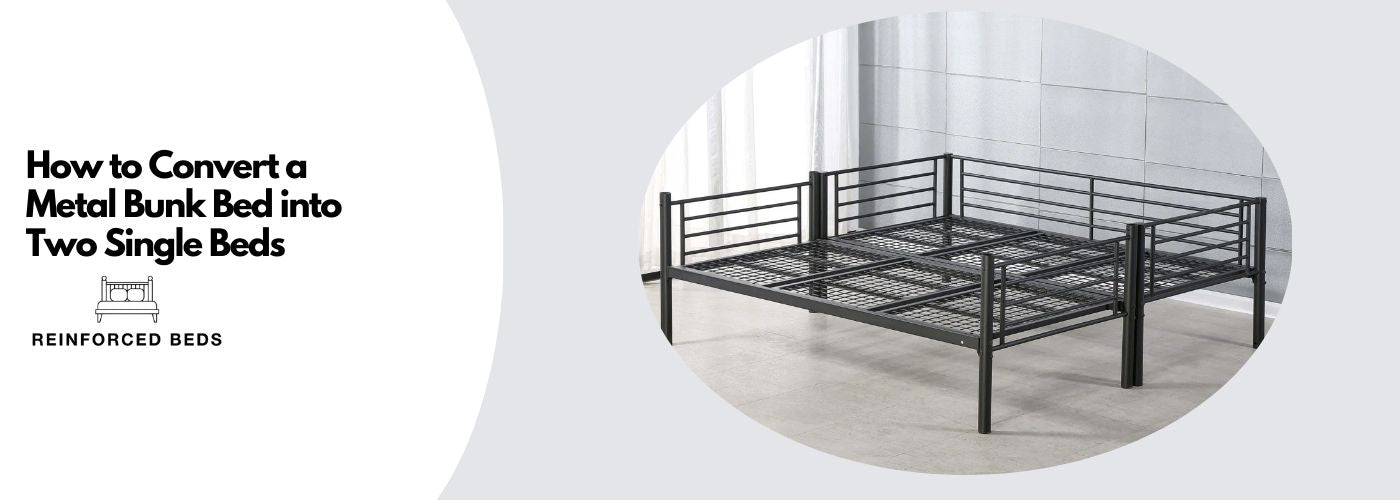
Installing safety features is key when converting a single bed into a bunk bed. Safety keeps the sleeper secure and prevents accidents. Focus on strong guardrails and a sturdy ladder. These parts protect children from falls and provide easy access to the top bunk. Careful installation ensures the bunk bed is safe and stable.
Adding Guardrails
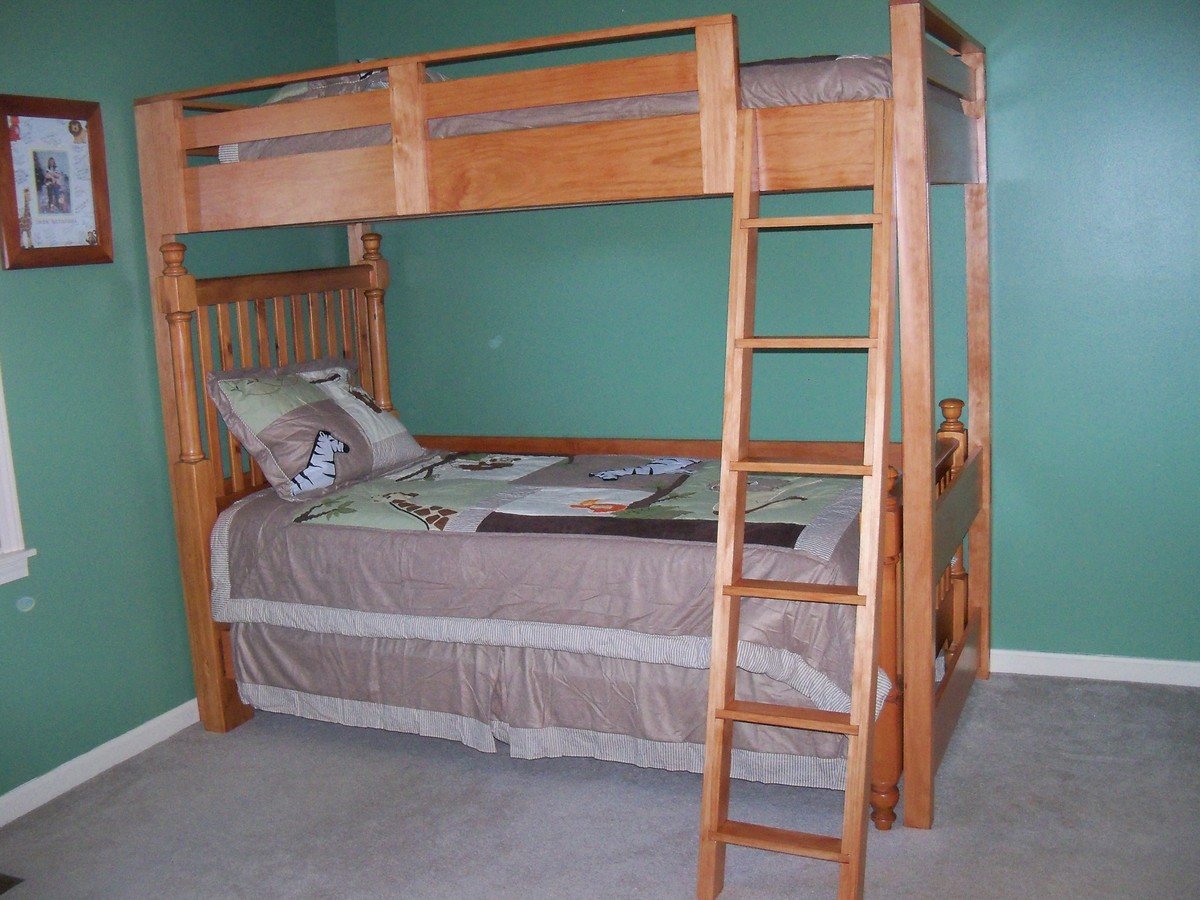
Guardrails stop the sleeper from rolling off the bed. Use solid wood or metal rails on both sides. Make sure the rails are tall enough to cover the mattress edge. Attach them tightly to the bed frame. Check that no gaps are big enough for a child to slip through. Smooth any sharp edges or corners. Guardrails add peace of mind during sleep.
Securing The Ladder
The ladder must be steady and safe to climb. Fix it firmly to the bed frame or wall. Use screws or bolts for a strong hold. The steps should be wide and slip-resistant. Angle the ladder so it is easy to climb up and down. Test the ladder by applying weight before use. A secure ladder helps prevent falls and injuries.
Credit: www.reinforcedbeds.co.uk
Building The Bunk Bed Structure
Finishing touches make your bunk bed safe and nice to use. They help protect the wood and give the bed a clean look. These final steps are important for comfort and safety. Spend time on these details to enjoy your new bunk bed fully.
Sanding And Painting
Start by sanding all wooden surfaces smoothly. Use fine-grit sandpaper to avoid rough spots. Sanding removes splinters and prepares wood for paint. Choose paint that is safe for indoor furniture. Apply two coats for even color and protection. Let paint dry completely between coats for best results.
Testing Stability And Safety
Check the bed’s frame for any loose screws or joints. Tighten all bolts and screws firmly. Gently shake the bed to see if it moves. Test the ladder steps for strength and security. Make sure guardrails fit tightly and cover the top bunk sides. Safety is key to a good bunk bed experience.
Installing Safety Features
Maintaining your converted bunk bed is essential for safety and longevity. Regular care helps keep the bed sturdy and comfortable. It also prevents accidents and costly repairs. Follow these simple maintenance tips to ensure your bunk bed stays in great condition.
Regular Safety Checks
Inspect the bed frame often. Look for loose screws, bolts, or nails. Tighten any parts that feel weak or wobbly. Check the ladder and guardrails for stability. Make sure all joints are secure. Replace any damaged parts immediately. These checks prevent falls and injuries.
Cleaning And Care
Dust the bed frame weekly to avoid buildup. Use a soft cloth to clean wood or metal surfaces. Avoid harsh chemicals that can damage the finish. Vacuum mattresses regularly to remove dust and allergens. Wash bedding often to keep it fresh and clean. Proper cleaning extends the bed’s life and keeps it healthy.
Credit: www.ana-white.com
Frequently Asked Questions
How Can I Safely Convert A Single Bed Into A Bunk Bed?
Ensure sturdy support by using quality materials and secure fasteners. Follow manufacturer guidelines or expert plans. Add guardrails and a stable ladder to prevent falls. Double-check all joints for stability before use.
What Tools Are Needed To Convert A Single Bed To Bunk?
Common tools include a drill, screwdriver, measuring tape, saw, and wrench. Safety gear like goggles and gloves is recommended. Using proper tools ensures precise cuts and secure assembly for a safe bunk bed.
Can I Convert Any Single Bed Into A Bunk Bed?
Not all single beds are suitable for conversion. The bed frame must be strong and tall enough. Consider the bed’s material and design. Some beds may require additional reinforcement to safely support the upper bunk.
How Much Space Is Required For A Bunk Bed Conversion?
Measure ceiling height and room size before converting. Allow at least 30 inches of clearance above the upper bunk. Ensure enough floor space for ladder placement and easy movement around the bed.
Conclusion
Converting a single bed into a bunk bed saves space in any room. It creates extra sleeping spots for family or friends. The process is simple with the right tools and steps. Always measure carefully and follow safety rules. This project can refresh your bedroom look without much cost.
Give it a try and enjoy a practical, cozy bunk bed.