Getting your toddler to sleep well in their new bed can feel like a big challenge. You might be worried about bedtime battles, endless night waking, or your little one refusing to stay in their toddler bed.
But what if you could make this transition smoother and help your child sleep peacefully through the night? You’ll discover simple, effective steps to sleep train your toddler in their new bed—so you both get the rest you need. Keep reading, because the secret to calm nights and happy mornings is closer than you think.
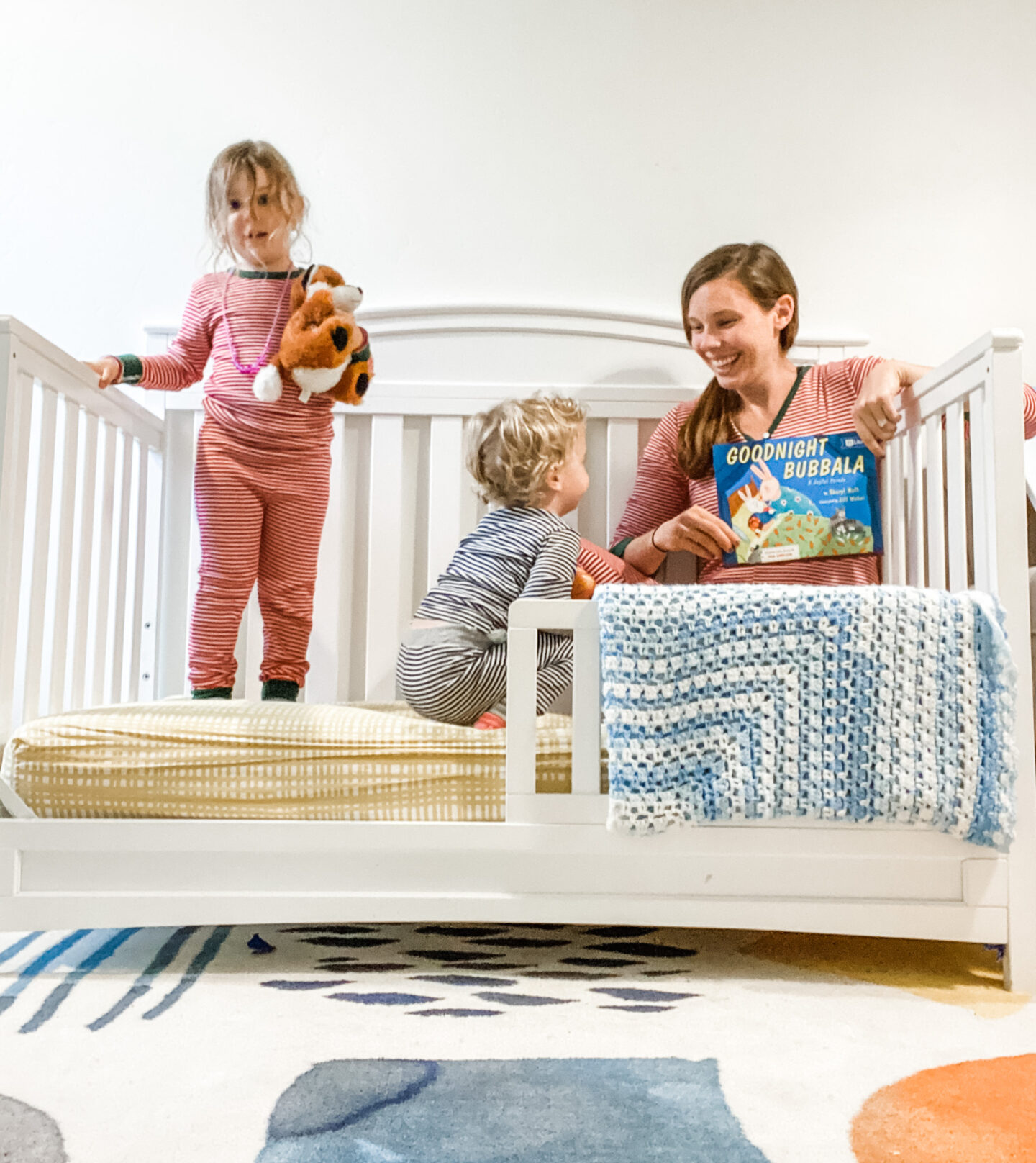
Credit: thepaperdart.com
Choosing The Right Toddler Bed
Choosing the right toddler bed is the first step in a smooth sleep training process. It affects your child’s comfort and safety. Picking a bed that fits your toddler’s needs helps them feel secure and excited about bedtime. The right bed also makes the transition from crib to bed easier and less scary.
Safety Considerations
Safety is the top priority when picking a toddler bed. Look for beds with low height to prevent falls. Make sure the bed has guardrails on both sides. Check the materials for non-toxic paints and finishes. Avoid beds with sharp edges or loose parts. The mattress should fit snugly to avoid gaps. These steps keep your toddler safe during sleep.
Types Of Toddler Beds
Toddler beds come in many styles. Some look like small beds with side rails. Others convert from cribs for easy transition. There are also themed beds shaped like cars or animals. Choose a bed that matches your child’s interests and room space. A simple, sturdy bed works well for most toddlers. Comfort and ease of use are key factors.
Making The Bed Inviting
Create a cozy space to encourage your toddler to sleep. Use soft, colorful bedding with favorite characters or patterns. Add a small pillow and a cuddly toy for comfort. Keep the bed clean and clutter-free. Let your child help choose bedding to increase their excitement. A welcoming bed makes bedtime a positive experience.
Preparing Your Toddler For The Transition
Preparing your toddler for the move to a toddler bed sets the stage for smooth sleep training. This change can feel big to your child. Start early to help them adjust comfortably. Talk about the new bed, make it fun, and set clear rules. Involve your toddler to build excitement and trust. Clear expectations reduce confusion and fear. These steps create a calm and positive transition.
Talking About The Change
Begin by discussing the new bed in simple words. Explain how it is just for them and feels safe. Share fun stories about toddlers who sleep in big beds. Use picture books or videos to show the bed. Keep the tone positive and exciting. Repeat the talk often to make the idea familiar.
Involving Your Toddler
Let your toddler help pick the bed or bedding. Choose favorite colors or characters together. Allow them to set up their new space. Encourage touching and sitting on the bed before sleep. This involvement makes the bed feel special. It helps your child feel in control and happy.
Setting Expectations
Explain simple rules about using the bed for sleeping only. Tell your toddler when it is bedtime and what to do. Use clear, short instructions like “Stay in bed” or “Sleep time.” Praise your child for following these rules. Consistency helps your toddler understand what to expect each night.
Establishing A Consistent Bedtime Routine
Establishing a consistent bedtime routine helps toddlers feel safe and ready for sleep. A clear routine signals that bedtime is near. This reduces fussiness and resistance. Toddlers thrive on predictability. A steady routine makes the transition easier to their new toddler bed.
Calming Activities Before Bed
Start with quiet, calming activities. Reading a short story or singing soft songs works well. Avoid screens or loud play. Gentle activities help the brain slow down. This makes falling asleep easier.
Setting A Fixed Sleep Schedule
Pick a regular bedtime and wake-up time. Stick to these times every day. This consistency helps set your toddler’s body clock. It improves sleep quality and daytime mood. Avoid late nights or irregular sleep times.
Creating A Sleep-friendly Environment
Make the toddler bed area cozy and safe. Use soft bedding and favorite blankets or toys. Keep the room dark and quiet. A cool room temperature is best. A calm space helps toddlers feel relaxed and ready for sleep.

Credit: health.clevelandclinic.org
Implementing Sleep Training Techniques
Implementing sleep training techniques helps your toddler adjust to their new bed. It creates a calm bedtime routine and reduces nighttime fears. These methods support your child’s independence and improve their sleep quality.
Choose a method that feels right for your family. Consistency is key. Each approach requires patience and gentle guidance to succeed.
Gradual Retreat Method
This method involves slowly reducing your presence at bedtime. Start by sitting near your toddler’s bed until they fall asleep. Each night, move a little farther away. Eventually, you sit outside the room.
This helps toddlers feel safe while learning to fall asleep alone. It reduces anxiety and builds confidence over time.
Controlled Comforting
Controlled comforting means checking on your child at set times. Let your toddler try to fall asleep on their own. If they cry, wait a few minutes before entering. Comfort them briefly without picking them up.
Repeat this process, increasing wait times. It teaches self-soothing while still offering reassurance.
Positive Reinforcement
Reward your toddler’s good sleep habits with praise or small rewards. Use a sticker chart or a favorite bedtime story as incentives. Celebrate nights when they stay in bed and fall asleep quickly.
This method encourages toddlers to repeat positive behaviors. It creates a happy, supportive sleep routine.
Handling Night Wakings And Challenges
Night wakings and challenges are normal during toddler sleep training. Toddlers adjust to new routines at their own pace. Parents need patience and clear strategies. Handling these moments calmly helps toddlers feel safe and secure.
Consistency is key. Toddlers respond well to steady routines and gentle reassurance. Understanding common issues like resistance and fears makes the process smoother. Here is how to manage these challenges effectively.
Dealing With Resistance
Toddlers may resist bedtime or getting into their new bed. They might cry or try to leave the room. Stay calm and firm. Gently guide them back to bed each time.
Use simple words to explain bedtime rules. Offer comfort but avoid long conversations or turning on lights. Keep interactions brief and soothing.
Managing Nighttime Fears
Fear of the dark or being alone is common at this age. Provide a nightlight or a favorite stuffed toy. These small comforts help toddlers feel safe.
Listen to their worries without making a big deal. Reassure them with a soft voice. Avoid letting fears delay sleep too long.
Staying Consistent
Consistency builds trust and security. Follow the same sleep routine every night. Return your toddler to bed calmly after night wakings.
Do not give in to demands for extra attention or toys. Keep rules clear and simple. Consistency helps toddlers learn healthy sleep habits faster.

Credit: parksidepediatrics.com
Tips For Long-term Success
Successful sleep training takes time and patience. Long-term success means keeping good habits steady. Toddlers feel safe with routine. Consistency helps them sleep better and feel calm. Here are tips to keep your toddler’s sleep training strong over time.
Maintaining Routine On Busy Days
Busy days can disrupt bedtime routines. Stick to key parts like bedtime stories and brushing teeth. Keep bedtime the same even with changes. A calm, quiet period before bed helps your toddler relax. Avoid screen time close to bedtime. Small changes can keep your routine strong.
Adjusting For Growth And Changes
Toddlers grow and change fast. Sleep needs can vary as they grow. Watch for signs of tiredness or restlessness. Adjust nap times and bedtime as needed. Be flexible but keep the routine clear. New skills or fears may affect sleep. Comfort and patience help your toddler adapt.
Encouraging Independence
Teach your toddler to fall asleep alone. Let them try to settle in their bed. Praise small steps toward independence. Use a favorite toy or blanket for comfort. Avoid going back in too often at night. Independence builds confidence and better sleep habits.
Frequently Asked Questions
How To Transition Toddler To A Toddler Bed?
Start by introducing the bed as a fun space. Use familiar bedding and stay consistent. Establish a calming bedtime routine to ease the transition. Gradually encourage your toddler to sleep independently in the new bed.
What Is The Best Age For Toddler Bed Training?
Most toddlers transition between 18 months and 3 years. Choose the right time based on your child’s readiness. Signs include climbing out of the crib and showing interest in a big bed.
How To Handle Toddler Bed Resistance At Night?
Stay calm and consistent with bedtime rules. Use gentle reassurance and reward positive sleep behavior. Avoid giving in to demands or bringing your toddler back to the crib.
How Long Does Toddler Sleep Training Usually Take?
Sleep training can take from a few days up to two weeks. Consistency and patience are key for success. Every child adjusts at their own pace.
Conclusion
Sleep training your toddler in a new bed takes time and patience. Stay calm and consistent with your routine each night. Celebrate small wins to keep your child motivated. Expect some setbacks, but don’t lose hope or give up. Creating a safe, cozy space helps your toddler feel secure.
Soon, your little one will enjoy peaceful, independent sleep. Trust the process and enjoy this new stage together.