Are you wondering how long your little one should sleep in a toddler bed? You’re not alone.
Making the switch from a crib to a toddler bed is a big step, and knowing the right sleep duration can help your child feel safe and rested. Getting this right affects their mood, growth, and even your peace of mind.
Keep reading to discover the ideal sleep times, signs to watch for, and tips to make this transition smooth for both you and your toddler. Your child’s best sleep is just ahead.

Credit: www.babysleepmadesimple.com
When To Transition To A Toddler Bed
Transitioning from a crib to a toddler bed is a big step for your child. It marks a new phase of independence and comfort. Knowing the right time to make this change helps your toddler adjust well. It also keeps them safe and happy during sleep.
Signs Your Toddler Is Ready
Your child starts climbing out of the crib. This is a clear sign they need a safer bed. Toddlers may also ask to sleep in a “big kid” bed. They might show interest in choosing their bed or bedding. If your toddler feels cramped in the crib, it is time to switch.
Safety Considerations
Ensure the toddler bed has guardrails to prevent falls. Place the bed away from windows and cords. Use a firm mattress that fits the bed frame well. Keep the room tidy to avoid tripping hazards. Check that the bed is sturdy and stable before use.
Recommended Sleep Duration For Toddlers
Toddlers need enough sleep to grow and stay healthy. Knowing the right sleep duration helps them feel happy and active. Proper sleep supports their brain and body development. It also improves mood and behavior.
Parents should understand how much sleep toddlers require. This helps create a good bedtime routine. The right amount of sleep varies with age and daily naps.
Age-based Sleep Needs
Toddlers between 1 and 2 years old usually need 11 to 14 hours of sleep. This includes nighttime sleep and naps. At 3 years old, toddlers need about 10 to 13 hours of sleep. Sleep needs slowly decrease as they grow older. Each child is different, but these ranges guide healthy sleep habits.
Balancing Naps And Nighttime Sleep
Daytime naps help toddlers catch up on rest. Toddlers often take one or two naps daily. Naps total around 1 to 3 hours during the day. Nighttime sleep fills in the remaining hours needed. Keeping a balance prevents overtiredness and fussiness. A consistent sleep schedule improves overall sleep quality.
Creating A Sleep-friendly Environment
Creating a sleep-friendly environment helps toddlers rest better. It makes bedtime easier for both children and parents. Toddlers feel safe and cozy in the right setting. This section covers how to choose the best bed and mattress. It also explains how to set up a comfortable room for sleep.
Choosing The Right Bed And Mattress
Select a toddler bed that fits your child’s size. The bed should be low to the ground for safety. Look for sturdy frames to avoid accidents during sleep.
Pick a mattress that supports your toddler’s body well. It should be firm but not too hard. A mattress with breathable materials keeps your child cool and comfy.
Use fitted sheets made from soft, natural fabrics. Avoid heavy blankets that can cause overheating. This helps your toddler stay comfortable all night.
Setting Up A Comfortable Room
Keep the bedroom dark and quiet during sleep time. Use blackout curtains to block outside light. A night light can help if your toddler fears the dark.
Set the room temperature between 65 and 70 degrees Fahrenheit. This range is ideal for most toddlers. Avoid overheating or making the room too cold.
Remove toys and distractions near the bed. A tidy space signals it is time to sleep. Soft sounds like white noise can soothe restless toddlers.
Establishing A Consistent Bedtime Routine
Establishing a consistent bedtime routine helps toddlers feel safe and ready for sleep. It creates a clear signal that bedtime is near. Toddlers thrive on routine because it builds habits and reduces anxiety. A steady routine makes the transition to a toddler bed smoother and more peaceful.
Effective Pre-sleep Activities
Choose calm and quiet activities before bed. Reading a short story or singing a gentle lullaby works well. Avoid screens and loud play, as they can keep toddlers awake. Soft lighting and a warm bath also help relax the child. These activities prepare the brain to wind down and sleep.
Managing Bedtime Resistance
Some toddlers resist bedtime due to fear or wanting attention. Stay firm but gentle when guiding them back to bed. Use simple words to explain it is time to sleep. Offer a favorite toy or blanket for comfort. Consistency in handling resistance reduces tantrums over time.
Handling Nighttime Wake-ups
Toddlers often wake up at night after moving to a toddler bed. This can be confusing for parents. Handling these nighttime wake-ups well helps everyone sleep better. It takes patience and understanding. Knowing why toddlers wake up helps find the right solution. Some reasons are common and easy to fix. Others might need more attention.
Common Causes And Solutions
Toddlers wake up due to fear or discomfort. A dark room can make them scared. Nightlights can help them feel safe. Sometimes, toddlers wake because they are hungry or thirsty. Offering a small snack before bed can prevent this. Changes in routine may cause wake-ups. Keeping a regular bedtime helps toddlers feel secure.
Some toddlers wake because they want attention. Calmly guiding them back to bed works well. Avoid giving too much attention during wake-ups. This teaches toddlers to fall asleep on their own. Comfort objects like a favorite blanket can soothe them. Making the bed cozy helps toddlers stay in bed.
When To Seek Professional Help
Nighttime wake-ups that happen often might signal a problem. If your toddler seems very tired but wakes frequently, ask for help. Sleep apnea or other health issues could be the cause. If your toddler shows signs of anxiety or stress, a doctor can help. A sleep specialist can offer advice tailored to your child.
Talking to a pediatrician is best if wake-ups affect daytime behavior. Poor sleep can make toddlers grumpy or less active. Early help can prevent bigger problems later. Never hesitate to seek advice if you feel worried.
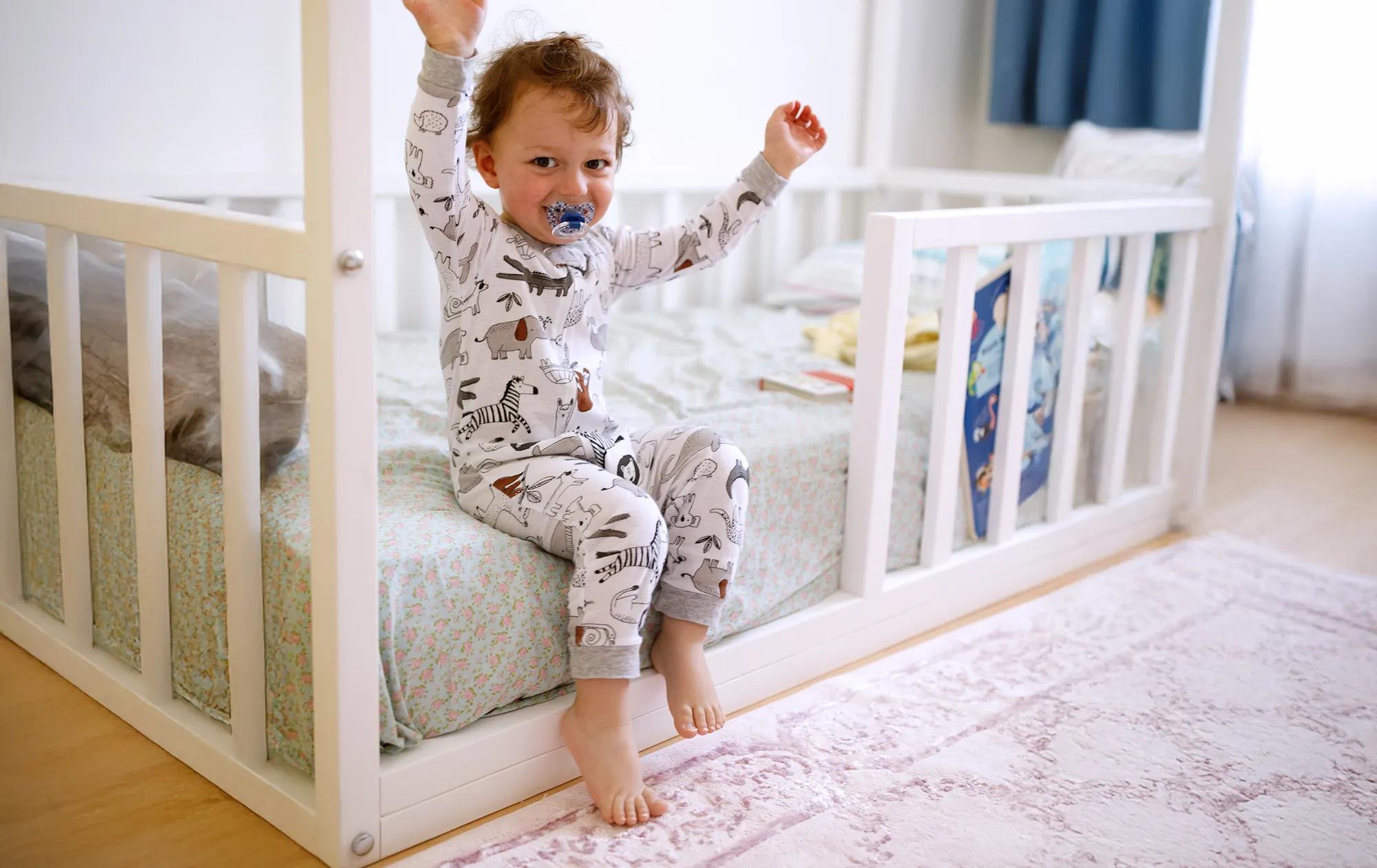
Credit: health.clevelandclinic.org
Adjusting Sleep Time As Your Toddler Grows
Adjusting sleep time as your toddler grows is a key part of healthy development. Toddlers do not need the same hours of sleep every year. Their bodies and brains change. So, their sleep needs change too. Parents should watch these changes carefully. This helps keep their toddler well-rested and happy.
Monitoring Changing Sleep Needs
Young toddlers often sleep 11 to 14 hours daily. This includes naps and nighttime rest. As they grow, nap times may shorten or stop. Nighttime sleep might need to be longer. Watch for signs of tiredness or crankiness. These signs show if your toddler needs more sleep. Keep a sleep diary. Track bedtime, wake time, and nap length. Adjust your toddler’s schedule based on this data.
Transitioning To A Big Kid Bed
Moving from a toddler bed to a big kid bed affects sleep time. New beds can feel exciting or scary. This change may cause shorter or restless sleep. Keep bedtime routines steady. Use familiar blankets or toys for comfort. Expect some nights to be different. Stay patient and consistent. Gradually, your child will sleep well in the new bed. This helps maintain healthy sleep habits during this transition.
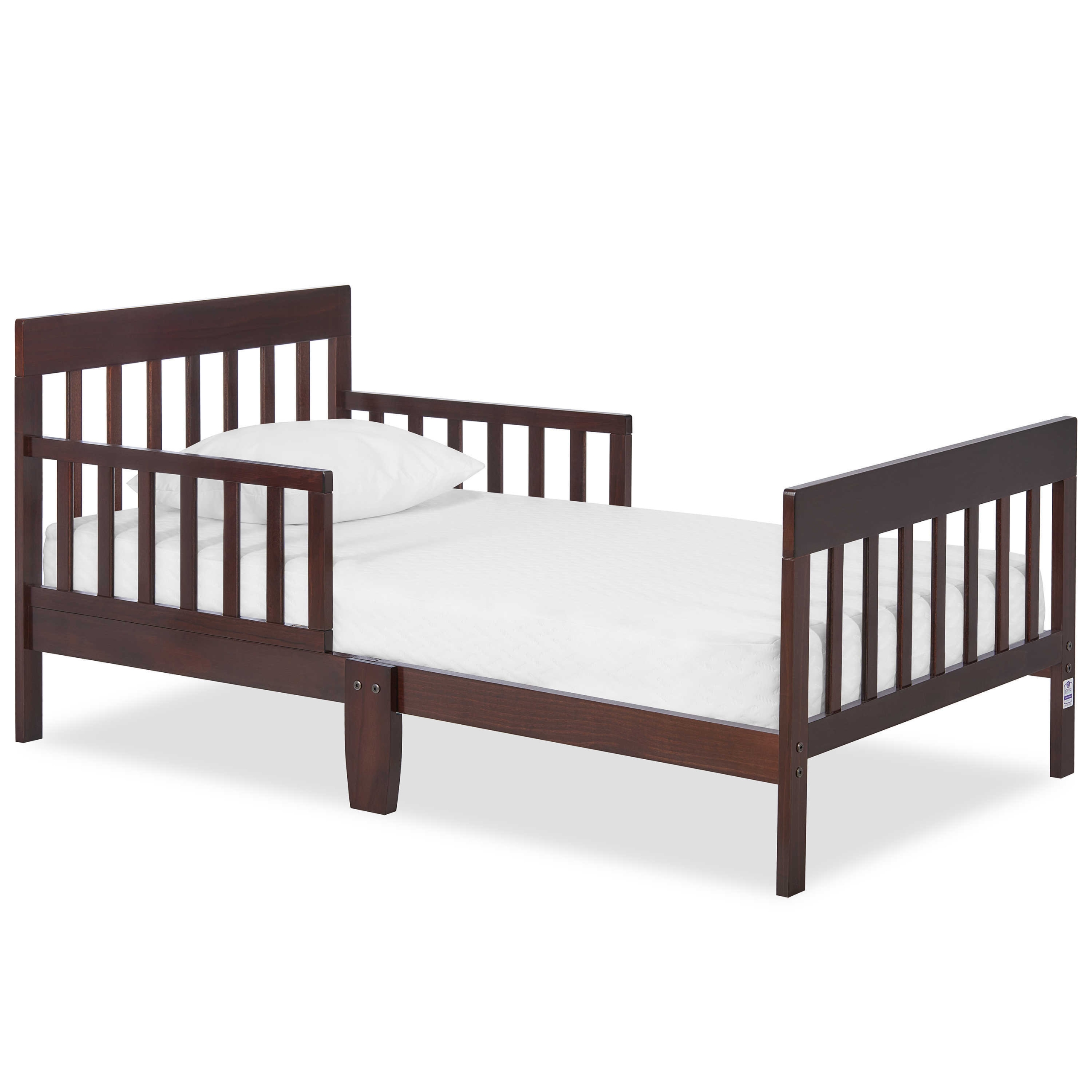
Credit: dreamonme.com
Frequently Asked Questions
How Many Hours Should Toddlers Sleep In A Toddler Bed?
Toddlers generally need 11 to 14 hours of sleep daily. This includes naps and nighttime sleep. A toddler bed supports this routine by providing comfort and safety. Consistent sleep schedules help toddlers develop healthy habits and improve mood and growth.
When Is The Right Age To Switch To A Toddler Bed?
Most children transition to a toddler bed between 18 months and 3 years. This timing depends on their size, mobility, and readiness. Signs include climbing out of the crib or expressing interest in a “big kid” bed. Safety and comfort are key factors in making the switch.
How Long Should A Toddler Nap During The Day?
Toddlers usually nap 1 to 3 hours during the day. Daytime naps support their overall sleep needs and development. Napping too late may disrupt nighttime sleep. Keep naps consistent to help toddlers feel rested and maintain a healthy sleep schedule.
Can Toddlers Sleep Too Long In A Toddler Bed?
Yes, toddlers can sleep too long if they lack a consistent routine. Over-sleeping may affect their mood and nighttime sleep quality. Establish regular bedtimes and wake times. Ensure the toddler bed is comfortable and safe to promote proper rest.
Conclusion
Toddlers need between 10 and 14 hours of sleep daily. Most children use a toddler bed until age 3 to 5 years. Watch your child’s behavior and comfort to decide when to switch. Consistent sleep routines help your toddler feel safe and rested.
Each child is different, so stay patient and flexible. Good sleep supports growth, learning, and mood. Keep the bed cozy and safe for better rest. Trust your instincts and enjoy this stage of growth. Sweet dreams ahead!