Are you ready to give your toddler a cozy and fun place to sleep? Building a toddler house bed is a fantastic way to create a special space just for your little one.
Imagine your child’s excitement when they see their very own mini house to play and rest in. You don’t need to be a woodworking expert to make this happen. In this guide, you’ll find simple steps and tips to build a safe, sturdy, and charming bed that your toddler will love.
Keep reading, and soon you’ll have a unique bed that brings joy and comfort to your child’s room.
Choosing The Right Materials
Choosing the right materials is key to building a safe and sturdy toddler house bed. The materials affect the bed’s durability and how safe it is for your child. Picking the best wood and tools makes the building process easier and the result better. Safety should be your top priority at every step.
Wood Types And Quality
Use solid wood for strong and long-lasting beds. Pine is soft, easy to work with, and affordable. Oak or maple are harder woods, offering more durability but costing more. Avoid plywood or particleboard; they can break easily and may contain harmful chemicals. Look for wood with a smooth surface and no cracks or knots. This ensures safety and a nice finish.
Essential Tools Needed
Gather basic tools before starting your project. A saw helps cut wood to the right size. A drill makes holes for screws and bolts. Sandpaper smooths rough edges to avoid splinters. A measuring tape ensures accurate cuts. Clamps hold pieces steady while assembling. Have screws and wood glue ready for strong joints. Simple tools make the job faster and safer.
Safety Considerations
Use non-toxic paint or finish to protect your child’s health. Sand all surfaces to remove sharp edges and splinters. Check that screws and nails are flush with the wood. Avoid small parts that can come loose and pose choking hazards. Keep tools away from children during and after building. Follow safety instructions for all tools and materials used.
Credit: tylynnm.com
Designing The Bed Frame
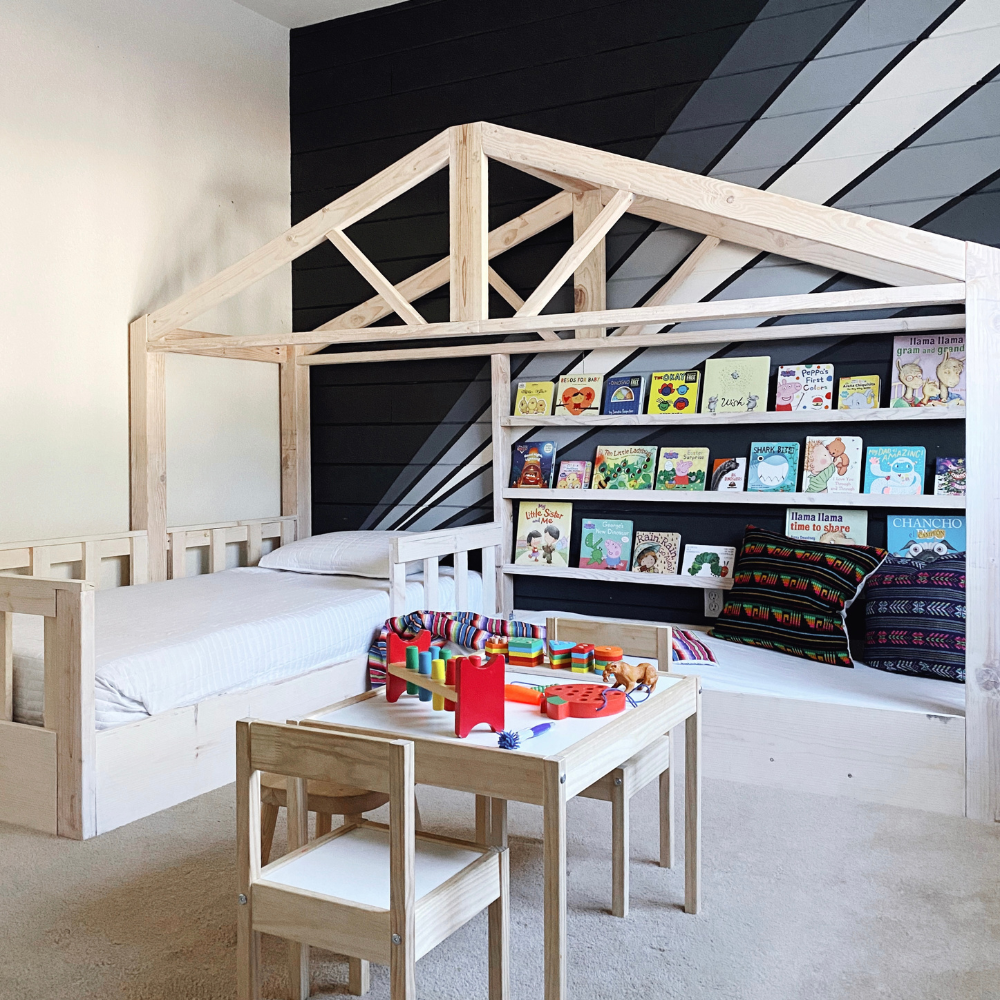
Designing the bed frame is an important step in building a toddler house bed. The frame must be safe, strong, and fit the mattress perfectly. It should also look fun and cozy for your child. Keep the design simple but creative to make bedtime special.
Start by choosing the right size and shape. Think about adding features like storage to keep the room tidy. A well-planned bed frame makes the room more useful and comfortable for your toddler.
Measuring Toddler Mattress Size
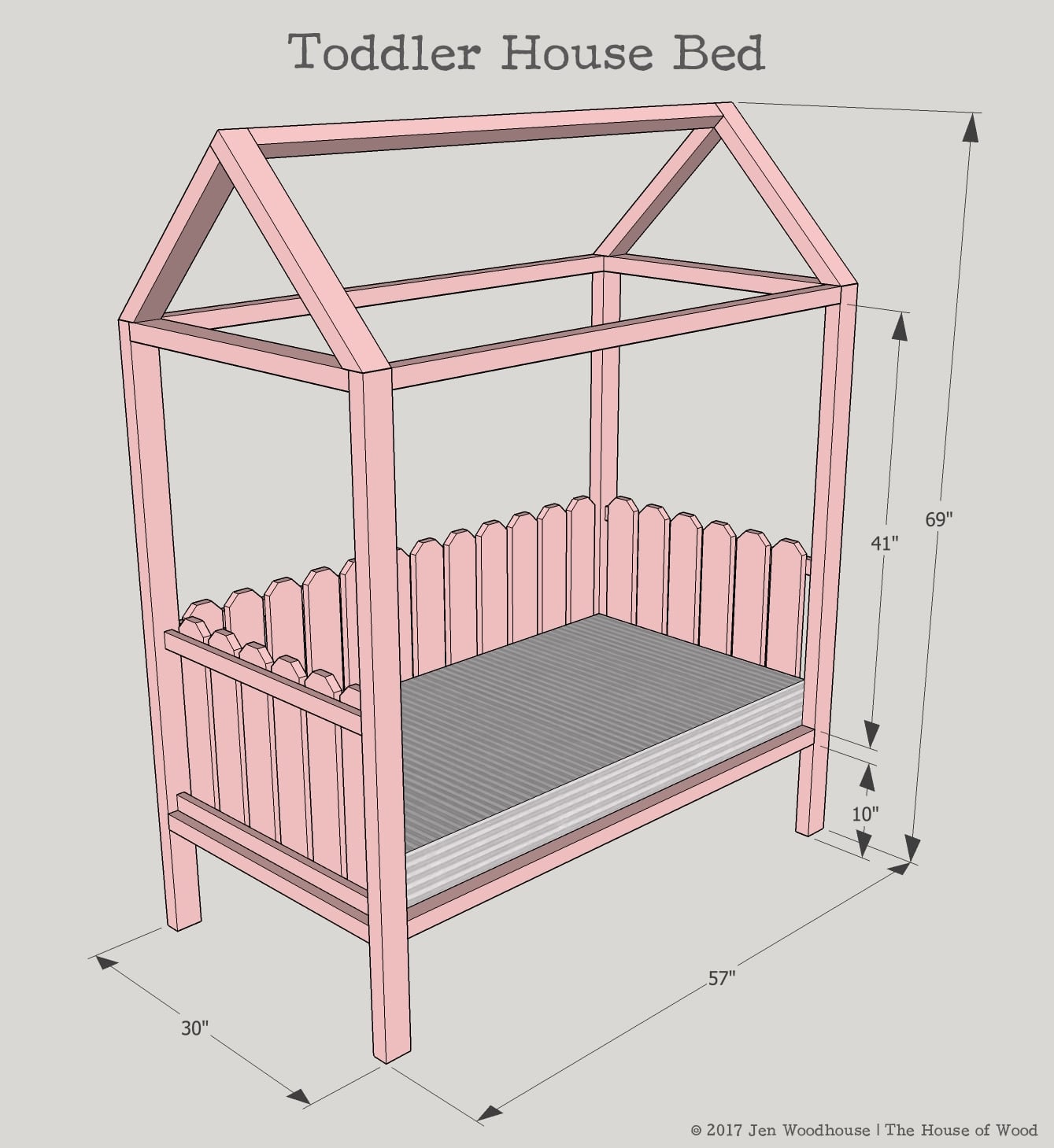
Measure the mattress before building the frame. Most toddler mattresses are 27 inches by 52 inches. Check the mattress thickness too, usually around 4 to 6 inches. Accurate measurements help create a perfect fit and keep the mattress secure. Leaving a small gap can cause discomfort or safety issues.
Simple House-shaped Frame Ideas
Use basic shapes like rectangles and triangles for the house frame. A rectangle for the base and a triangle for the roof works well. Keep the frame low to the ground for safety. Paint or decorate the frame with soft colors. This makes the bed inviting and playful without being too busy.
Incorporating Storage Options
Add storage under the bed to save space. Drawers or open shelves work great for toys and books. Use sturdy wood or plastic bins that slide easily. Storage helps keep the room clean and teaches toddlers to organize. Make sure storage edges are smooth and safe.
Cutting And Assembling The Frame
Cutting and assembling the frame is the first big step in building a toddler house bed. The frame forms the bed’s main shape and holds everything together. Careful cutting and solid assembly ensure the bed is safe and sturdy for your child. Take your time to measure, cut, and join the pieces correctly.
Step-by-step Cutting Guide
Start by marking the wood pieces using a pencil and ruler. Measure twice, cut once. Use a saw to cut along the marked lines. Cut the side panels, headboard, footboard, and base slats. Keep cuts straight and smooth. Label each piece to avoid confusion later.
Joining Pieces Securely
Align the cut pieces on a flat surface. Use wood glue on the edges for extra strength. Screw the pieces together with wood screws. Pre-drill holes to prevent splitting. Check that corners are square using a carpenter’s square. Tighten screws but avoid over-tightening.
Sanding And Smoothing Edges
Sand all edges and surfaces with medium-grit sandpaper. Remove rough spots and splinters. Use fine-grit sandpaper for a smooth finish. Smooth edges prevent splinters and make the bed safe. Wipe away dust before painting or finishing the frame.
Credit: jenwoodhouse.com
Adding Cozy Elements
Adding cozy elements transforms a toddler house bed into a warm, inviting space. Comfort helps toddlers feel safe and happy. Simple touches can make a big difference. Soft textures, gentle colors, and personal style create a perfect retreat for your child.
Painting And Finishing Touches
Choose soft, calming colors for the bed frame. Light blues, pastel pinks, or gentle greens work well. Use non-toxic, child-safe paint for safety. Add fun patterns like stars or clouds for a playful look. Seal the paint with a clear finish to protect it. Smooth edges and clean lines make the bed look neat and safe.
Adding Curtains Or Canopy
Install light curtains or a small canopy to create a cozy nook. Use breathable fabric that lets air flow easily. Soft, sheer curtains add a magical feel. Tiebacks help keep curtains open during the day. A canopy gives a sense of privacy and comfort. Make sure all materials are easy to wash and maintain.
Choosing Comfortable Bedding
Select soft sheets made from cotton or bamboo. These fabrics are gentle on sensitive skin. Pick a mattress that fits the bed frame well. Add a small pillow and a cozy blanket for warmth. Avoid heavy or bulky bedding to keep your toddler safe. Bright colors or fun prints make the bed more inviting.
Ensuring Safety And Stability
Building a toddler house bed is fun and rewarding. Safety and stability are the top priorities. A sturdy and safe bed protects your child during sleep and play. Small details matter to keep the bed secure and child-friendly.
Securing The Bed To Walls
Attach the bed frame firmly to the wall. Use strong brackets or anchors made for drywall or studs. This prevents the bed from tipping over if your child climbs or leans on it. Tighten all screws and bolts. Check the connections regularly to keep the bed steady.
Checking For Sharp Edges
Run your hands along all edges and corners. Sand down any rough or sharp spots to avoid cuts and scrapes. Use rounded or smoothed wood pieces. Cover metal corners with soft guards or tape. This keeps your toddler safe while crawling or climbing.
Using Non-toxic Materials
Choose paints, finishes, and glues labeled non-toxic and child-safe. Toddlers often put things in their mouths. Chemicals in some products can harm them. Opt for natural wood or water-based paints. Allow surfaces to dry completely before use.

Credit: www.youtube.com
Personalizing The Space
Personalizing the space in a toddler house bed makes it feel special and cozy. This space becomes more than just a bed. It turns into a little world where your child feels safe and happy. Small touches and thoughtful choices help create this unique area. These ideas fit your toddler’s personality and make bedtime fun.
Decor Ideas For Toddlers
Choose bright colors that your toddler likes. Use soft rugs and pillows to add comfort. Hang simple wall art or stickers with friendly animals. Keep decorations safe and easy to clean. Use baskets or small shelves to organize toys and books. Let your child help pick some items. This makes the space feel theirs.
Incorporating Favorite Themes
Pick themes your toddler enjoys, like animals or fairy tales. Use themed bedding and curtains to match. Add small toys or pictures that fit the theme. Change themes as your child grows or their interests change. This keeps the space fresh and exciting. Themes make the bed more inviting and playful.
Using Soft Lighting Options
Soft lighting creates a calm and cozy mood. Use night lights with gentle colors like warm white or soft yellow. String lights or small lamps work well too. Avoid harsh or bright lights that can disturb sleep. Choose lights with easy switches your child can reach. Soft lighting helps toddlers feel safe at bedtime.
Frequently Asked Questions
What Materials Are Needed To Build A Toddler House Bed?
You need wood boards, screws, a saw, sandpaper, paint, and a drill. Choose safe, non-toxic materials for your child’s health. Quality wood like pine or plywood works best for durability and ease of assembly.
How Long Does It Take To Build A Toddler House Bed?
It usually takes 4 to 6 hours for an average DIYer. Preparation and drying time for paint can extend the total time. Planning ahead helps you finish efficiently and safely.
Is Building A Toddler House Bed Safe For Beginners?
Yes, with basic woodworking skills and proper safety gear, beginners can build it. Follow instructions carefully and supervise young builders. Using child-safe finishes ensures a safe sleeping environment.
What Design Features Make A Toddler House Bed Cozy?
Include low bed height, rounded edges, and soft bedding. Add windows or curtains for a playful touch. These features create a secure, inviting space that your toddler will love.
Conclusion
Building a toddler house bed brings fun and comfort to your child’s room. It creates a special place for sleep and play. The steps are simple and clear, so anyone can try. Using safe materials keeps your toddler secure and happy.
This project also saves money compared to buying a ready-made bed. Enjoy the process and watch your child’s smile grow. A homemade bed adds warmth and charm to your home. Start building today and make bedtime exciting for your little one.