Moving your toddler to their own bed can feel like a big step—for both of you. You might be wondering how to make this change smooth and stress-free.
What if your child resists or wakes up in the middle of the night? You’re not alone, and the good news is, with the right approach, you can turn bedtime into a peaceful, happy routine. Keep reading to discover simple, effective tips that will help your toddler feel safe and excited about their new sleeping space.
Your nights—and theirs—are about to get a lot better.
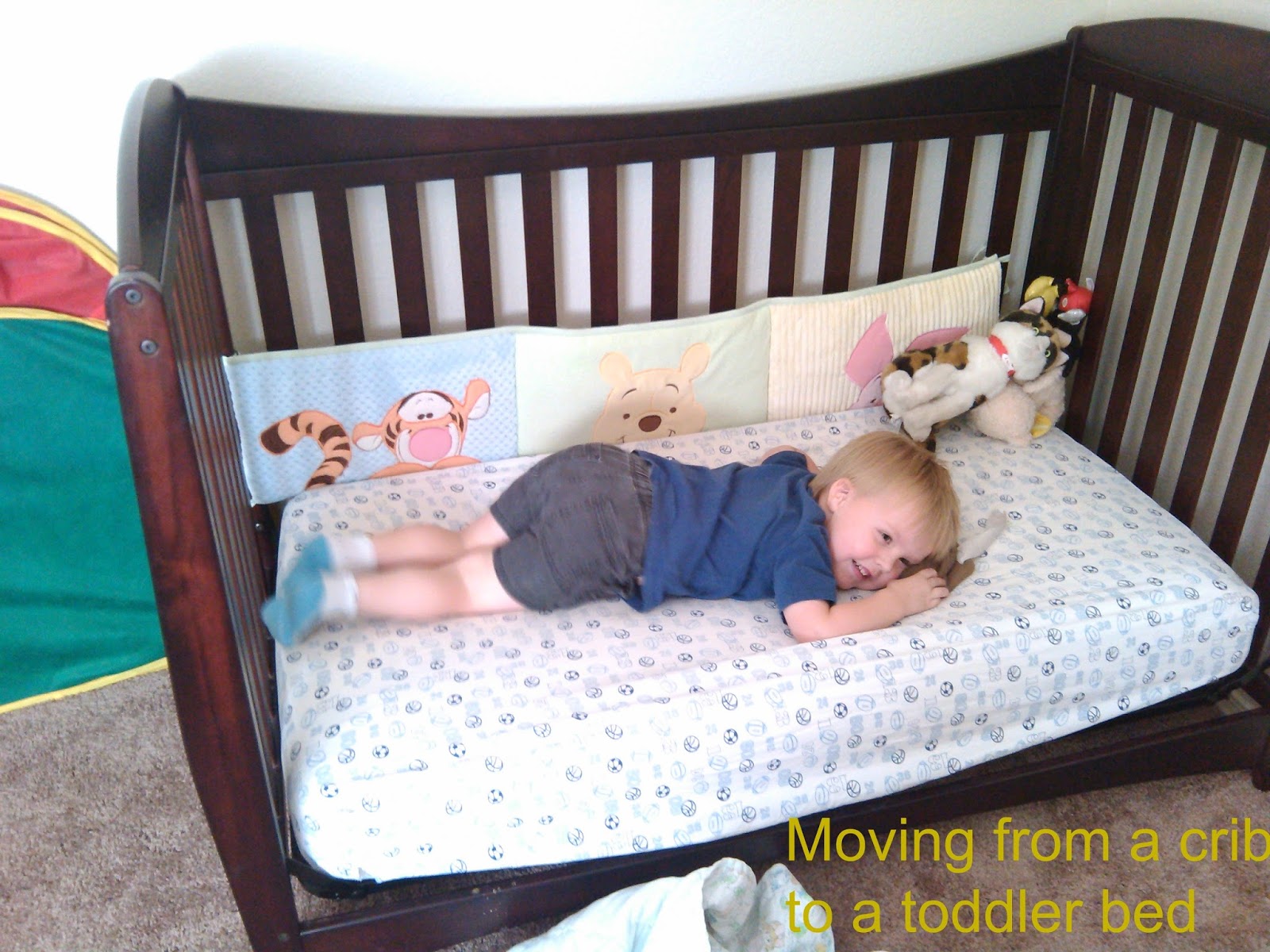
Credit: everestkitchennc.com
Signs Your Toddler Is Ready
Knowing when your toddler is ready to move to their own bed helps make the change smooth. Watch for clear signs of readiness. These signs show your child can handle the new sleeping space. Recognizing these clues can ease the transition for both of you.
Age And Development Milestones
Most toddlers switch to a bed between 18 months and 3 years. Every child grows at their own pace. Look for milestones like climbing out of the crib safely. Your toddler may start showing independence in daily tasks. These steps suggest they can manage a bed transition.
Interest In A Big Kid Bed
Your toddler might talk about a “big kid” bed. They may want to sleep in your bed or on the couch. Curiosity about new sleeping spots shows readiness. Seeing their excitement helps decide if it is time to move. Encouraging this interest makes the change positive.
Sleep Pattern Changes
Changes in sleep habits often signal readiness. Your toddler might resist naps or bedtime in the crib. Frequent waking or climbing out of the crib can be signs too. Notice if they fall asleep easier outside the crib. These patterns suggest a bed could improve sleep.
Choosing The Right Bed
Choosing the right bed is an important step in moving your toddler to their own bed. The bed should be safe, comfortable, and just the right size. It should help your child feel excited about sleeping alone. Picking the right bed can make the transition easier for both of you.
Types Of Toddler Beds
Toddler beds come in many styles. Some have low frames close to the floor. This helps your child get in and out easily. Other beds have fun themes like cars or animals. Convertible beds change from cribs to toddler beds. Choose a bed that fits your room and your child’s personality.
Safety Features To Consider
Safety is very important for toddler beds. Look for beds with guardrails on the sides. Guardrails stop your child from falling out at night. Check that the bed is sturdy and does not wobble. Avoid beds with sharp edges or small parts. Make sure the mattress fits the bed frame well.
Making The Bed Comfortable
A comfortable bed helps your toddler sleep well. Use a soft mattress that is firm enough to support your child. Add cozy blankets and pillows your toddler likes. Choose bedding with fun colors or patterns. Keep the bed clean and fresh for better rest. Comfort makes the new bed feel like a safe place.
Preparing The Sleep Environment
Preparing the sleep environment is a key step when moving your toddler to their own bed. A calm and safe space helps your child feel secure. This makes the transition easier and less stressful.
Focus on setting up the room just right. Make it cozy and quiet. Remove things that might distract or scare your toddler at night. A well-prepared room supports good sleep habits.
Setting Up The Room
Place the bed where your toddler can easily see the door. Choose a soft mattress and comfortable bedding. Keep toys and books within reach but tidy. Add a night light if your child fears the dark. Avoid strong smells or bright colors that might disturb sleep.
Creating A Cozy Atmosphere
Use soft blankets and pillows to make the bed inviting. Pick calming colors for the walls and bedding. Include a favorite stuffed animal or blanket for comfort. Keep the room at a cool, comfortable temperature. Gentle sounds like a white noise machine can soothe your toddler.
Limiting Distractions
Remove screens and noisy toys from the bedroom. Close curtains or blinds to block outside lights. Minimize clutter to reduce visual distractions. Turn off loud fans or air conditioners. A quiet, simple room helps your toddler settle down faster.
Establishing A Bedtime Routine
Establishing a bedtime routine helps your toddler feel safe and ready for sleep. It creates a sense of predictability. This makes moving to their own bed easier and less stressful. A good routine signals that the day is ending. It helps your child relax and settle down.
Consistent Sleep Schedule
Keep the same bedtime every night. A regular sleep time trains your toddler’s body clock. It helps them feel sleepy at the right time. Avoid late nights or big changes in schedule. Consistency makes the transition smoother and builds healthy sleep habits.
Calming Pre-sleep Activities
Choose quiet and soothing activities before bed. Reading a short story or gentle singing works well. Avoid screens and loud games. These can make your toddler too excited. Calm activities help their brain slow down and prepare for rest.
Using Comfort Objects
Let your toddler have a favorite toy or blanket. Comfort objects provide emotional support. They make the new bed feel familiar and safe. Your child will feel less alone during the night. This eases anxiety and helps them fall asleep faster.
Introducing The New Bed
Introducing a new bed to your toddler is a big step. It marks their move towards independence. This change can be exciting and a bit scary for your child. Preparing them carefully can make the transition smoother. Let’s explore how to introduce the new bed in a way your toddler will enjoy.
Involving Your Toddler In The Process
Let your toddler pick out their new bed or bedding. This choice makes them feel important and in control. Talk about the new bed as a special place just for them. Show pictures or books about big kids sleeping in their own beds. Involvement builds excitement and reduces fear.
First Night Tips
Keep bedtime routines the same as before. Familiar steps like reading a story help your toddler feel safe. Place a favorite toy or blanket in the new bed for comfort. Stay close at first, but encourage your child to try sleeping alone. Praise small successes to boost confidence.
Dealing With Resistance
Expect some hesitation or fear at first. Stay calm and patient during this time. Listen to your toddler’s worries and offer gentle reassurance. Avoid forcing them to stay in bed if upset. Try soothing words and a soft touch. Gradual progress is better than rushing the change.
Handling Night Wakings
Night wakings are common when toddlers move to their own bed. They may feel unsure and wake up often. Handling these night wakings with care helps your child feel safe. It also encourages good sleep habits.
Gentle Reassurance Techniques
Stay calm when your toddler wakes up. Speak softly and use a comforting tone. Offer a quick hug or pat on the back. Avoid turning on bright lights or loud noises. Keep the interaction short to help them settle again.
Encouraging Self-soothing
Teach your toddler to fall back asleep alone. Use a favorite toy or blanket as comfort. Encourage deep breathing or quiet humming. Praise small efforts to stay calm by themselves. Practice these skills during daytime naps too.
Setting Boundaries
Set clear rules about staying in bed all night. Explain these rules during the day. Be consistent with responses to night wakings. Avoid taking your child to your bed. Firm but kind boundaries build security and trust.
When To Seek Help
Transitioning your toddler to their own bed can be a big step. Some children adapt quickly, while others may face difficulties. Knowing when to seek help ensures your child gets the support they need.
Sleep struggles can affect both your child and family. Early action helps prevent long-term problems. Watch for signs that show your toddler may need extra care.
Recognizing Sleep Challenges
Notice if your toddler refuses to sleep alone for many nights. Frequent waking or nightmares may indicate trouble. Trouble falling asleep or staying asleep often signals challenges. Excessive crying or tantrums before bedtime can also be a sign. These behaviors show the transition is harder than usual.
Consulting Pediatricians
A pediatrician can check for medical or emotional issues. They offer advice tailored to your child’s needs. Discuss sleep patterns and any unusual behavior. The doctor may suggest simple changes or refer you to a specialist. Early medical advice can make the transition smoother.
Additional Resources
Books and online guides provide helpful tips for parents. Sleep consultants can offer personalized support. Parenting groups share experiences and solutions. Use trusted resources to learn more about toddler sleep. Getting help creates a positive bedtime routine for your child.

Credit: www.kidkraft.com
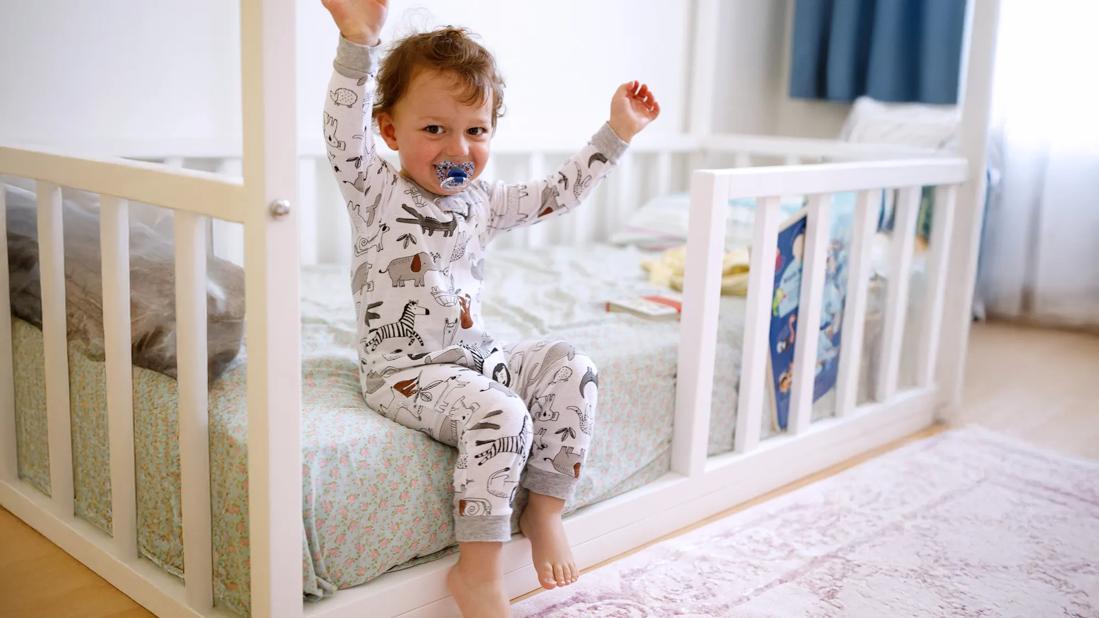
Credit: health.clevelandclinic.org
Frequently Asked Questions
How Do I Prepare My Toddler For Their Own Bed?
Start by talking about the new bed positively. Let your toddler choose bedding. Establish a calming bedtime routine to build comfort and security.
When Is The Right Age To Transition To Own Bed?
Most toddlers transition between 18 months and 3 years. Watch for readiness signs like climbing out of the crib or showing interest in a big bed.
How Can I Make Bedtime Smoother During The Transition?
Maintain consistency in bedtime routines. Use nightlights and favorite toys for comfort. Offer praise and reassurance to ease fears and build confidence.
What If My Toddler Resists Sleeping In Their Own Bed?
Stay patient and calm. Gently guide them back to bed without giving too much attention. Gradually increase independent sleeping time each night.
Conclusion
Transitioning your toddler to their own bed takes time and patience. Keep the bedtime routine calm and consistent. Offer comfort and praise for small successes. Expect some setbacks, but stay positive and steady. This change helps your child gain confidence and independence.
Celebrate progress, no matter how slow it feels. Soon, your toddler will enjoy their new sleeping space. Enjoy the journey together, step by step.