Are you ready to create a safe and cozy space for your little one to sleep? Building a toddler bed yourself can be a rewarding project that gives your child comfort and security.
But where do you start? How do you make sure the bed is sturdy, safe, and just the right size? In this guide, you’ll find simple, step-by-step toddler bed plans that anyone can follow. By the end, you’ll have all the tools and confidence you need to build a bed your toddler will love—and you’ll save money along the way.
Keep reading, and let’s turn your ideas into a real, beautiful bed!
Choosing The Right Materials
Choosing the right materials for your toddler bed plans is very important. The bed must be strong and safe. It should not harm your child in any way. Quality materials help the bed last longer. Focus on wood type and finish. Both affect safety and look. This guide helps you pick the best materials for your toddler bed.
Selecting Safe Wood Types
Choose wood that is strong and smooth. Pine is a good choice because it is soft and easy to work with. Hardwood like maple or oak is very durable. Avoid wood with knots or cracks. These can weaken the bed. Sand the wood well to remove rough edges. This keeps your child safe from splinters.
Picking Non-toxic Finishes
Use finishes that do not have harmful chemicals. Look for water-based paints or natural oils. These dry quickly and do not smell strong. Avoid finishes with lead or heavy metals. They can be dangerous for toddlers. A safe finish protects the wood and keeps your child safe. Make sure the finish is fully dry before using the bed.

Credit: www.youtube.com
Gathering Tools And Supplies
Gathering the right tools and supplies is the first step in building a toddler bed. Having everything ready helps you work smoothly. It saves time and avoids frustration.
Choose tools based on the plan and materials. Some tools are basic and needed for every project. Others make the work faster and easier.
Essential Hand Tools
Hand tools are simple but important. A tape measure helps you get exact sizes. A pencil marks where to cut or drill.
A hammer is needed to nail pieces together. Screwdrivers help tighten screws and fix parts firmly. A handsaw lets you cut wood manually if power tools are not available.
Use a square tool to keep corners right angled. Sandpaper smooths rough edges for safety and finish. These tools keep your build accurate and safe.
Power Tools For Efficiency
Power tools speed up the process and reduce hard work. A drill makes holes quickly and drives screws easily. It saves effort and time.
A circular saw cuts wood faster and straighter than a handsaw. A jigsaw is good for cutting curves and shapes in wood.
An electric sander smooths wood surfaces evenly and fast. These tools help you build the toddler bed with less stress.
Measuring And Cutting Wood
Measuring and cutting wood are key steps in building a toddler bed. Precise measurements ensure all parts fit well. Clean, straight cuts make assembly easier and safer. Taking time here saves effort later.
Accurate Measurements For Parts
Start by measuring each wood piece carefully. Use a tape measure for exact lengths. Mark lines clearly with a pencil. Double-check all measurements before cutting. Remember, small mistakes can cause big problems. Measure twice, cut once is good advice.
Tips For Straight Cuts
Use a sharp saw for clean cuts. Clamp the wood to keep it steady. Follow your marked line slowly and steadily. A guide or straight edge helps keep the saw straight. Sand edges after cutting to smooth rough spots. Straight cuts fit better and look nicer.
Assembling The Bed Frame
Assembling the bed frame is the key step in building a toddler bed. It creates the main structure that holds everything together. Follow each step carefully to ensure the bed is safe and sturdy. Use the right tools and parts for a smooth assembly process. Take your time and check each piece before fixing it in place.
Building The Side Rails
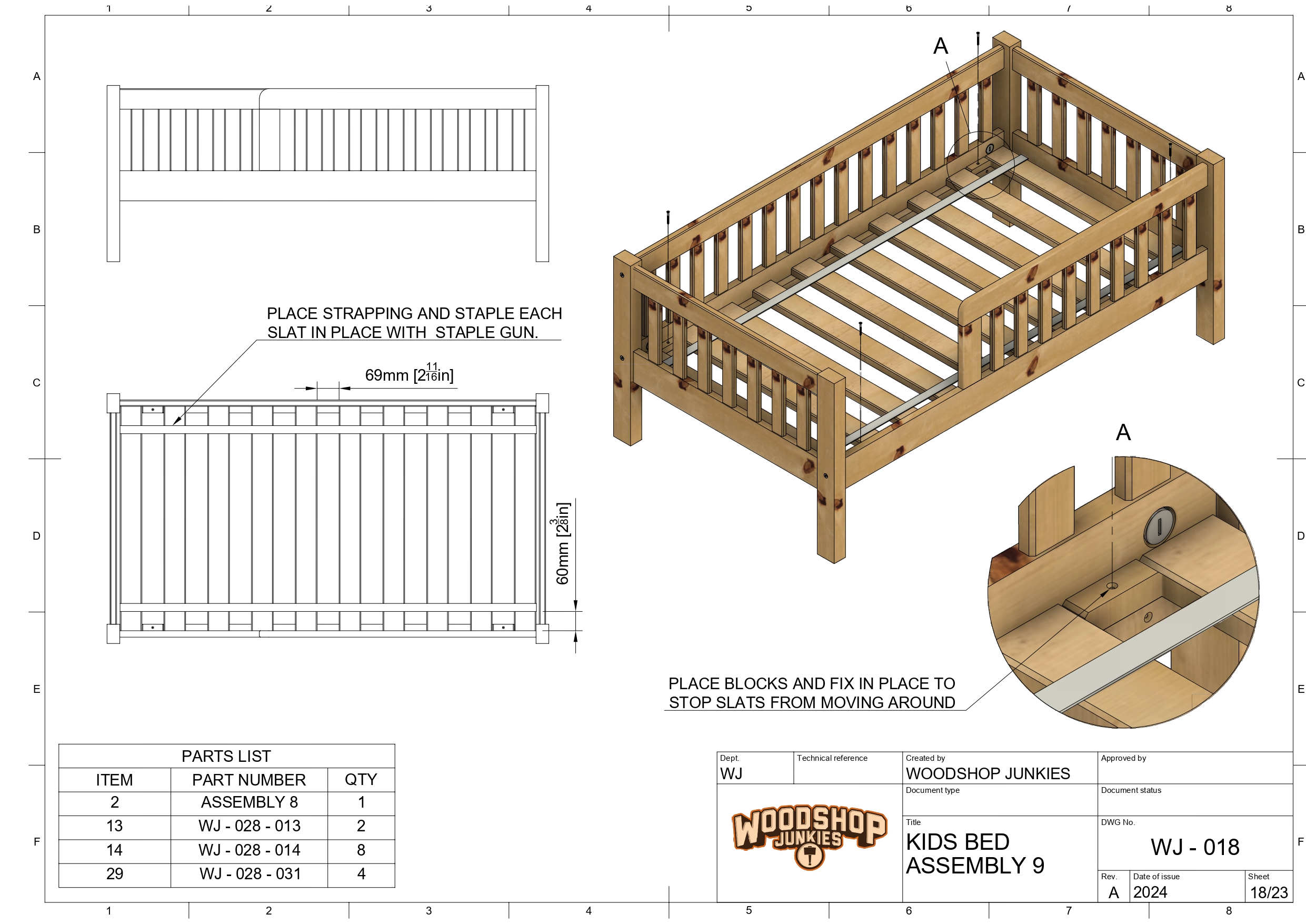
Start by preparing the side rails. These long pieces connect the headboard and footboard. Place them on a flat surface to avoid mistakes. Attach the support slats evenly along the rails. Use screws or bolts to fix the rails firmly. Make sure the rails are straight and level. This prevents the mattress from slipping or tilting. Double-check all connections before moving to the next step.
Attaching The Headboard And Footboard
Next, attach the headboard and footboard to the side rails. Position the headboard upright at one end of the rails. Secure it with screws or bolts through the pre-drilled holes. Repeat the process with the footboard at the other end. Tighten all fasteners to ensure a strong hold. Check that the frame feels solid and does not wobble. This step completes the basic frame of the toddler bed.
Adding Safety Features
Adding safety features is essential when building a toddler bed. Toddlers are active and curious. A safe bed keeps them secure and comfortable. Small details can prevent accidents and injuries.
Installing Guardrails
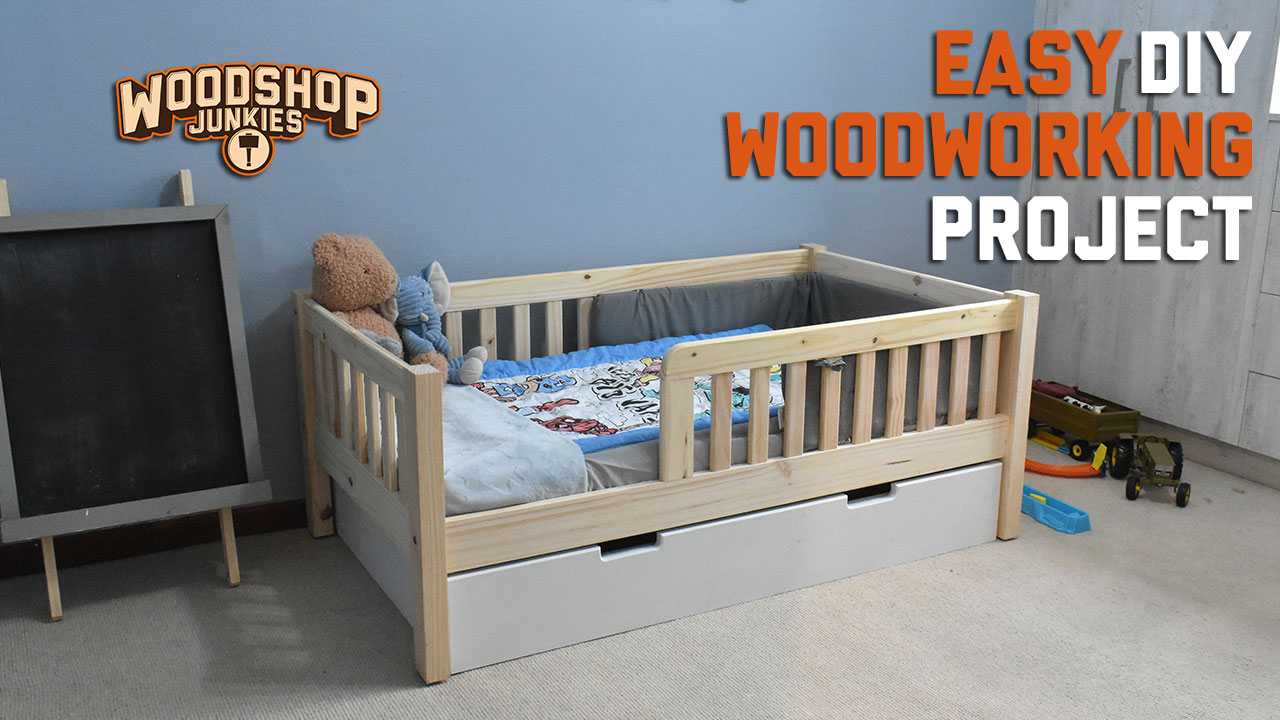
Guardrails stop toddlers from falling out of bed. Choose sturdy wood or metal rails. Attach them firmly to the sides of the bed. Make sure rails are high enough to hold a toddler in place. Check for gaps where a child’s head or limbs might get stuck. Proper guardrails give parents peace of mind.
Sanding Edges Smooth
Sharp edges can cause cuts or bruises. Sand all bed parts until smooth. Use fine-grit sandpaper for a soft finish. Pay close attention to corners and joints. Smooth edges make the bed safe to touch and play around. This small step protects your child every day.
Credit: thewoodworkersplans.com
Finishing Touches
Finishing touches give your toddler bed its final look and feel. These steps protect the wood and make the bed safe for your child. Taking time on these details ensures a smooth, beautiful result.
Applying Paint Or Stain
Choose paint or stain that is non-toxic and safe for children. Use a brush or roller for even coverage. Apply thin coats to avoid drips and uneven spots. Let each coat dry before adding the next one. Paint gives bright colors, while stain shows the wood grain. Both protect the wood from damage and wear.
Letting The Bed Dry Properly
Drying is a crucial step for a strong finish. Leave the bed in a dust-free, well-ventilated space. Avoid touching the surface until it is fully dry. Drying times vary by product, so check the label. Rushing this step can cause smudges or sticky spots. Wait at least 24 hours before using the bed.
Setting Up The Bed
Setting up the toddler bed is an important step after building it. A well-prepared bed keeps your child comfortable and safe. It also makes bedtime more inviting and helps your toddler sleep better.
Simple steps like placing the mattress and arranging bedding can make a big difference. Follow these easy tips to create a cozy and secure sleeping space for your little one.
Placing The Mattress
Choose a mattress that fits the bed frame perfectly. It should sit snugly without gaps on any side. This helps prevent your child from slipping or getting stuck.
Place the mattress flat and even. Check that it is firm but soft enough for comfort. Avoid very thick mattresses that could raise the bed height too much.
Arranging Bedding
Use fitted sheets designed for toddler beds. These sheets stay in place and do not bunch up. Select soft, breathable fabrics to keep your child comfortable throughout the night.
Add a lightweight blanket or comforter. Avoid heavy or bulky bedding that might cause overheating. Keep pillows small and safe for toddlers, or skip pillows if preferred.
Credit: thewoodworkersplans.com
Frequently Asked Questions
What Materials Are Needed To Build A Toddler Bed?
To build a toddler bed, you need wood planks, screws, sandpaper, wood glue, a saw, drill, and paint. Choose sturdy, child-safe materials for durability and safety. Proper tools and quality supplies ensure a smooth building process and a comfortable bed for your toddler.
How Long Does It Take To Build A Toddler Bed?
Building a toddler bed typically takes 4 to 6 hours. This includes measuring, cutting, assembling, sanding, and painting. Time varies based on skill level and complexity of the design. Planning and preparation can help complete the project efficiently and safely.
What Safety Features Should A Toddler Bed Include?
A toddler bed should have guardrails to prevent falls. Rounded edges and smooth surfaces avoid injuries. Use non-toxic paint and sturdy construction. Ensure the bed height is low for easy access. These features protect your child and provide a secure sleeping environment.
Can I Customize Toddler Bed Plans For Different Room Sizes?
Yes, toddler bed plans can be customized to fit various room sizes. Adjust dimensions and design elements accordingly. Customization allows you to maximize space and match your room’s decor. Tailored plans ensure comfort and functionality for your toddler’s needs.
Conclusion
Building a toddler bed can be a fun and rewarding project. You get to create a safe, cozy space for your child. Follow the plans step by step to avoid mistakes. Choose sturdy materials for long-lasting use. Take your time and measure carefully.
Your toddler will love a bed made just for them. Enjoy the process and the smile it brings. Simple tools and patience make it easy. Start your project today and make sweet dreams happen.