Are you wondering when the right time is to move your little one from their crib to a toddler bed? It’s a big step for both you and your child.
You want to make sure your child feels safe and comfortable, while also keeping their sleep routine smooth. Knowing the best age to transition can save you from sleepless nights and tantrums. You’ll discover clear signs your child is ready and expert tips to make the switch easy and stress-free.
Keep reading to find out how to make this important change at just the right time for your family.
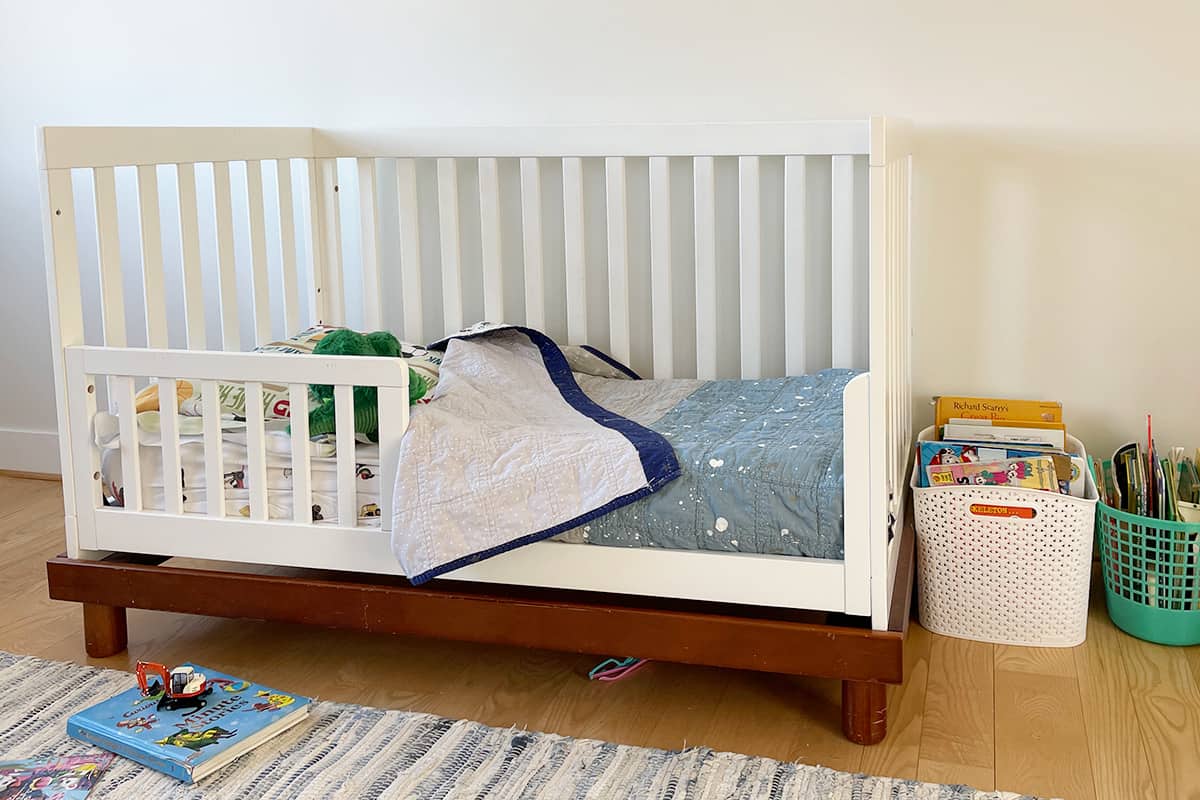
Credit: www.yummytoddlerfood.com
Signs Your Child Is Ready
Knowing when your child is ready to switch to a toddler bed can ease the transition. Watch for clear signs that your little one is prepared. These signs often show up through physical growth, behavior, and sleep habits. Recognizing them helps make bedtime smoother for both you and your child.
Physical Milestones
Your child starts growing fast around this age. They may outgrow their crib’s space or feel cramped. Climbing out of the crib shows they need a safer bed. Increased height and weight also mean the crib may no longer be comfortable. These physical changes are strong clues to begin thinking about a toddler bed.
Behavioral Changes
Children ready for a toddler bed often show new behaviors. They might ask to sleep in a “big kid” bed. Curiosity about the bed or room layout is common. Some children resist naps or bedtime in their crib. Others try to climb out, which can be unsafe. These behaviors suggest they want more freedom and comfort in sleep.
Sleep Patterns
Changes in sleep patterns can signal readiness too. Your child may wake up more often or have trouble settling in the crib. They might start wanting to sleep with a favorite blanket or toy. Longer naps in the crib might become less common. These shifts show their sleep needs are changing, hinting it’s time for a toddler bed.
Ideal Age Range
Choosing the right time to move your child to a toddler bed matters. It affects their comfort and safety. The ideal age range helps parents plan this big step with confidence. Understanding common age benchmarks and how children vary guides this decision well.
Common Age Benchmarks
Most children switch to toddler beds between 18 months and 3 years. Many start near their second birthday. This range fits most toddlers’ growing needs and abilities. It matches their size and sleeping habits as well. Parents often notice signs like climbing out of cribs or wanting more space.
Variations Among Children
Every child grows at their own pace. Some may be ready before 18 months. Others might prefer to stay in a crib until age 3 or later. Factors like physical development and comfort influence timing. Watch your child’s behavior for clues. Safety and confidence should guide your choice.
Choosing The Right Bed
Choosing the right toddler bed is important for your child’s comfort and safety. The transition from a crib to a bed can be a big step. Picking a bed that fits your child’s needs makes this change easier. Focus on safety, comfort, and style when choosing the bed. These factors help your child sleep well and feel secure.
Safety Features
Look for beds with guardrails to prevent falls. The bed should be low to the ground for easy access. Check that the materials are non-toxic and sturdy. Avoid beds with sharp edges or loose parts. A stable bed frame reduces the risk of tipping over. Safety is the top priority in choosing any toddler bed.
Comfort Considerations
Choose a mattress that is firm but soft enough for comfort. The mattress should fit snugly without gaps. Breathable fabrics help your child stay cool at night. Consider a mattress protector to keep the bed clean. Comfort helps your child sleep soundly through the night. Test the bed with your child before buying if possible.
Popular Bed Types
Toddler beds with built-in rails are common and safe. Convertible beds grow with your child and save money. Floor beds sit directly on the floor, perfect for active toddlers. Theme beds with fun designs can excite your child about sleeping. Choose a bed type that suits your room space and your child’s personality.

Credit: www.whattoexpect.com
Preparing The Room
Preparing the room is an important step in helping your child move to a toddler bed. The room should be safe, comfortable, and inviting. A well-prepared room can make the transition easier for both you and your child. This section covers key tips to create the right space for your toddler.
Childproofing Tips
Safety is the top priority. Cover all electrical outlets with safety plugs. Secure furniture to the wall to prevent tipping. Remove small objects that your child could swallow. Use window guards or locks to avoid falls. Keep cords from blinds out of reach. Check the floor for sharp or hard toys. Make sure the door has a childproof lock or stopper. These steps help protect your child during the transition.
Creating A Cozy Space
Choose soft bedding that feels comfortable and inviting. Add a favorite blanket or stuffed animal for comfort. Use calming colors like light blue, green, or soft yellow. Keep the room tidy to avoid distractions. Include a nightlight to ease fear of the dark. Arrange toys and books within easy reach. A cozy room helps your child feel safe and happy in the new bed.
Making The Transition Smooth
Transitioning your child to a toddler bed can feel like a big step. A smooth change helps your child feel safe and happy. It also makes bedtime easier for everyone. Small changes in routine and positive support can make a big difference. Prepare for some challenges but know they are normal. Patience and consistency work best during this time.
Establishing A Routine
Start by setting a clear bedtime routine. Do the same activities in the same order each night. This might include a bath, storytime, and quiet time. A routine helps your child understand it is time to sleep. Keep the routine calm and simple. This predictability makes the transition less scary.
Using Positive Reinforcement
Praise your child for using the new bed. Say kind words when they stay in bed all night. Small rewards like stickers can encourage good behavior. Avoid punishment for mistakes or getting out of bed. Positive support helps your child feel proud and motivated.
Handling Nighttime Challenges
Some children may get scared or want to leave the bed. Offer comfort with a favorite toy or night light. Gently guide them back to bed without anger. Stay calm and consistent. Nighttime fears are common and usually pass quickly.
Common Challenges And Fixes
Moving your child to a toddler bed brings new challenges. These issues can feel tough at first. Knowing common problems helps parents find quick solutions. This section shares simple fixes for bedtime resistance, night wakings, and safety concerns.
Bedtime Resistance
Many toddlers resist bedtime after switching beds. They want to stay up or leave the room. Setting a clear, calm bedtime routine helps. Use gentle but firm words to guide your child back to bed. Praise them for staying in bed. Consistency is key to reduce resistance over time.
Night Wakings
Toddlers may wake up more often in a new bed. They might feel unsure or scared. Offer a favorite toy or blanket for comfort. Keep the room dark and quiet to encourage sleep. Avoid picking them up immediately. Wait a few minutes to see if they settle alone.
Safety Concerns
Safety is a top worry with toddler beds. Check that the bed has guardrails to prevent falls. Remove sharp or hard objects nearby. Use a night light to help your child see. Make sure the room is childproofed for easy nighttime movement. Safety measures keep your child secure and calm.
When To Seek Professional Advice
Deciding when to move your child to a toddler bed can be tricky. Some children adjust easily, while others may face challenges. Watching your child closely helps you notice signs that suggest asking for professional help. Experts can guide you through any issues that might slow the transition or cause stress for your child.
Sleep Disorders
Sleep problems can make moving to a toddler bed hard. Nightmares, sleepwalking, or trouble falling asleep need attention. These issues affect your child’s rest and mood. A sleep specialist can check for disorders and suggest solutions. Early help can improve sleep quality and ease the transition.
Developmental Delays
Delays in walking, talking, or understanding can impact bed changes. Your child might feel unsafe or confused about the new bed. A pediatrician or therapist can assess developmental progress. They provide advice tailored to your child’s needs. Support helps your child adjust with confidence and comfort.
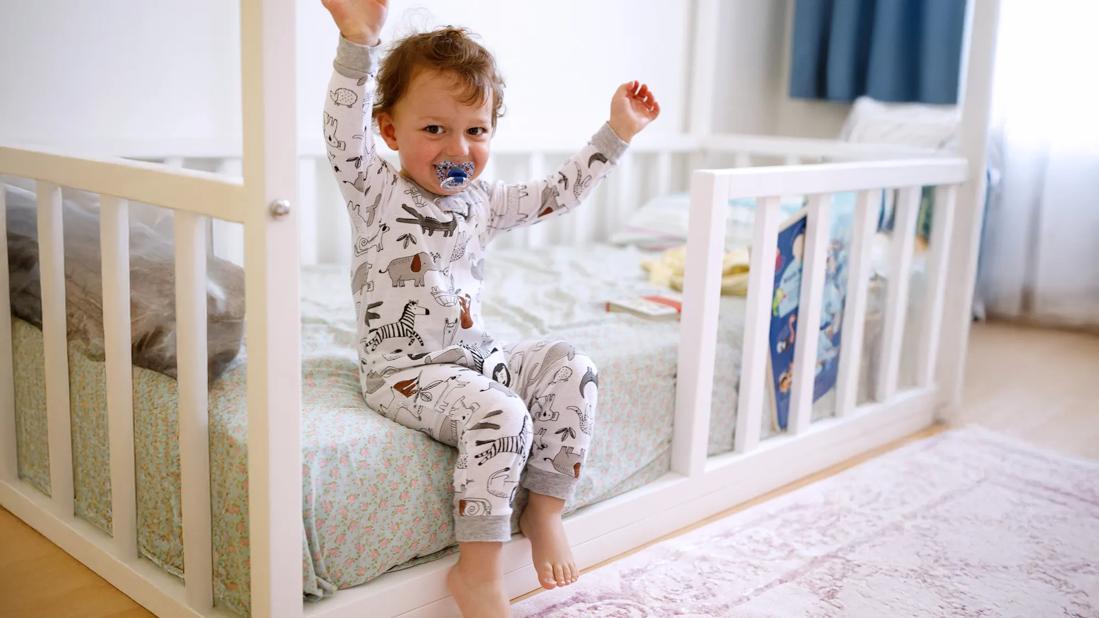
Credit: health.clevelandclinic.org
Frequently Asked Questions
When Is The Right Age To Switch To A Toddler Bed?
Most children transition between 18 months and 3 years old. Look for signs like climbing out of the crib or showing interest in a big kid bed.
How To Know If My Toddler Is Ready For A Bed?
If your toddler can follow simple instructions and feels comfortable sleeping alone, they may be ready. Also, watch for physical growth that makes the crib too small.
What Are The Benefits Of Moving To A Toddler Bed Early?
Early transition promotes independence and better sleep habits. It also reduces the risk of injury from climbing out of a crib.
Should I Wait If My Child Resists Leaving The Crib?
Yes, waiting is okay. Forcing the move can cause stress. Try again later when your child shows readiness or interest.
Conclusion
Choosing the right time to switch to a toddler bed matters. Most kids move between 18 months and 3 years old. Watch for signs like climbing out of the crib or asking for a bigger bed. Safety and comfort come first.
A smooth change helps your child feel secure. Each child grows at their own pace. Trust your instincts and be patient. A toddler bed can bring new excitement and independence. Enjoy this new stage in your child’s life.