Are you wondering how long your toddler should stay in their toddler bed? It’s a common question that many parents face as their little ones grow.
You want to make sure your child is comfortable and safe, but you also don’t want to rush the move to a bigger bed too soon. Understanding the right timing can make a big difference in your child’s sleep and your peace of mind.
Keep reading, and you’ll discover clear signs and helpful tips to know exactly when it’s time to say goodbye to the toddler bed.
When Toddlers Transition To Beds
Transitioning from a crib to a toddler bed is a big step for both toddlers and parents. It marks growing independence and new sleep habits. The right time to make this change depends on several factors. Understanding when toddlers are ready helps make the switch smooth and safe.
Signs Your Toddler Is Ready
Your toddler may start climbing out of the crib. This is a clear sign the crib is no longer safe. They might show interest in sleeping on a bigger bed. Some toddlers ask to sleep with blankets or pillows. Nighttime potty training can also signal readiness. Look for their ability to follow simple bedtime rules. These signs help decide the best time to move to a bed.
Age Range For Moving To A Bed
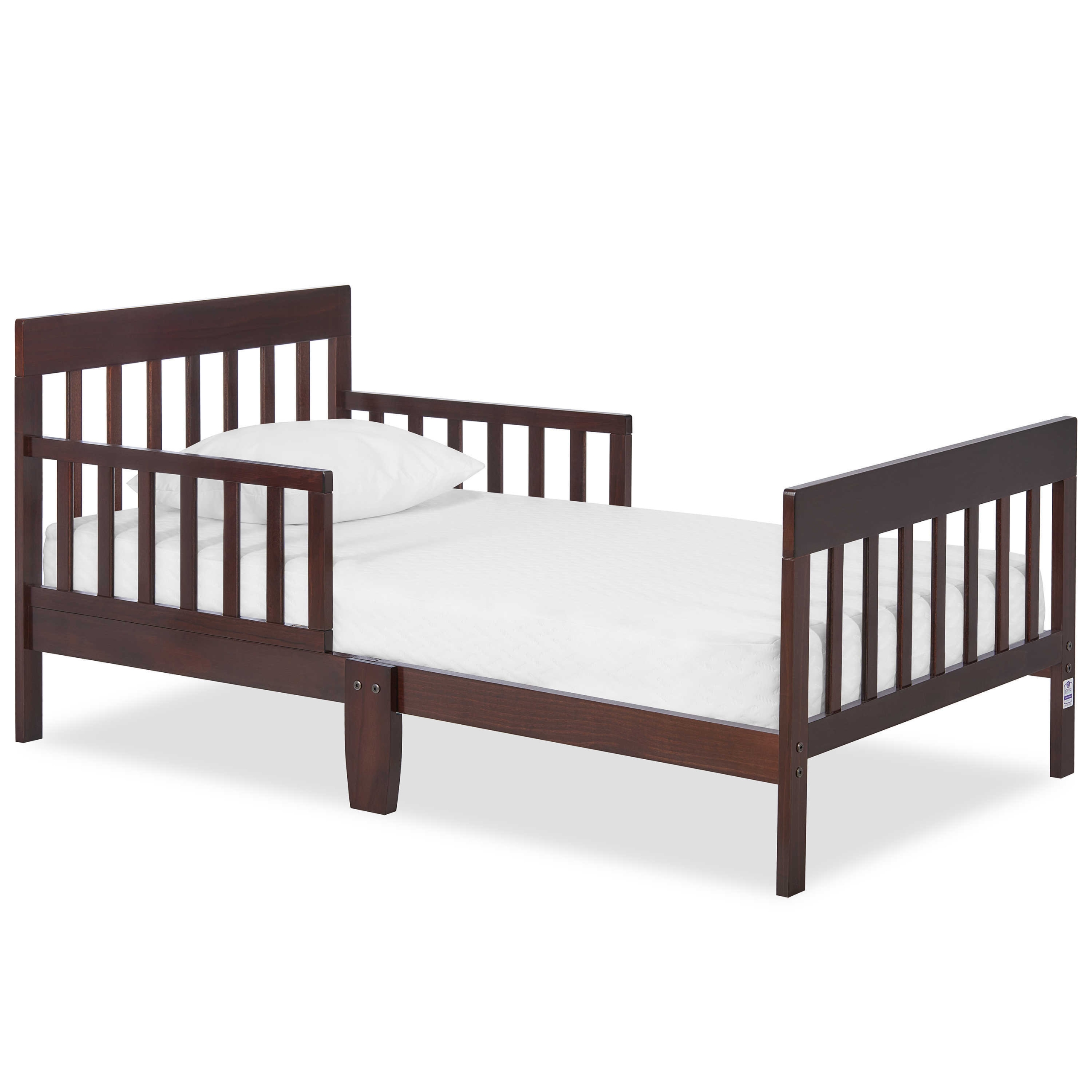
Most toddlers switch from cribs between 18 months and 3 years. Some children change earlier, some later. Every child grows at their own pace. Safety is the top priority when choosing the right time. A toddler bed fits well for kids under 5 years. Choosing a bed with guardrails helps prevent falls. Parents should watch for their child’s comfort and confidence during sleep. This range is a helpful guideline for many families.
Credit: dreamonme.com
Duration In A Toddler Bed
The time a toddler spends in a toddler bed varies widely. It depends on many things, including the child’s growth and behavior. Understanding the usual duration helps parents plan the next steps in their child’s sleep routine.
Parents often wonder how long their toddler should stay in this type of bed. The answer is not one-size-fits-all. Children grow and change at different rates.
Typical Length Of Use
Most toddlers use a toddler bed between 1 to 3 years. They usually move to a bigger bed around age 5. Some children switch earlier, while others stay longer. The toddler bed suits children who have outgrown their crib but are not ready for a regular bed.
Using a toddler bed helps children feel secure. It offers the right size and safety features. This period allows kids to adjust to sleeping independently.
Factors Influencing Bed Time
Several factors affect how long a toddler stays in their bed. Size and comfort play a big role. If a child grows quickly, they may need a bigger bed sooner.
Behavior matters too. Some toddlers sleep well in toddler beds. Others try to climb out or feel cramped. Safety concerns often push parents to upgrade earlier.
Family routines and space also impact the decision. Some homes have room for a longer transition, while others do not. Each child’s needs and family situation guide this choice.
Safety Considerations
Choosing the right bed for your toddler involves many safety factors. Ensuring a secure sleep space helps reduce risks and keeps your child comfortable. Safety matters most during this transition phase.
Preventing Falls And Injuries
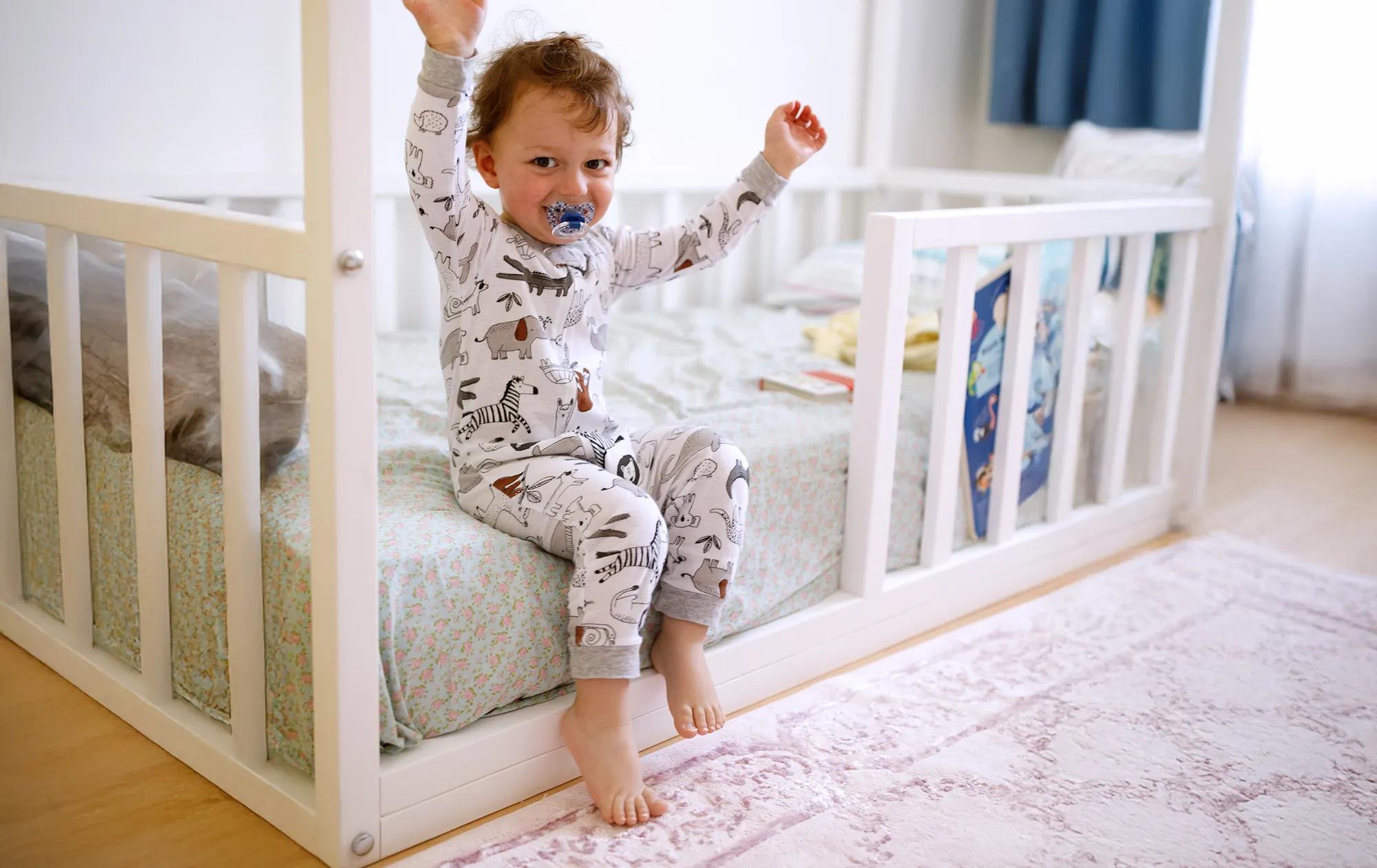
Falls are a common risk for toddlers in bed. Use guardrails to stop your child from rolling out. Place the bed close to the floor to lessen injury if a fall happens. Keep the area around the bed clear of hard or sharp objects. Teach your toddler to stay in bed during sleep time. These steps lower the chance of accidents at night.
Choosing The Right Bed Size
Select a bed that fits your toddler’s size well. Too big a bed can feel unsafe and cause falls. A bed too small may cause discomfort and restless sleep. Measure your child’s height and add some extra space for growth. A proper bed size supports better sleep and safety. It also helps your toddler feel secure and cozy.
Credit: health.clevelandclinic.org
Expert Tips For A Smooth Transition
Transitioning your toddler to a toddler bed can bring many questions. Experts share tips that help make this change easier for both child and parent. A calm approach helps your toddler feel safe and ready to sleep alone. Simple steps build confidence and comfort during this new stage.
Creating A Comfortable Sleep Space
Choose a quiet, cozy spot for your toddler’s bed. Soft bedding and familiar toys add warmth and security. Keep the room at a comfortable temperature. A night light can ease fear of the dark. Avoid bright or noisy distractions that might disturb sleep. A peaceful space invites restful nights and sweet dreams.
Establishing Consistent Bedtime Routines
Set a regular bedtime and stick to it every night. Simple rituals like reading a book or singing a lullaby calm your toddler. Consistency signals that it is time to sleep. Avoid screens or active play before bed. A steady routine helps your toddler relax and feel safe. This consistency supports better sleep and easier transitions.
Signs To Upgrade To A Twin Or Big Kid Bed
Choosing the right bed for your toddler is important. Knowing when to switch to a twin or big kid bed helps keep your child safe and comfortable. Some signs show your toddler is ready for a bigger bed. Watch for changes in size and behavior.
Physical Growth Indicators
Your toddler may outgrow the toddler bed if they look cramped. Legs sticking out or hitting the bed’s edges often means the bed is too small. If your child’s weight exceeds the bed’s limit, it’s time to upgrade. Check if your toddler climbs out easily. This might happen because the bed feels too small or uncomfortable.
Behavioral Clues
Watch how your child acts around bedtime. If they try to climb out often, they may want more freedom. Complaints about the bed being uncomfortable or too small are clear clues. Your toddler may also want to sleep with older siblings, showing readiness for a bigger bed. Interest in a “big kid” bed or new bedding can signal the right time to change.
Common Challenges And Solutions
Transitioning a toddler to a toddler bed brings new challenges for parents. These challenges can affect bedtime and sleep quality. Understanding common issues helps parents find practical solutions. This section covers two frequent problems and ways to handle them effectively.
Dealing With Nighttime Anxiety
Nighttime anxiety is common in toddlers moving to a new bed. They may feel scared of the dark or being alone. Comforting routines help ease their fears. Use a nightlight to make the room less scary. Reading a favorite book creates a calm mood. Stay close for a few minutes to offer reassurance. Consistency in bedtime rituals builds security over time.
Handling Bedtime Resistance
Toddlers often resist bedtime in their new beds. They might want to stay up or leave the bed. Clear rules and gentle firmness work best. Explain bedtime limits in simple words. Offer choices, like picking pajamas or a bedtime story. Praise your toddler when they stay in bed. Avoid long negotiations or giving in to demands. A calm and steady approach makes bedtime smoother.

Credit: www.whattoexpect.com
Frequently Asked Questions
How Long Do Toddlers Usually Stay In Toddler Beds?
Toddlers generally stay in toddler beds from ages 18 months to 5 years. This duration varies based on size and comfort. Many children switch to a regular bed around age 3 to 5 when they outgrow the toddler bed.
When Is The Right Time To Transition From Toddler Bed?
Transitioning is best when your child climbs out of the crib or feels cramped. Also, when they show readiness for a bigger bed, usually between 2 and 3 years old. Safety and comfort are key factors in deciding the timing.
Can Toddlers Stay In Toddler Beds Longer Safely?
Yes, toddlers can safely stay in toddler beds until about age 5. Ensure the bed remains comfortable and secure. Monitor your child’s growth and habits to decide if they need a larger bed sooner.
What Signs Show A Toddler Is Ready For A Bigger Bed?
Signs include climbing out of the toddler bed, frequent discomfort, or outgrowing the mattress. Increased independence and curiosity also indicate readiness. Responding to these signs helps ensure your toddler’s safety and comfort.
Conclusion
Every child grows at their own pace, so timing varies. Most toddlers use their toddler bed between ages two and five. Watch your child’s comfort and safety closely. When they start climbing out or feel cramped, it might be time to switch.
Keep routines consistent to help them adjust easily. A toddler bed helps independence while still feeling secure. Trust your instincts and your child’s needs first. This stage is just one step in their big journey. Patience and care make the transition smooth and positive.