Choosing the right size slats for your kid’s bunk bed is more important than you might think. The slats are the foundation that keeps the mattress secure and your child safe every night.
If the slats are too small or too far apart, they could cause discomfort or even accidents. But if they’re just right, your child will have a sturdy, cozy place to sleep and play. You’ll discover exactly what size slats you should use, why it matters, and how to make the best choice for your child’s bunk bed.
Keep reading to ensure your little one’s bed is both safe and comfortable.
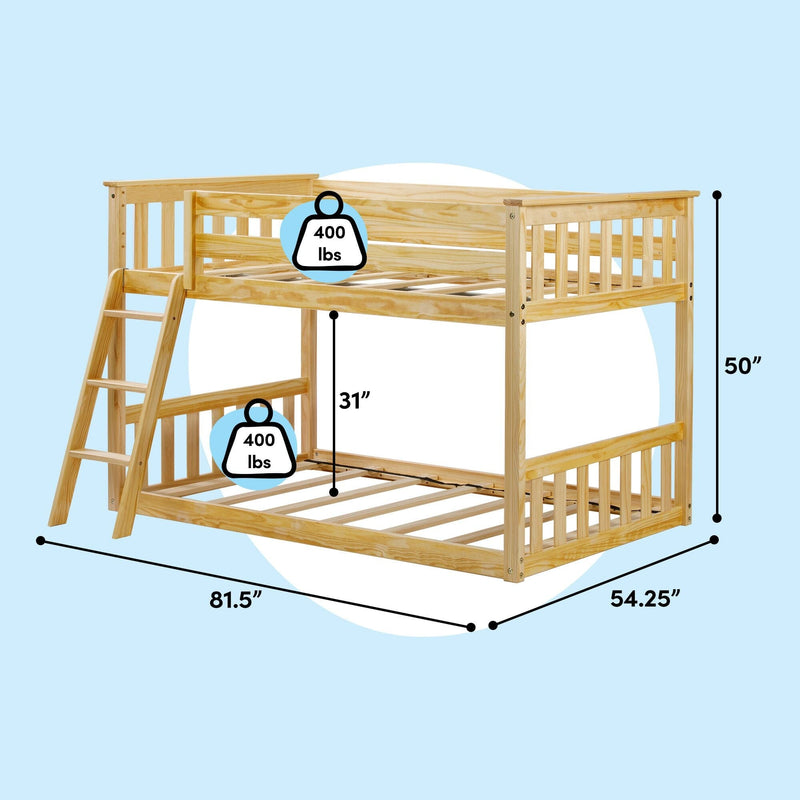
Credit: maxandlily.com
Choosing Slat Size
Choosing the right slat size for a kid’s bunk bed is important for safety and comfort. The slats hold the mattress and the child’s weight. Strong and well-sized slats prevent accidents and keep the bed stable. Understanding the standard sizes and what dimensions matter helps you pick the best slats.
Standard Slat Dimensions
Most bunk bed slats are between 2 and 4 inches wide. The thickness usually ranges from 0.5 to 1 inch. These sizes provide enough strength and support for kids. Using slats that are too thin or narrow can cause breakage. Choose slats that meet these common dimensions for safety.
Thickness And Width Factors
Thicker slats hold more weight and last longer. A minimum thickness of 0.75 inches is good for kid bunk beds. Width helps spread the mattress weight evenly. Wider slats reduce mattress sagging and increase comfort. Balance thickness and width to ensure strong support without excess weight.
Length Considerations
Slat length depends on the bed frame width. The slats should fit snugly but not be too tight. Measure the inside width of the bed frame before buying slats. Too short slats won’t support the mattress properly. Too long slats can cause fitting problems and damage the frame.
Material Options
Choosing the right material for kid bunk bed slats affects safety and comfort. The slats need to support weight well and last long. Different materials offer various benefits and look good in kids’ rooms. Understanding these options helps in making the best choice for your child’s bed.
Wood Types
Wood is a popular choice for bunk bed slats. Pine wood is light and affordable. It bends slightly but holds up well under weight. Oak wood is stronger and more durable. It costs more but lasts longer. Birch wood is smooth and sturdy. All wood types should be sanded to avoid splinters.
Metal Alternatives
Metal slats provide strong support and resist bending. Steel slats are common and very durable. They handle heavy weight without breaking. Aluminum slats are lighter but still strong. Metal slats often have coatings to prevent rust. They can give a modern look to bunk beds.
Durability And Safety
Durability is key for kid bunk bed slats. Choose materials that do not crack or break easily. Safety means no sharp edges or splinters. Wood slats should be thick enough, usually around 1 inch. Metal slats need smooth finishes and no rust. Always check that slats fit well and hold the mattress firmly.
Spacing Between Slats
Spacing between slats is a key factor in building a safe and comfortable kid’s bunk bed. It affects both the bed’s strength and the child’s safety. Choosing the right gap size helps keep the mattress stable and prevents accidents. Small spaces protect children from getting stuck, while wide gaps can cause mattress sagging.
Optimal Gap Size
Experts suggest slat gaps of about 2.5 to 3 inches. This size supports the mattress well and keeps it firm. It also stops small toys or fingers from slipping through. Avoid gaps larger than 3 inches to reduce risks. Smaller gaps increase support but may cost more wood.
Safety For Kids
Proper spacing protects children from injuries. Wide gaps can trap fingers or heads. Tight spaces prevent this danger. The slats should be close enough to avoid falls. Also, the gaps stop kids from climbing between slats, which can cause accidents.
Impact On Mattress Support
Slats hold the mattress and keep it flat. Large gaps cause the mattress to bend or sag. This reduces comfort and mattress life. Evenly spaced slats give balanced support. It helps maintain the mattress shape and improves sleep quality.
Weight Capacity And Support
Weight capacity and support are key to a safe kid bunk bed. The slats hold the mattress and the child’s weight. Strong slats prevent accidents and keep the bed sturdy. Choosing the right size slats ensures safety and comfort.
Load-bearing Requirements
Slats must carry the full weight of a child plus the mattress. Kids grow fast, so plan for more weight than now. Typically, slats should support at least 200 pounds. Use thicker slats for bigger kids or heavier mattresses. Wood like pine or oak offers strong support.
Reinforcement Techniques
Adding extra slats or a center support beam strengthens the bed. Space slats evenly to spread weight across the frame. Secure slats tightly with screws, not nails, to avoid movement. A metal frame or brackets can add more durability.
Preventing Sagging
Slats that are too thin or wide apart sag over time. Keep slats no more than 3 inches apart to avoid mattress dips. Use slats at least 1 inch thick for lasting strength. Regularly check slats for cracks or bending to keep the bed safe.
Installation Tips
Installing slats on a kid’s bunk bed needs care and the right steps. Proper installation keeps the bed strong and safe for children. Follow these tips to make the process simple and effective.
Proper Attachment Methods
Attach slats directly to the bed frame. Use screws for a firm hold. Avoid nails; they can loosen over time. Place screws at both ends of each slat. This stops movement and adds stability. Space slats evenly for good mattress support. Check that all slats lie flat without gaps.
Tools Needed
Gather these tools before starting. A drill with screwdriver bits speeds up the job. A tape measure helps to space slats correctly. Use a pencil to mark screw spots. A level ensures slats stay straight. Sandpaper smooths rough edges on slats.
Common Mistakes To Avoid
Do not skip measuring the slat spacing. Too wide gaps can harm mattress support. Avoid using too few slats; it weakens the bed. Do not over-tighten screws; wood can crack. Never ignore safety checks after installation. Loose slats or screws need immediate fixing.

Credit: us.amazon.com
Maintenance And Replacement
Maintaining the slats of a kid’s bunk bed ensures safety and comfort. Regular checks help catch problems early. Proper care extends the bed’s life and keeps children safe. Replacement is necessary if slats weaken or break.
Signs Of Wear
Look for cracks or splits in the slats. Warping or bending shows weakness. Loose slats cause unstable support. Creaking noises can signal damage. Check for missing screws or nails. These signs mean the slats need attention.
When To Replace Slats
Replace slats if they have deep cracks or splits. Bent or warped slats should be swapped out. If slats break under weight, replace immediately. Avoid using weak slats to prevent accidents. Timely replacement keeps the bunk bed safe.
Enhancing Longevity
Use sturdy wood slats of proper size for strength. Tighten screws regularly to avoid loosening. Keep the bed dry to prevent wood damage. Avoid jumping on the bed to reduce stress. Store the bed properly during long breaks to maintain quality.

Credit: www.lowes.com
Frequently Asked Questions
What Slat Width Is Best For Kid Bunk Beds?
A slat width of 2 to 3 inches is ideal for kid bunk beds. It provides strong mattress support and prevents sagging. Wider slats enhance durability while ensuring safety for children.
How Far Apart Should Bunk Bed Slats Be Spaced?
Slats should be spaced 2 to 3 inches apart for proper mattress support. This spacing prevents mattress sagging and increases safety by reducing gaps where children could get stuck.
What Thickness Should Bunk Bed Slats Have?
Bunk bed slats should be at least 0. 75 inches thick. This thickness offers enough strength to support a child’s weight safely without bending or breaking over time.
Can I Use Metal Slats For Kid Bunk Beds?
Yes, metal slats are durable and provide excellent support. Ensure they are rust-resistant and properly coated to avoid sharp edges and maintain child safety.
Conclusion
Choosing the right slat size keeps your kid’s bunk bed safe and strong. Narrow slats may break easily. Wide slats offer better support and comfort. Always check the bed’s weight limit and follow manufacturer advice. Proper slats help avoid accidents and improve sleep quality.
Remember, safety matters most in a child’s bed. Keep slats close together, about 2-3 inches apart. This spacing holds the mattress well and prevents sagging. Simple steps like these protect your child every night.