Choosing the right angle for your bunk bed ladder is more important than you might think. If the ladder is too steep, climbing up and down can feel unsafe and uncomfortable.
If it’s too shallow, it could take up too much space or become unstable. You want a ladder that feels just right—easy to use, secure, and fits perfectly in your room. You’ll discover the ideal angle for a bunk bed ladder that keeps safety and comfort in balance.
Keep reading to make sure your ladder is not just functional but also a smart and safe addition to your space.

Credit: www.wikihow.com
Ideal Ladder Angle
The ideal angle for a bunk bed ladder is important for safety and ease. A ladder that is too steep or too flat can cause accidents. The right angle helps keep the ladder steady and makes climbing easy. Choosing the best angle means thinking about how strong and comfortable the ladder feels.
Recommended Degree Range
The best ladder angle is usually between 60 and 75 degrees. This range balances safety and comfort. Less than 60 degrees can make the ladder too flat and unstable. More than 75 degrees makes climbing hard and risky. A good angle keeps the ladder firm against the bed frame.
Impact On Stability
A steeper ladder feels less stable and may wobble. A ladder with too low an angle can slide out from under. Proper angle keeps the ladder secure on the floor and bed. Stability helps prevent falls and gives confidence when climbing up or down.
Comfort For Climbing
A comfortable ladder angle allows easy steps up without strain. Too steep forces you to pull yourself up with more effort. Too flat means bending your knees a lot, which can be tiring. The right angle keeps each step safe and natural for all ages.
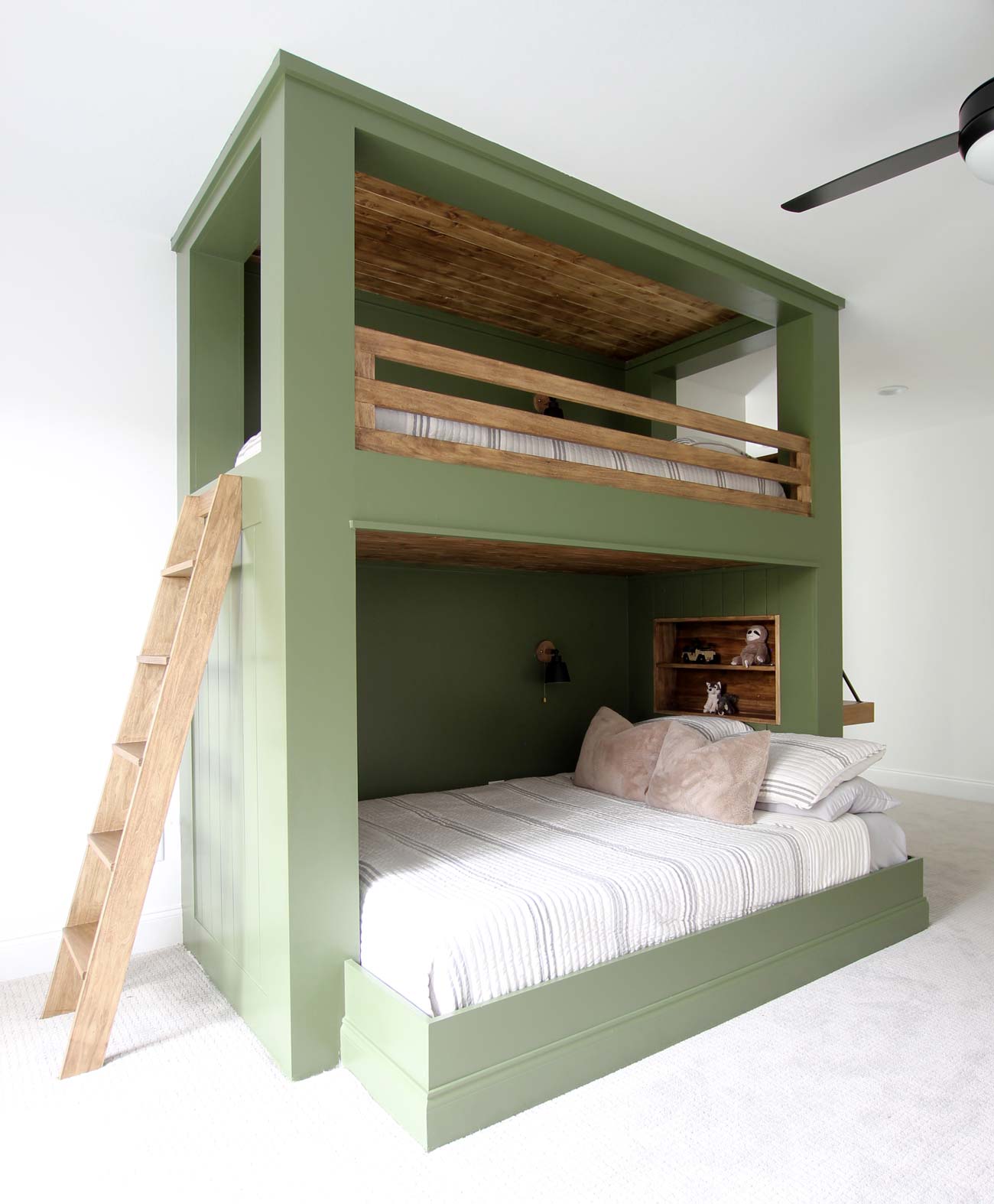
Credit: plankandpillow.com
Safety Considerations
Choosing the right angle for a bunk bed ladder is not just about comfort. Safety plays a big role. A ladder that is too steep or too flat can cause accidents. This section covers key safety points to keep in mind.
Preventing Slips And Falls
Slips and falls are common risks with bunk bed ladders. The angle should allow easy steps without slipping. A ladder set at about 60 degrees from the floor is usually safe. It provides good balance and a firm grip for feet. Avoid angles that are too steep, as they can be hard to climb. Also, keep the ladder dry and clean to reduce slipping.
Material And Grip Features
The ladder material affects safety a lot. Wood and metal are common choices, but they must be smooth and sturdy. Adding non-slip grips or textured surfaces helps prevent falls. Rubber padding on steps or handrails offers extra grip. Make sure grips cover all contact points. Check for sharp edges or splinters before use.
Weight Capacity Limits
Every bunk bed ladder has a weight limit. Staying within this limit is crucial for safety. Check the manufacturer’s guidelines before use. Using the ladder over its weight limit can cause damage or breakage. Always choose a ladder that supports more than the heaviest user’s weight. This keeps the ladder strong and secure over time.
Design Variations
The angle of a bunk bed ladder changes with its design. Different styles suit different needs. Choosing the right ladder angle helps with safety and comfort.
Design variations offer various ladder angles and shapes. Some are straight, some angled, and others customizable. Each type fits different spaces and users.
Straight Vs. Angled Ladders
Straight ladders go straight up to the bed. They save space and are easy to build. But they can feel steep and hard to climb.
Angled ladders lean away from the bed. This angle makes climbing safer and easier. They need more floor space but offer better balance.
Space-saving Options
Small rooms need ladders that do not take much space. Vertical straight ladders fit tight spaces well. Some fold or slide to save room when not in use.
Angled ladders need more floor area but often feel safer. Some designs use thin materials to reduce bulk and keep space open.
Customizable Angles
Some ladders allow angle adjustments for comfort and safety. Adjustable ladders fit different heights and bed designs. They suit different users, from kids to adults.
Custom angles help match room layout and personal needs. This flexibility improves both safety and ease of use.
Installation Tips
Installing a bunk bed ladder correctly ensures safety and comfort. A proper angle makes climbing easier and prevents accidents. Follow these simple installation tips for the best results.
Securing The Ladder
Attach the ladder firmly to the bunk bed frame. Use strong screws or bolts to avoid wobbling. Check that all fasteners are tight and stable. Place the ladder on a flat surface to prevent slipping. Secure both top and bottom ends of the ladder.
Angle Adjustment Techniques
Set the ladder angle between 60 and 75 degrees for safe climbing. Use adjustable brackets or hinges for flexible positioning. Test the ladder angle before finalizing the installation. A steeper angle feels harder, while a shallow angle takes more space. Adjust until climbing feels natural and secure.
Regular Maintenance Checks
Inspect the ladder often for loose screws or cracks. Tighten all bolts and replace damaged parts immediately. Clean the ladder to keep it free from dust and dirt. Check the ladder angle periodically to maintain safety. Regular care extends the ladder’s life and keeps users safe.
Common Mistakes To Avoid
Choosing the right angle for a bunk bed ladder is important. Mistakes can make the ladder unsafe or hard to use. Avoiding common errors helps keep the ladder steady and easy to climb.
Below are common mistakes to avoid when setting the ladder angle. These tips keep safety and comfort in mind.
Too Steep Or Too Shallow Angles
A ladder that is too steep feels like climbing a wall. It puts extra strain on the legs and arms. A too shallow angle makes the ladder long and unstable. Both angles increase the risk of slipping or falling. Aim for a middle ground angle, usually between 60 and 75 degrees, for safe climbing.
Ignoring Manufacturer Guidelines
Every bunk bed model has specific ladder instructions. These guidelines include the best angle and position. Ignoring them can cause poor fit or weak support. Always follow the manufacturer’s advice to avoid safety risks and damage to the bed or ladder.
Overloading The Ladder
Each ladder has a weight limit. Overloading it can cause the ladder to bend or break. Weight limits include the person climbing and any items carried. Check the maximum load and do not exceed it. This keeps the ladder strong and safe for use.

Credit: www.planetbunkbed.com
Frequently Asked Questions
What Is The Ideal Angle For A Bunk Bed Ladder?
The ideal angle for a bunk bed ladder is between 60 and 75 degrees. This range offers optimal safety and comfort while climbing. A steeper angle can make climbing difficult, while a shallower angle may reduce stability.
Why Is Ladder Angle Important For Bunk Bed Safety?
The ladder angle ensures stability and reduces slip risk. A proper angle prevents falls and makes climbing easier. It balances comfort with safety, making it critical for bunk bed ladders.
How To Measure The Angle Of A Bunk Bed Ladder?
Use a protractor or angle finder to measure the ladder angle. Place the tool where the ladder meets the floor and the bed frame. This helps confirm the ladder stays within the safe 60-75 degree range.
Can A Bunk Bed Ladder Be Too Steep?
Yes, a ladder steeper than 75 degrees can be unsafe. It increases slipping risk and makes climbing harder. Maintaining the correct angle enhances user safety and comfort.
Conclusion
Choosing the right angle for a bunk bed ladder is key for safety and comfort. A ladder angled around 60 to 75 degrees works best. Too steep makes climbing hard. Too flat takes up too much space. Keep the ladder secure and steady at all times.
This simple step helps prevent slips and falls. Remember, a good ladder angle makes the bunk bed easier and safer to use every day. Safety first, always.