Are you wondering when your little one is ready to move from a crib to a toddler bed? This transition is a big step for both you and your child.
Knowing the right age to make the switch can help keep your child safe and comfortable, while also making bedtime easier for everyone. You’ll discover clear signs to watch for and expert tips to make the change smooth and stress-free.
Keep reading to find out exactly when and how to make this important move with confidence.

Credit: sleepingchildsaneparent.com
When To Switch Beds
Deciding the right time to switch your child to a toddler bed is important. It helps keep your child safe and comfortable. Many parents wonder about the best age to make this change. Watching your child’s growth and behavior gives clues about the right moment. This section guides you through key points to notice before switching beds.
Typical Age Range
Most children move to a toddler bed between 18 months and 3 years old. Some may be ready earlier, while others take more time. The change depends on the child’s size and readiness. It is not about age alone but also about physical and emotional growth. Parents should observe their child’s needs and comfort level.
Developmental Milestones
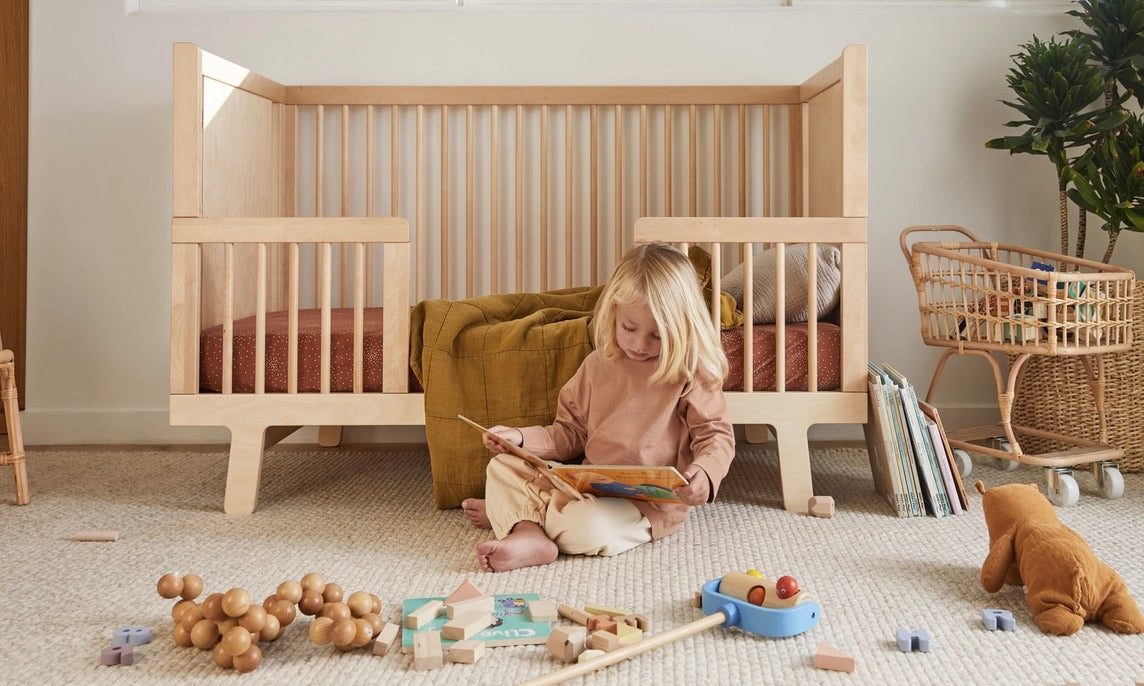
Look for signs your child is ready to switch beds. Can your child climb out of the crib? This is a key sign for safety reasons. Is your child showing interest in a bigger bed? Do they follow simple instructions? These signs show readiness for more space. Also, check if your child sleeps well and feels secure. Meeting these milestones helps make the transition smooth.
Credit: parachutehome.com
Signs Your Child Is Ready
Knowing when to move your child to a toddler bed can be tricky. Watching for clear signs helps you decide the right time. These signs show your child’s growth and readiness for a bigger bed.
Watch your child closely. Their actions can tell you when it’s time to switch. Safety and comfort should come first during this change.
Climbing Out Of Crib
One strong sign is climbing out of the crib. This can be dangerous and shows your child wants more freedom. If they try to climb out often, it’s safer to move them to a toddler bed.
Showing Interest In A Big Bed
Your child may talk about or want to sleep in a big bed. They might ask about it or watch others sleep in one. This interest shows they feel ready for a new sleeping space.
Improved Motor Skills
Better motor skills help your child get in and out of bed safely. They can climb up and down without help. This skill is important before using a toddler bed to avoid falls.
Safety Considerations
Safety is very important when moving your child to a toddler bed. Toddlers are curious and active. Their new bed and room must be safe to prevent accidents. Careful planning helps keep your child secure and comfortable during this change.
Choosing The Right Bed
Pick a bed designed for toddlers. It should be low to the ground. This reduces the risk of falls. Make sure the bed is sturdy and stable. Avoid beds with sharp edges or loose parts. A well-built bed gives your child a safe place to sleep.
Childproofing The Room
Remove all small objects that could cause choking. Cover electrical outlets with safety plugs. Secure heavy furniture to the wall to stop tipping. Keep cords from blinds out of reach. A childproof room helps prevent common injuries and keeps your toddler safe.
Using Bed Rails
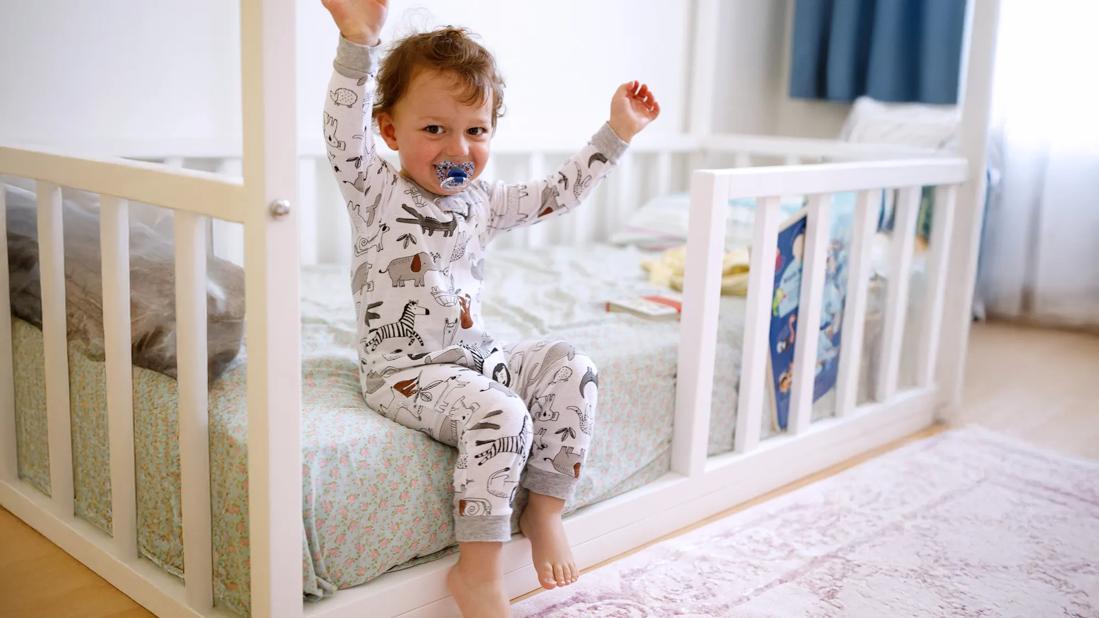
Bed rails help stop your child from rolling out of bed. Choose rails that fit the mattress tightly. Check for gaps where the child could get stuck. Make sure the rails are easy for parents to use but hard for toddlers to open. Bed rails add an extra layer of safety during sleep.
Credit: health.clevelandclinic.org
Making The Transition Smooth
Making the move to a toddler bed can be a big change for your child. It may cause some worry or excitement. A smooth transition helps your child feel safe and happy in their new bed. Small steps and care make this change easier.
Involving Your Child
Let your child join the decision to switch beds. Show them the new bed and talk about it. Ask what they like about it. This makes them feel important and less scared.
Let your child help choose bedding or a stuffed toy. This gives them control and excitement. It also builds a positive feeling about bedtime.
Establishing A Bedtime Routine
Keep a regular bedtime routine before and after the change. This helps your child know what to expect. A warm bath, storytime, and quiet songs work well.
Stick to the same sleep time each night. A clear routine helps your child relax and feel safe. It also helps their body get ready for sleep.
Using Comfort Items
Comfort items like a favorite blanket or stuffed animal help ease the transition. These items give a sense of security and familiarity.
Let your child keep these comfort items in bed. They can hold or cuddle them to feel calm. This helps reduce fear and makes bedtime more pleasant.
Common Challenges
Moving from a crib to a toddler bed is a big step for little ones. This change often brings some common challenges. Parents need to prepare for these issues to help their child adjust smoothly.
Resistance To Change
Many toddlers resist leaving their familiar crib. They feel safe and cozy there. A new bed can feel strange and scary. Toddlers may cry or refuse to sleep in the new bed. Patience and gentle encouragement work best here.
Nighttime Fears
Nighttime fears often increase during this transition. The open space of a toddler bed can make children feel alone. Shadows and sounds may seem bigger and scarier. A nightlight or favorite toy can provide comfort and ease fears.
Sleep Regression
Sleep regression may happen after the bed change. Toddlers might wake up more often or have trouble falling asleep. This phase can last a few weeks. Keeping a consistent bedtime routine helps toddlers feel secure and sleep better.
Expert Tips For Parents
Moving your child to a toddler bed is a big step. It can bring many changes to their sleep and daily routine. Parents often ask about the best ways to make this transition smooth and stress-free. Experts share helpful tips to guide you through this important phase.
Timing The Move
Choose the right moment to switch to a toddler bed. Most children are ready between 18 months and 3 years. Watch for signs like climbing out of the crib or showing interest in a big bed. Avoid moving during big changes like potty training or a new sibling’s arrival. A calm period helps your child adjust better.
Patience And Consistency
Patience is key during this transition. Your child may resist or feel unsure. Stay calm and gentle. Keep a regular bedtime routine to provide comfort. Consistency helps your child feel safe and understand what to expect. Repeat the bedtime steps every night without change.
Reward Systems
Simple reward systems encourage positive behavior. Praise your child for staying in bed all night. Use small rewards like stickers or extra storytime. Rewards make the toddler feel proud and motivated. Celebrate successes to build confidence in sleeping alone.
Frequently Asked Questions
At What Age Do Toddlers Usually Transition Beds?
Most toddlers move to a toddler bed between 18 months and 3 years. This depends on their physical development and readiness. Parents should watch for signs like climbing out of the crib or needing more space.
How To Know If My Child Is Ready For Toddler Bed?
Look for signs like climbing out of the crib or expressing interest in a big bed. Increased mobility and ability to follow safety rules also indicate readiness for a toddler bed transition.
What Are Safety Tips For Toddler Bed Transition?
Use guardrails to prevent falls and place the bed low to the floor. Remove sharp objects nearby and ensure the room is childproofed for a safe sleeping environment.
Should I Keep Using A Crib Mattress For Toddler Bed?
Yes, you can usually keep using the crib mattress as it fits toddler beds. It provides familiarity and comfort, helping your child adjust smoothly to the new bed.
Conclusion
Choosing the right time to switch to a toddler bed matters. Most kids move between 18 months and 3 years old. Watch your child’s size and behavior for clues. Safety and comfort come first in this change. Every child is different, so trust your instincts.
A smooth transition helps your little one sleep well. Keep the bedtime routine steady and calm. This change marks a new step in growing up. Enjoy watching your child gain independence and confidence.