Moving your toddler from a crib to a toddler bed is a big step—and it can feel overwhelming. You might worry about bedtime battles, early wake-ups, or your little one refusing to stay in bed.
But with the right sleep training approach, you can make this transition smooth and stress-free for both you and your child. Imagine peaceful nights where your toddler falls asleep easily and stays in bed until morning. Ready to discover simple, effective tips that actually work?
Keep reading to learn how to sleep train your toddler in their new bed and transform your bedtime routine for good.
Credit: health.clevelandclinic.org
Choosing The Right Toddler Bed
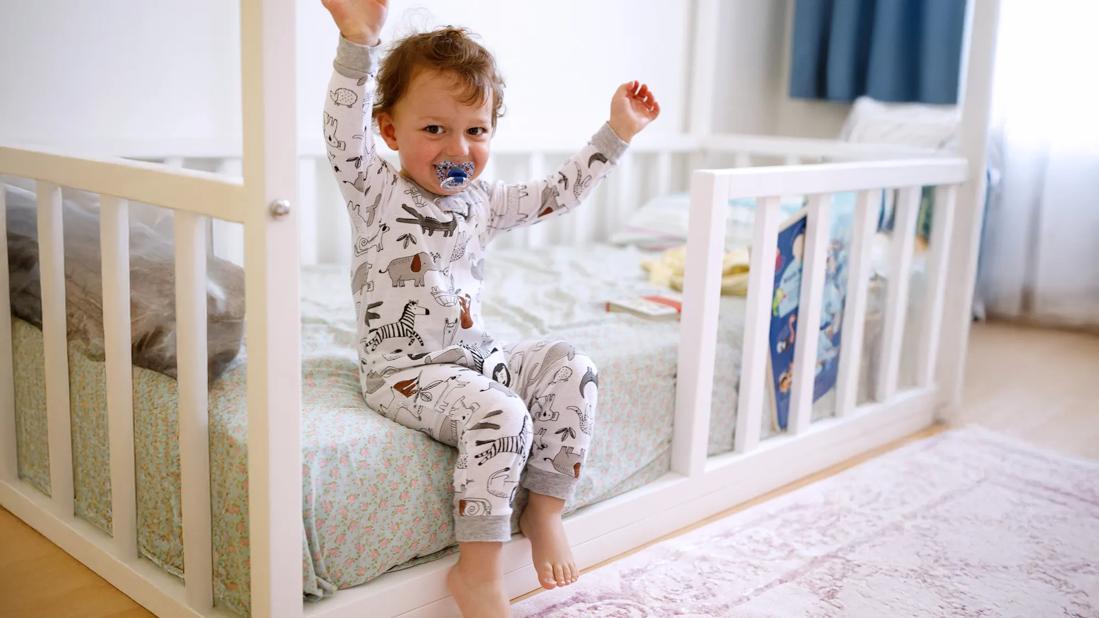
Choosing the right toddler bed is an important step in sleep training your child. The bed should feel safe and cozy. It should also fit your child’s needs and your space. Picking the right bed helps your toddler adjust smoothly from the crib. This choice supports better sleep habits and independence.
Safety Features To Look For
Safety is the top priority. Check for sturdy guardrails to prevent falls. The bed should be low to the ground to reduce injury risk. Look for non-toxic finishes and materials. Avoid beds with sharp edges or loose parts. Confirm the bed meets safety standards for toddler furniture.
Comfort And Size Considerations
Comfort keeps your toddler happy at bedtime. Choose a bed with a comfortable mattress that fits well. A mattress that is too soft or too firm may cause discomfort. The size should be just right, not too big or too small. Enough space for movement, but still cozy and secure.
Transition From Crib To Bed
Think about how your toddler moves from crib to bed. A bed close in size to the crib helps ease the change. Familiar bedding and toys can make the new bed feel safe. Let your toddler explore the bed during the day. Create a bedtime routine to support this transition.
Preparing Your Toddler
Preparing your toddler for a new bed is a big step. Toddlers feel safe with routines and clear rules. Helping them adjust makes bedtime easier for everyone. Start by making the new bed a fun and exciting place. Be patient and gentle during this change.
Introducing The New Bed
Show the bed to your toddler during the day. Let them touch and explore it freely. Use simple words like “This is your new bed.” Make it a positive moment. Put their favorite blanket or toy on the bed. This helps your toddler feel comfortable and safe.
Setting Expectations
Talk about what will happen at bedtime. Use short and clear sentences. Explain that the new bed is where they will sleep. Tell them you will stay nearby until they fall asleep. Be calm and consistent with your message. This helps your toddler understand the new rules.
Creating A Bedtime Routine
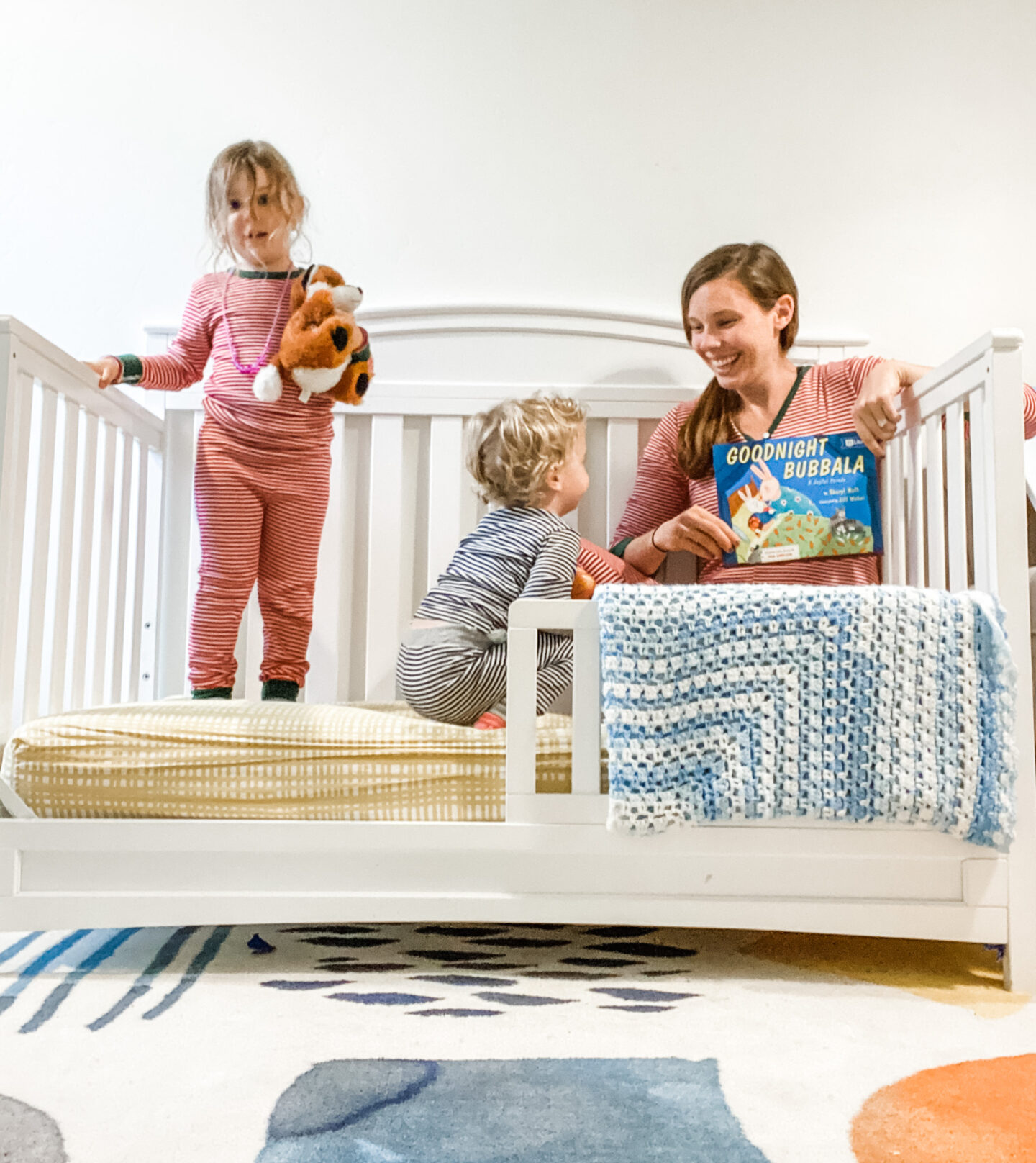
Make a simple routine before bed every night. Include activities like brushing teeth and reading a story. Keep the routine calm and relaxing. Follow the same order each night. This signals to your toddler that it is time to sleep. A steady routine helps toddlers feel secure and ready for bed.
Effective Sleep Training Methods
Effective sleep training methods help toddlers adjust smoothly to their new beds. These methods create a calm bedtime routine. They reduce stress for both toddlers and parents. Choosing the right method depends on your child’s temperament and your family’s needs. Patience and consistency are key to success.
Gradual Withdrawal Technique
This method involves slowly reducing your presence at bedtime. Start by sitting next to your toddler’s bed. Each night, move a little farther away. This helps your child feel safe while learning independence. It takes time but builds trust and comfort. Avoid rushing to speed up the process.
Controlled Crying Approach
Controlled crying lets toddlers learn to self-soothe with short crying periods. Put your child to bed awake and leave the room. Check in at set intervals, like every five minutes. Comfort them with brief reassurance but avoid picking them up. This teaches toddlers to fall asleep alone. Stay calm and consistent during this method.
Positive Reinforcement Strategies
Use rewards to encourage good sleep habits. Praise your toddler for staying in bed all night. Small treats or stickers can motivate them. Create a reward chart to track progress. Positive reinforcement builds confidence and makes bedtime fun. Keep rewards simple and age-appropriate for best results.
Credit: thepaperdart.com
Handling Common Challenges
Sleep training a toddler in a new bed brings many challenges. Parents often face issues that test patience and consistency. Handling these challenges well helps your toddler feel safe and learn good sleep habits. This section covers common problems and practical solutions.
Dealing With Night Wakings
Toddlers often wake up at night after moving to a new bed. They may feel unsure or want company. Stay calm and quiet when you check on them. Keep the room dark and use a soft voice. Avoid picking them up unless necessary. Gently guide them back to bed and reassure them. Over time, night wakings will reduce as they get used to the bed.
Managing Toddler Anxiety
Moving to a toddler bed can cause anxiety for some children. They may fear falling or being alone. Create a bedtime routine that feels safe and comforting. Use a favorite toy or blanket for security. Spend a few minutes sitting with your child before sleep. Speak softly and offer hugs. These small steps ease anxiety and build trust.
Consistent Boundaries And Limits
Setting clear rules helps toddlers understand expectations at bedtime. Decide on limits like staying in bed and quiet time. Use simple language to explain these rules every night. Be firm but kind when enforcing boundaries. Consistency helps toddlers feel secure and know what to expect. Avoid giving in to repeated requests to leave the bed.
Creating A Sleep-friendly Environment
Creating a sleep-friendly environment helps your toddler feel safe and relaxed. A calm room supports good sleep habits. Toddlers sleep better in a space made for rest. The right setup encourages them to stay in bed.
Optimal Room Setup
Choose a quiet, cool room for your toddler’s bed. Keep the room temperature between 65 and 70 degrees Fahrenheit. Remove toys and distractions near the bed. Use a firm mattress with soft bedding. Arrange the furniture to make the space cozy but simple. Clear the floor to avoid trips or falls. A tidy room feels peaceful and inviting.
Lighting And Noise Control
Dim the lights before bedtime to signal sleep time. Use blackout curtains to block outside light. A soft nightlight helps if your toddler fears the dark. Keep noise levels low; use a white noise machine if needed. Avoid loud sounds that might startle or wake your child. Consistent quietness helps toddlers fall asleep faster.
Comfort Items And Sleep Aids
Introduce a favorite blanket or stuffed animal for comfort. These items provide security and calm your toddler. Consider a gentle sleep aid like a lavender-scented pillowcase. Avoid screens or toys that stimulate activity. Comfort items create a bedtime routine your toddler will love. They make the bed feel like a safe space.
Tracking Progress And Adjusting
Tracking progress and adjusting your approach is key to successful toddler bed sleep training. Every child is different. Watching how your toddler responds helps you make smart changes. This keeps the routine effective and reduces stress for both you and your toddler.
Monitoring Sleep Patterns
Keep a simple sleep diary. Note the time your toddler goes to bed and wakes up. Record any night wakings or trouble falling asleep. This helps spot patterns or issues. Look for signs of improvement or setbacks. Regular monitoring shows what works best.
Adapting Techniques As Needed
Change your methods based on your toddler’s reactions. Try gentler approaches if your child feels scared. Add a favorite toy or night light for comfort. If your toddler resists bedtime, adjust timing or routines. Stay flexible and patient during this phase.
When To Seek Professional Help
Consult a pediatrician if sleep problems persist beyond a few weeks. Seek advice if your toddler has frequent night waking or trouble sleeping. Professionals can check for underlying issues like sleep disorders. Early help leads to better sleep for your child.

Credit: parksidepediatrics.com
Frequently Asked Questions
How To Start Sleep Training A Toddler In A Toddler Bed?
Begin by establishing a consistent bedtime routine. Introduce the toddler bed gradually. Use positive reinforcement and stay patient during the transition. Ensure the room is safe and comfortable to encourage restful sleep.
What Are Effective Toddler Bed Sleep Training Techniques?
Use gentle methods like the “chair method” or gradual withdrawal. Offer comfort objects and praise. Avoid harsh punishments. Consistency and patience help toddlers feel secure and adjust to the new bed.
How Long Does Toddler Sleep Training Usually Take?
Sleep training duration varies but often takes 1 to 3 weeks. Consistency and routine speed up progress. Some toddlers adjust faster, while others need more time to feel secure.
How To Handle Toddler Bedtime Resistance In Toddler Bed?
Stay calm and consistent. Use a firm but gentle tone. Offer choices to give the toddler control. Reinforce the benefits of the new bed and reward positive behavior.
Conclusion
Sleep training your toddler in a new bed takes time and patience. Consistency helps your child feel safe and learn new habits. Keep a calm bedtime routine and be gentle but firm. Small steps lead to big progress. Celebrate little wins and stay positive.
Soon, your toddler will enjoy better sleep and feel proud. Trust the process, and your efforts will pay off. Sweet dreams start with a good plan and love.