If you have a bunk bed at home, you know how important it is to keep it safe—especially the ladder. A wobbly or slippery ladder can lead to scary falls and injuries.
But don’t worry, making your bunk bed ladder safe doesn’t have to be complicated or expensive. You’ll discover simple, effective steps you can take right now to protect your loved ones every time they climb up or down. Keep reading to learn how to turn your ladder into a secure, worry-free way to reach the top bunk.

Credit: www.amazon.com
Choosing The Right Ladder
Choosing the right ladder for a bunk bed is important for safety. The ladder must be strong, stable, and easy to use. Picking the right one helps prevent falls and injuries. Consider the material, size, and weight limit before buying or building a ladder.
These factors help make sure the ladder fits well and supports the person using it. A safe ladder gives peace of mind to parents and kids alike.
Material Options
Wood and metal are common ladder materials. Wood feels warm and looks nice in bedrooms. It must be smooth and strong to avoid splinters. Metal ladders are very sturdy and last longer. They often have a non-slip finish for safety. Plastic ladders are light but less strong. Choose a material that fits your room and is safe to use.
Height And Width Considerations
The ladder height must match the bunk bed’s height exactly. Too tall or too short makes climbing hard and unsafe. The width should be wide enough to stand comfortably. Narrow ladders can cause balance problems. Make sure the ladder steps are evenly spaced. This helps users climb up and down easily.
Weight Capacity
Check the ladder’s weight limit before buying. It must hold the heaviest person who will use it. A strong ladder supports safety and prevents accidents. Look for ladders with a higher weight capacity than needed. This adds an extra margin of safety. Avoid ladders that feel weak or shaky.
Secure Installation
Secure installation is key for a safe bunk bed ladder. A ladder that is not firmly attached can cause falls and injuries. Taking time to install the ladder correctly helps keep everyone safe. Focus on strong attachment, steady balance, and extra safety supports.
Follow simple steps to make sure the ladder stays in place and supports weight well. This section covers essential tips for secure ladder installation.
Proper Attachment Methods
Attach the ladder using strong screws or bolts. Avoid nails or weak fasteners that can loosen over time. Use a drill to make pilot holes before screwing in. This prevents wood from splitting. Check that the screws go deep into the bed frame for a firm hold. Tighten all fasteners firmly but do not over-tighten to avoid damage.
Checking Stability
After attaching, test the ladder for movement. Shake it gently from side to side and up and down. It should not wobble or shift. If it moves, tighten the fasteners or add more support points. Have someone hold the ladder while testing weight by climbing slowly. Stop using the ladder until it feels solid and secure.
Using Safety Brackets
Safety brackets add extra support to the ladder. Attach brackets at the top and middle sections for balance. Use metal brackets designed for furniture or ladders. Screw them tightly into both the ladder and the bed frame. Brackets prevent the ladder from sliding or tipping during use. Check brackets regularly for rust or looseness and replace if needed.
Non-slip Features
Non-slip features make bunk bed ladders safer. They help prevent slips and falls. Adding these features gives extra grip and stability. Kids climb up and down more securely. Safety is the top priority for any ladder.
Adding Grip Tape
Grip tape sticks on ladder steps easily. It creates a rough surface to stop slipping. Cut the tape to fit each step size. Press firmly to avoid peeling off. Choose grip tape made for outdoor use. It lasts longer and handles moisture well.
Using Rubber Feet
Rubber feet go on ladder legs. They stop the ladder from sliding on floors. Rubber grips many surfaces like wood and tile. Attach rubber feet with screws or adhesive. Check them often for wear and replace if needed. Rubber feet make the ladder steady and safe.
Textured Steps
Textured steps have grooves or patterns on them. They improve grip without extra materials. Sand the wood lightly to add texture. Use a saw to create small ridges. Test the steps to ensure they are not sharp. Textured steps give a natural, safe hold for feet.
Credit: boori.co.uk
Regular Maintenance
Regular maintenance keeps a bunk bed ladder safe for daily use. It prevents accidents and extends the ladder’s life. Small checks and fixes make a big difference. A well-maintained ladder supports safe climbing every time.
Inspecting For Wear And Tear
Look closely at the ladder for cracks or splinters. Check the steps and side rails carefully. Pay attention to areas that hold weight. Early signs of damage can be fixed before they cause harm. Regular checks catch problems early and keep the ladder strong.
Tightening Loose Screws
Loose screws weaken the ladder’s stability. Use a screwdriver to tighten all screws often. Focus on screws that hold steps and rails. Tight screws stop the ladder from wobbling. Secure screws keep the ladder safe and steady.
Replacing Damaged Parts
Replace any broken or worn-out parts right away. Damaged steps or rails can cause falls. Use parts that fit well and match the ladder. Proper replacements restore strength and safety. Do not use the ladder until all parts are fixed.
Safe Usage Practices
Safe usage practices help keep everyone secure while using a bunk bed ladder. Proper habits reduce the risk of falls and injuries. Teaching these habits early is important for children and adults alike.
Climbing Techniques
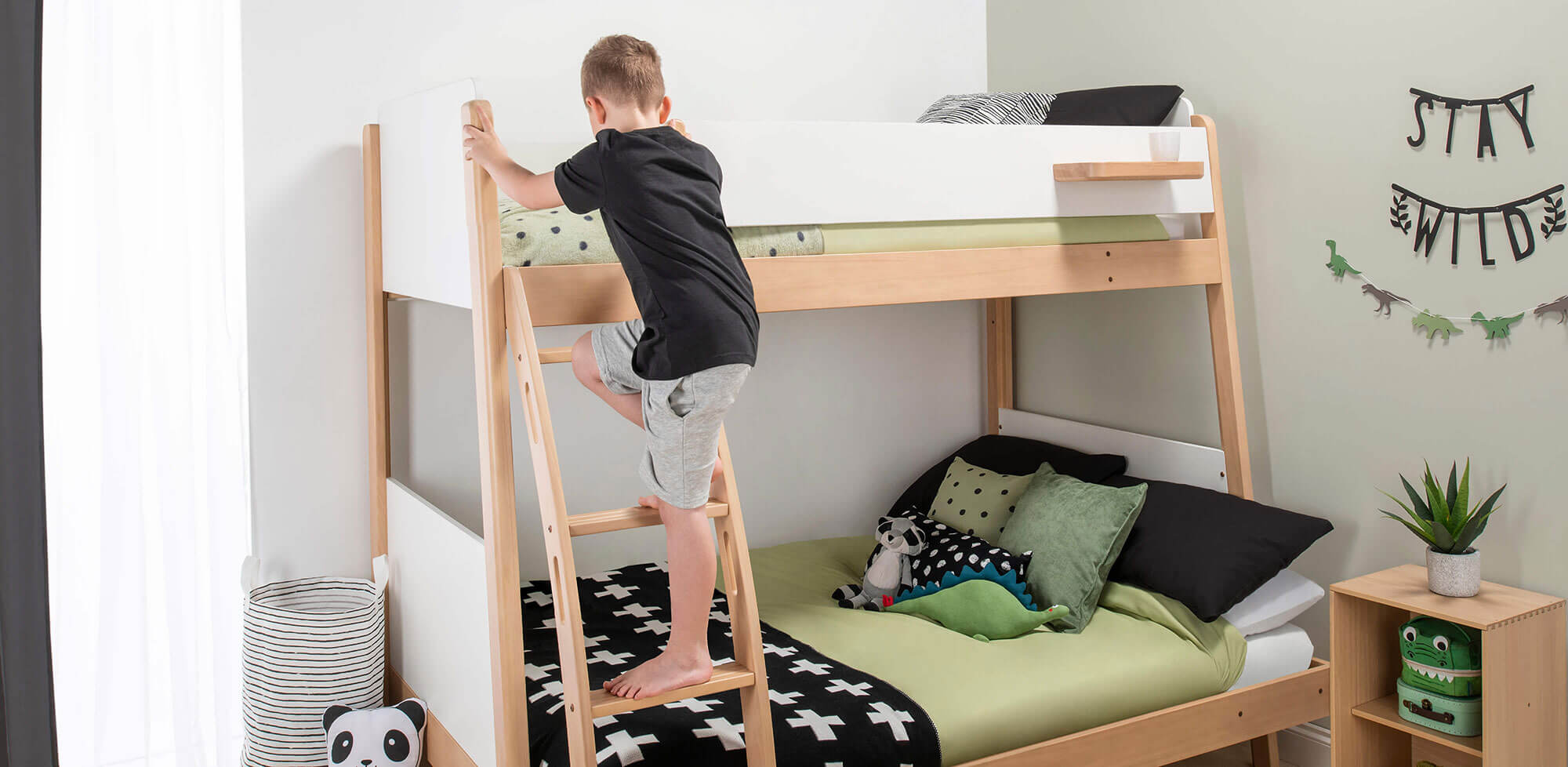
Always face the ladder when climbing up or down. Use both hands to hold the rails firmly. Take one step at a time and move slowly. Avoid jumping or rushing on the ladder. Keep feet centered on each step for balance.
Supervising Children
Watch young children closely when they use the ladder. Explain the rules clearly before they climb. Make sure they understand not to play or swing on the ladder. Help them climb if they seem unsure or unsteady. Supervision lowers the chance of accidents.
Avoiding Overloading
Check the ladder’s weight limit before use. Only one person should use the ladder at a time. Avoid carrying heavy or bulky items while climbing. Overloading can cause the ladder to break or slip. Follow the ladder’s guidelines for safe use.

Credit: www.amazon.com
Additional Safety Enhancements
Making a bunk bed ladder safe involves more than just basic construction. Extra safety features help prevent slips and falls. These additions create a secure climbing experience for children and adults alike.
Installing Handrails
Handrails offer something to hold onto while climbing. They improve balance and reduce the chance of falling. Choose sturdy materials like wood or metal. Make sure the handrails are easy to grip and placed at a comfortable height.
Adding Padding Around Ladder
Padding softens any bumps or falls near the ladder. Use foam or rubber padding on the sides and edges. This prevents injuries from accidental hits. Secure the padding tightly to avoid slipping or moving.
Lighting For Visibility
Good lighting helps see each step clearly. Install small LED lights along the ladder or nearby wall. Motion-activated lights work well for nighttime use. Bright paths make climbing safer and easier in the dark.
Frequently Asked Questions
How Do I Secure A Bunk Bed Ladder Safely?
To secure a bunk bed ladder, attach it firmly to the bed frame using bolts or brackets. Ensure no wobbling occurs. Regularly check fasteners to maintain stability and prevent accidents.
What Materials Make A Bunk Bed Ladder Safe?
Use sturdy, non-toxic materials like solid wood or metal for the ladder. Choose slip-resistant steps and smooth finishes to avoid splinters or falls.
How Can I Prevent Slipping On A Bunk Bed Ladder?
Install anti-slip treads or grip tape on each step. Keep the ladder clean and dry to maintain traction and ensure safe climbing.
Is It Safe To Use A Removable Bunk Bed Ladder?
Removable ladders can be safe if securely locked when in use. Always ensure they cannot move or detach accidentally during climbing.
Conclusion
Making a bunk bed ladder safe takes care and attention. Use strong materials and check all screws tightly. Add non-slip grips to keep feet steady. Keep the ladder clean and free from clutter. Teach kids to climb slowly and hold the rails.
Safety is not just about rules; it is about habits. A safe ladder means less worry for everyone. Small steps make a big difference in preventing falls. Stay alert and fix problems right away. Safety at home always comes first.