Are you wondering when the right time is to switch your little one to a toddler bed? You’re not alone.
This transition can feel tricky, and you want to make sure your child is ready and comfortable. Getting the timing right can help your child sleep better and feel more secure. Keep reading to discover the signs to watch for and expert tips to make this big change smooth for both you and your toddler.
Your child’s comfort and safety come first, and we’ll help you find the perfect moment to make the move.

Credit: www.doityourselfdivas.com
Signs Your Child Is Ready
Knowing when to move your child to a toddler bed can feel tricky. Watching for clear signs helps you choose the right time. These signs show your child is ready for this big step. They cover physical growth, sleep habits, and behavior changes. Understanding these clues makes the transition smooth and safe.
Physical Milestones
Your child should be able to climb in and out of bed safely. They need enough balance and strength to sit up and stand. Look for steady walking and climbing skills. These show your child can handle the new bed’s height. Also, check if they can get up without help during the night.
Sleep Patterns
Watch if your child stays in bed all night. Frequent waking and climbing out may mean they are ready. If naps become shorter or stop, this might also signal readiness. Consistent bedtime routines help your child adjust better. Notice if your child seems uncomfortable in their crib.
Behavioral Cues
Does your child show curiosity about a big bed? They might ask to sleep outside the crib. Signs of frustration or fear in the crib can also point to readiness. Your child may want more independence at bedtime. Pay attention to their mood and reactions around sleep.
Ideal Age Range
Most children move to a toddler bed between 18 months and 3 years old. This change depends on the child’s size and readiness. Parents should watch for signs like climbing out of the crib or needing more space.
Typical Toddler Ages
Most children move to a toddler bed between 18 months and 3 years old.
Many parents start this change around the 2-year mark.
At this age, toddlers grow quickly and need more space to sleep.
They also begin to show signs of wanting more independence.
Variations By Child
Every child develops at their own pace.
Some toddlers may be ready earlier, while others need more time.
Factors like height, weight, and mobility affect readiness.
Watch for signs like climbing out of the crib or asking for a big bed.
Choose the right time based on your child’s comfort and safety.
Choosing The Right Bed
Choosing the right bed for your toddler is an important step. It affects their sleep quality and safety. Toddlers need a bed that fits their size and keeps them secure. The right bed helps them feel comfortable and confident during bedtime. Consider safety, size, and bed type before making a choice.
Safety Features
Safety is the top priority in a toddler bed. Look for beds with guardrails to prevent falls. Rounded edges reduce the risk of injuries. Check for sturdy construction and non-toxic materials. The bed should not have small parts that can come loose. A low height bed helps toddlers climb in and out safely.
Size And Comfort
The bed should fit your toddler’s size perfectly. Too big or too small beds can cause discomfort. Measure your child’s height before buying a bed. A mattress that fits snugly avoids gaps where children can get stuck. Soft mattresses with good support help toddlers sleep better. Comfort encourages a positive bedtime routine.
Types Of Toddler Beds
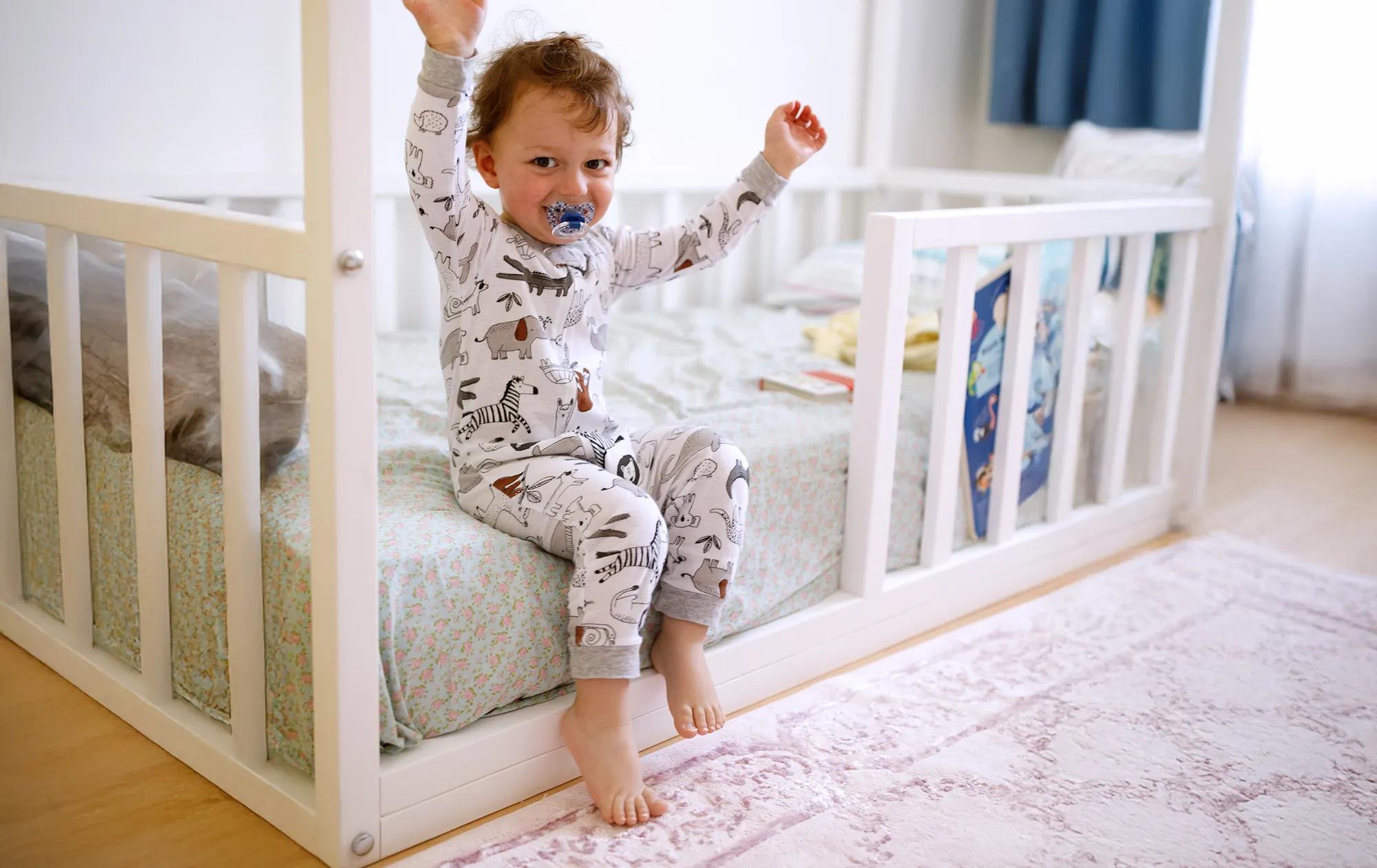
Toddler beds come in several types. The classic toddler bed often looks like a small crib. Convertible beds change from crib to bed, saving money. Some beds have fun themes, like cars or animals. Floor beds are low and easy for toddlers to use. Choose a bed type that fits your room and your child’s needs.
Preparing The Room
Preparing the room for a toddler bed is an important step. It helps your child feel safe and comfortable in their new space. A well-prepared room encourages better sleep and eases the transition from crib to bed.
Focus on making the room safe and inviting. This creates a positive environment for your toddler to explore and rest.
Child-proofing Tips
Start by securing furniture to the wall to prevent tipping. Cover electrical outlets with safety plugs. Remove small objects that could cause choking. Use cordless window coverings to avoid strangulation risks. Block access to stairs and other dangerous areas with gates. Check for sharp corners and use corner guards. Make sure the bed has safety rails to stop falls.
Creating A Cozy Space
Choose soft, breathable bedding for comfort. Add a favorite blanket or stuffed toy. Use warm, calming colors on the walls and decor. Keep lighting soft with a nightlight or dim lamp. Arrange the room so toys and books are easy to reach. Keep the floor clear for safe play. A cozy space helps your toddler feel calm and secure.
Transition Strategies
Transitioning your child from a crib to a toddler bed can be a big step. Using the right strategies makes this change smoother. These methods help your child feel safe and comfortable.
Gradual Changes
Start by introducing the toddler bed during nap times. Let your child explore the new bed with toys or books. Slowly move to overnight sleeping once they are used to it. Avoid rushing the process. Small steps help build confidence and reduce fear.
Establishing Routines
Create a consistent bedtime routine to signal sleep time. Include calming activities like reading or gentle music. Keep the same routine every night in the toddler bed. Predictability helps children feel secure and ready for rest. This routine supports a smooth transition and better sleep habits.
Using Comfort Objects
Allow your child to bring a favorite toy or blanket to bed. Comfort objects provide a sense of safety and familiarity. They help ease anxiety in a new sleeping environment. Keep these items nearby during the transition. This simple tool can make the toddler bed feel like home.

Credit: www.amazon.com
Handling Challenges
Deciding when to seek help about your child’s sleep can be confusing. Some sleep troubles are normal. Others need expert advice. Knowing the signs helps you act at the right time. This section guides you on when to get help.
Persistent Sleep Issues
Sleep problems that last more than two weeks should not be ignored. Trouble falling asleep or waking often may signal deeper issues. Nightmares, fear of the bed, or frequent waking can affect your toddler’s growth. Persistent sleep issues can also impact your family’s rest. Tracking these problems helps understand their pattern and severity.
Consulting Pediatricians
Pediatricians know how to handle toddler sleep problems. They check for medical or behavioral causes. A doctor can suggest changes in routines or treatments. Early consultation can prevent bigger problems later. Always share your sleep notes and concerns during the visit. Professional advice gives you peace of mind and better sleep for your child.
Credit: health.clevelandclinic.org
Frequently Asked Questions
When Is The Right Age For A Toddler Bed?
Most toddlers transition to a toddler bed between 18 months and 3 years old. This depends on their size, mobility, and readiness.
How To Know If My Child Is Ready For A Toddler Bed?
Look for signs like climbing out of the crib or expressing interest in a big kid bed. Safety and independence are key indicators.
What Are The Benefits Of Switching To A Toddler Bed?
A toddler bed promotes safety, independence, and comfort. It encourages better sleep habits and eases the transition from crib to bed.
Should Toddlers Use Guardrails On Toddler Beds?
Yes, guardrails help prevent falls and increase safety. They provide security as toddlers adjust to sleeping in a larger bed.
Conclusion
Choosing the right age for a toddler bed matters a lot. Most kids switch between 18 months and 3 years old. Watch your child’s behavior and safety first. They should climb in and out easily. Toddlers need room to grow and feel secure.
A smooth change helps better sleep for all. Every child is different, so trust your instincts. This step marks a big milestone in their life. Keep comfort and safety as top priorities always.