Are you ready to transform your space and create a fun, cozy spot that your kids will love? Building a bunk bed house is a smart way to save room and add a playful touch to any bedroom.
Imagine your children climbing up to their own little hideaway, a place that feels like their secret world. In this guide, you’ll discover simple steps to build a sturdy, safe, and stylish bunk bed house—even if you’ve never done a project like this before.
Keep reading, and you’ll soon have everything you need to turn your idea into reality.
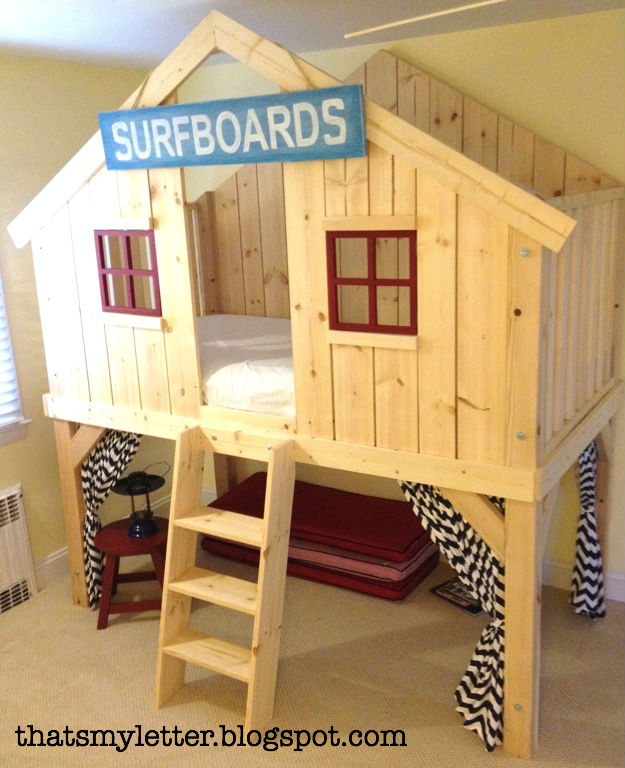
Credit: jaimecostiglio.com
Planning Your Bunk Bed House
Planning your bunk bed house is the first step to a strong and safe build. It helps avoid mistakes and saves time. Careful planning makes the project easier and more fun. Start by thinking about the space, materials, and tools you will need. A clear plan guides your work and gives better results.
Choosing The Right Location
Select a spot with enough room for the bunk bed house. The area should be flat and stable. Avoid places near heaters or sharp corners. Good lighting helps during building and use. Think about how the space fits with the rest of the room.
Measuring Space And Dimensions
Measure the room carefully before building. Know the height, width, and length available. Leave space for walking and other furniture. Measure twice to avoid errors. Decide on the bunk bed size that fits your space well.
Selecting Materials And Tools
Choose strong and safe materials for your bunk bed house. Wood is common and easy to work with. Pick smooth wood to avoid splinters. Use screws and brackets for firm joints. Gather tools like a saw, drill, measuring tape, and screwdriver. Check tool condition before starting.
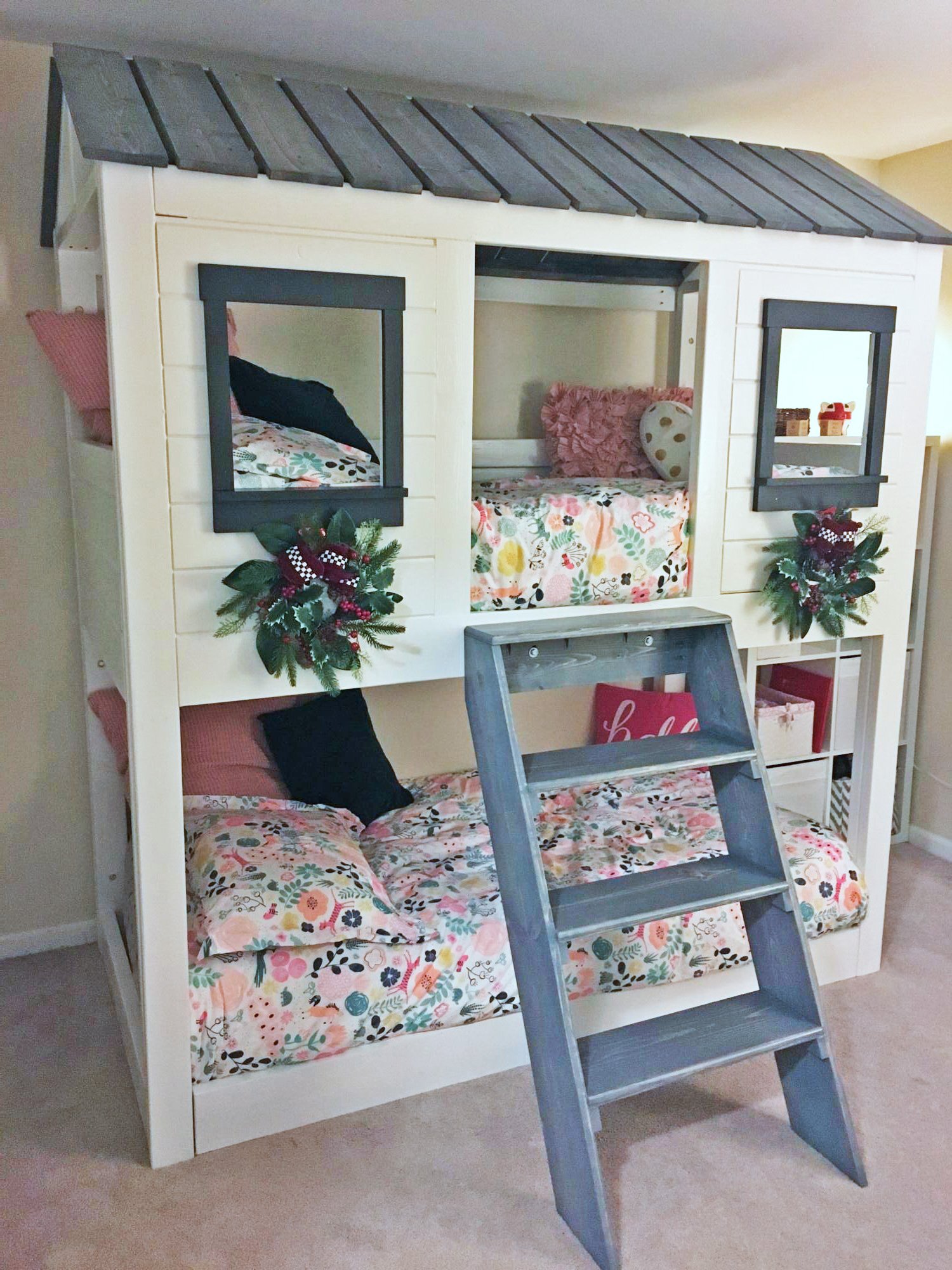
Credit: www.ana-white.com
Designing The Structure
Designing the structure of a bunk bed house sets the foundation for the entire project. Careful planning helps create a safe and fun space for kids. A clear design guides the building process step-by-step. It also ensures the final product fits the room perfectly.
Start by imagining the size and shape of the bunk bed house. Think about how children will use it. Consider space for play, sleep, and storage. A well-thought design makes the bed both practical and enjoyable.
Sketching The Layout
Begin by drawing a simple sketch of the bunk bed house. Use graph paper or digital tools for accuracy. Mark the dimensions of the room and available space. Draw the bunk bed frame with clear measurements. Add stairs, ladders, and platforms in the sketch. Label each part to avoid confusion during building. A detailed sketch helps visualize the final look and spot possible problems early.
Deciding On Style And Features
Choose a style that matches the room and kids’ tastes. Popular options include castles, treehouses, or modern designs. Think about features like windows, railings, and shelves. Decide if you want a slide or a small desk inside. Keep the design simple to make building easier. Focus on features that add fun and functionality. This step personalizes the bunk bed house and makes it unique.
Safety Considerations
Safety is the top priority in the design. Ensure the bed height suits the child’s age and room size. Use sturdy materials that hold weight well. Plan for strong guardrails on all upper levels. Avoid sharp edges or small gaps where children can get stuck. Make sure ladders or stairs are easy to climb and stable. Check the design meets local safety standards. A safe design prevents accidents and gives parents peace of mind.
Building The Frame
Building the frame is the first big step in creating a bunk bed house. It sets the shape and strength of the entire structure. A strong frame keeps the bed safe and steady. Follow simple steps to build a solid base and upper bunk. Use good wood and measure carefully. Take your time and work with care.
Cutting And Preparing Wood
Choose wood that is smooth and strong. Measure twice, cut once to avoid mistakes. Cut all pieces to the right size. Sand the edges to prevent splinters. Check each piece for cracks or weak spots. Preparing wood well makes assembly easier and safer.
Assembling The Base
Start with the base frame on a flat surface. Join the side rails to the end pieces tightly. Use screws for a strong hold. Add support slats across the frame evenly. These slats will hold the mattress. Make sure the base does not wobble or shift.
Constructing The Upper Bunk
Build the upper bunk frame similar to the base. Attach side rails and end pieces firmly. Include guard rails for safety around the edges. Secure the frame to the base using bolts. Double-check all joints for tightness. The upper bunk must feel stable and safe.
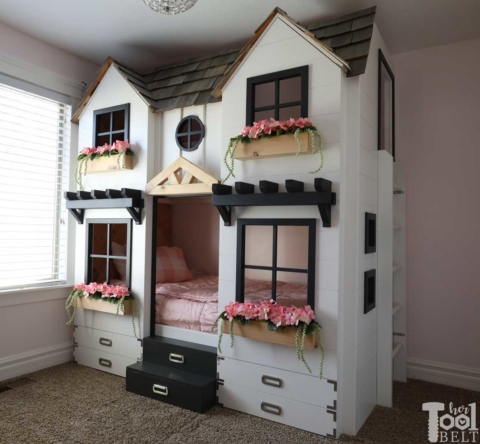
Credit: www.hertoolbelt.com
Adding Stairs And Railings
Adding stairs and railings to your bunk bed house makes it safer and easier to use. Stairs offer a steady way to climb up and down. Railings protect from falling off the top bunk. Both parts need careful planning and good building.
Building Safe Stairs
Start by measuring the height from floor to top bunk. Each step should be even and not too high. Use strong wood for the stair frame and steps. Attach steps firmly to the frame with screws. Check that stairs do not wobble or move. Sand edges to avoid splinters. Make sure stairs are wide enough for a child’s foot. Add a non-slip surface for extra safety.
Installing Guardrails
Guardrails prevent falls from the top bunk. Use wood boards that are thick and sturdy. Attach the rails tightly along the bed edges. The height of the rail should be at least 5 inches above the mattress. Leave no gaps wide enough for a child’s head or body. Sand all surfaces smooth to avoid scratches. Check the rails often for any looseness or damage. Guardrails give peace of mind during sleep and play.
Finishing Touches
Finishing touches make your bunk bed house safe and inviting. These last steps improve the look and comfort of the space. Small details can change the whole feel of the bunk bed. This section covers sanding, painting, decorating, and adding storage. These ideas help create a cozy, fun area for kids or guests.
Sanding And Painting
Sanding smooths rough edges and splinters. Use fine-grit sandpaper for the best finish. Check all surfaces, especially corners and edges. Smooth wood feels better and prevents injuries. After sanding, wipe dust away with a damp cloth.
Choose paint that is safe for children. Water-based paints are a good option. Pick bright or soft colors to match the room’s style. Paint in thin layers to avoid drips. Let each layer dry before adding the next. A fresh coat makes the bunk bed look new and clean.
Decorating The Space
Decorations add personality and charm to the bunk bed house. Use fun bedding with patterns or favorite characters. Add pillows for comfort and color. Hang small lights or fairy lights for a cozy glow. Use wall decals or posters to brighten blank walls. Personal touches make the space feel special and welcoming.
Adding Storage Solutions
Storage keeps the bunk bed area tidy. Install shelves on the side for books and toys. Use baskets or bins under the bed for extra space. Hooks on the wall can hold bags or clothes. Choose storage that fits the size of the room. Organized space helps keep the bunk bed house neat and usable.
Maintaining Your Bunk Bed House
Maintaining your bunk bed house keeps it safe and enjoyable for years. It needs regular care and attention. Small tasks can prevent big problems. A clean and sturdy bunk bed house encourages kids to play safely. Follow simple steps to keep it in top shape.
Regular Safety Checks
Check bolts and screws every month. Tighten loose parts to prevent accidents. Look for cracks or splinters in the wood. Replace any broken pieces quickly. Ensure the ladder is stable and secure. Make sure guardrails are firmly attached. Safety checks avoid injuries and extend the bed’s life.
Cleaning Tips
Dust the bunk bed house weekly to keep it fresh. Use a soft cloth to wipe surfaces. Clean spills immediately to avoid stains. Vacuum around and under the bed often. Wash bedding and cushions regularly. A clean bed house feels cozy and inviting. Avoid harsh chemicals that can damage wood.
Upgrading Over Time
Add new features as children grow and needs change. Install extra shelves for books or toys. Upgrade mattresses for better comfort. Paint or stain the wood to refresh the look. Add fun decorations to personalize the space. Small upgrades keep the bunk bed house exciting and useful. Plan upgrades to fit your budget and style.
Frequently Asked Questions
What Materials Do I Need To Build A Bunk Bed House?
You need sturdy wood, screws, nails, a saw, drill, measuring tape, sandpaper, and paint. Quality materials ensure safety and durability.
How Much Time Does Building A Bunk Bed House Take?
Building usually takes 1 to 3 days depending on your skill level and design complexity. Planning speeds up the process.
Is It Safe To Build A Bunk Bed House At Home?
Yes, if you follow safety guidelines, use strong materials, and secure all joints properly. Supervise children when using the bunk bed house.
Can I Customize The Design Of My Bunk Bed House?
Absolutely! You can customize size, shape, color, and features to match your room and preferences.
Conclusion
Building a bunk bed house can be fun and rewarding. Start with a clear plan and measure carefully. Use strong materials to keep it safe and steady. Take your time to assemble each part correctly. Add personal touches to make it cozy and unique.
This project brings creativity and practical skills together. Enjoy the process and the final result. Kids and adults will love the new space. Simple steps lead to a great bunk bed house. Try it yourself and see the joy it brings.