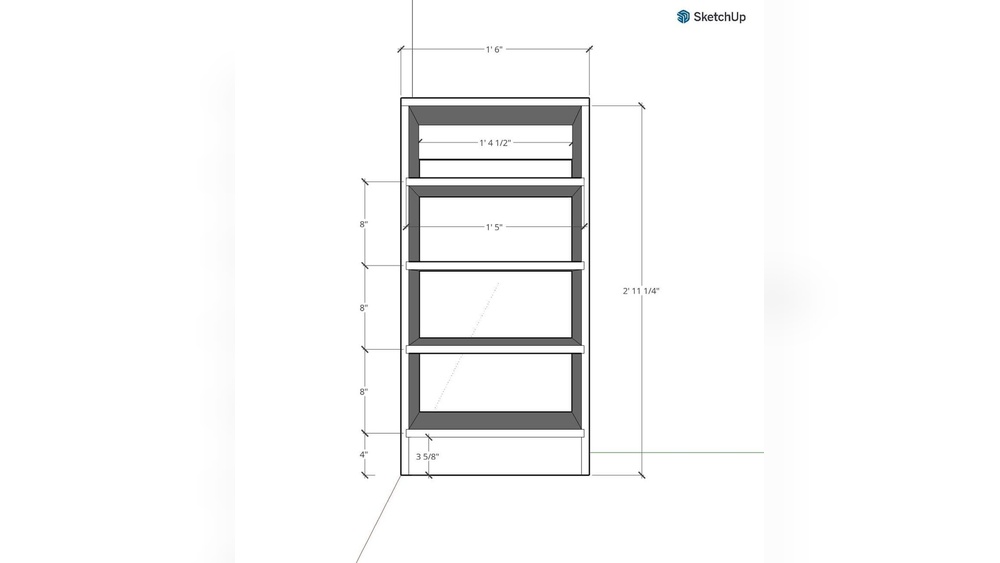
Are you planning to add a bookshelf to your space but unsure about the right size? Knowing how long a bookshelf is in meters can make all the difference in fitting it perfectly into your room.
Whether you want to organize your favorite books or display decor, understanding the typical bookshelf length helps you avoid costly mistakes. You’ll discover the common measurements and practical tips to choose the ideal bookshelf size for your needs. Keep reading to find out exactly what works best for your space and style.
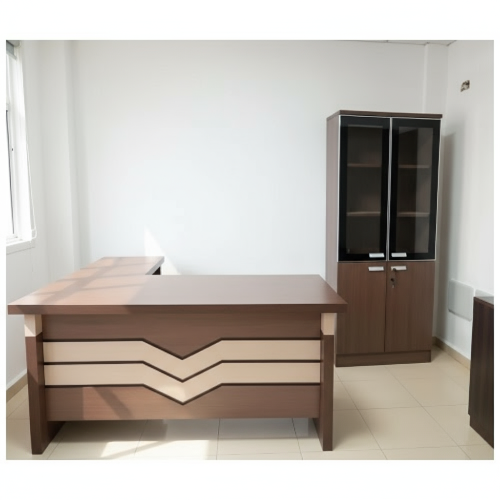
Credit: hogfurniture.co
Common Bookshelf Lengths
Bookshelves come in many sizes. Their length in meters depends on style and use. Knowing common lengths helps you choose the right shelf for your space.
Lengths vary from small shelves for a few books to large ones for many items. Each size fits different rooms and needs.
Standard Small Bookshelves
Small bookshelves usually measure about 0.6 to 0.9 meters long. They fit well in tight spaces or corners. Perfect for a few books or decorative items.
These shelves are light and easy to move. Ideal for bedrooms, small offices, or apartments.
Medium-sized Options
Medium bookshelves often range from 1.0 to 1.5 meters in length. They offer more storage without taking too much space. Great for living rooms or larger offices.
These shelves hold a good number of books and decor items. They balance size and capacity well.
Large Bookshelves
Large bookshelves measure 1.6 meters or more. They work best in big rooms or libraries. Provide plenty of space for many books and objects.
These shelves can be tall and wide. Often used as statement pieces or main storage.

Credit: www.amazon.com
Measuring Bookshelf Length
Measuring the length of a bookshelf helps you find the right fit for your room. Knowing the exact length in meters avoids buying shelves too big or too small. It also helps with planning space for books and decorations.
Measuring is easy with the right tools and clear steps. Accuracy matters to get the true length. Follow simple instructions to measure your bookshelf correctly.
Tools Needed
Use a tape measure or a ruler that shows meters or centimeters. A flat surface to place the bookshelf helps with accuracy. A pencil and paper are useful to write down numbers.
Step-by-step Measurement
Place the bookshelf on a flat floor or table. Stretch the tape measure from one end to the other. Read the number where the shelf ends. Write down the length in meters or centimeters.
Double-check by measuring twice to confirm the length. Use the same tool both times to avoid mistakes.
Tips For Accuracy
Make sure the tape measure is straight and tight. Avoid bending it around corners. Measure at eye level to read numbers clearly. Keep the bookshelf steady during measurement.
Take note of any extra parts like edges or lips. Include these in your final length for a full measurement.
Choosing The Right Size
Choosing the right size for a bookshelf matters a lot. It affects how well it fits your room and how useful it will be. A good size gives you enough space without crowding your area. Think about what you want to store and where you want the shelf. These points help you find the perfect bookshelf length in meters.
Space Considerations
Measure the wall or space where you plan to place the bookshelf. Leave some room around it for easy movement. Avoid choosing a shelf that is too tall or too wide for the space. Small rooms need smaller shelves to keep the area open and bright. Large rooms can handle longer shelves to store more items.
Purpose And Storage Needs
Decide what you want to keep on the bookshelf. Books need different space than decorations or boxes. Count how many books or items you have now. Think about how many you might add later. Choose a shelf length that fits your current and future storage needs.
Aesthetic Factors
The bookshelf should look good in your room. Pick a size that matches your furniture and style. A very large shelf can overpower a small room. A very small shelf might look lost on a big wall. Balance size with design for the best visual effect.
Custom Bookshelf Dimensions
Custom bookshelves let you choose the perfect size for your space. They fit walls, corners, or unusual spots easily. This flexibility helps you make the most of your room.
You decide the height, width, and depth. This way, the shelf holds your books and fits your style. Custom shelves can match your furniture or stand out as a unique piece.
Made-to-measure Benefits
Custom shelves save space and avoid clutter. They offer better storage than standard shelves. You get shelves that suit your books and items exactly. This reduces wasted space and keeps things neat.
Made-to-measure shelves also improve room flow. They can fit tight spaces where regular shelves won’t. You get a cleaner, more organized look in your home.
Typical Custom Sizes
Custom shelves vary widely in size. A common height is between 1.5 to 2 meters. Width can range from 0.6 to 3 meters or more. Depth usually falls between 0.25 to 0.4 meters.
You can adjust each dimension to fit your needs. Tall shelves hold large book collections. Shorter shelves work well for small rooms or spaces.
Cost Implications
Custom shelves cost more than ready-made ones. Price depends on size, materials, and design complexity. Larger shelves with high-quality wood cost the most.
Simple designs with basic materials are more affordable. Custom shelves are an investment in style and function. They add value to your home and last longer.
Converting Lengths To Meters
Understanding how to convert lengths to meters helps in measuring bookshelves accurately. Meters are the standard unit for length in many countries. Knowing how to change other units into meters makes comparisons easier. This skill is useful when bookshelf sizes are given in feet or inches.
Common Units Used
Bookshelf lengths are often given in feet, inches, or centimeters. Feet and inches are common in the United States. Centimeters and meters are used in most other countries. Knowing these units helps you switch between them smoothly.
Conversion Techniques
To convert feet to meters, multiply by 0.3048. For inches to meters, multiply by 0.0254. Centimeters convert to meters by dividing by 100. Use a calculator for quick and exact conversions. Always write down the units to avoid mistakes.
Examples
A bookshelf that is 6 feet long equals 1.83 meters. A 30-inch bookshelf is 0.76 meters long. A shelf 120 centimeters long equals 1.2 meters. These simple conversions help you understand lengths better.
Bookshelf Height And Depth
Bookshelf height and depth matter a lot when choosing the right size. They affect how much space the shelf will take and what it can hold. Understanding these dimensions helps pick a shelf that fits your room and needs.
Standard Heights
Most bookshelves have heights between 1.2 and 2 meters. Short shelves fit under windows or desks. Taller shelves use wall space better and hold more books. Choose height based on room space and use.
Depth Variations
Depth means how far the shelf goes from front to back. Common depths range from 20 to 35 centimeters. Shallow shelves save room but hold fewer items. Deeper shelves fit large books and boxes easily.
Impact On Length Choice
Height and depth affect the shelf’s length choice. Taller shelves with deep shelves might need shorter lengths. Shorter shelves can be longer to fit wide walls. Balance these sizes for a perfect fit.
Materials Affecting Size
The material of a bookshelf plays a big role in its size. Different materials have different strengths and limits. This affects how long a bookshelf can be and how it is built. Understanding these materials helps choose the right shelf for your space and needs.
Wood Vs. Metal
Wood shelves often come in fixed lengths. They can be long but need support in the middle. Metal shelves can be longer without bending. Metal also allows thinner designs for the same strength. Wood looks warm and natural. Metal feels modern and sleek.
Lightweight Vs. Heavy Duty
Lightweight materials like thin wood or aluminum keep shelves small. They are easy to move but hold less weight. Heavy-duty materials like thick wood or steel allow longer shelves. They support more books and heavier items. The choice depends on what you plan to store.
Durability And Dimensions
Durable materials last longer and can handle larger sizes. Strong wood types and metals resist bending and damage. Less durable materials limit shelf length to prevent breaking. Always check the material quality before choosing the size. This ensures your shelf stays safe and useful.

Credit: www.amazon.com
Frequently Asked Questions
How Long Is A Standard Bookshelf In Meters?
A standard bookshelf typically measures about 1. 2 to 1. 8 meters in length. This size fits most rooms and holds a good number of books efficiently.
What Factors Affect Bookshelf Length In Meters?
Bookshelf length depends on design, purpose, and available space. Custom shelves vary, but common lengths range from 1 to 2 meters.
How To Measure Your Bookshelf Length In Meters?
Use a tape measure to find the full horizontal length. Measure from one edge to the other and record the length in meters.
Are There Common Bookshelf Sizes In Meters?
Yes, popular bookshelf lengths are 1 meter, 1. 5 meters, and 2 meters. These sizes suit most homes and offices.
Conclusion
Bookshelves come in many sizes, but most measure around one to two meters. This length fits well in homes and offices. Knowing this helps you plan your space better. Choose a bookshelf that suits your room and needs. A well-sized shelf keeps your books neat and easy to find.
Remember, the right length makes your space look balanced. Now, you can pick the perfect bookshelf size with confidence.