Are you struggling to find the perfect bookshelf that fits your space just right? Knowing the average height of a bookshelf can save you time, effort, and frustration.
Whether you’re organizing your favorite novels, displaying decor, or creating a home office, the right bookshelf height makes all the difference. You’ll discover exactly what to expect when shopping for bookshelves and how to choose one that suits your needs perfectly.
Keep reading to make your bookshelf work for you, not the other way around.
Standard Bookshelf Heights
Standard bookshelf heights vary but usually fall within common ranges. These sizes fit most rooms and needs. Choosing the right height helps organize books and decor efficiently. Understanding standard heights saves time and effort when buying or building shelves.
Common Dimensions By Type
Short bookshelves often stand between 3 to 4 feet tall. They fit well under windows or beside furniture. Medium bookshelves measure about 5 to 6 feet high. These shelves hold many books and decorative items. Tall bookshelves reach 7 feet or more. They use vertical space and store large collections. Depth and width also vary but usually stay between 10 to 14 inches deep and 24 to 36 inches wide.
Variations Across Brands
Brands offer different bookshelf heights to meet various needs. Some focus on compact designs for small spaces. Others provide tall, heavy-duty options for large collections. The height may change slightly due to design style. Always check the exact measurements before purchasing. Small differences can affect room fit and storage capacity.
Factors Affecting Bookshelf Height
Bookshelf height varies widely based on several key factors. These factors help decide the best size for your space and needs. Understanding them makes choosing easier and more practical.
Height affects not just storage but also room balance and style. Each factor plays a role in shaping the final choice.
Room Size And Layout
Room dimensions limit the bookshelf height you can use. Small rooms need shorter shelves to avoid crowding. Larger rooms can support taller bookshelves without feeling cramped. Layout also matters. A tall shelf near a low ceiling feels awkward. Position matters as well. Near doors or windows, a shorter shelf fits better.
Book Collection Size
The number of books influences shelf height. A large collection needs more space and taller shelves. Small collections fit well on shorter shelves. Consider future growth too. Buying a taller shelf allows room for more books later. This saves buying new furniture often.
Intended Use And Style
What you plan to store affects height choice. Books only? Tall shelves work well. Mix of books and decor? Choose adjustable or medium height shelves. Style also guides height. Modern rooms suit sleek, low shelves. Classic rooms match tall, traditional shelves. Height can support the room’s look and feel.
Customizing Bookshelf Height
Customizing the height of your bookshelf helps you fit your space and needs perfectly. Different rooms and items need different shelf heights. Adjusting the height creates a better look and more storage options.
Adjustable Shelves
Adjustable shelves let you change the space between shelves anytime. You can move them up or down to fit tall or short books. This flexibility makes the bookshelf useful for many types of items.
Modular Units
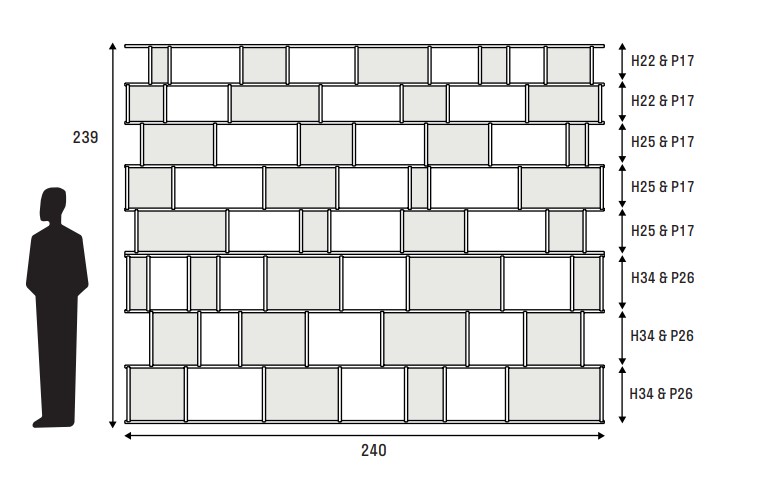
Modular units come in separate pieces you can stack or arrange. This lets you build a bookshelf as tall or short as you want. You can add or remove units to match your room size.
Diy Options
Building your own bookshelf allows full control over height and design. You can measure your space and create shelves to fit. DIY shelves can match your style and storage needs exactly.
Measuring For The Perfect Fit
Measuring for the perfect bookshelf fit is key to creating a balanced room. The right size bookshelf looks natural and fits well in your space. Too tall or too short shelves can feel awkward or cramped. Taking time to measure helps avoid these problems. It also ensures your books and decor have enough room.
Start by checking your available wall space. Then think about other furniture nearby. Don’t forget to consider your ceiling height. Each step shapes the ideal bookshelf size for your room.
Assessing Wall Space
Measure the width of the wall where the bookshelf will go. Use a tape measure for accuracy. Note any nearby doors, windows, or vents. These features limit shelf placement. Leave some space around the bookshelf for easy access and cleaning.
Considering Furniture Placement
Look at other furniture near the shelf spot. Make sure the bookshelf won’t block pathways or crowd the room. The shelf should complement, not compete with, other pieces. Allow space for chairs, tables, and lamps.
Accounting For Ceiling Height
Measure your room’s ceiling height. High ceilings can handle taller bookshelves. Low ceilings need shorter shelves to avoid feeling cramped. Keep a few inches between the top of the shelf and the ceiling for balance.
Ergonomics And Accessibility
Ergonomics and accessibility are key when choosing bookshelf height. A well-designed shelf lets you reach books easily. It helps avoid strain or injury. Accessibility means everyone can use the shelf comfortably. This section covers shelf height, safety, and child-friendly designs.
Optimal Shelf Height For Reach
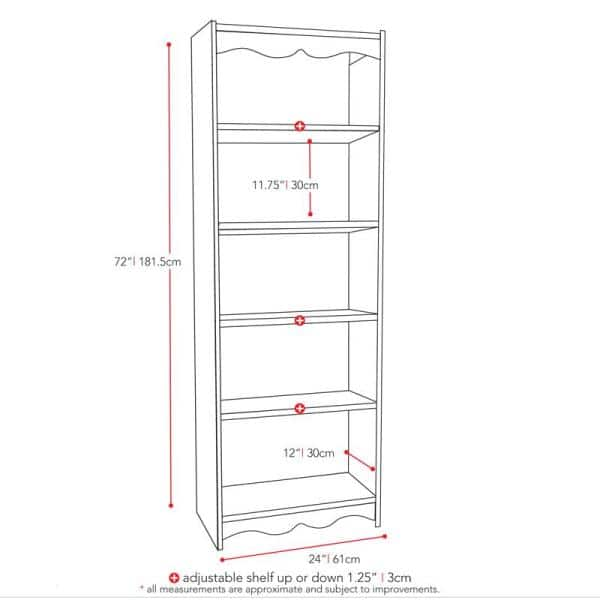
The best shelf height lets you reach books without stretching. The top shelf should be no higher than 72 inches. The bottom shelf should be at least 12 inches from the floor. Place often-used books between 24 and 60 inches high. This range fits most adults’ natural arm reach. It keeps your reading material easy to grab.
Safety Considerations
Bookshelves must be stable to prevent tipping. Secure tall shelves to the wall with brackets. Avoid placing heavy items on the top shelves. Keep the weight low and balanced. Rounded edges reduce injury risks. Check shelves regularly for loose screws or damage.
Child-friendly Designs
Shelves for children should be lower, around 36 inches tall. This height lets kids reach books on their own. Use shelves with wide, stable bases to prevent tipping. Avoid glass doors or sharp corners. Bright colors and fun shapes encourage reading. Child-friendly shelves make books easy and safe to access.
Credit: www.homedepot.com
Bookshelf Height And Aesthetics
Bookshelf height plays a key role in the look of a room. It affects balance, style, and space use. The right height can make a room feel cozy or open. It also helps show off books and decorations.
Choosing the right bookshelf height helps blend function with beauty. This section explores how height affects room design and mood.
Balancing Proportions
Bookshelf height must match other furniture sizes. Tall bookshelves can overwhelm small rooms. Short shelves may look lost in large spaces. Balance keeps the room comfortable to the eye.
Measure walls and furniture before picking shelf height. Aim for harmony, not too big or too small. Proper proportions create a calm, inviting space.
Complementing Room Decor
Bookshelf height works with room style and colors. Modern rooms suit sleek, lower shelves. Traditional rooms fit taller, detailed shelves. The shelf height should echo the room’s feel.
Use bookshelf height to frame windows or art. A well-sized bookshelf adds to the room’s personality. It supports the overall design without clashing.
Creating Visual Impact
Tall bookshelves draw the eye upward, adding height to the room. Low shelves keep the space open and light. The height choice sets the room’s mood.
Use height to highlight special items on shelves. A well-chosen bookshelf height creates a strong style statement. It makes your space unique and interesting.
Popular Bookshelf Height Examples
Bookshelves come in many shapes and sizes. Choosing the right height depends on space and use. Some designs focus on width, others on height. A few fit nicely in corners.
Here are popular bookshelf height examples to help you decide.
Short And Wide Shelves
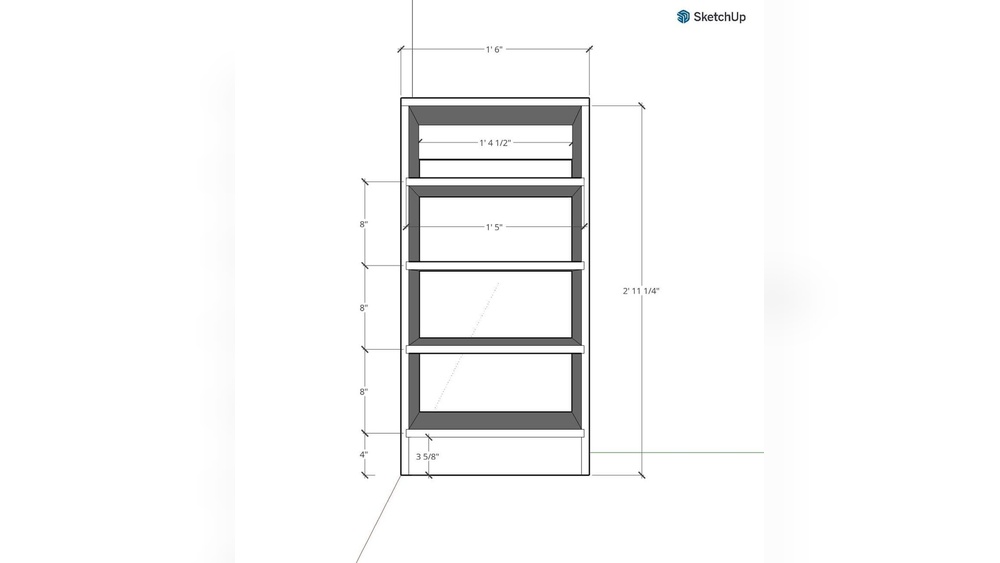
Short and wide shelves often stand about 3 to 4 feet tall. They fit well under windows or low walls. These shelves hold many books and decor items. Their wide shape offers easy access to items. Perfect for living rooms and offices.
Tall And Narrow Units
Tall and narrow bookshelves usually reach 6 to 7 feet in height. They save floor space while providing lots of storage. Great for small rooms or tight corners. These units stack books vertically, which looks neat. Ideal for maximizing storage in small spaces.
Corner Bookshelves
Corner bookshelves fit snugly into room corners. Heights vary from 4 to 7 feet. They make use of often-wasted space. Perfect for creating cozy reading spots. Corner units balance height with depth for stability. A smart choice for extra storage without crowding the room.

Credit: tribesigns.com
Maintaining And Adjusting Height Over Time
Bookshelf height is not a fixed feature. It changes with your needs and space. Maintaining and adjusting the height over time keeps your shelf useful and neat. This section explores simple ways to manage your bookshelf height as your collection grows or shrinks.
Adding Extensions
Extensions help increase your bookshelf height quickly. You can buy extra shelves or stackable units. These additions fit on top of your existing shelf. They offer more room without a full replacement. Choose extensions that match your shelf style and size.
Rearranging Shelves
Adjusting shelf height allows better space use. Move shelves up or down to fit different book sizes. Taller books need more vertical space. Shorter books can share shelves. Rearranging prevents wasted space and keeps books organized.
Adapting To New Collections
Your book collection changes over time. New books may need more or less space. Adjust shelf height to fit the latest additions. Smaller collections might need fewer shelves. Larger collections may require stacking or extensions. Adapting your shelf keeps your books easy to reach and display.
Credit: www.perfectbookshelf.eu
Frequently Asked Questions
What Is The Average Height Of A Standard Bookshelf?
The average bookshelf height ranges between 60 to 72 inches. This size fits most rooms and offers ample storage for books and decor.
How Tall Should A Bookshelf Be For A Small Room?
For small rooms, a bookshelf around 48 to 60 inches tall works well. It saves space while providing enough shelf area.
What Height Suits A Bookshelf For Large Book Collections?
Tall bookshelves of 72 to 84 inches are ideal for large collections. They maximize vertical space and accommodate more books efficiently.
Are There Standard Bookshelf Heights For Different Room Types?
Yes, living rooms often use 60-72 inch shelves, while bedrooms prefer 48-60 inches. Kitchen bookshelves tend to be shorter, around 36-48 inches.
Conclusion
Bookshelves come in many heights to fit different spaces. The average height usually ranges between 60 and 72 inches. This size works well for most rooms and holds many books. Choosing the right bookshelf depends on your room size and storage needs.
A well-sized shelf keeps books organized and easy to reach. Remember, the right height makes your space look neat and tidy. Simple and practical choices help create a cozy reading area. Find the height that fits your home and style best.