Are you wondering if your toddler bed is strong enough for your little one? You want to make sure it’s safe and sturdy before your child uses it every night.
Knowing how much a toddler bed can hold helps you choose the right one and avoid any surprises. You’ll discover the weight limits of toddler beds and what factors affect their strength. By the end, you’ll feel confident that your child’s bed is both cozy and secure.
Keep reading to find out everything you need to know about toddler bed weight capacity!

Credit: www.amazon.com
Toddler Bed Weight Basics
Toddler beds are a big step for young children. They offer more space and freedom than cribs. Parents want to know how much weight these beds can safely hold. Understanding the basics helps choose the right bed. This guide explains weight limits and materials that affect strength.
Standard Weight Limits
Most toddler beds support between 40 and 60 pounds. This range fits the average weight of toddlers. Some beds hold up to 70 pounds or more. Always check the manufacturer’s label for exact limits. Staying within the weight limit keeps the bed safe and stable.
Weight limits include the child and any bedding. Exceeding the limit can cause damage or breakage. A sturdy bed protects your child during sleep and play. Weight limits vary by bed design and size.
Materials And Durability
Wood and metal are common materials for toddler beds. Solid wood offers strong support and lasts longer. Metal beds can be durable but may feel less cozy. Engineered wood is cheaper but less strong.
Check bed joints and screws for quality. A well-built frame handles weight better. Durable finishes prevent wear and tear. Choose materials that balance strength and comfort.
Factors Affecting Weight Capacity
Several factors affect how much weight a toddler bed can hold. These elements help determine the bed’s durability and safety. Understanding these factors ensures the bed suits your toddler’s needs. The right choice supports healthy sleep and growth.
Bed Frame Design
The design of the bed frame plays a key role in weight capacity. Frames made of solid wood or metal usually hold more weight. Slatted bases add support but vary by spacing and thickness. The joints and screws must be strong to prevent wobbling. Simple designs with sturdy materials last longer and support heavier loads.
Mattress Type
The mattress type affects the bed’s overall support and weight limit. Foam mattresses tend to be lighter and more flexible. Innerspring mattresses offer firmer support but weigh more. The mattress size must fit the bed frame properly to avoid damage. A good mattress evenly spreads weight, reducing stress on the bed frame.
Age And Size Considerations
Toddlers grow fast, which changes their weight capacity needs. Younger toddlers usually weigh less, so lighter beds work fine. Older or bigger toddlers need beds with higher weight limits. Weight limits often reflect the average size of toddlers at certain ages. Choosing a bed that matches your child’s size helps keep them safe.
Comparing Toddler Beds And Cribs
Choosing between a toddler bed and a crib is an important step for parents. Both have different designs and uses. Understanding these differences helps parents pick the right bed for their child’s needs. Safety and comfort are key points to consider.
Comparing the weight limits and the best time to switch can guide parents to make the best choice. These points ensure the child stays safe and comfortable during sleep.
Weight Differences
Cribs usually hold up to 50 pounds. They are built for infants and small toddlers. Toddler beds often support more weight, around 50 to 60 pounds. This higher limit suits older toddlers who grow quickly. Knowing the weight limit helps avoid accidents and damage.
Transition Timing
The move from crib to toddler bed happens between ages 18 months and 3 years. Parents watch for signs like climbing out of the crib. Toddler beds feel less confining for active children. Choosing the right time reduces the risk of falls and injuries.
Signs Your Toddler Bed Needs Replacement
Toddler beds face daily use and stress. Over time, they show signs of damage. Recognizing these signs helps keep your child safe. It also ensures the bed stays comfortable and stable.
Knowing when to replace the bed avoids accidents and discomfort. Notice changes in the bed’s condition. Small issues can grow into bigger problems fast.
Wear And Tear Indicators
Look for cracks in the frame or slats. Loose screws or wobbly parts signal weakening. Faded or torn bedding shows heavy use. Check the mattress for lumps or sagging spots. These signs mean the bed may not support your child well.
Safety Concerns
Sharp edges or splinters can hurt your toddler. Missing guardrails increase the risk of falls. Unstable beds can collapse under weight. Strange noises like creaking warn of weak joints. Any broken parts must be fixed or replaced quickly.
Tips For Choosing A Sturdy Toddler Bed
Choosing a sturdy toddler bed is very important for your child’s safety and comfort. A strong bed can hold your toddler’s weight and last for years. It also gives peace of mind to parents. Consider these tips to pick the best bed for your little one.
Material Choices
Wood and metal are common materials for toddler beds. Solid wood is strong and durable. It can support more weight and lasts longer. Metal beds can also be sturdy but check for smooth edges. Avoid plastic beds as they may break easily and hold less weight.
Brand Reputation
Choose brands known for quality and safety. Check reviews from other parents about bed strength. Trusted brands follow safety rules and use good materials. This lowers the risk of accidents and bed damage.
Additional Safety Features
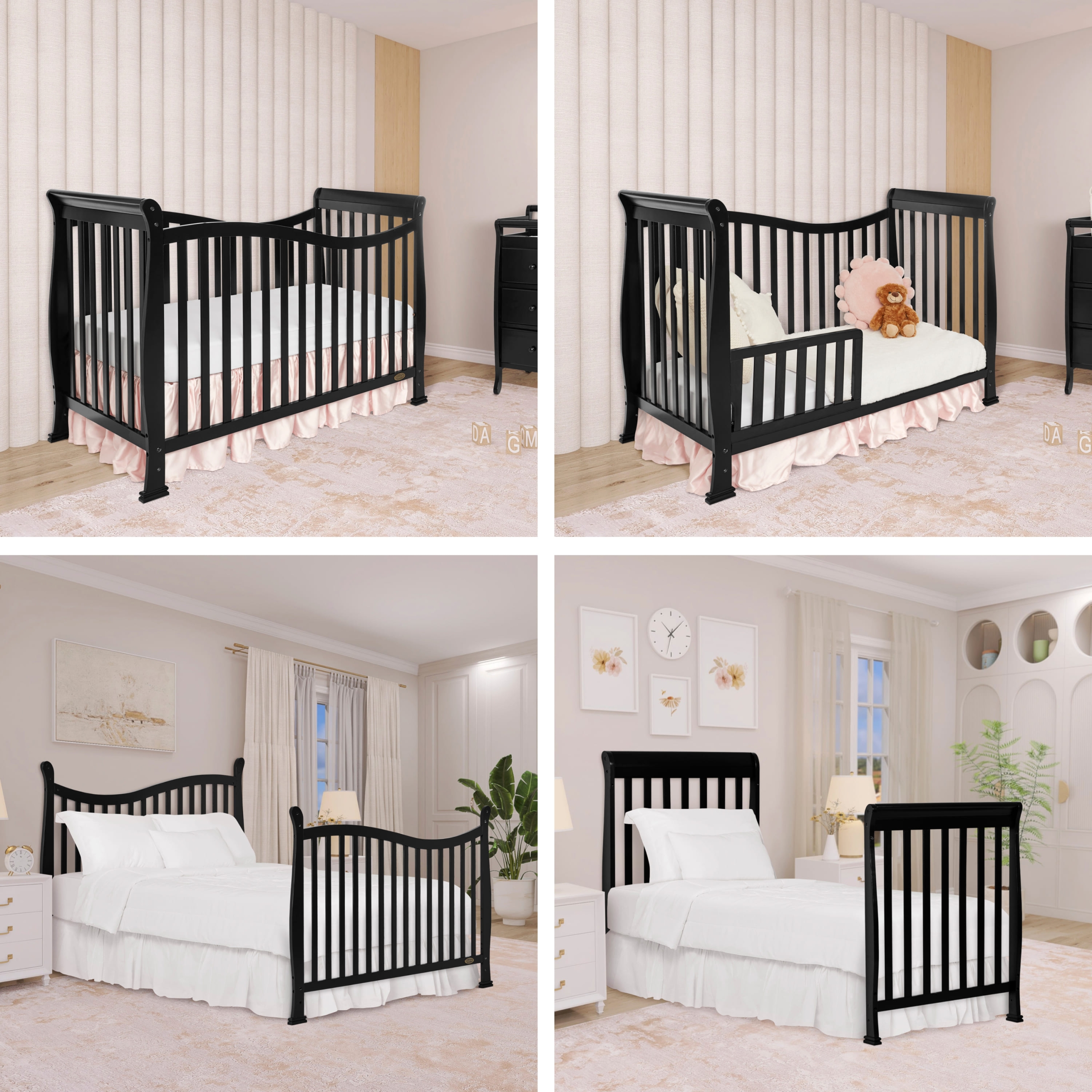
Look for side rails to prevent falls. Rounded corners reduce injury risks. Non-toxic paint ensures your child’s health. Beds with adjustable mattress heights grow with your toddler and stay stable.
Credit: stogagirlssoccer.com

Credit: www.craft-child.com
Frequently Asked Questions
How Much Weight Can A Toddler Bed Support?
Most toddler beds support between 50 to 60 pounds. This weight capacity comfortably accommodates toddlers up to 4 years. Always check the manufacturer’s guidelines for exact limits to ensure safety and durability.
Are Toddler Beds Suitable For Heavier Toddlers?
Toddler beds can hold heavier toddlers if within weight limits. Some models support up to 70 pounds. For heavier children, consider beds designed specifically for higher weight capacities to ensure safety.
Can Toddler Beds Hold Adults Or Older Children?
Toddler beds are not designed for adults or older children. Weight limits typically max out around 60 pounds. Using a toddler bed beyond its capacity risks damage and safety hazards.
What Materials Affect A Toddler Bed’s Weight Capacity?
Toddler beds made from solid wood usually support more weight. Metal frames also offer strong support but vary by design. Cheaper plastic beds often have lower weight limits and less durability.
Conclusion
Toddler beds usually hold between 50 to 100 pounds safely. This weight range fits most young children well. Choosing a sturdy bed ensures your child sleeps comfortably. Always check the product details for exact weight limits. Remember, safety matters more than style or price.
A proper bed supports your toddler’s growing body. It also helps create a good sleep habit early on. Keep the sleeping area safe and free from hazards. A good toddler bed makes bedtime a peaceful time.