Are you wondering when it’s the right time to move your little one from a crib to a toddler bed? You’re not alone.
This transition can feel tricky, and you probably want to get it just right for your child’s comfort and safety. Knowing how long your toddler should stay in a toddler bed can help you avoid sleepless nights and keep your child happy and secure.
Keep reading to discover the signs to watch for and expert tips that will make this important step smooth and stress-free for both of you.
Signs Your Toddler Is Ready
Knowing when to move your toddler to a toddler bed is important. Some signs show your child is ready. Watch closely for these clues. They help make the change smooth and safe.
Physical Growth Indicators
Your toddler may outgrow the crib size. If they climb out, it shows they need more space. Taller toddlers need room to stretch. Growing bodies need comfort during sleep. A toddler bed fits better as they grow.
Behavioral Cues
Notice if your toddler tries to climb out of the crib. They might want more freedom. Some toddlers ask for a “big kid” bed. Independence is a clear sign. They may feel cramped or restless in the crib.
Sleeping Patterns
Sleep interruptions can mean the bed is too small. Frequent waking or discomfort shows a change is needed. Toddlers who sleep well in a crib may stay longer. But restless nights hint at readiness for a toddler bed.
Ideal Age Range For Transition
Choosing the right time to move your toddler to a toddler bed matters a lot. It affects their comfort and safety during sleep. The ideal age range helps parents plan this change smoothly. Toddlers grow fast, and their needs change quickly. This makes timing important for a smooth transition.
Common Age Milestones
Most toddlers switch to a toddler bed between 18 months and 3 years. Many children start showing readiness signs around 2 years old. At this age, they often climb out of cribs. They need more space to move and feel less restricted. These milestones help parents know when to start the transition.
Between 18 and 24 months, toddlers gain better balance and motor skills. This makes climbing in and out of bed safer. Also, many children begin to understand bedtime routines better. These signs show that they can handle the change well.
Variations Among Children
Every child grows at their own pace. Some may be ready earlier, others later. Some toddlers feel safe in a crib longer. Others want freedom to move around sooner. Parents should watch their child’s behavior closely.
Safety is key. If a toddler frequently climbs out of the crib, it may be time to switch. Some children have small bedrooms or specific needs that affect timing. Adjust the transition to fit your child’s unique needs and comfort.
Benefits Of Toddler Beds
Toddler beds offer many benefits for both children and parents. They provide a perfect transition from a crib to a bigger bed. This change supports a toddler’s growth and independence. Toddler beds also fit well in most rooms and use mattresses of the right size. Below are some key benefits of toddler beds.
Safety Advantages
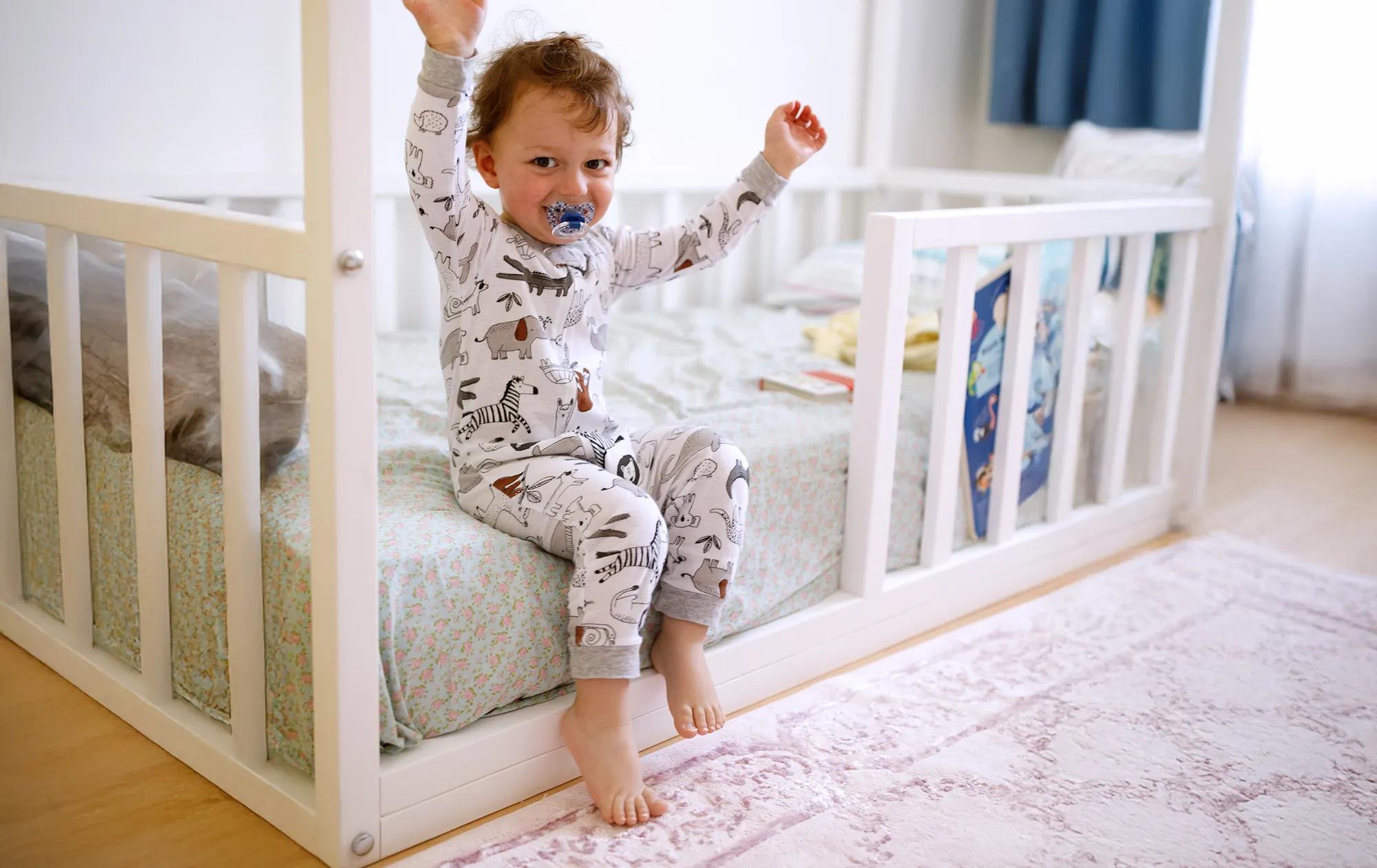
Toddler beds are low to the ground. This reduces the risk of injury from falls. Many toddler beds have guardrails on the sides. These rails keep children from rolling off during sleep. The bed size is smaller than a regular bed. It helps children feel secure and less likely to slip under covers. Toddler beds create a safe sleeping space for young kids.
Comfort And Familiarity
Toddler beds often use the same mattress from the crib. This provides comfort and a familiar feel. Children feel safe in a space similar to their crib. The size of the bed fits their body perfectly. This helps toddlers sleep better and longer. A familiar bed eases fear or anxiety about sleeping alone. Comfort and routine support healthy sleep habits at this stage.
Potential Challenges
Moving a toddler to a toddler bed can bring some challenges. Parents often face issues that test patience and consistency. Understanding these problems helps prepare for a smoother transition. Two common challenges are resistance to change and nighttime wandering.
Resistance To Change
Toddlers often resist leaving their crib. It feels safe and familiar to them. A new bed may seem strange and scary. They might refuse to sleep in it. Some children cry or throw tantrums at bedtime. This behavior can last several nights or weeks. Patience and calm reassurance are key. Consistent bedtime routines help toddlers accept the new bed. Praise and small rewards encourage cooperation.
Nighttime Wandering
Once in a toddler bed, some children get up during the night. They may walk around the room or come to parents. This can interrupt the child’s and parents’ sleep. It might cause safety concerns if the child leaves the room. Nighttime wandering happens because toddlers feel more freedom. Setting clear boundaries helps reduce this behavior. Using gates or locking doors can keep toddlers safe. Gentle reminders and returning the child to bed often work.
Tips For A Smooth Transition
Changing from a crib to a toddler bed can be a big step for your child. It needs care and patience. A smooth transition helps your toddler feel safe and happy in their new bed. Here are some tips that make this change easier for both of you.
Creating A Bedtime Routine
Set a clear bedtime routine. Start with calming activities like reading a story or singing a lullaby. Keep the same sleep time every night. This helps your toddler know what to expect. A routine gives comfort and signals that it is time to sleep.
Involving Your Toddler
Let your child help choose their new bed or bedding. This makes them excited about the change. Talk about the new bed and what makes it special. Encourage them to use the bed for naps first. This builds confidence and reduces fear.
Safety Measures
Check the bed’s safety before use. Use guardrails to prevent falls. Remove any sharp or hard objects nearby. Keep the room dimly lit to avoid scary shadows. Make sure the bed is low to the floor for easy access. Safety helps your toddler feel secure and sleep better.

Credit: newmodernmom.com
When To Move To A Big Kid Bed
Knowing when to move your toddler to a big kid bed is important. This change helps your child feel more grown-up and comfortable. It also keeps them safe as they grow. Each child is different. Watch for signs that show your toddler is ready for a bigger bed.
Signs To Upgrade
Your toddler tries to climb out of the toddler bed. This is a strong sign they need more space. They might also seem cramped in their current bed. If your child wakes up feeling sore or restless, it may be time.
Another sign is when your toddler shows interest in a bigger bed. They may talk about it or want to sleep with you less. Safety is key. If your child is tall or heavy for their bed, upgrading helps avoid accidents.
Choosing The Right Bed
Choose a bed that fits your child’s size and needs. Big kid beds come in many styles, from twin beds to toddler beds with guardrails. Look for a sturdy frame that stays low to the ground. This reduces the chance of injury from falls.
Consider beds with side rails for extra safety. Make sure the mattress is comfortable and fits well. Avoid beds that are too high or too soft. Your child should feel safe and cozy to sleep well each night.
Expert Recommendations
Experts share clear advice about how long toddlers should stay in toddler beds. They focus on safety and comfort. Their tips help parents decide the right time to change beds.
Pediatrician Advice
Pediatricians suggest toddlers use toddler beds from about 18 months to 5 years old. They say children should stay in toddler beds until they can safely climb out. Watch for signs like frequent climbing or falling out. Pediatricians also recommend using guardrails for extra safety. The bed should suit the child’s size and sleeping habits. Comfort and secure sleep are the main goals.
Sleep Specialist Tips
Sleep specialists emphasize that every child is different. They advise parents to observe their toddler’s sleep patterns and behavior. If the child sleeps well and feels safe, the toddler bed is fine. Specialists also highlight the importance of a bedtime routine. A consistent routine helps toddlers adjust to their bed. They warn that a toddler bed that feels too small or unsafe should be replaced. Moving to a bigger bed can support better sleep and growth.
Credit: health.clevelandclinic.org
:max_bytes(150000):strip_icc()/tal-regalo-inflatable-toddler-travel-bed-esmee-williams-12-1-7880a0ca77a6468aaee4d8dbdc847a75.jpeg)
Credit: www.travelandleisure.com
Frequently Asked Questions
How Long Do Toddlers Typically Stay In Toddler Beds?
Toddlers usually stay in toddler beds from ages 1. 5 to 5 years. Transition depends on child size, safety, and comfort. Parents should consider readiness and risk of climbing out before moving to a bigger bed.
When Should You Move A Toddler From Crib To Bed?
Move your toddler when they start climbing out or show interest in a bed. This usually occurs between 18 months and 3 years. Safety is key; a toddler bed offers more space and easier access.
What Signs Indicate A Toddler Is Ready For A Bed?
Look for signs like climbing out of the crib, increased mobility, or expressing desire for a “big kid” bed. Safety concerns and toddler’s size are also important indicators for the transition timing.
Can Toddlers Stay In Toddler Beds Too Long?
Yes, toddlers can outgrow toddler beds by age 5 or 6. Staying too long may cause discomfort or safety risks. Transition to a twin or full-size bed when your child grows bigger or becomes restless.
Conclusion
Choosing how long a toddler stays in a toddler bed depends on your child’s needs. Watch for signs like climbing out or growing too tall. Safety and comfort come first. Every child grows at their own pace. Trust your instincts and stay patient.
This helps make bedtime calm and safe. A good sleep space helps your toddler rest well. Keep checking and adjust as your child changes. Simple steps create a happy bedtime routine.