Choosing the right bed for your toddler can feel overwhelming, especially when you’re unsure about the size. You want a bed that’s just right—not too big, not too small—to keep your little one comfortable and safe.
But what size is a toddler bed exactly? Getting this right matters more than you might think. You’ll discover the perfect toddler bed size, why it’s important, and how it can make bedtime easier for both you and your child.
Keep reading to find out everything you need to know before making this important decision.
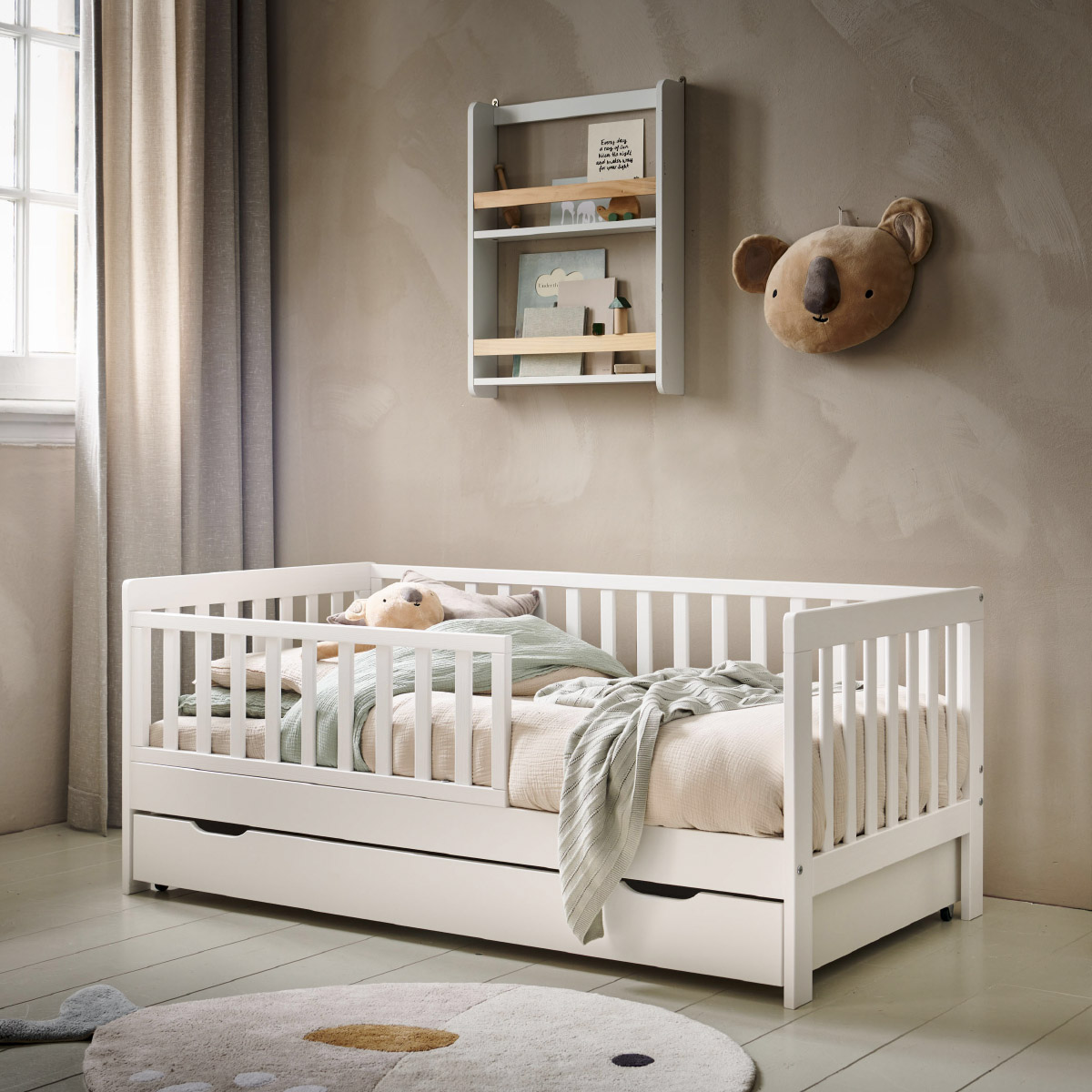
Credit: www.petiteamelie.co.uk
Toddler Bed Dimensions
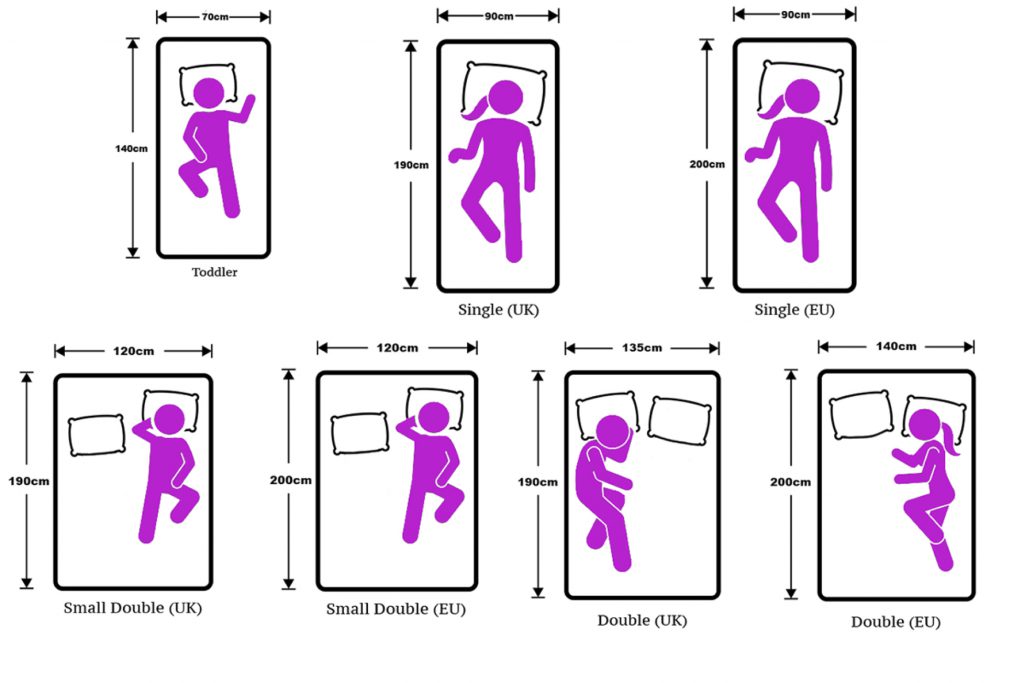
Toddler bed dimensions are important for comfort and safety. Choosing the right size helps your child sleep well. It also fits your room space perfectly. Toddler beds come in several sizes. Understanding these sizes makes your choice easier.
Standard Toddler Bed Sizes
The most common toddler bed size is 28 inches wide by 52 inches long. This size fits most toddlers comfortably. It is smaller than a twin bed but bigger than a crib mattress. Many toddler beds use the same mattress size as cribs. This helps parents save money by reusing mattresses.
Variations In Bed Length And Width
Some toddler beds vary slightly in size. Width can range from 27 to 30 inches. Length may vary between 50 to 54 inches. These small differences suit different room sizes and child needs. Always check the exact dimensions before buying. This avoids problems with mattress fit or room space.
Comparing Toddler Beds To Cribs And Twin Beds
Toddler beds are larger than cribs but smaller than twin beds. Crib mattresses usually measure 28 by 52 inches. Twin mattresses are bigger, about 38 by 75 inches. Toddler beds bridge this size gap. They help toddlers transition smoothly from crib to bed. This size also fits well in smaller rooms.
Choosing The Right Size
Picking the right size for a toddler bed matters a lot. A bed that fits well keeps your child safe and comfortable. It also helps the bed last longer as your child grows. Measuring carefully and thinking about the room space is key. This guide breaks down the main points to help you choose the best size.
Measuring Your Child
Start by measuring your child’s height and length. Use a tape measure to check from head to toe. Add a few inches for comfort and movement. This ensures the bed is not too small or too big. A bed too small can feel cramped. Too big can feel unsafe or waste space.
Considering Room Space
Look at the room where the bed will go. Measure the available floor space carefully. Check for other furniture like dressers or toys. Leave enough space for your child to move around easily. A bed that fits well helps keep the room tidy and safe.
Future Growth And Longevity
Think about how fast your child grows. Choose a bed that will last a few years. Some toddler beds convert into bigger beds later. This saves money and space in the long run. A bit of extra room in the bed means comfort for longer.
Types Of Toddler Beds
Toddler beds come in different styles and designs. Each type suits various needs and spaces. Choosing the right bed helps your child sleep comfortably. It also fits your room size and budget. Understanding the types makes picking easier and fun.
Convertible Beds
Convertible beds change as your child grows. They start as cribs, then become toddler beds. Some even turn into full-sized beds. This saves money and space. Parents like these beds for their long use and flexibility.
Themed And Character Beds
Themed beds have fun shapes and colors. They often look like cars, castles, or animals. Character beds feature popular cartoon or movie figures. These beds make bedtime exciting for toddlers. Kids feel happy and cozy in these beds.
Portable And Travel Beds
Portable beds are easy to move from room to room. Travel beds fold up for trips and visits. They are light and simple to carry. These beds help toddlers sleep well away from home. Parents appreciate the convenience and comfort they offer.
Credit: www.cuckooland.com
Safety And Comfort Factors
Choosing the right toddler bed size is not just about fitting the room. Safety and comfort play a key role in your child’s sleep quality. A safe bed protects your toddler from falls. Comfort helps them sleep well and grow healthy. Let’s explore important factors that make a toddler bed safe and cozy.
Bed Rails And Guardrails
Bed rails stop toddlers from rolling out while sleeping. Guardrails should be high enough to block falls. They must fit tightly on the bed frame. Smooth edges and no gaps are important. This prevents injuries and keeps your child secure. Check for strong rails that do not wobble.
Mattress Compatibility
The mattress must fit snugly inside the bed frame. Gaps between mattress and frame can trap tiny fingers. Choose a mattress that matches the bed’s size. A firm mattress supports your child’s growing body. Avoid soft or sagging mattresses that cause discomfort. The mattress cover should be breathable and easy to clean.
Materials And Build Quality
Look for beds made from solid wood or sturdy metal. These materials last longer and stay stable. The finish should be smooth and non-toxic. Paint or varnish must be safe for children. Avoid beds with sharp corners or splinters. Quality construction reduces the risk of accidents and adds comfort.
Tips For Mattress Selection
Choosing the right mattress for a toddler bed is important for your child’s comfort and safety. The mattress must fit well and support healthy sleep. This guide helps you pick the best mattress by covering key points. Follow these tips to make a smart choice.
Standard Mattress Sizes For Toddlers
Toddler mattresses usually measure 28 inches wide and 52 inches long. This size fits most toddler beds perfectly. Some beds may require a slightly different size, but this is the most common. Always check your bed’s dimensions before buying a mattress. A mattress that is too big or small can cause discomfort or safety issues.
Material Options And Benefits
Foam mattresses are lightweight and easy to move. They offer good support and comfort. Innerspring mattresses have coils for extra durability. They can last longer but may be heavier. Natural materials like latex or organic cotton are hypoallergenic and safer for sensitive skin. Choose a material that suits your child’s needs and allergies.
Breathability And Firmness
Mattress breathability helps keep your toddler cool during sleep. Look for materials that allow air flow. Firm mattresses support your child’s growing body. Soft mattresses can cause poor posture or discomfort. A firm and breathable mattress helps prevent overheating and provides proper support.
Room Setup And Accessories
Setting up a toddler bed involves more than just picking the right size. The room layout and accessories play a big role in comfort and safety. Thoughtful arrangement helps your child feel secure and enjoy their space. Small details can make a big difference in daily use.
Optimizing Space Around The Bed
Keep enough room for your child to move freely. Leave space for crawling and playing near the bed. Avoid placing sharp or heavy objects close by. Use corners and walls wisely to keep the floor clear. A tidy space reduces the risk of trips and falls.
Choosing Bedding And Pillows
Select soft, breathable bedding that fits the toddler bed size. Avoid heavy blankets and big pillows to prevent suffocation risks. Choose hypoallergenic materials to protect sensitive skin. Bright colors and fun patterns can make bedtime more inviting. Change bedding regularly to maintain cleanliness.
Storage Solutions Near The Bed
Use low shelves or bins for easy access to toys and books. Keep storage containers within your child’s reach for independence. Choose furniture with rounded edges for safety. Store nighttime essentials like a favorite toy or nightlight nearby. Organized storage helps keep the room neat and calm.
Signs Your Child Needs A Bigger Bed
Knowing when your toddler needs a bigger bed is important. It helps them sleep better and stay comfortable. Kids grow fast, and their bed should keep up with their needs. Watch for signs that show your child has outgrown their current bed.
Comfort Issues
Your child may feel cramped in a small bed. They might kick the bed’s sides or hang off the edge. If they complain about not having enough space, it is time for a bigger bed. A larger bed gives them room to stretch and move freely.
Growth Milestones
As toddlers grow taller, their bed size should change too. Most toddlers outgrow their toddler beds around age 3 to 5. Check their height and compare it to the bed length. If their feet hang over the edge, the bed is too small.
Sleep Quality Concerns
Restless nights can mean the bed is too small. Tossing and turning shows discomfort. Poor sleep affects mood and energy during the day. A bigger bed can help your child sleep soundly and wake up refreshed.

Credit: littlepartners.com
Frequently Asked Questions
What Are The Standard Toddler Bed Dimensions?
A standard toddler bed measures approximately 28 inches wide and 52 inches long. This size fits a toddler mattress, which is smaller than a twin bed. It provides enough space for toddlers transitioning from a crib, ensuring comfort and safety during sleep.
When Should I Switch To A Toddler Bed?
Switch to a toddler bed when your child outgrows the crib, usually between 18 months and 3 years. Look for signs like climbing out of the crib or needing more space. Toddler beds offer a safe and comfortable transition for growing kids.
Can Toddler Beds Use Regular Crib Mattresses?
Yes, most toddler beds use standard crib mattresses, typically 28 by 52 inches. This compatibility makes the transition easier and cost-effective. Ensure the mattress fits snugly to prevent gaps that could pose safety risks to your child.
Are Toddler Beds Safer Than Cribs?
Toddler beds are designed with low frames and guardrails for safety. They allow easy access and reduce fall risks compared to climbing out of cribs. However, always ensure the bed meets current safety standards for the best protection.
Conclusion
Choosing the right toddler bed size keeps your child safe and comfortable. Most toddler beds fit a standard crib mattress, around 28 by 52 inches. This size suits toddlers well as they grow and explore. Picking the correct size also helps your room stay organized.
Remember, a proper bed size supports better sleep and healthy growth. Take your child’s needs and room space into account. A good fit means happy nights and easy mornings for both of you. Simple, safe, and just right—that’s what matters most.