Your bedroom should be a peaceful retreat, but how you position your furniture can make all the difference. If you’ve ever felt cramped or unsettled in your space, it’s likely because your furniture isn’t arranged in the best way.
By simply moving your bed, dresser, or nightstands, you can create a room that feels open, balanced, and perfectly tailored to your needs. Ready to transform your bedroom into a relaxing haven? Keep reading to discover easy, practical tips on how to position your bedroom furniture for maximum comfort and style.
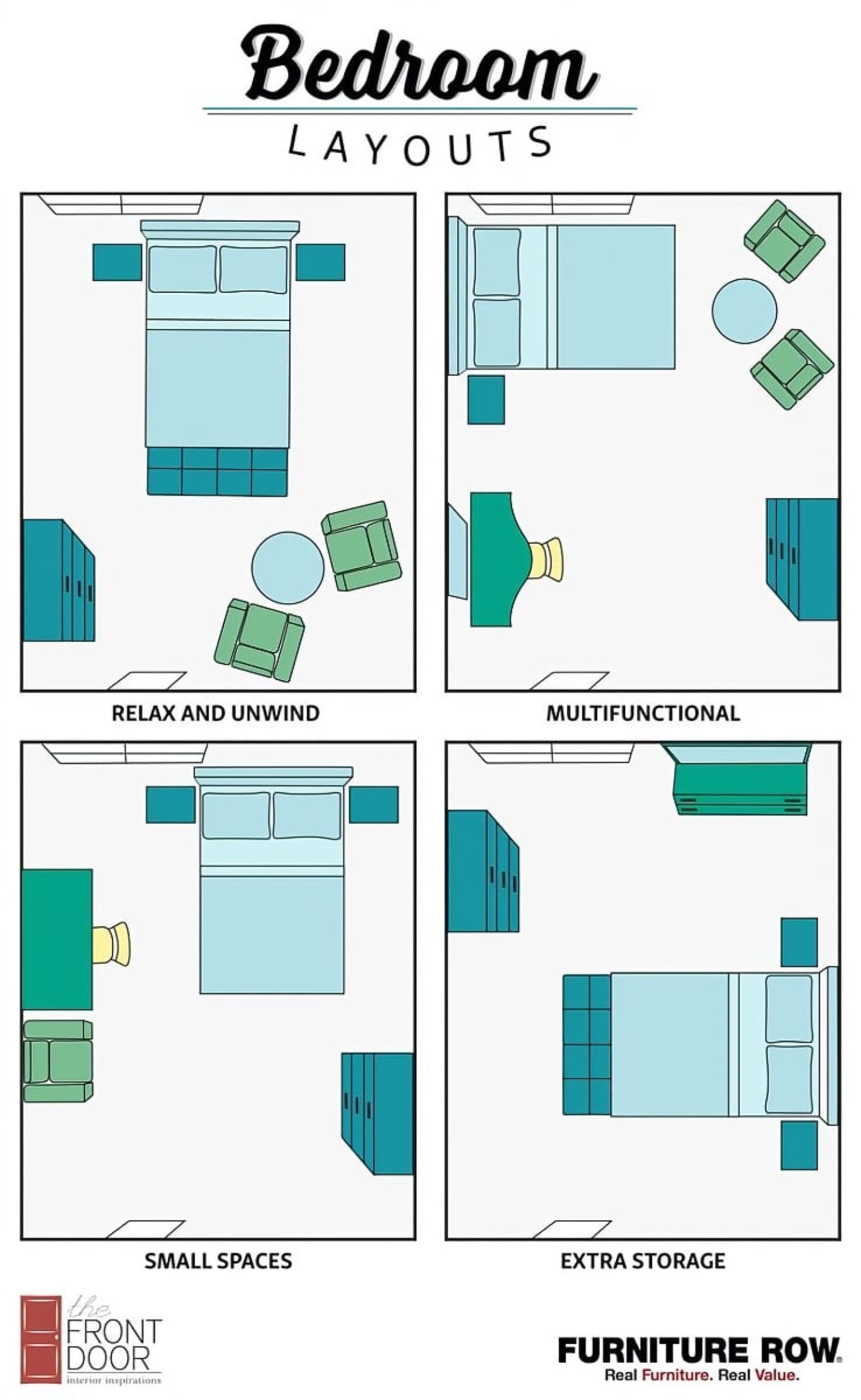
Credit: www.furniturerow.com
Room Size And Shape
Room size and shape play a key role in positioning bedroom furniture. Each space has unique needs that affect how furniture fits and functions. Understanding your room’s dimensions helps create a balanced and comfortable layout.
Small rooms need careful planning to avoid clutter and maintain flow. Large rooms offer more freedom but require zones to feel cozy. Irregular shapes challenge conventional layouts but can highlight creativity.
Small Bedroom Strategies
Choose compact furniture to save space. Use beds with storage underneath to reduce clutter. Place larger pieces against walls to open floor space. Mirrors help reflect light, making the room feel bigger. Keep pathways clear for easy movement.
Large Bedroom Layouts
Divide the room into functional zones like sleeping, dressing, and relaxing. Use rugs to define each area. Place the bed as a focal point, often centered on the longest wall. Add seating or a reading nook to fill empty corners. Balance furniture size with room scale.
Irregular Room Shapes
Identify the room’s natural focal point, such as a window or fireplace. Fit furniture around odd corners to maximize use. Use flexible pieces like ottomans or benches for awkward spaces. Avoid blocking doorways and windows. Embrace unique angles for a creative design.
:strip_icc()/rustic-bedroom-bench-16e87a7a-b822bf31944f48fa8fe5ba93f8e70e76.jpg)
Credit: www.bhg.com
Bed Placement
Bed placement shapes the room’s flow and comfort. The right spot improves sleep quality and space use. Positioning the bed carefully can make the bedroom look bigger and more inviting. Follow simple rules to create a balanced, restful space.
Command Position Benefits
The command position means placing the bed where you see the door. This spot gives a sense of control and safety. You feel relaxed and calm here, ideal for rest. It also helps keep the bed away from strong drafts or noisy areas.
Avoiding Door Alignment
Do not put the bed directly in line with the door. This position can cause discomfort and disrupt sleep. The bed’s foot facing the door feels unsafe to many people. Move the bed to a side wall or corner to avoid this alignment.
Headboard Against Walls
Place the headboard against a solid wall for support. This setup makes the bed feel stable and secure. Avoid placing the headboard under windows to reduce noise and cold drafts. A wall behind the headboard also helps create a cozy atmosphere.
Optimizing Natural Light
Natural light shapes the feel and function of a bedroom. It highlights colors, opens space, and lifts mood. Positioning furniture to harness daylight creates a calm, bright retreat. Each room’s direction affects light’s timing and strength. Knowing this helps place beds, dressers, and desks wisely.
East-facing Rooms
East-facing rooms receive soft morning light. This light wakes you gently. Place the bed near windows to enjoy dawn’s glow. Avoid blocking windows with large furniture. Use light curtains to keep brightness without glare. Morning light suits light colors and mirrors to spread warmth. Keep reading areas close to these windows for natural morning brightness.
South-facing Rooms
South-facing rooms get bright, steady light all day. This light warms the room and saves energy in winter. Position beds away from direct sunlight to avoid overheating. Place seating or desks near windows to enjoy daylight while working or relaxing. Use rugs and curtains to control brightness and heat. Reflective surfaces can help distribute light evenly in the room.
West And North Orientations
West-facing rooms catch strong afternoon sun. Place beds or soft furnishings on the opposite side to avoid heat. Use blackout curtains to block harsh late light for better sleep. North-facing rooms get cool, soft light all day, good for rest and calm. Position beds and seating where light is indirect but steady. Use warm-colored decor to brighten these cooler spaces.
:strip_icc()/bedroom-fur-rug-blue-bedspread-f5e36d84-0a567ef8963746dbb0d6001f205a1758.jpg)
Credit: www.bhg.com
Furniture Arrangement Tips
Arranging bedroom furniture well creates a calm and comfortable space. Good furniture placement improves flow and makes the room feel larger. Simple tips help balance style and function in any bedroom size.
Placing Larger Pieces
Put big furniture like the bed and wardrobe against walls. This opens the center of the room for easy movement. Avoid blocking windows or doors with large pieces. Keep enough space around the bed for nightstands and walking.
Using Wall-mounted Storage
Wall shelves and hooks save floor space and add storage. Use them for books, decor, or clothes. This keeps the room tidy and frees up room for other furniture. Choose sturdy mounts and place shelves at reachable heights.
Creating Open Floor Space
Clear open areas make the bedroom feel bigger and less crowded. Arrange furniture to leave pathways for walking. Avoid cluttering corners with too many items. Use light-colored rugs to define open zones without closing them in.
Feng Shui And Vastu Insights
Feng Shui and Vastu are ancient arts that guide bedroom furniture placement. These practices focus on energy flow and harmony in your personal space.
Arranging furniture with these insights can improve rest and well-being. Small changes in direction and placement create a balanced, peaceful room.
Ideal Bed Directions
The bed should face specific directions for better sleep and energy. Feng Shui suggests placing the headboard against a solid wall. The bed’s head ideally points south or east for calm and good health. Vastu Shastra recommends sleeping with your head to the south or east. Avoid placing the bed with feet facing the door.
Mirror Placement Rules
Mirrors can reflect energy and affect sleep quality. Do not place mirrors facing the bed directly. Mirrors on the bedroom door or walls are better choices. Avoid mirrors that reflect clutter or sharp corners. Keep mirrors clean and simple for positive energy.
Avoiding Sleep Disruptions
Keep the bedroom clutter-free to allow smooth energy flow. Avoid placing electronic devices near the bed. Use soft lighting and calming colors for a restful feel. Do not place the bed under a window or exposed beams. Proper furniture spacing helps reduce noise and movement disruptions.
Maximizing Storage
Maximizing storage in your bedroom helps keep the space tidy and comfortable. A well-organized room feels larger and more relaxing. Smart storage choices fit your furniture layout and daily needs. Use vertical space and hidden compartments to store items neatly. This section explains easy ways to add storage without crowding the room.
Tall And Narrow Units
Tall and narrow storage units save floor space. They fit well in corners or beside the bed. Use these units to store clothes, books, or accessories. Their slim design keeps the room open and airy. Choose pieces with shelves, drawers, or cabinets for flexible storage.
Under-bed Storage Options
The space under your bed offers great storage potential. Use storage boxes or drawers to keep items out of sight. Store seasonal clothes, shoes, or extra bedding here. Raised bed frames create more room for under-bed storage. This method keeps clutter off the floor and frees up closet space.
Multi-functional Furniture
Furniture with built-in storage saves space and adds function. Beds with drawers or ottomans with storage are good choices. Desks with shelves or nightstands with compartments also help. These pieces reduce the need for extra furniture. Multi-functional furniture keeps essentials close and the room neat.
Balancing Style And Function
Balancing style and function in your bedroom is key to creating a space that feels both beautiful and practical. The way you position furniture affects comfort and flow. Thoughtful choices in colors, textures, and lighting help set the mood. Personal touches make the room truly yours. Here are some simple ways to blend style with function.
Color And Texture Choices
Choose colors that calm and refresh your mind. Soft blues, greens, and neutrals work well. Add texture with pillows, rugs, and curtains. Mix smooth and rough materials for interest. Keep colors balanced to avoid overwhelming the room. Light colors open up small spaces. Dark tones add warmth and coziness.
Lighting For Ambiance
Use layers of light to create a cozy atmosphere. Combine ceiling lights, lamps, and natural light. Dimmers help control brightness for different moods. Place reading lamps near the bed. Avoid harsh overhead lights. Let sunlight fill the room during the day. Soft lighting makes the bedroom inviting and relaxing.
Personalizing Your Space
Add items that reflect your personality. Photos, art, or souvenirs bring life to the room. Choose furniture that fits your lifestyle and needs. Keep clutter low to maintain calmness. Use shelves and baskets for smart storage. Personal touches make your bedroom feel like a true retreat.
Frequently Asked Questions
How Should I Arrange My Bedroom Furniture?
Arrange bedroom furniture by placing larger pieces against walls to free center space. Use tall, narrow storage to save floor area. Position the bed away from doors and windows for comfort. Keep pathways clear and balance furniture for better flow and openness.
What Is The 2/3 Rule Furniture?
The 2/3 rule in furniture means placing larger pieces on two-thirds of a wall or space. This balances room layout and maximizes flow.
What Is The Best Direction For A Bedroom To Face?
The best bedroom direction depends on preferences. East-facing offers morning light and coolness. South-facing provides bright, all-day sun and warmth. Avoid placing the bed facing the door or under a window for better comfort and energy flow.
What Is The Biggest Mistake In Placement Of Furniture?
The biggest mistake in furniture placement is blocking natural pathways, which restricts movement and makes spaces feel cramped.
Conclusion
Positioning bedroom furniture well creates a calm and functional space. Keep the bed as the main focus and arrange other pieces around it. Use walls for larger furniture to open the room’s center. Balance comfort and flow by allowing easy movement paths.
Choose spots with natural light for reading or relaxing areas. Small changes can make your bedroom feel more spacious and inviting. Take time to experiment until the layout feels right for you. A well-arranged bedroom supports rest and boosts your mood daily.
