Struggling to make your small living room feel cozy without feeling cramped? You’re not alone.
When space is limited, every piece of furniture and every inch of floor counts. But here’s the good news: with smart choices and clever arrangements, you can turn your small living room into a stylish, functional retreat that feels much bigger than it is.
In this guide, you’ll discover simple yet powerful tips to pick the right furniture, create flow, and use your space wisely—so your living room works perfectly for you. Ready to transform your small space into a comfortable haven? Let’s dive in.
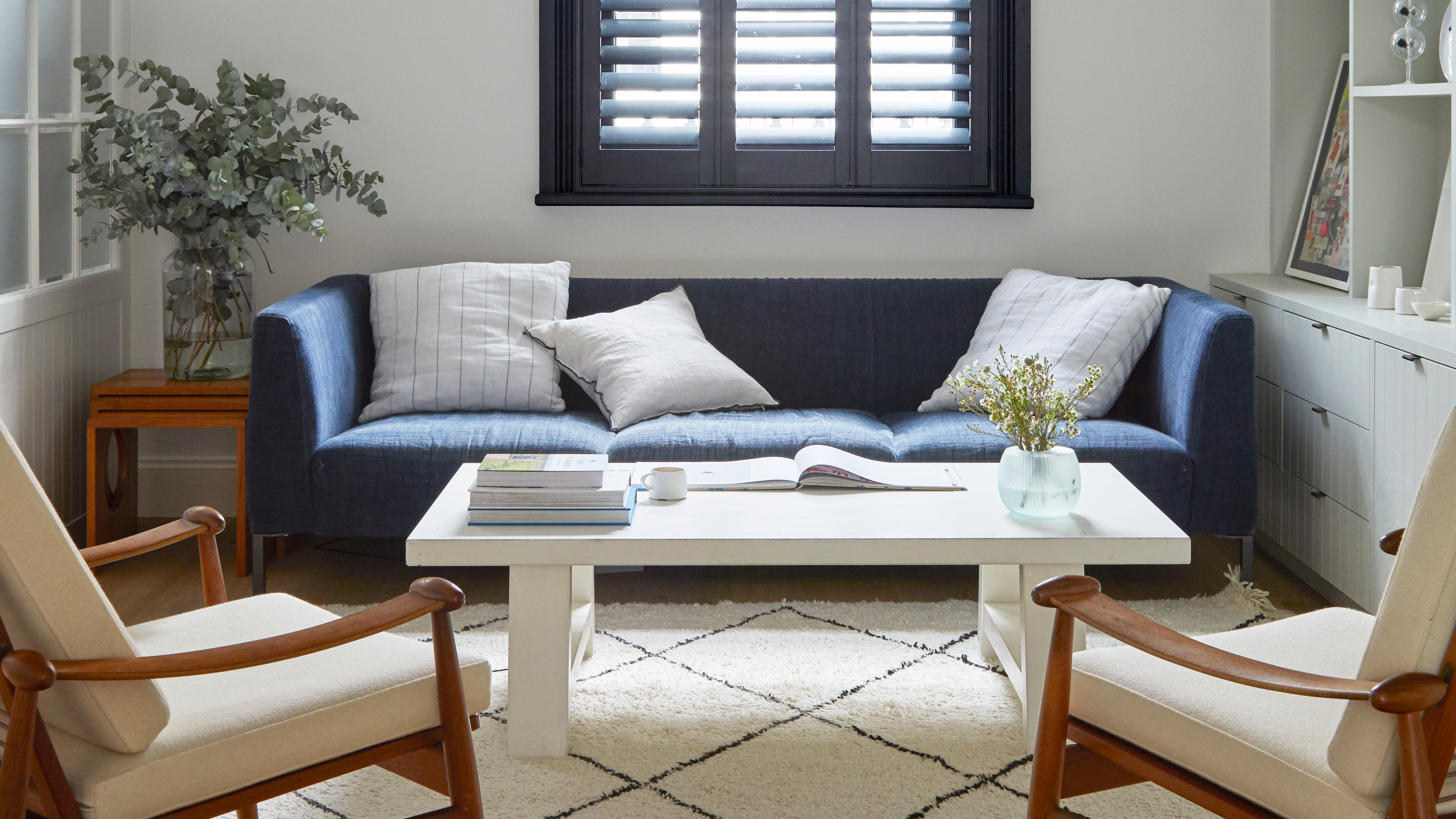
Credit: www.livingetc.com
Set A Focal Point
Setting a focal point in a small living room gives the space purpose and style. A clear focal point draws the eye and helps organize your furniture. It creates a natural flow and makes the room feel balanced. Use this strategy to make your small living room inviting and functional.
Choose A Central Feature
Pick one strong feature to act as the room’s center. It can be a fireplace, a large window, or a TV. This feature should stand out but not overpower the space. Use colors or lighting to highlight it. Keep it simple so the room does not feel crowded. A clear central feature helps guide your design choices.
Arrange Around The Focal Point
Place your main furniture pieces near the focal point. Arrange seating to face or circle around this area. This setup encourages conversation and comfort. Avoid pushing all furniture against the walls; pull pieces slightly inward. This creates a cozy zone and adds depth. Let the focal point lead the layout for a neat, airy room.
Plan Traffic Flow
Planning traffic flow is essential for furnishing a small living room. It helps keep the space open and easy to move through. Good traffic flow prevents the room from feeling crowded or cluttered. It also makes the living area more comfortable for everyone.
Avoid Blocking Pathways
Keep main walkways clear of furniture. Avoid placing large pieces where people naturally walk. Leave enough space for easy movement between furniture. Narrow paths make the room feel tight and uncomfortable. Use small or slim furniture near busy areas. This keeps pathways open and the room airy.
Create Clear Movement Zones
Divide the room into zones for different activities. For example, a seating area and a reading corner. Use rugs or furniture placement to mark these zones. This organization guides movement through the room smoothly. It also helps define each space’s purpose. Clear zones prevent confusion and improve flow.
Select Scaled Furniture
Selecting the right size furniture is key in a small living room. Oversized pieces can make the space feel cramped and cluttered. Choosing scaled furniture helps keep the room open and comfortable. It allows for easy movement and better use of space.
Choose Compact Pieces
Pick furniture that fits the room without overwhelming it. Small sofas, slim chairs, and narrow coffee tables work well. Avoid bulky designs or deep seats that take up too much space. Compact pieces maintain functionality while freeing up floor area.
Look for items with simple shapes and clean lines. They create a neat and uncluttered look. Multi-purpose furniture like storage ottomans or nesting tables adds value without extra bulk.
Use Furniture With Legs
Furniture raised on legs creates a sense of airiness. Legs open up the floor space beneath the furniture. This makes the room feel larger and less crowded. It also makes cleaning easier.
Choose chairs, sofas, and tables with visible legs. Avoid pieces that sit flat on the floor. Transparent or slim legs add a modern and light appearance. The empty space under the furniture tricks the eye into seeing more room.
Use Multi-functional Furniture
Multi-functional furniture is a smart choice for small living rooms. It saves space and adds extra utility. Choosing pieces that serve two or more purposes helps reduce clutter. It also creates a clean and open look.
With limited space, every piece counts. Multi-functional furniture maximizes the room’s potential. It blends style and function for a cozy yet practical living area.
Storage Ottomans
Storage ottomans offer seating and hidden storage. You can store blankets, magazines, or toys inside. This keeps the room tidy and organized. They also work as footrests or extra seating for guests. Choose ottomans with a sturdy lid that opens easily. Pick colors and fabrics that match your decor to keep the space cohesive.
Nesting Tables
Nesting tables fit together in a compact stack. Pull them apart for use as side tables or coffee tables. They provide flexible surfaces without taking much floor space. Nesting tables can be moved around to suit your needs. Look for sets with different heights and shapes. This variety adds visual interest and practical options in a small room.
Float Furniture Away From Walls
Floating furniture away from walls changes a small living room’s feel. It stops the usual boxy layout. This simple trick creates space and comfort. It opens the room and adds style. The room feels larger because air flows better. Placing furniture in the middle helps form clear areas. This way, each piece has purpose and place. The room becomes easy to move through. These benefits make floating furniture a smart choice.
Define Zones
Floating furniture helps split the room into zones. Each zone has a clear function, like seating or reading. For example, a sofa away from the wall can face chairs. This builds a cozy chat area. A small table can mark the dining space nearby. Rugs or lighting also highlight zones. Defining zones makes the room feel organized. It guides people naturally through the space.
Encourage Openness
Leaving space between furniture and walls invites openness. It stops the room from feeling tight or cluttered. This extra space lets light travel freely. It also eases walking paths. Floating pieces with legs add to this light, airy look. Openness feels calm and welcoming. It makes small rooms seem bigger and less crowded. Moving furniture away from walls encourages a fresh, open vibe.
Create Conversation Areas
Creating conversation areas in a small living room makes the space inviting and practical. It encourages people to gather and talk comfortably. Thoughtful seating arrangements help use the room wisely without overcrowding.
L-shaped Seating
L-shaped seating fits well in small spaces. It uses corners effectively and offers plenty of seats. Place a sofa and a loveseat or sectional in an L shape. This setup faces the center, ideal for chatting and sharing.
Add a small coffee table inside the L for drinks and snacks. Keep pathways clear to allow easy movement. L-shaped seating creates a cozy corner that feels open, not cramped.
Circular Arrangements
Circular seating invites conversation by placing everyone face to face. Use a round rug to anchor the area. Arrange chairs or small sofas around a round coffee table. This shape helps balance the room and makes talking easy.
Choose furniture with slim legs to keep the space feeling light. Avoid bulky pieces that block sightlines. Circular layouts work well in the middle of the room or near a window.
Utilize Corners Effectively
Small living rooms benefit greatly from smart use of corners. These spaces often get overlooked but can become key areas for comfort and style. Properly furnished corners add function without crowding the room. They make the space feel larger and more inviting. Focus on corner furniture choices that fit well and enhance flow.
Diagonal Sofa Placement
Place a sofa diagonally in a corner to open the room. This breaks up straight lines and improves movement paths. A diagonal sofa creates a cozy yet spacious feel. It offers more seating without blocking walkways. Choose a sofa size that fits the corner snugly. Add a small side table or lamp for balance and use.
Cozy Seating Nooks
Create a seating nook in a corner for quiet moments or reading. Use a comfortable chair or small loveseat with cushions. Add a small shelf or table nearby for books and drinks. Include soft lighting like a floor lamp to enhance warmth. This nook becomes a personal retreat without taking much space. Corners become functional and inviting with simple touches.

Credit: www.roomandboard.com
Anchor With Rugs
Using rugs to anchor your small living room helps create a clear and cozy space. Rugs define the seating area and add warmth. They also bring all furniture pieces together visually. A well-chosen rug can make your room feel larger and more inviting.
Choose Large Rugs
Pick a rug that fits the size of your living room well. Large rugs make the space appear bigger. Avoid small rugs that break the room into tiny sections. The rug should cover a good part of the floor under the furniture. Neutral or light colors can brighten the room and create an open feel. Patterns can add character but keep them simple to avoid clutter.
Position Furniture On Rugs
Place the front legs of sofas and chairs on the rug. This arrangement anchors the furniture and defines the seating zone. It also helps furniture feel connected instead of floating. If the rug is very large, place all furniture legs on it. For smaller rugs, only front legs should rest on the rug. Keep the rug centered under the main furniture pieces for balance.
Maximize Vertical Space
Maximizing vertical space helps keep a small living room neat and open. It uses wall height to add storage and display areas. This method frees up floor space, making the room feel larger. Think beyond the floor and look upward for smart furniture choices.
Tall Bookshelves
Tall bookshelves make use of unused wall height. They provide plenty of storage without crowding the floor. Choose slim, high shelves to keep the room airy. Use them for books, decor, or baskets to organize small items. This creates a neat, vertical display that draws the eye up.
Wall-mounted Storage
Wall-mounted storage keeps things off the floor and within reach. Floating shelves add space for decorations or essentials. Install hooks or racks for coats and bags near the entry. Cabinets on the wall offer hidden storage for clutter. These options keep your living room tidy and open.
Credit: www.settingforfour.com
Incorporate Mirrors
Mirrors are a smart choice for small living rooms. They brighten the space and make it feel bigger. Using mirrors well can change how your room looks and feels without adding clutter.
Reflect Light
Mirrors bounce natural and artificial light around the room. This brightens dark corners and spreads light evenly. A well-placed mirror near a window can double the sunlight. Brighter rooms feel more open and inviting.
Create Depth Illusion
Mirrors create a sense of depth by reflecting the room back at you. This tricks the eye into seeing more space. Large mirrors or mirrored furniture work great for this effect. They add dimension without taking up floor space.
Use Light Colors
Choosing light colors for a small living room is a smart way to make the space feel larger and more inviting. Light shades reflect more natural light, brightening the room. They create an open, airy atmosphere that helps prevent the space from feeling cramped or cluttered. This approach works well with furniture, walls, and decor to enhance the room’s sense of space.
Neutral Palettes
Neutral colors like whites, beiges, and soft grays are perfect for small living rooms. These shades provide a calm background that does not overwhelm the space. Neutral palettes allow furniture and accessories to stand out without making the room feel busy. They also blend well with different styles and colors. This flexibility helps in changing decor without repainting or replacing big pieces.
Bright And Airy Effects
Using light colors creates a bright and airy effect that opens up small living rooms. Pale blues, soft greens, and pastel tones add subtle color without darkening the space. These colors reflect light and add freshness. Pairing light walls with light-colored furniture enhances this effect. The room feels more spacious, welcoming, and comfortable for relaxing or entertaining guests.
Frequently Asked Questions
How To Layout Furniture In A Small Living Room?
Create a focal point like a TV or window. Float furniture away from walls to improve flow. Use scaled, multi-functional pieces. Anchor seating with a large rug. Maximize vertical storage and add mirrors for light and space illusion.
What Is The 2 3 Rule For Living Rooms?
The 2-3 rule for living rooms suggests arranging 2-3 seating pieces together to create a balanced, comfortable conversation area. It helps define the space and encourages social interaction while maintaining good traffic flow.
What Is The 3-5-7 Rule In Decorating?
The 3-5-7 rule in decorating balances groupings of items: three small, five medium, and seven large pieces create visual harmony. It helps design appealing, well-proportioned spaces by mixing different sizes and quantities of décor elements.
What Is The 3 4 5 Rule In Interior Design?
The 3-4-5 rule in interior design helps create balanced room proportions using a triangle with sides of 3, 4, and 5 units. This guides furniture placement and layout for visually pleasing spaces.
Conclusion
Furnishing a small living room takes smart choices and clear planning. Focus on creating a cozy, open feel by picking the right furniture size. Use multi-purpose pieces to save space and keep the room tidy. Arrange items to allow easy movement and encourage conversation.
Don’t forget to add vertical storage and light colors to brighten the space. Small rooms can feel inviting and stylish with simple design steps. Try these ideas to make your living area both practical and comfortable.