Winter is coming, and you’re probably wondering: can I leave my outdoor furniture outside when the cold hits? You’ve invested time and money into your patio set, and the last thing you want is to see it ruined by frost, snow, or rain.
The answer isn’t a simple yes or no—it depends on the materials your furniture is made from and how well you prepare it for winter. You’ll discover which types of outdoor furniture can brave the winter weather, how to protect your pieces, and the best ways to store or cover them.
Keep reading to make sure your outdoor furniture stays in great shape year after year.

Credit: www.patioline.ca
Winter-friendly Furniture Materials
Choosing the right furniture material is key for winter durability. Some materials handle cold, moisture, and frost better. These winter-friendly materials require less maintenance and last longer outside. Here are some popular options to consider for your outdoor furniture.
Aluminum Benefits And Drawbacks
Aluminum furniture is lightweight and rust-resistant. It withstands snow and rain without corrosion. The metal does not warp or crack in freezing temperatures. On the downside, aluminum can feel cold to touch. It may also dent if hit hard. Overall, it suits winter use with minimal care.
Synthetic Wicker Durability
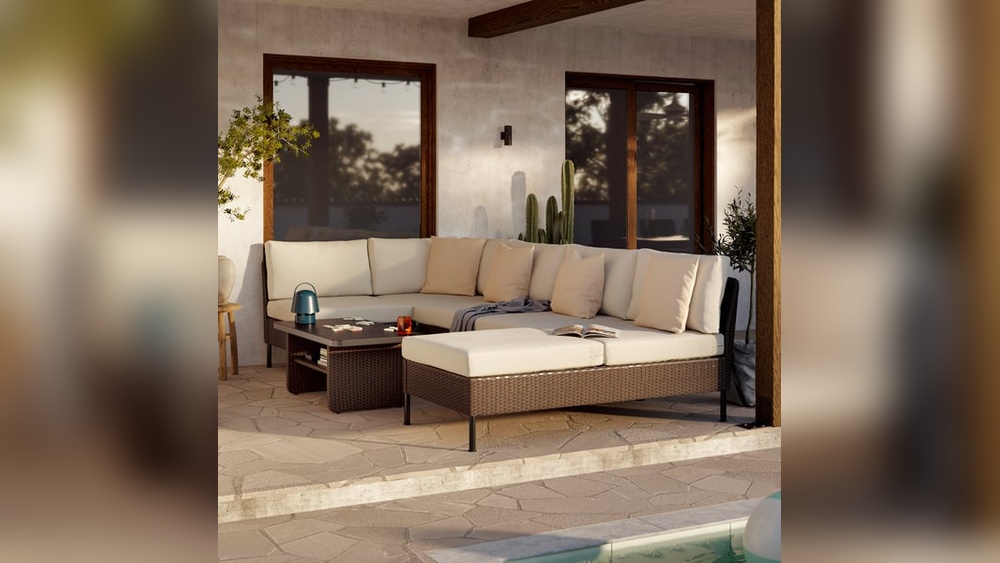
Synthetic wicker is made from resin or plastic fibers. It resists moisture, fading, and cracking. This material can stay outside all winter without damage. It also stays flexible in cold weather. Check for UV protection to avoid color loss. Synthetic wicker combines style with strong winter resistance.
Treated Woods Like Teak And Cedar
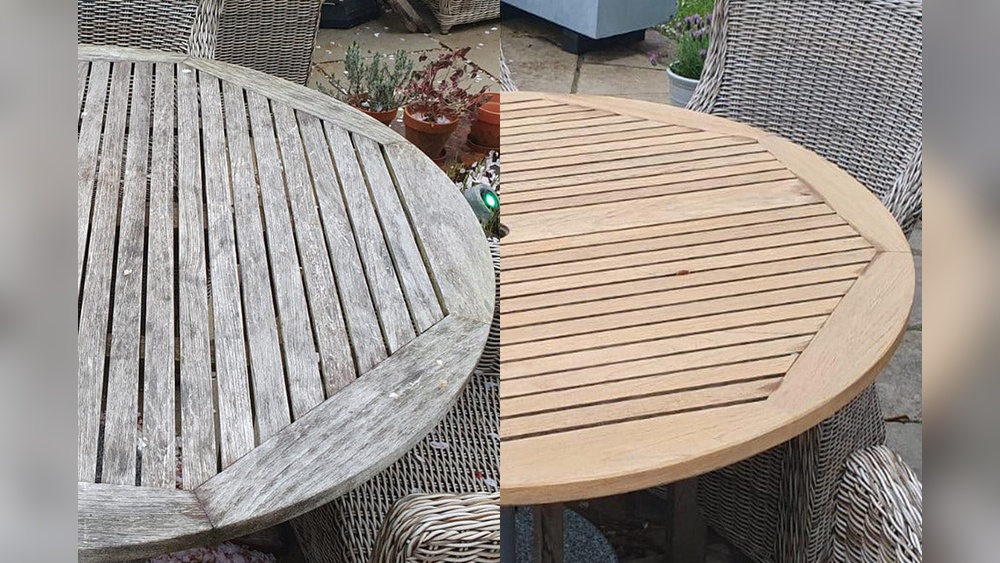
Teak and cedar are naturally durable woods. They contain oils that repel water and insects. Treated wood furniture resists rot, mold, and warping. These materials age beautifully with a gray patina. Regular oiling keeps the wood nourished and protected. Ideal for winter, they offer a natural look and lasting strength.
High-density Polyethylene (hdpe) Uses
HDPE is a tough plastic often used in outdoor furniture. It withstands rain, snow, and UV rays without cracking. This material does not absorb water, preventing mold and mildew. HDPE furniture requires little upkeep and stays stable in cold weather. It is a budget-friendly, winter-proof option.
Marine-grade Polymer Advantages
Marine-grade polymer is designed for harsh environments. It resists salt, water, and ice damage. This dense plastic won’t rot, peel, or splinter. Color runs through the material, so scratches are less visible. Furniture made from marine-grade polymer stays strong year-round. It is a smart choice for winter outdoor use.
Credit: www.familyhandyman.com
Materials That Need Extra Care
Certain outdoor furniture materials demand extra care during winter months. These materials can suffer damage if left exposed to cold, moisture, or ice. Understanding which components need protection helps preserve your furniture’s lifespan.
Glass and plastic elements are among the most vulnerable parts. They require special attention to avoid cracks, breaks, or other weather-related problems. Proper care keeps your furniture safe and looking good season after season.
Risks For Glass Components
Glass surfaces on outdoor furniture can crack or shatter in freezing weather. Rapid temperature changes cause stress on the glass material. Moisture trapped between glass and frame may freeze and expand.
Heavy snow or ice accumulation adds pressure that can break glass panels. Small chips or scratches increase the risk of damage. Using protective covers or moving glass components indoors can prevent costly repairs.
Plastic Vulnerabilities In Cold
Plastic furniture parts become brittle as temperatures drop. Cold air reduces plastic’s flexibility, making cracks more likely. UV exposure combined with winter conditions accelerates fading and weakening.
Some plastics absorb water, which freezes and expands inside the material. This process causes warping or splitting. Storing plastic items inside or covering them tightly helps extend their life.
Protecting Furniture During Winter
Protecting your outdoor furniture during winter extends its life and keeps it looking good. Cold, moisture, and frost can damage many materials. Taking simple steps helps prevent rust, cracks, and fading. You can prepare your furniture to face winter’s harsh conditions.
Focus on covering, securing, and storing parts properly. These actions reduce wear and keep your furniture ready for spring.
Choosing Weatherproof Covers
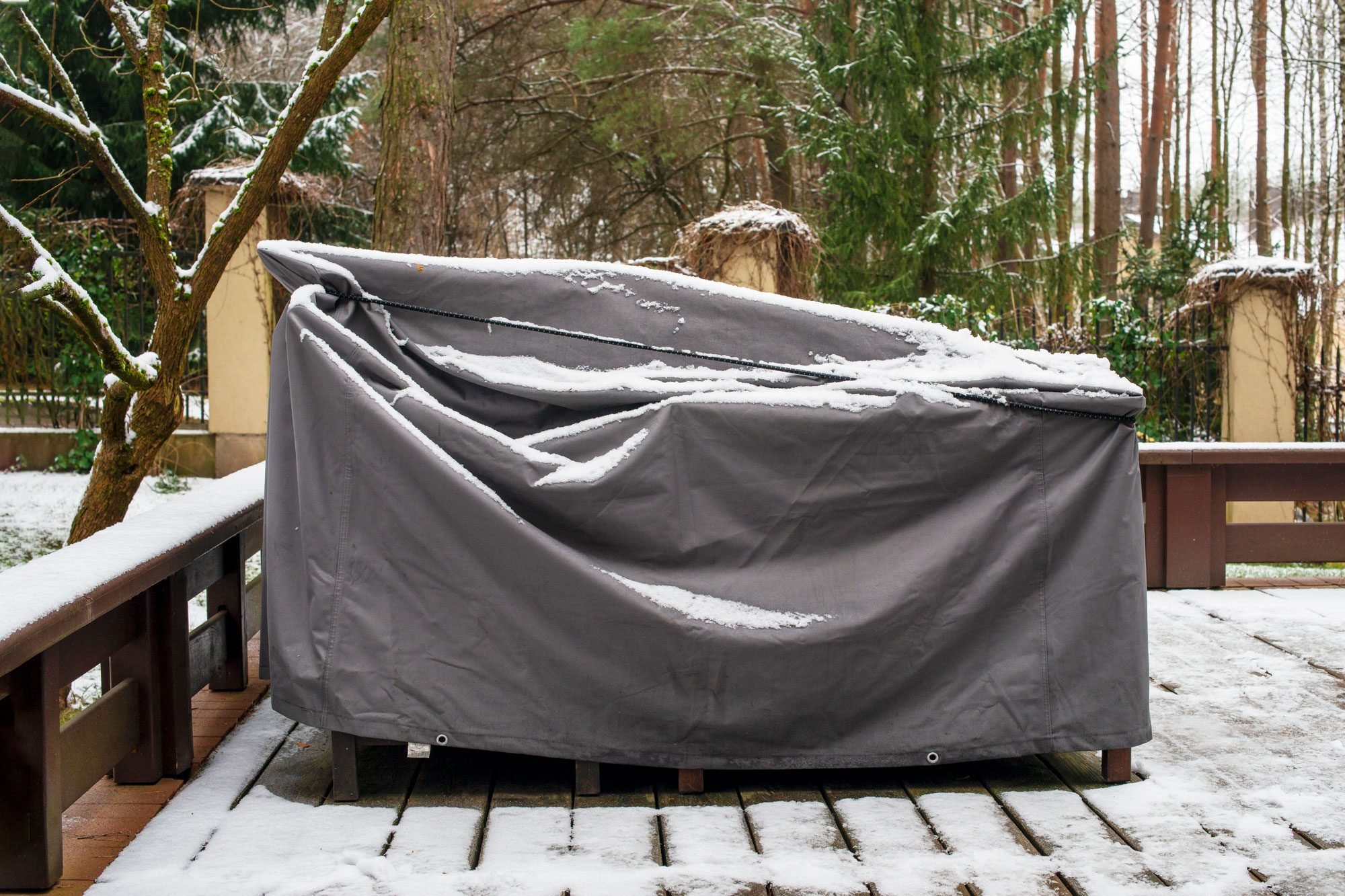
Select covers made from thick, waterproof fabric. These covers block rain, snow, and ice from reaching the furniture. Look for covers with secure fasteners to hold them tight. A good cover fits snugly and stops wind from blowing it off. Avoid thin plastic, which can trap moisture and cause mold. Breathable covers allow air to flow and prevent mildew.
Securing Lightweight Items
Light furniture can blow away in strong winter winds. Use bungee cords or heavy-duty straps to hold them down. Group chairs and tables close to one another for more stability. Move very light pieces indoors if possible. Securing items avoids damage and loss during storms.
Storing Cushions Indoors
Cushions soak up water and take long to dry outside. Store them in a dry, cool space indoors during winter. Use storage bins or bags to keep them clean and protected. Dry cushions prevent mold, mildew, and unpleasant smells. Before storing, make sure cushions are completely dry to avoid damage.
Storage Options For Winter
Maintaining outdoor furniture throughout the year ensures it stays in good shape despite harsh weather. Proper care prevents damage and extends your furniture’s life. Simple maintenance routines prepare your pieces for winter and ready them for use in warmer months. Follow these tips to keep furniture clean, strong, and inviting all year round.
Cleaning Before Winter
Remove dirt, dust, and debris from all surfaces. Use mild soap and water to wash the furniture gently. Avoid harsh chemicals that can damage finishes. Rinse well and allow furniture to dry completely. Clean cushions and fabrics according to manufacturer instructions. This prevents mold and mildew during cold, damp months.
Regular Inspections For Damage
Check furniture regularly for cracks, rust, or loose parts. Pay special attention to joints and screws. Look for signs of wear that could worsen in winter. Early detection helps prevent bigger problems. Inspect cushions for tears or water damage. Replace or repair damaged parts promptly to keep furniture safe and sturdy.
Repairing Wear And Tear
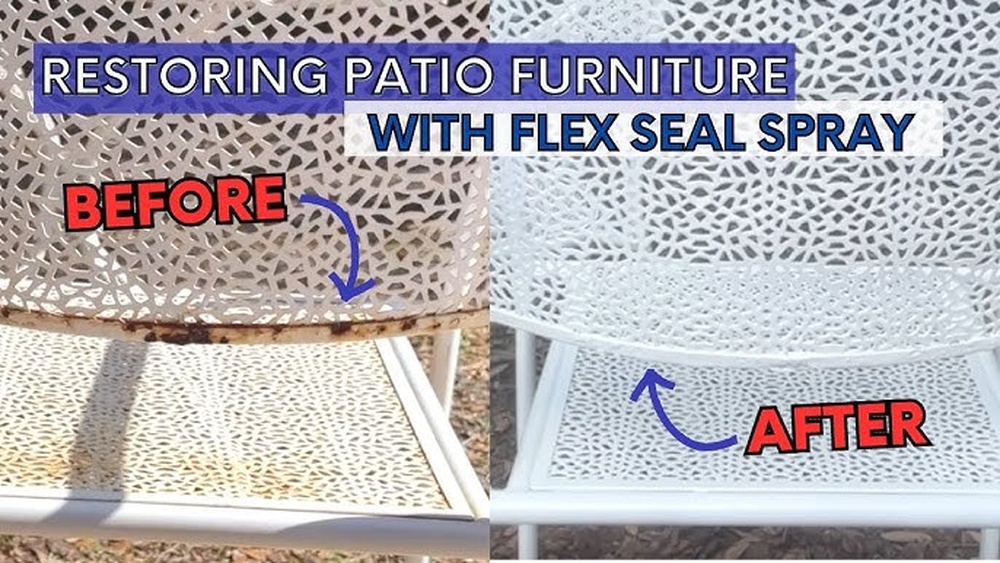
Fix small cracks or chips in wood and metal surfaces quickly. Sand rough spots and apply appropriate sealants or paint. Tighten screws and bolts to maintain stability. Replace broken or worn-out cushions and fabric covers. Timely repairs protect furniture from winter weather and keep it looking fresh. Regular upkeep reduces the need for costly replacements.

Credit: armadillosun.com
Frequently Asked Questions
Is There Any Outdoor Furniture That You Can Leave In The Rain That Doesn’t Rot?
Marine-grade polymer (MGP) outdoor furniture resists rot, swelling, and splintering in rain. Treated woods, aluminum, synthetic wicker, and HDPE plastic also endure wet conditions well. These materials offer durable, low-maintenance options for rain-exposed outdoor furniture.
Where To Store Outdoor Furniture In The Winter?
Store outdoor furniture in a dry shed, garage, or covered patio to protect it from winter weather. Use weatherproof covers if indoor storage isn’t available. Remove and store cushions indoors to prevent moisture damage. This preserves furniture quality and extends its lifespan through harsh winter conditions.
Can Wrought Iron Furniture Be Left Outside In Winter?
Wrought iron furniture can be left outside in winter but risks rust and damage from moisture. Use protective covers and apply rust-resistant paint for better durability. Storing indoors during harsh weather extends its life and maintains appearance.
What Patio Furniture Can Stay Outside All Winter?
Aluminum, synthetic wicker, treated woods like teak, mahogany, cedar, HDPE plastic, and marine-grade polymer withstand winter outdoors. Use weatherproof covers and store cushions separately for protection.
Conclusion
Leaving outdoor furniture outside in winter depends on its material and protection. Durable furniture like aluminum, synthetic wicker, and treated wood handles cold better. Use weatherproof covers to shield pieces from rain and snow. Store cushions indoors to keep them dry and mold-free.
Taking simple steps helps your furniture last longer. Protecting your outdoor furniture saves money and keeps it looking good. Winter care means enjoying your patio furniture for many seasons ahead.