You love your outdoor wood furniture—it adds charm and comfort to your patio or garden. But what happens when the rain starts pouring or a sudden storm catches you off guard?
Can outdoor wood furniture get wet without getting damaged? This question is more important than you might think because water exposure can seriously affect the look and lifespan of your favorite pieces. If you want to keep your wood furniture looking great and lasting for years, you need to understand what happens when it gets wet and how to protect it.
Keep reading to discover simple yet effective tips that will help you safeguard your outdoor wood furniture from water damage and enjoy your outdoor space worry-free.
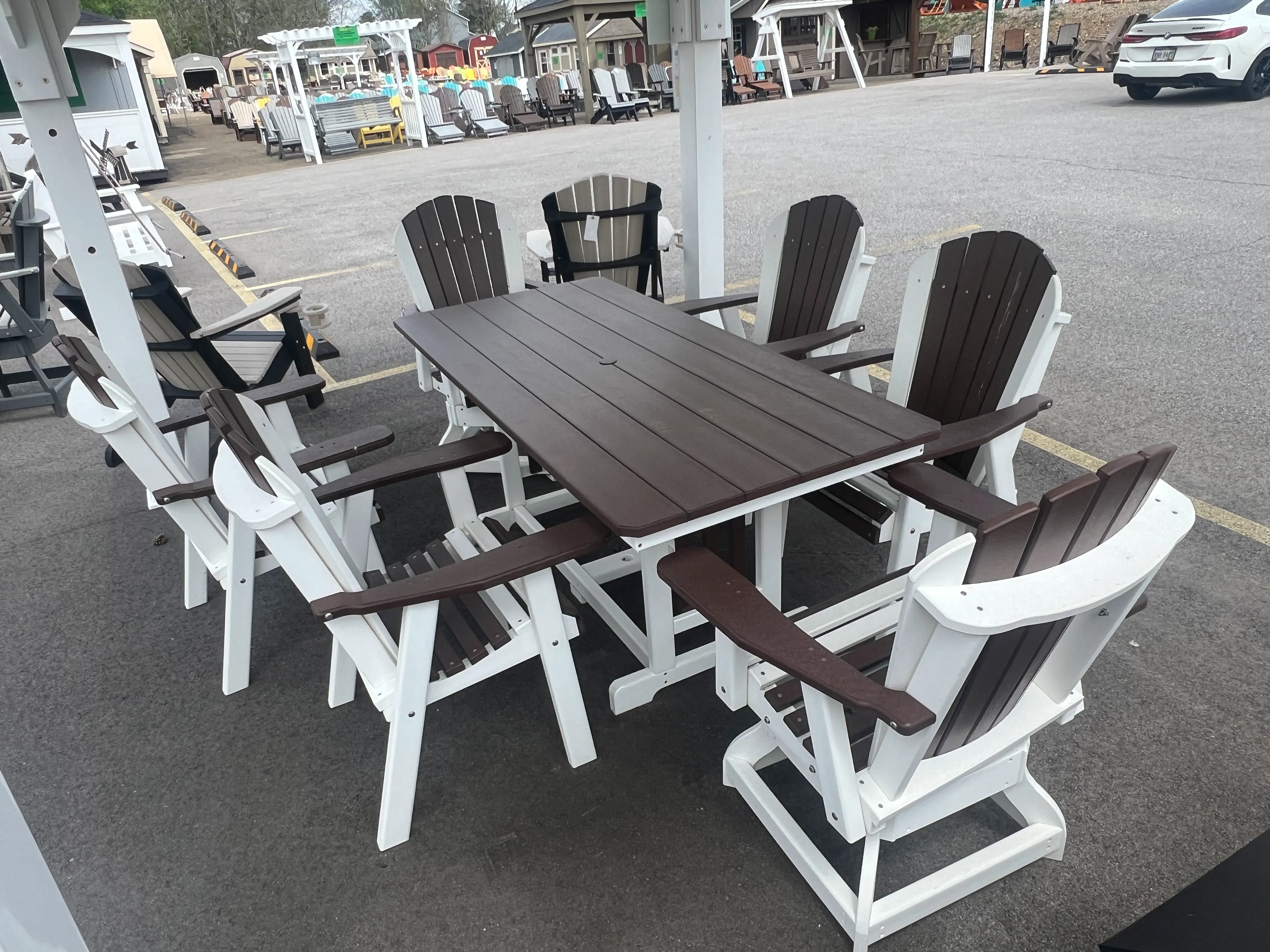
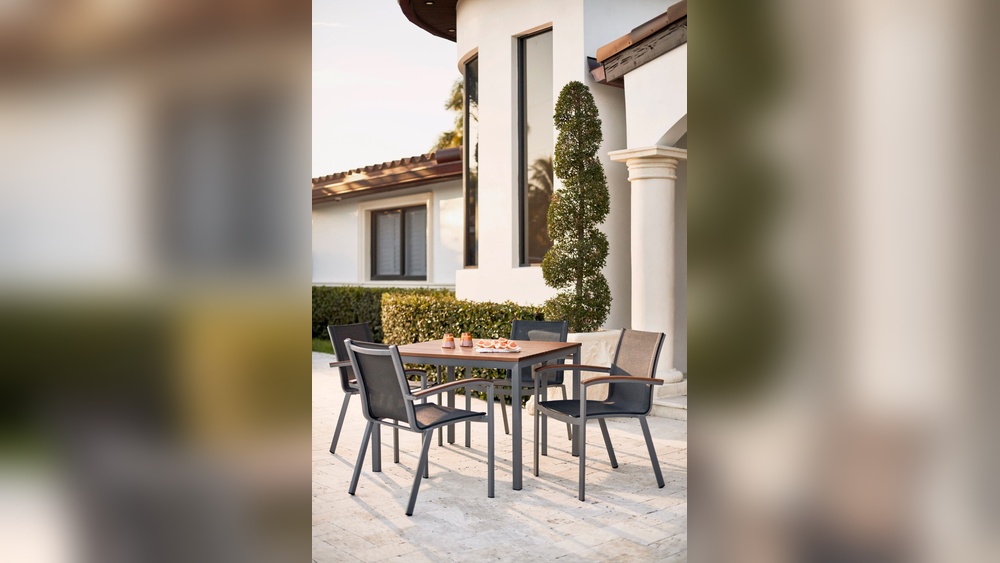
Credit: hartvilleoutdoorproducts.com
Effects Of Water On Wood Furniture
Water exposure affects outdoor wood furniture in several damaging ways. Wood is porous and absorbs moisture easily. This absorption changes the wood’s structure and appearance. Over time, water can cause serious problems that reduce the furniture’s lifespan and beauty. Understanding these effects helps in protecting your outdoor wood pieces better.
Swelling And Warping
Wood absorbs water and expands. This swelling changes the shape of the furniture. Warping happens as wood dries unevenly, causing parts to bend or twist. Warped wood loses its smooth surface and fits poorly with other pieces. This damage weakens joints and makes the furniture unstable.
Cracking And Splitting
After swelling, wood dries and shrinks. This shrinking can create cracks or splits in the wood. Cracks allow more water to enter, speeding up damage. Splitting weakens the wood’s strength and ruins its look. Small cracks can grow larger, leading to costly repairs or replacements.
Wood Rot And Decay
Constant moisture invites fungi and bacteria. These organisms break down wood fibers, causing rot. Rot makes wood soft, crumbly, and weak. It can start inside the wood, hidden from view. Rotting furniture often smells musty and looks discolored. This decay shortens the life of outdoor wood furniture drastically.
Impact On Other Outdoor Materials
Outdoor furniture comes in many materials besides wood. Each reacts differently to moisture and weather. Understanding these effects helps protect your investment. Other outdoor materials can suffer damage when exposed to rain or humidity. This section explains common issues and how they impact furniture longevity.
Rust And Corrosion On Metal
Metal furniture often faces rust and corrosion from water exposure. Iron and steel are especially vulnerable. Rust weakens the metal, causing structural damage. Paint or protective coatings can wear off, speeding up corrosion. Regular cleaning and drying can reduce rust risks. Consider using rust-resistant metals like aluminum or stainless steel for outdoor use.
Mold Growth On Fabric Cushions
Outdoor cushions absorb water easily. Moisture trapped inside fabric causes mold and mildew to grow. Mold stains the fabric and creates unpleasant odors. It also poses health risks to users. Quick drying after rain helps prevent mold. Using water-resistant cushion covers and storing cushions indoors during wet periods improves their lifespan.
Fading Of Plastic Furniture
Plastic furniture resists water but fades under sun exposure. UV rays break down plastic pigments, causing colors to dull. Fading makes furniture look old and worn. Some plastics have UV inhibitors to slow this process. Covering plastic furniture or placing it in shaded areas limits sun damage. Cleaning plastic surfaces regularly also maintains their appearance.
Durability Of Resin Weave
Resin weave furniture combines plastic strands with metal frames. It stands up well to rain and moisture. Resin does not absorb water, preventing mold and rot. Frames made from rust-resistant metals add durability. Resin weave requires little maintenance and keeps its look over time. This material suits outdoor use in wet climates very well.
Immediate Steps After Furniture Gets Wet
Outdoor wood furniture often faces rain and moisture. Acting fast after it gets wet helps keep it safe and lasting longer. Quick care reduces damage like warping or mold growth. The steps below guide you on how to save your furniture after it gets wet.
Drying Techniques
Start by wiping off any standing water with a dry cloth. Use towels to soak up moisture from crevices. Place the furniture in a shaded, dry spot. Avoid direct sunlight to prevent cracking or fading. If possible, use fans to speed up drying. Do not use heat sources like hairdryers as they can damage the wood.
Mold And Mildew Removal
Check the furniture carefully for any mold or mildew spots. Mix mild soap with water and scrub gently using a soft brush. Use a solution of vinegar and water for stubborn mold patches. Rinse with clean water and dry immediately. Regular checks help stop mold from spreading and ruining the wood.
Air Circulation For Cushions
Remove cushions from the furniture and unzip covers if possible. Hang cushions in a well-ventilated area to dry fully. Avoid stacking wet cushions as trapped moisture invites mold. Use fans or open windows to improve air flow. Make sure cushions are completely dry before putting them back outside.

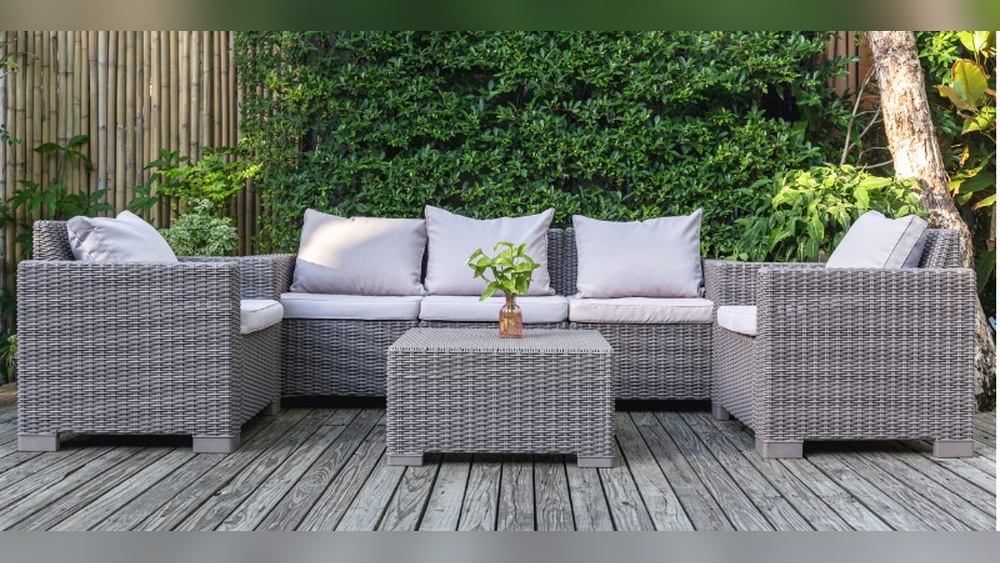
Credit: posh.co.uk
Preventive Care For Outdoor Wood Furniture
Outdoor wood furniture needs regular care to stay beautiful and strong. Rain, dew, and humidity can damage the wood over time. Protecting your furniture helps keep its color and shape. Simple steps extend the life of your outdoor pieces and save money on repairs or replacements.
Preventive care focuses on stopping water from soaking into the wood. This care includes applying protective coatings, using covers, and storing cushions properly. These actions block moisture and reduce the risk of damage from wet weather.
Applying Sealants And Finishes
Sealants create a barrier that stops water from entering the wood. Use products made for outdoor wood to ensure good protection. Apply sealants evenly and allow them to dry fully. Reapply every year or after heavy rain to keep the wood safe. Finishes also add shine and protect against sun damage.
Using Waterproof Covers
Waterproof covers shield furniture from rain and dew. Choose covers that fit snugly to avoid water pooling. Covers protect wood from direct contact with moisture. Remove and dry the covers regularly to prevent mold growth. Covers also keep dirt and debris off the furniture.
Proper Cushion Storage
Store cushions in a dry place when not in use. Wet cushions can grow mold and mildew quickly. Use storage bins or waterproof bags to keep cushions dry. Allow cushions to air out before storing them. Proper storage keeps cushions fresh and extends their life.
Best Wood Types For Outdoor Use
Choosing the right wood for outdoor furniture matters. Wood faces rain, sun, and temperature changes. Some woods handle moisture better than others. Picking durable wood increases furniture life and beauty. Here are some top wood types for outdoor use.
Durable Hardwoods
Hardwoods like teak, cedar, and redwood resist water well. Teak has natural oils that protect it from moisture. Cedar and redwood contain resins that fight decay. These woods stay strong without extra treatment. They also resist insects and rot. Hardwoods usually cost more but last longer outdoors.
Pressure-treated Options
Pressure-treated wood is softwood treated with chemicals. The treatment helps wood resist rot and insects. It is cheaper than hardwood but needs maintenance. Sealing and staining keep it protected from water. It is a good choice for budget outdoor furniture. Avoid using untreated softwood outside; it will decay fast.
Woods To Avoid
Softwoods like pine, fir, and spruce are not good for outdoor use. They absorb water quickly and can rot or warp. Untreated wood of these types needs constant care. Avoid using them unless pressure-treated or sealed well. Cheap wood may save money now but cost more later in repairs.
Maintenance Tips To Extend Furniture Life
Proper maintenance is essential to keep outdoor wood furniture in good shape. Water exposure can damage wood over time. Following simple care steps helps protect your investment. These tips reduce wear and tear from rain and moisture. Regular upkeep extends the life of your furniture and keeps it looking great.
Regular Cleaning Routines
Clean wood furniture often to remove dirt and debris. Use a soft brush or cloth with mild soap and water. Avoid harsh chemicals that can damage the wood. Rinse thoroughly and let it dry completely in the sun. Regular cleaning prevents mold and mildew buildup. It also keeps the wood’s surface smooth and healthy.
Timely Reapplication Of Sealants
Apply sealants or wood protectants every year or as needed. Sealants create a barrier against moisture and sun damage. Choose products made for outdoor wood furniture. Clean the surface before applying a new coat. This step helps prevent water from soaking into the wood. Timely sealing keeps your furniture durable and water-resistant.
Inspecting For Damage
Check your furniture regularly for cracks, splits, or soft spots. Small damage can worsen if left untreated. Repair or replace damaged parts quickly to avoid bigger problems. Look for signs of mold or insect activity. Early detection helps maintain the strength and appearance of the wood. Regular inspections keep your furniture safe and sturdy.
Choosing Wet-resistant Outdoor Furniture
Choosing wet-resistant outdoor furniture is key for lasting comfort and style. Rain and moisture can damage many materials. Selecting furniture that handles water well saves time and money. It also keeps your outdoor space looking fresh and inviting. Focus on materials designed to resist water and dry quickly.
Consider the benefits and limits of different wet-resistant options. Each material has unique qualities that suit various climates and uses. Understanding these helps you pick the best furniture for your needs.
Cast Aluminum Benefits
Cast aluminum resists rust and corrosion, making it ideal for wet environments. It is lightweight yet strong, so moving it is easy. The metal does not absorb water, preventing damage over time. Its smooth surface dries quickly after rain. This furniture lasts many seasons with little upkeep.
Resin And Plastic Advantages
Resin and plastic furniture handle water without warping or rotting. They are easy to clean and maintain. These materials often come in many colors and styles. Their non-porous surfaces stop water absorption. They remain durable even after heavy rain or splashes.
Cushion Fabric Considerations
Outdoor cushions need fabrics that dry fast and resist mold. Look for water-resistant or quick-dry covers. Fabrics with UV protection keep colors bright longer. Removable covers allow easy washing. Choosing the right fabric prevents mildew and keeps cushions fresh.

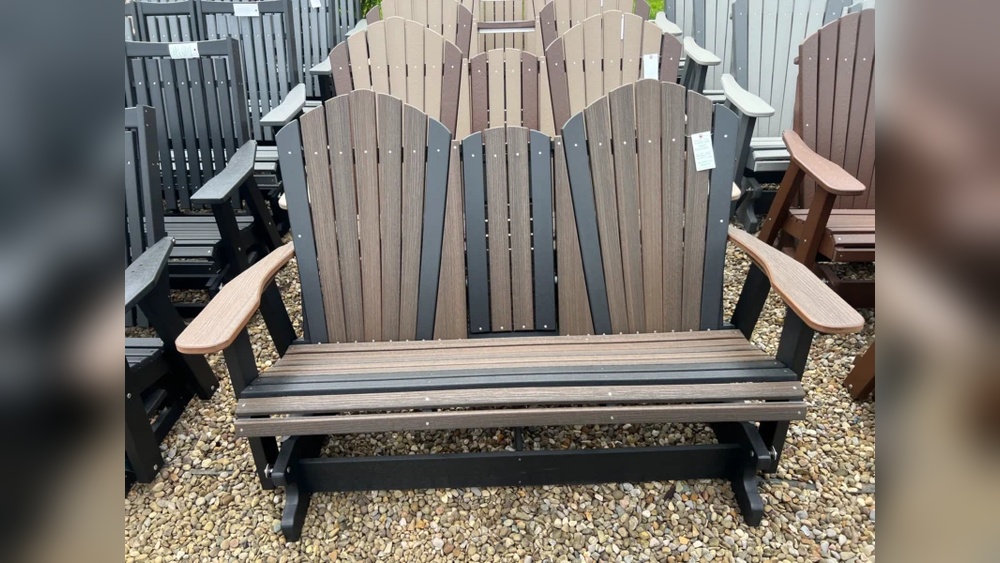
Credit: www.resortchairs.com
Frequently Asked Questions
What Happens If Outdoor Furniture Gets Wet?
Outdoor furniture getting wet can cause wood to warp or rot, metal to rust, and cushions to develop mold. Dry furniture quickly to prevent damage. Use covers or store it sheltered to extend its life and maintain appearance.
Is Wood Furniture Ruined If It Gets Wet?
Wood furniture can warp, crack, or rot if wet for long periods. Dry it quickly and apply sealant to protect it.
Can You Leave Outdoor Furniture In The Rain?
Leaving outdoor furniture in the rain can cause wood to warp, metal to rust, and cushions to develop mold. Dry furniture promptly, use covers, and apply protective sealants to extend its life. Regular maintenance prevents damage and keeps furniture looking good.
Can Wood Furniture Get Rained On?
Wood furniture can get rained on, but water may cause swelling, warping, cracking, or rot over time. Quickly dry wood to prevent damage. Applying a water-resistant sealant and using covers helps protect outdoor wood furniture from rain and moisture damage.
Conclusion
Outdoor wood furniture can handle some wetness but not too much. Water can cause wood to swell, warp, or even rot over time. Treating wood with sealants helps protect it from moisture damage. Always dry your furniture quickly after rain to keep it in good shape.
Using covers or storing furniture inside during heavy rain improves its lifespan. Regular care keeps your outdoor wood furniture looking nice and lasting longer. Remember, a little water is okay, but too much can harm your wood furniture.