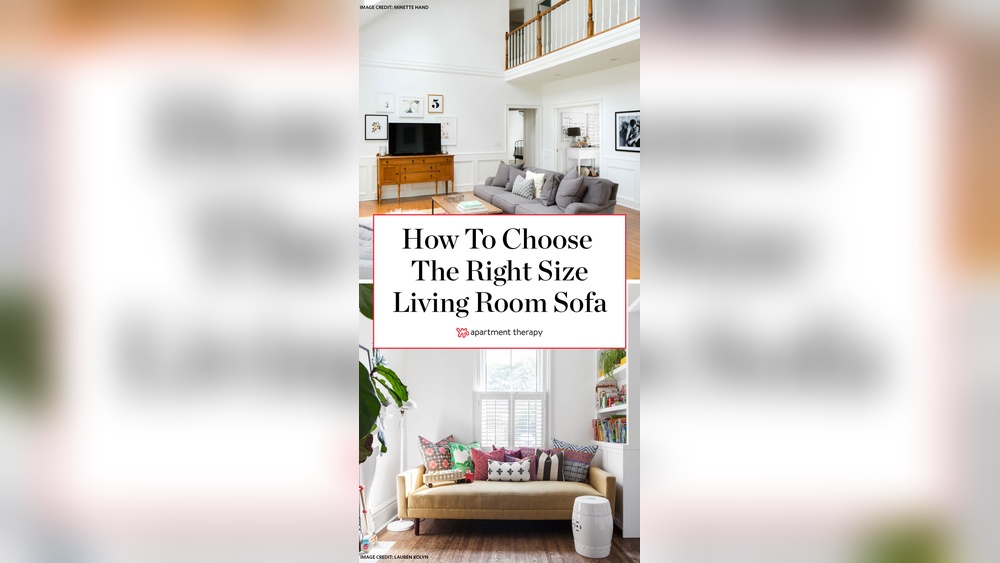
Sizing furniture for your living room can feel tricky. You want a space that looks great but also feels comfortable and easy to move around in.
If your furniture is too big, the room might feel cramped. If it’s too small, the space can seem empty and disconnected. How do you find the perfect balance? This guide will help you understand the key rules and smart tips to size your furniture just right.
By the end, you’ll know exactly how to create a living room that’s both stylish and functional—designed perfectly for your space and your lifestyle. Keep reading to discover how simple measurements and thoughtful choices can transform your living room into a welcoming haven.
Living Room Function
The function of your living room guides how you size your furniture. Each living room serves different purposes. Knowing these helps choose the right furniture size and style. This section breaks down key points to consider for your living room’s function.
Identify Primary Uses
Think about the main activities in your living room. Is it for watching TV, reading, or relaxing? Each use needs different furniture sizes. For example, a TV area needs a comfortable sofa and good viewing distance. A reading nook may require a cozy armchair and a small table. Define the primary use before buying furniture.
Consider Family Needs
Count how many people use the room daily. A large family needs bigger seating options. Choose sofas and chairs that fit everyone comfortably. Small families or singles may prefer compact furniture. Also, think about children or pets. Durable and easy-to-clean furniture suits busy homes. Match furniture size to your family’s lifestyle.
Plan For Entertaining
Do you often host guests in your living room? Then plan for extra seating and open space. Use modular furniture that can move or expand easily. Avoid bulky pieces that block movement. Create enough space for people to stand and sit comfortably. Think about how furniture arrangement supports socializing and flow.
Measure Your Space
Measuring your living room space is the first step to choosing the right furniture size. Accurate measurements help avoid buying pieces that are too big or too small. This step saves time and money while creating a balanced room layout.
Take your time and measure carefully. Note every detail in the space. This will guide your furniture selection and arrangement.
Record Room Dimensions
Start by measuring the length and width of the room. Use a tape measure for accuracy. Write down the numbers clearly on paper or a digital note. Measure from wall to wall at floor level. Also, check the ceiling height. This helps when choosing tall furniture or shelving.
Note Doorways And Windows
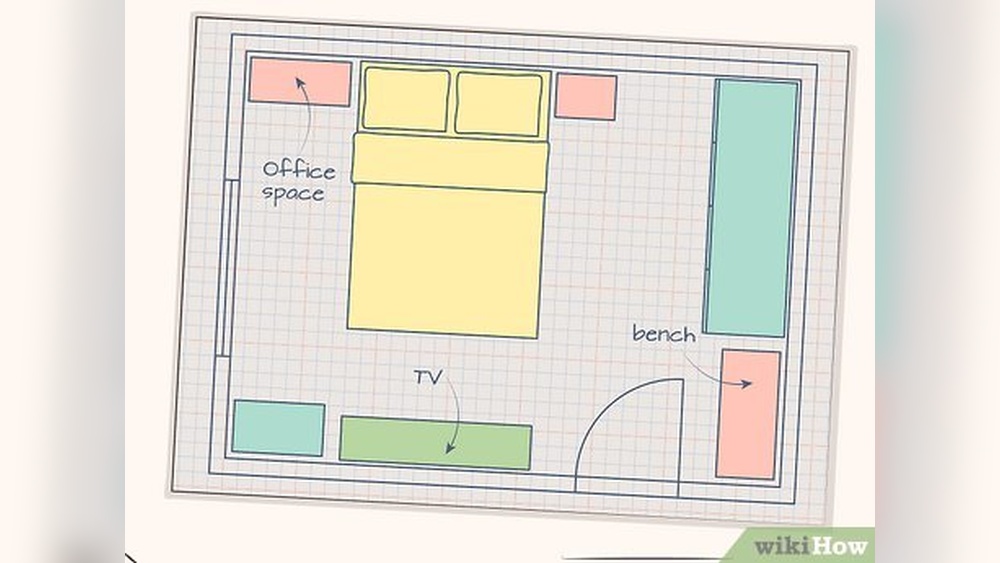
Measure the width and height of all doorways and windows. Mark their locations on your room plan. This ensures furniture does not block access or natural light. Remember to allow space for doors to open fully. Also, note any window sills or radiators that may affect placement.
Mark Traffic Paths
Identify and mark the usual walking routes through the room. Leave at least 2 to 3 feet of clearance along these paths. Clear traffic paths keep the room functional and easy to move around. Avoid placing large furniture in these areas. This makes the space feel open and inviting.
Choose Sofa Size
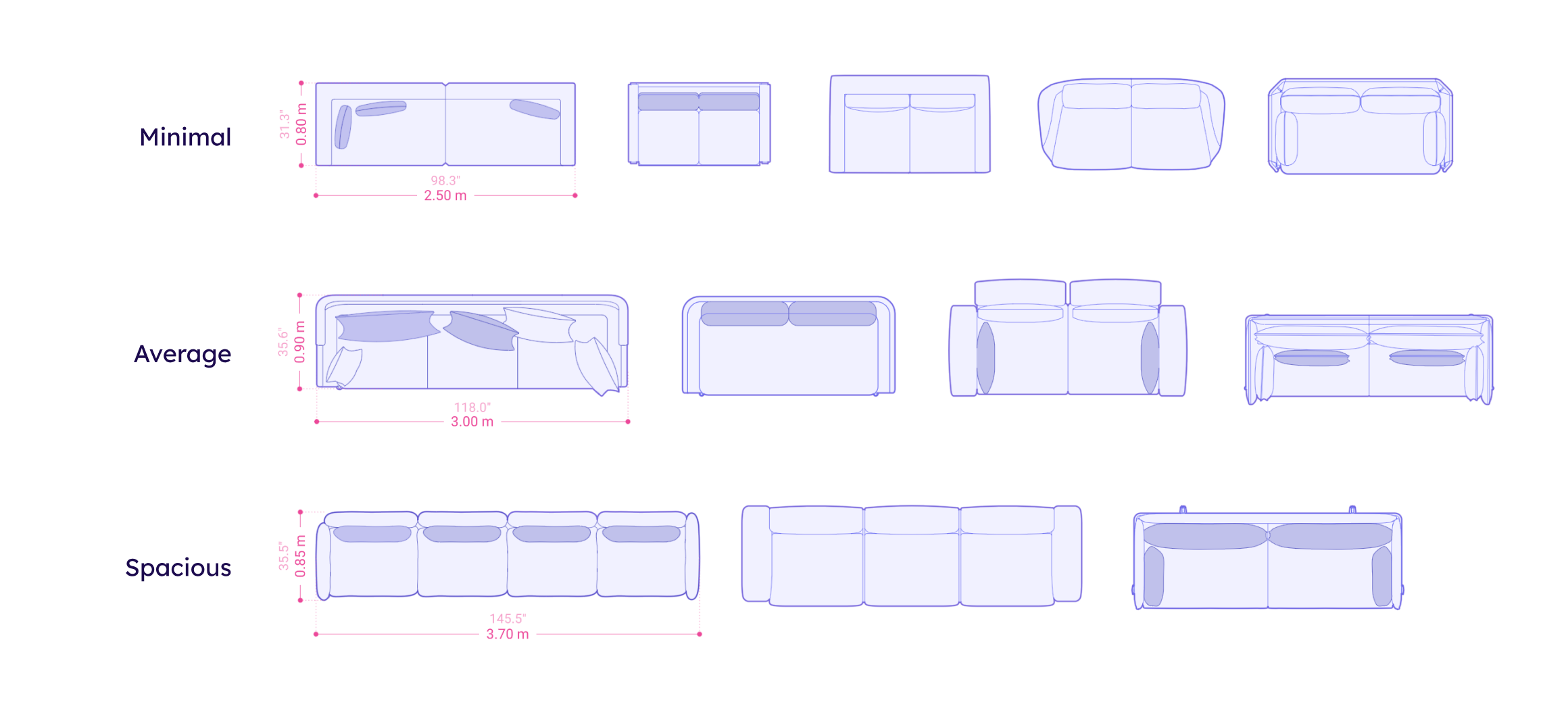
Choosing the right sofa size is key to a comfortable and stylish living room. The sofa often serves as the main seating and focal point. Picking a sofa that fits well improves the room’s flow and appearance. Consider the room size, wall space, and how many people use it daily. Below are simple tips to help select the perfect sofa size.
Apply Two-thirds Wall Rule
Your sofa should take up about two-thirds of the wall length it sits against. This rule keeps the sofa from looking too big or too small. For example, if the wall is 9 feet long, choose a sofa around 6 feet. This balance creates a pleasing look and avoids empty or crowded spaces.
Also, match the coffee table size to the sofa. A coffee table about two-thirds the sofa length works well. This keeps furniture sizes proportional and the area comfortable.
Balance Visual Weight
The sofa should hold about two-thirds of the room’s visual weight in the seating area. Add smaller chairs or ottomans to fill the rest without overcrowding. This mix makes the space feel balanced and inviting. Too large a sofa can dominate the room, while a too-small one feels lost.
Think about the sofa’s style and color too. Dark or bulky sofas seem heavier, so balance them with lighter accessories. Light-colored or slim sofas appear less heavy and fit smaller rooms better.
Select Style And Comfort
Choose a sofa style that fits your living room’s design and your comfort needs. Sectionals work well in large spaces but may overwhelm small rooms. Loveseats or two-seaters suit compact areas better. Pick cushions and upholstery that feel soft and last long.
Measure doorways and hallways before buying. Ensure the sofa can be moved into your home easily. Comfort and style together make a sofa a great place to relax and enjoy.

Credit: www.apt2b.com
Coffee Table Dimensions
Choosing the right coffee table size is important for a comfortable living room. The table should fit well with your sofa and the room’s layout. Proper dimensions help the space feel balanced and inviting. A coffee table that is too big or too small can upset the room’s flow. Consider the length, shape, and height carefully.
Match Two-thirds Sofa Length
The coffee table should be about two-thirds the length of your sofa. This size creates a balanced look and keeps the table proportional. A smaller table can look lost, while a larger one might crowd the space. For example, if your sofa is 90 inches long, choose a table around 60 inches.
Consider Shape And Height
The shape of the coffee table affects how it fits in the room. Rectangular tables work well with long sofas. Round or oval tables suit smaller areas and can soften sharp lines. Height also matters. The table should be about the same height as the sofa’s seat or slightly lower. This makes it easy to reach items on the table.
Allow For Movement Space
Leave enough space around the coffee table for easy movement. Keep at least 18 inches between the table and sofa or chairs. This gap lets people walk comfortably and avoids bumping into furniture. Proper spacing improves the room’s flow and makes the area feel open. Crowded spaces can feel uncomfortable and cluttered.
Seating Arrangement
Choosing the right seating arrangement is key to a comfortable living room. It sets the tone for socializing and relaxing. Proper sizing and placement help the space feel inviting and balanced. Follow simple strategies to arrange your seating with ease and style.
Create Balanced Groupings
Group furniture pieces to form a cozy conversation area. Use one large sofa as the anchor. Add smaller chairs or loveseats nearby. Keep the group centered to avoid empty or crowded spots. Balanced groupings make the room feel calm and organized.
Mix Sofa And Accent Chairs
Combine a sofa with accent chairs for variety and comfort. Sofas provide main seating, while chairs add flexibility. Choose chairs that complement the sofa size and style. This mix creates visual interest and offers more places to sit.
Maintain Adequate Spacing
Keep enough space between furniture for easy movement. Aim for at least 18 inches between seating pieces. Leave clear paths to doors and walkways. Proper spacing prevents the room from feeling cramped or cluttered.
Maintain Room Flow
Maintaining room flow is essential when sizing furniture for a living room. A well-planned layout allows easy movement and creates a comfortable atmosphere. Proper spacing between pieces helps avoid a cramped feeling. It also guides guests naturally through the room.
Good room flow balances function and style. It makes the living space feel open and welcoming. Thoughtful furniture placement supports daily activities without obstacles.
Avoid Overcrowding
Too much furniture makes the room feel tight and cluttered. Choose only essential pieces that fit the space well. Leave enough open areas to prevent a crowded look. Keep larger items against walls to save central space. This strategy helps the room breathe and feel inviting.
Plan Clear Walkways
Walkways should be wide enough for comfortable passage. Aim for at least 30 to 36 inches between furniture. This space allows people to move freely without bumping into objects. Avoid blocking paths with oversized tables or chairs. Clear walkways improve the room’s usability and comfort.
Enhance Navigation Ease
Arrange furniture so traffic flows naturally around key spots. Place seating near focal points like the TV or fireplace. Use rugs or lighting to define areas and guide movement. Avoid forcing guests to step over or around items. Smooth navigation makes the living room feel more relaxing and organized.
Layer Patterns And Textures
Layering patterns and textures in your living room adds depth and interest. It makes the space feel cozy and inviting. Mixing different elements can create a unique look that reflects your style. Follow simple steps to combine patterns, styles, and colors effectively.
Incorporate Three Patterns
Use three different patterns to create balance. Start with a large pattern for a sofa or rug. Add a medium pattern on cushions or curtains. Finish with a small pattern on accessories like throws or lampshades. This layering keeps the space lively without feeling cluttered.
Blend Multiple Styles
Mix modern, classic, and rustic styles to add character. A sleek sofa pairs well with a vintage rug. Combine metal and wood furniture for contrast. Blending styles makes the room feel personal and well thought out. Avoid matching everything perfectly to keep it interesting.
Use Five Colors Or Textures
Choose five colors or textures for a rich look. Pick a base color for walls or large furniture. Add two accent colors in pillows or artwork. Use two different textures like velvet and linen for softness and variety. This mix creates a warm, welcoming space with visual appeal.
Balance Style And Scale
Balancing style and scale is key to creating a living room that feels inviting and well-arranged. Furniture should fit the space without overpowering it. This balance brings harmony and makes the room comfortable for daily use. The right size furniture supports movement and highlights the room’s design.
Mix Period Styles
Combine furniture from different time periods to add character. Vintage pieces can soften modern furniture, making the room feel layered. This mix keeps the space interesting and avoids a too-matched look. Balance large, bold items with smaller, delicate ones from another era.
Adjust For Room Size
Choose furniture that fits the size of your living room. Large rooms can handle bigger sofas and armchairs. Small rooms need compact furniture to keep the area open. Always measure the space before buying to avoid overcrowding or empty corners.
Personalize With Eclectic Pieces
Add unique items that show your personality. Eclectic pieces create focal points and bring warmth to the room. Use colorful cushions, patterned rugs, or unusual chairs to break the uniformity. These pieces make the space feel lived-in and welcoming.
Flexible Design Rules
Flexible design rules let you tailor your living room furniture to your lifestyle. These rules guide size and placement without strict limits. Use them to create a space that feels right for you. Adjust guidelines based on your room’s shape, function, and style preferences. Embrace creativity by mixing different design ideas.
Adapt Guidelines To Needs
Furniture sizing rules help balance a room but may not fit every case. Consider your daily activities and how many people use the space. Large families need more seating, while small rooms need compact pieces. Change measurements to suit your needs. Comfort and function come first, then style.
Break Rules For Effect
Sometimes breaking design rules creates a bold, unique look. A large chair in a small space can become a statement piece. Oversized rugs or lamps add drama and personality. Break rules carefully to avoid clutter or imbalance. Use rule-breaking to highlight special items or create focal points.
Combine Minimalism And Maximalism
Mixing minimalism with maximalism balances simplicity and richness. Use clean, simple furniture with a few bold accessories. A minimal sofa with colorful pillows or art adds interest. This mix keeps the room from feeling empty or crowded. Blend styles to reflect your taste while keeping flow and comfort.
Furniture Clearance
Furniture clearance is key to a comfortable living room. It means leaving enough space between pieces for easy movement and use. Proper clearance helps the room feel open and inviting. It avoids crowding and makes daily activities simple.
Clearance affects how furniture fits and functions. It guides you to place items with enough room around them. This section covers important clearance tips to size furniture well.
Allow Adequate Walking Space
Leave at least 30 inches between furniture pieces for walking paths. This space lets people walk without bumping into furniture. Narrower gaps feel tight and can block movement. Wider paths improve flow and comfort.
Clear walking space helps guests move around easily. It also reduces tripping hazards. Think about daily traffic areas like between sofas and chairs.
Consider Door Swings
Check how doors open near furniture. Doors need space to swing fully. Avoid placing furniture that blocks door movement. Blocked doors cause inconvenience and damage.
Measure door width and clearance before placing furniture nearby. Leave at least 30 inches for door swings. This keeps entryways functional and clear.
Ensure Accessibility
Keep furniture accessible for all users, including those with mobility aids. Clear space around seating helps people sit and stand easily. Avoid tight spots that restrict access.
Make sure pathways meet accessibility standards. Aim for 36 inches wide in main routes. This allows wheelchairs or walkers to pass comfortably.
Final Measurement Tips
Final measurement tips ensure your living room furniture fits perfectly. Proper sizing avoids clutter and creates a balanced look. Use these tips to confirm your choices before buying.
Measure Before Buying
Always take exact room measurements before purchasing furniture. Measure walls, doorways, and windows carefully. Compare these with furniture dimensions to avoid surprises. This step prevents buying pieces that won’t fit well.
Use Scaled Floor Plans
Create a floor plan using a scale, like 1 inch equals 1 foot. Draw your room and furniture to scale on paper or use an app. This visual helps you see how pieces fit and flow in the space. Adjust sizes or placement before buying.
Test Layout With Templates
Cut furniture shapes from cardboard or paper in correct sizes. Place these templates on the floor to test arrangements. Move them around to find the best layout. This hands-on method saves time and helps avoid errors.

Credit: www.dimensions.com
Credit: www.rayon.design
Frequently Asked Questions
What Is The 2 3 Rule For Sofas?
The 2/3 rule for sofas means choosing a sofa about two-thirds the length of the wall it sits against. This creates visual balance, avoids overcrowding, and ensures a pleasing room flow. It guides proportional furniture sizing for harmonious living spaces.
What Is The 3-5-7 Rule In Decorating?
The 3-5-7 rule in decorating means using at least three patterns, five colors or textures, and blending four design styles. This creates a balanced, layered, and personalized space with visual interest and harmony.
What Is The 3 4 5 Rule In Interior Design?
The 3-4-5 rule in interior design means using at least three patterns, four design styles, and five colors or textures to create balance. It adds depth, visual interest, and a personalized, layered look to any space.
What Are The Four Rules In Furniture Arrangement?
The four rules in furniture arrangement are: create balance, avoid overcrowding, enhance flow, and use proper scale. Ensure furniture fits the space, maintain clear pathways, group pieces for conversation, and balance visual weight. These rules promote harmony, comfort, and easy navigation in any room.
Conclusion
Sizing furniture properly shapes your living room’s comfort and style. Measure your space carefully before buying any pieces. Choose furniture that fits well without crowding the room. Balance large items like sofas with smaller chairs or tables. Keep enough space for easy movement and good flow.
Use the two-thirds rule as a helpful guide, not a strict law. Well-sized furniture makes your living room inviting and functional. Take your time to plan, and enjoy a cozy, balanced space.