Struggling to fit all your furniture comfortably in a small bedroom? You’re not alone.
When space is tight, every decision counts—from where you place your bed to how you arrange your dresser and nightstands. The right layout can make your room feel bigger, more inviting, and perfectly functional. You’ll discover smart, easy-to-follow tips on where to put your furniture to maximize space and create a cozy, stylish bedroom you’ll love waking up to.
Ready to transform your small bedroom into a space that works for you? Keep reading to unlock the secrets of smart furniture placement!

Credit: www.wikihow.com
Bed Placement
Choosing the right spot for your bed in a small bedroom matters. The bed is the room’s main piece of furniture. Its placement affects space, comfort, and room flow. Smart bed placement makes the room feel bigger and more inviting. Consider simple tips to find the perfect bed spot.
Centering For Symmetry
Place the bed in the center of the main wall. This creates balance and a neat look. Symmetry helps the room feel calm and organized. It leaves space on both sides for nightstands. Each side should have enough room to move easily. Centering the bed improves the overall bedroom design.
Command Position Benefits
Position the bed where you can see the door clearly. This is called the command position. It makes you feel safe and in control. Avoid placing the bed directly in line with the door. Instead, set it at an angle or off to one side. This setup helps with relaxation and better sleep.
Avoiding Drafts And Noise
Keep the bed away from windows or vents. Drafts can make sleeping uncomfortable. Noise from outside or hallways can disturb rest. Pick a wall that blocks cold air and loud sounds. This choice improves sleep quality and comfort. A cozy, quiet spot matters in a small bedroom.
Opposite Architectural Features
Place the bed opposite a window or door if possible. This creates a nice view and natural light balance. Avoid blocking built-in features like closets or shelves. Use the room’s shapes to guide bed placement. Opposite features make the room feel larger and more open.
:max_bytes(150000):strip_icc()/hermosa-ave-home-tour-kids-bedroom-0320-opus1-752fd1b51889479c8093e6215efe9c26.jpg)
Credit: www.marthastewart.com
Maximizing Circulation
Maximizing circulation in a small bedroom helps make the space feel open and comfortable. Proper furniture placement creates smooth movement throughout the room. This avoids cramped spots and makes daily tasks easier. Paying attention to circulation improves both function and style.
Clear Pathways
Keep walking paths free of furniture and clutter. Leave at least 24 inches for comfortable movement. Avoid blocking areas with chairs, tables, or storage units. Clear pathways help the room feel less crowded and more inviting.
Easy Access To Door And Closet
Place furniture to allow quick entry and exit. Ensure the door swings open fully without hitting objects. Keep the closet area open for easy reach. This avoids hassle and frustration in a small space.
Avoiding Zigzag Routes
Arrange furniture to create straight, direct routes. Zigzag paths waste space and cause trips or bumps. Align beds and dressers along walls to keep paths simple. This makes moving around easier and safer.
Nightstands And Small Items
Nightstands and small items play a key role in small bedroom layouts. They provide essential storage and keep daily essentials close. Choosing the right spot for these pieces improves both function and flow.
With limited space, every inch counts. Proper placement of nightstands and small items avoids clutter. It also enhances comfort and ease of movement around the room.
Within Reach Placement
Place nightstands close to the bed for easy access. This keeps lamps, phones, and books handy. Avoid stretching or getting out of bed to reach essentials.
Small items like alarm clocks and glasses should stay on the nightstand surface. Use drawers or shelves to store less-used items neatly. This keeps the area tidy and organized.
Keeping Pathways Clear
Leave enough space between the bed and nightstands to walk comfortably. Narrow gaps create cramped, unsafe spots. Aim for at least 18 inches of clearance.
Clear pathways allow smooth movement and prevent accidents. Avoid placing items in front of doors or windows. This keeps the room open and easy to navigate.
Small bedrooms benefit from multi-functional furniture. Nightstands with built-in storage reduce the need for extra pieces. Choose slim or wall-mounted designs to save floor space.
Grouping By Function
Grouping furniture by function helps create order in a small bedroom. It defines clear zones for specific activities. This method saves space and improves comfort. Each area feels purposeful without clutter.
Dressing Area Setup
Place a small dresser or wardrobe near the room’s entrance. Add a mirror above or beside it. Use hooks or a valet stand for daily clothes. Keep this area simple to avoid crowding. Good lighting helps when choosing outfits.
Entertainment Zone
Set a small TV stand or wall mount opposite the bed. Use compact shelves for media and gadgets. Keep cables tidy with clips or covers. Choose furniture with storage to hold remotes and accessories. This keeps the space neat and functional.
Workspace Corner
Choose a small desk or a wall-mounted foldable table. Place it near a window for natural light. Use a comfortable chair that fits the space well. Add shelves above the desk for books and supplies. Keep work items organized to reduce clutter.
Creating Zones
Creating zones in a small bedroom helps organize the space better. It breaks the room into parts for different uses. Zones make the room feel larger and more functional. Each area serves a clear purpose, reducing clutter and confusion. You can rest, work, and relax without feeling cramped.
Using Rugs And Lighting
Rugs define each zone clearly. Place a rug under the bed to mark the sleeping area. Use a smaller rug near a chair or desk to highlight a reading or work spot. Rugs add texture and warmth, making zones feel cozy.
Lighting plays a key role in zoning. Use different light sources for each area. A bedside lamp creates a calm sleeping zone. A desk lamp brightens the workspace. Overhead lights can unify the room while still showing separate zones.
Distinct Activity Areas
Separate the room into clear activity zones. The bed area should focus on rest and sleep. Keep this zone simple with minimal furniture. A desk or small table can create a work or study zone. Add a comfy chair to make a reading nook.
Use furniture placement to define zones. Position the bed away from the desk or seating area. This separation helps the brain switch between work and rest modes. Each zone should support its main activity without overlap.
Using Vertical Space
Using vertical space in a small bedroom helps free up floor area. It creates more room for movement and storage. Walls become valuable spots to place furniture and storage solutions. This smart use of height makes the room feel larger and less cluttered.
Wall-mounted Storage
Wall-mounted storage keeps items off the floor and within reach. Cabinets, cupboards, and storage boxes can be fixed to walls. This method saves space and keeps the room tidy. It works well for books, clothes, and small personal items. Choose sleek designs to avoid visual clutter. Position storage units at eye level or higher to maximize space.
Shelving And Hooks
Shelves add extra storage without taking floor space. Use floating shelves to store decor, books, or essentials. Hooks are perfect for hanging bags, hats, or clothes. Place hooks behind doors or near the bed for convenience. Group shelves and hooks for a functional and stylish look. This approach keeps the room organized and open.
Furniture Scale And Quantity
Choosing the right furniture scale and quantity is key for a small bedroom. Too many large pieces can overwhelm the space. Too few or very small pieces may feel empty and unbalanced. The goal is to create a comfortable, functional room that feels open and cozy.
Think about the size of each item compared to the room’s dimensions. Select pieces that fit well without crowding the floor. A good mix of large and small furniture can add interest and keep the room feeling spacious.
Mixing Large And Small Pieces
Start with one large piece, usually the bed. It anchors the room. Add smaller furniture like nightstands, a dresser, or a chair. These help fill space without making it tight.
Choose slim or multi-purpose furniture for small bedrooms. For example, a narrow dresser or a bed with storage underneath saves space. A small desk can double as a vanity or workspace.
Balance large and small pieces so the room feels harmonious. Avoid having all large furniture on one side, which can make the room feel uneven.
Avoiding Overcrowding
Less is more in a small bedroom. Leave enough room to move comfortably around the furniture. Avoid blocking windows or doors with bulky items.
Keep pathways clear and focus on essential furniture only. Extra chairs or large decor may clutter the space and reduce usability.
Try to arrange furniture to maximize floor space. Use vertical storage options like shelves to keep items off the ground.
Measuring And Planning
Measuring and planning are the first steps to arrange furniture in a small bedroom. Accurate measurements help maximize space and avoid overcrowding. Planning the layout ensures each piece fits well and the room feels balanced. Taking time now saves effort later and creates a cozy, functional space.
Room And Furniture Dimensions
Start by measuring the bedroom’s length, width, and height. Note the size and position of windows, doors, and closets. Measure each furniture piece you want to include. Write down the length, width, and height of the bed, dresser, nightstands, and any other items. These numbers guide the layout and help avoid blocking pathways or windows.
Sketching Layout Plans
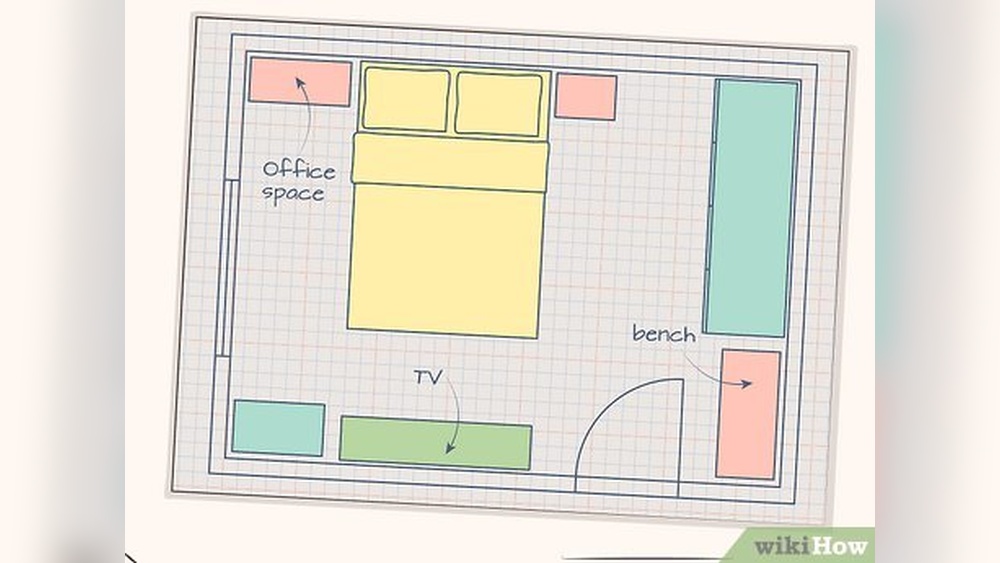
Draw a simple floor plan on paper or use a digital tool. Sketch the room shape, including doors and windows. Use scaled cutouts or blocks to represent furniture pieces. Move them around on the sketch to test different arrangements. This visual helps find the best spots for each item. Focus on maintaining open space and easy movement.

Credit: www.youtube.com
Frequently Asked Questions
How To Position Furniture In A Small Bedroom?
Position the bed centrally for balance and easy access from both sides. Place nightstands nearby without blocking pathways. Arrange storage together and use vertical space. Ensure clear walkways between furniture, door, and closet. Face the bed toward a focal point like a TV or window to create functional zones.
What Is The 2/3 Rule Furniture?
The 2/3 rule in furniture means arranging pieces so two-thirds of the space is open, creating balance and flow. It helps avoid clutter and improves room functionality.
What Is The Biggest Mistake In Placement Of Furniture?
The biggest mistake in furniture placement is blocking natural pathways, which restricts movement and makes the space feel cramped.
How To Decide Where To Put Furniture In A Bedroom?
Place the bed first, ideally where you see the door but avoid direct alignment. Keep pathways clear for easy movement. Group furniture by function, like storage near dressing areas. Use vertical space and create zones for different activities in larger rooms.
Conclusion
Placing furniture in a small bedroom takes smart planning. Start with the bed as the main focus. Keep pathways clear for easy movement. Use vertical space for storage to save floor area. Choose multifunctional pieces to maximize utility. Arrange furniture so the room feels open and cozy.
Small changes can make a big difference. A well-organized bedroom helps you relax and sleep better. Try different layouts to find what suits your needs best. Your small bedroom can be both stylish and functional.