Are you looking to add a unique touch to your living space without spending a fortune? Making your own wood console table is easier than you might think.
Imagine creating a stylish piece that perfectly fits your style and needs—all with your own hands. This guide will walk you through simple steps, even if you’ve never worked with wood before. By the end, you’ll have a beautiful, custom table that not only saves money but also gives you a sense of pride every time you see it.
Ready to transform your home and unleash your creativity? Let’s get started!
Choosing The Right Wood
Choosing the right wood is key to making a beautiful and strong console table. The wood affects the table’s look, feel, and how long it will last. Picking the right type helps you create a piece that fits your style and needs perfectly.
Wood types vary in color, grain, and hardness. Some woods are easy to work with, while others offer more durability. Understanding these differences makes your project easier and more enjoyable.
Types Of Wood For Console Tables
Hardwoods like oak, maple, and walnut are popular for console tables. They have tight grains and strong fibers. Softwoods such as pine and cedar are lighter and easier to shape. Each wood type gives a unique look to your table.
Oak is classic and shows a rich grain. Walnut is darker and elegant. Pine is affordable and has a rustic feel. Choose wood that matches your room’s style and your skill level.
Wood Quality And Durability
High-quality wood lasts longer and handles wear better. Look for wood with no cracks, knots, or warping. Straight boards are easier to cut and join.
Durable woods resist dents and scratches. Hardwoods usually offer more strength. Softwoods may need extra care to avoid damage. Good wood means a table that stays beautiful for years.
Sustainable Wood Options
Choose wood from forests that are managed well. Sustainable wood helps protect the environment. Look for certifications like FSC or PEFC on the wood packaging.
Reclaimed wood is another eco-friendly choice. It gives your table character and history. Using sustainable wood supports nature and reduces waste.
Essential Tools And Materials
Building a wood console table needs the right tools and materials. These essentials make the process easier and the results better. Gathering everything before starting saves time and avoids mistakes. This section explains the basic tools, safety gear, and finishing supplies you need.
Basic Woodworking Tools
Start with a good saw to cut the wood. A circular saw or a handsaw works well. A drill is important to make holes and drive screws. Use clamps to hold pieces together while working. Measuring tape and a square help keep cuts accurate. Sandpaper or a power sander smooths the wood surface. A screwdriver set is useful for assembling parts.
Safety Gear
Protect your eyes with safety goggles. Wear gloves to avoid splinters and cuts. Use a dust mask to keep dust out of your lungs. Hearing protection is important if you use loud tools. Dress in clothes that cover your skin and avoid loose sleeves. Always work in a clean, well-lit area.
Finishing Supplies
Choose wood stain or paint to add color and protect the wood. Use brushes or clean cloths to apply finishes. A clear sealant or varnish protects the table from damage. Sanding blocks help prepare the surface before finishing. Have rags handy for wiping off excess stain or paint. Let each coat dry well before adding another.
Designing Your Console Table
Designing your wood console table is the first step in creating a beautiful piece. It helps you plan every detail and avoid mistakes. A clear design makes building easier and faster. Focus on the size, shape, and style that fits your space and needs.
Good design balances function and look. Think about how you will use the table and what features you want. This part is creative and fun. It sets the foundation for your project.
Measuring And Planning Dimensions
Start by measuring the space where the table will stand. Note the width, depth, and height limits. The table should fit well without crowding the area. Consider the height for easy use, like placing keys or lamps.
Plan the size of the tabletop and legs based on these measures. Write down the exact numbers. This step prevents buying wrong materials or making cuts that don’t fit.
Sketching Your Design
Draw a simple sketch of your console table on paper. Include front, side, and top views if possible. Mark the dimensions clearly. Sketching helps you see the shape and balance of the table.
Use your sketch to check for any design problems. Change parts that look awkward or too small. A good sketch saves time during building.
Selecting Style And Features
Choose a style that matches your home decor. Options include modern, rustic, or classic looks. Think about the wood type and finish to match the style.
Decide on features like shelves, drawers, or decorative edges. Features add function and beauty to your table. Keep designs simple for easier building.

Credit: farmhouseishblog.com
Cutting And Preparing Wood
Cutting and preparing wood is the first key step in making a wood console table. This step sets the foundation for a strong and beautiful piece. Proper cutting and smoothing help ensure all parts fit well and look great. Careful preparation saves time and avoids mistakes later.
Measuring And Marking Cuts
Measure your wood pieces carefully before cutting. Use a tape measure and mark the wood with a pencil. Double-check all measurements to avoid errors. Mark straight lines clearly. Good marks guide your saw for precise cuts. Take your time to be exact.
Safe Cutting Techniques
Wear safety goggles and gloves to protect yourself. Use a steady surface to cut on. Hold the wood firmly and keep your hands away from the blade. Use a saw suitable for the wood type and thickness. Cut slowly and follow your marked lines. Safety first, always.
Sanding And Smoothing Surfaces
After cutting, wood edges can be rough. Use sandpaper or an electric sander to smooth all surfaces. Start with coarse grit and finish with fine grit for a soft touch. Sand in the direction of the wood grain. Smooth surfaces help the table look polished and feel nice to touch.
Assembling The Table Frame
Assembling the table frame is a key step in making a wood console table. The frame gives the table its shape and strength. It holds the top and legs together securely. Careful assembly ensures the table will be sturdy and last long.
Joining Legs And Supports
Start by attaching the legs to the side supports. Use clamps to hold pieces in place. Make sure the legs stand straight. Check each corner for a tight fit. This creates a solid base for the table.
Using Screws And Wood Glue
Apply wood glue on the joining surfaces. This helps bind the parts strongly. Then, drill pilot holes to avoid wood splitting. Insert screws into the holes carefully. Tighten screws until parts are firmly connected.
Ensuring Stability And Alignment
Place the frame on a flat surface. Check if the legs touch evenly. Adjust any wobbles by tightening or repositioning screws. Use a level tool to confirm the frame is straight. Stability here means a durable and safe table.

Credit: www.shanty-2-chic.com
Attaching The Tabletop
Attaching the tabletop is a key step in building your wood console table. This part gives the table its final shape and function. You must place and fix the top carefully. A well-attached tabletop stays steady and looks neat. Follow clear steps to ensure a strong hold and a balanced surface.
Positioning The Top
Start by placing the tabletop on the table frame. Align it so all edges match the frame sides. Check that the tabletop is centered and straight. Use clamps to hold the top in place. This stops movement while you fix it. Take time here. A good position prevents problems later.
Securing With Fasteners
Use screws or bolts to attach the tabletop. Drill pilot holes first to avoid wood splitting. Choose fasteners that fit your wood type and thickness. Drive screws slowly and evenly. Make sure fasteners go deep enough for a tight hold. Avoid over-tightening; it can damage the wood. Proper fastening keeps the tabletop stable for years.
Checking For Level And Balance
After fastening, check the tabletop’s level. Use a spirit level tool to see if it’s flat. Adjust if one side is higher than the other. Make sure the table doesn’t wobble. Balanced weight helps prevent tipping or damage. A level tabletop looks professional and works better for daily use.
Finishing Touches
Finishing touches make your wood console table look complete and polished. They protect the wood and add style. Taking time on these steps improves your table’s life and appearance.
Applying Stain Or Paint
Choose a stain or paint color that fits your room. Stain shows the wood grain and adds warmth. Paint covers the grain but offers many colors. Apply with a brush or cloth in smooth, even strokes. Let each coat dry fully before adding the next. This step brings out the beauty of your table.
Sealing For Protection
Sealing protects wood from water and scratches. Use a clear polyurethane or varnish for the best shield. Apply thin coats with a clean brush. Allow drying time between coats. Sand lightly with fine sandpaper for a smooth finish. Sealing keeps your table looking new for years.
Adding Decorative Elements
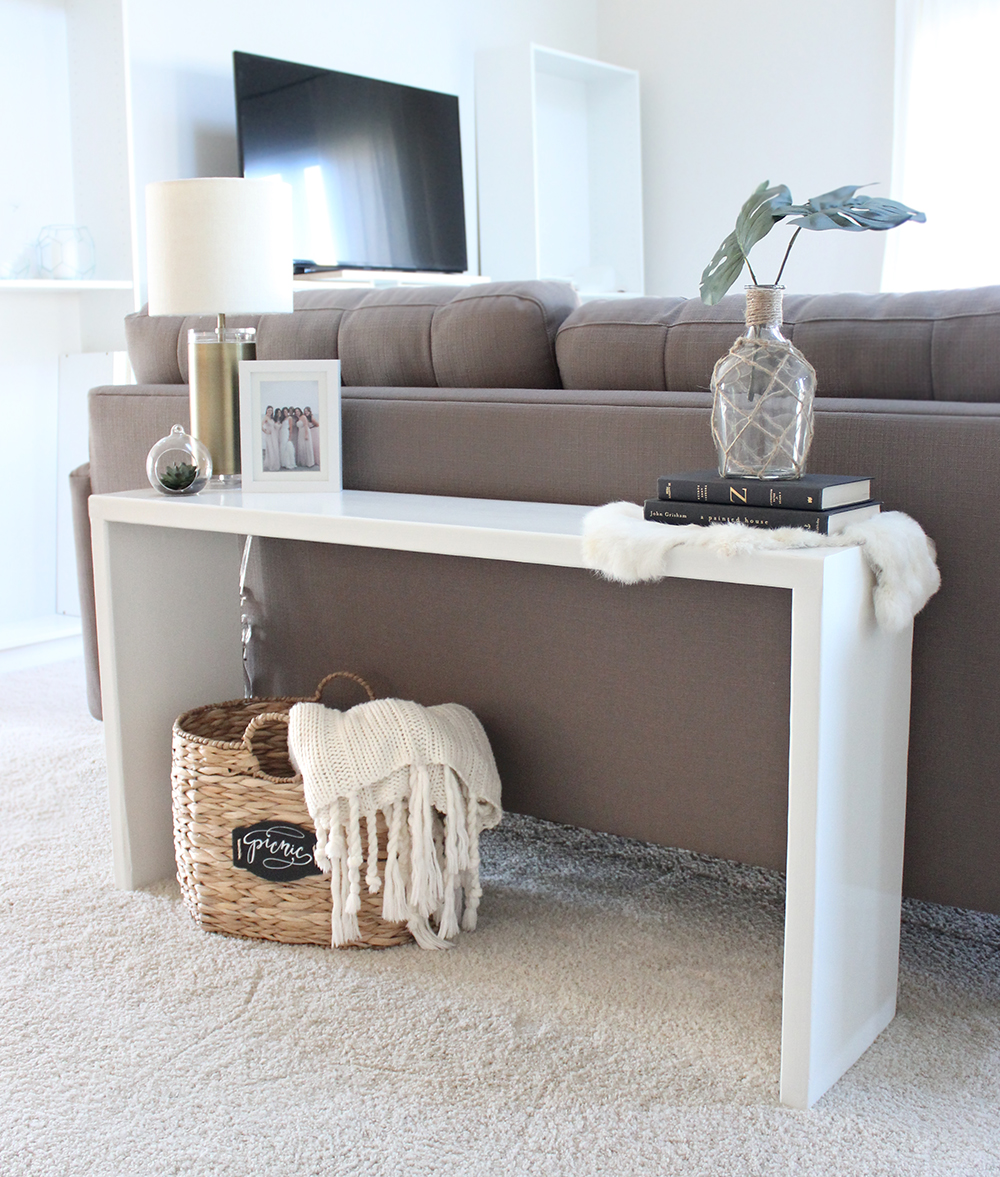
Decorative touches make your table unique. Add metal handles, trim, or stencils for detail. Consider attaching small shelves or hooks for extra use. Choose elements that match your style and room decor. These details give your console table personality and charm.
Credit: saffronavenue.com
Maintenance Tips
Maintaining your wood console table keeps it looking great and lasting longer. Simple care steps protect the wood and preserve its natural beauty. Small repairs stop damage from getting worse. These maintenance tips help you enjoy your table for years.
Cleaning And Care
Dust the table often with a soft cloth. Use a damp cloth for sticky spots. Avoid harsh cleaners that damage wood finish. Use coasters under drinks to prevent stains. Wipe spills immediately to stop water marks.
Repairing Minor Damages
Fix small scratches with a wood marker or wax stick. Light sanding smooths rough spots. Use wood filler for tiny holes or dents. Match the filler color to your table’s wood. Finish repairs with a light coat of varnish or polish.
Extending Table Lifespan
Keep the table away from direct sunlight and heat. Sun can fade wood and dry out finish. Avoid placing heavy items that can cause dents. Regularly check joints and tighten screws if needed. Use felt pads under decorations to prevent scratches.
Frequently Asked Questions
What Tools Do I Need To Make A Wood Console Table?
You need basic woodworking tools like a saw, drill, sander, measuring tape, clamps, and screws. These tools help you cut, shape, and assemble the wood effectively for a sturdy console table.
Which Wood Type Is Best For A Console Table?
Hardwoods like oak, maple, or walnut are ideal. They offer durability, a beautiful finish, and long-lasting strength, perfect for furniture that supports weight and daily use.
How Long Does It Take To Build A Wood Console Table?
Building a wood console table typically takes 4 to 6 hours. This includes measuring, cutting, assembling, sanding, and finishing, depending on your skill level and project complexity.
How Do I Finish A Wood Console Table For Durability?
Apply a wood stain or paint, then seal with polyurethane or varnish. This protects the wood from moisture, scratches, and wear, enhancing its longevity and appearance.
Conclusion
Building a wood console table can be simple and fun. Follow each step with care and patience. Choose good wood and measure twice before cutting. Take time to sand and finish for a smooth look. This project adds charm and style to any room.
Enjoy making something useful with your own hands. Woodworking brings pride and joy to many people. Start today and see what you can create!