Hanging a coat rack on plaster walls can feel tricky. You might worry about damaging your wall or the rack falling down.
But don’t let that stop you from organizing your space the way you want. With the right steps, you can securely mount your coat rack and add both style and function to your room. Keep reading, and you’ll learn easy, practical tips to get the job done right the first time.
Your walls—and your coats—will thank you.
Credit: www.reddit.com
Choose The Right Coat Rack
Choosing the right coat rack is the first step for hanging it on plaster walls. The rack must suit the wall type and your needs. A good choice prevents damage and holds your coats well. Think about the rack’s material, weight, and style before buying.
Material And Weight Considerations
Plaster walls need light to medium weight racks. Heavy racks can crack the plaster or fall. Wood and metal racks often work best. Wood is strong and looks natural. Metal racks are sturdy and modern. Avoid very heavy racks or those with many hooks. They can pull on the wall too much. Choose a rack that balances strength and weight.
Style Options For Plaster Walls
Coat racks come in many styles. Simple designs suit old plaster walls well. Wall-mounted racks save space and look neat. Freestanding racks avoid wall damage but need room. Look for racks with smooth backs. They touch the plaster without causing cracks. Pick a style that fits your room and holds your coats safely.
Credit: www.multimet.com.pl
Gather Necessary Tools
Before hanging a coat rack on plaster, gather all the right tools. Having these tools ready makes the job easier and safer. It helps to avoid mistakes and saves time. Each tool plays an important role in securing the coat rack firmly.
Drill And Drill Bits
A drill is necessary to make holes in the plaster wall. Use drill bits that match the size of your anchors and screws. A smaller drill bit can help start the hole gently. This prevents the plaster from cracking or breaking.
Anchors And Screws
Anchors provide strong support for the screws in plaster walls. Choose anchors made for plaster or drywall. Screws should fit well with the anchors and the coat rack. This ensures the rack stays fixed and holds weight safely.
Measuring And Leveling Tools
Use a tape measure to find the right height and position for the rack. A level tool helps place the rack straight on the wall. Mark spots clearly before drilling. This step prevents crooked or uneven hanging.
Locate The Studs
Locating the studs behind plaster walls is important before hanging a coat rack. Studs provide strong support to hold weight. Without finding them, the rack might fall or damage the wall. This step helps ensure the rack stays secure and safe.
Using A Stud Finder
A stud finder is a simple tool that detects wood or metal behind plaster. Turn it on and slowly move it across the wall. It beeps or lights up when it finds a stud. This tool saves time and effort compared to guessing.
Marking Stud Positions
After finding a stud, mark its position with a pencil. Make small marks at the top and bottom of the rack area. These marks guide where to drill or hammer nails. Marking helps keep the coat rack level and steady on the wall.
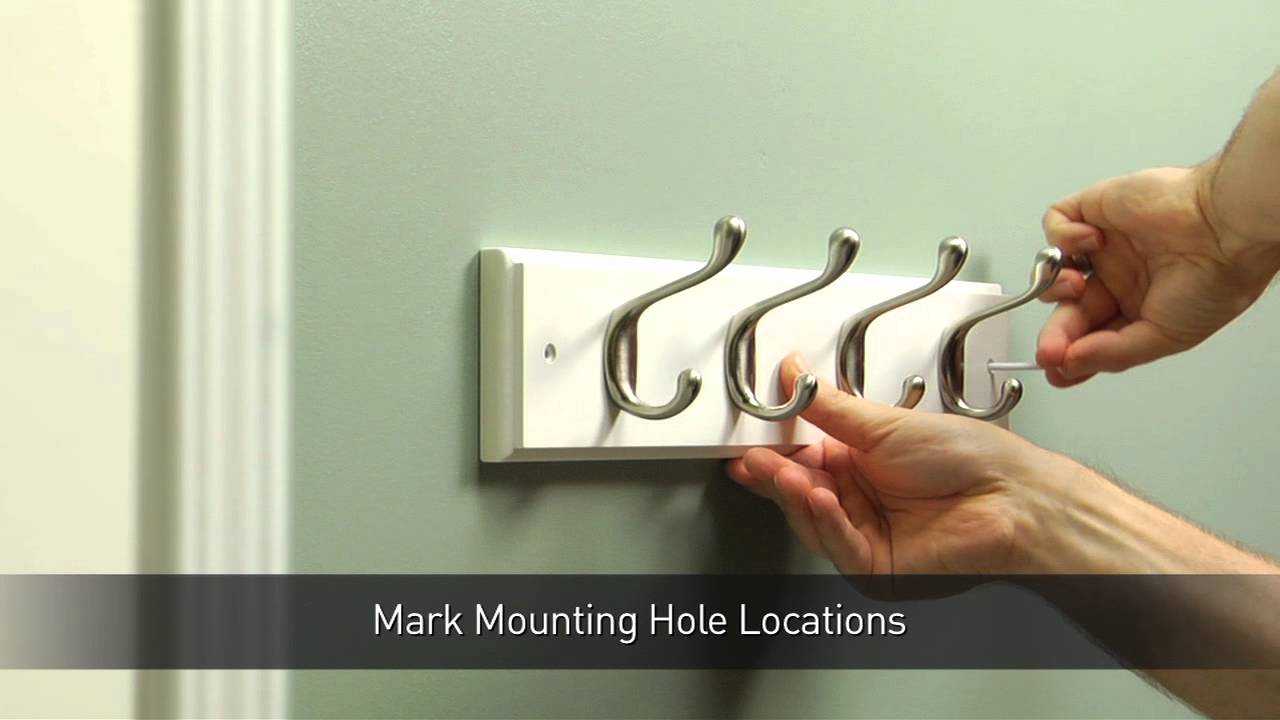
Mark Mounting Points
Marking the mounting points is a key step before hanging a coat rack on plaster walls. It helps ensure the rack fits perfectly and stays secure. Taking time here avoids mistakes and makes installation easier.
Measuring Rack Placement
Start by deciding where the coat rack will go. Measure the height from the floor or furniture below. Check the space on the wall to ensure enough room. Use a tape measure to find the exact spots for the screws. Mark these points lightly with a pencil.
Leveling The Marks
Use a spirit level to align the marks horizontally. Place the level on the marks to see if they line up straight. Adjust the pencil marks as needed to keep the rack balanced. Straight marks prevent the rack from hanging crooked and protect the plaster from damage.
Drill Pilot Holes
Drilling pilot holes is a key step to hang a coat rack on plaster walls. These small holes guide the screws, making installation easier. They help prevent plaster from cracking or breaking. Taking time to drill pilot holes ensures a secure hold for your coat rack.
Choosing Drill Bit Size
Select a drill bit slightly smaller than the screw’s diameter. This size allows the screw to grip firmly. Using too large a bit weakens the hold. Too small, and the plaster may crack. Match the bit size to the wall plugs or anchors you plan to use.
Drilling Into Plaster Safely
Start drilling slowly to avoid damaging the plaster. Use a light touch and steady hand. Stop if the drill feels stuck or the plaster cracks. Use a vacuum or brush to clear dust from the hole. Wear safety glasses to protect your eyes from debris.

Credit: www.thorfamilylaw.com
Install Wall Anchors
Installing wall anchors is key to hang a coat rack on plaster walls safely. Plaster can be fragile. Direct screws may crack or fail to hold weight. Anchors spread the load and secure the rack firmly.
Choosing the right anchors and inserting them properly ensures the rack stays put. This step prevents damage and supports heavy coats or bags. Follow simple methods to do it right.
Types Of Anchors For Plaster
Plastic expansion anchors suit light loads. They expand inside the hole for grip. Use them for small racks or light items.
Metal anchors handle heavier weight. They provide a strong hold in brittle plaster. They often require pre-drilling a larger hole.
Toggle bolts are best for very heavy racks. These anchors open inside the wall, spreading the load over a wide area. They offer the most secure hold on plaster.
Proper Insertion Techniques
Start by marking the exact spot for the anchor. Drill a hole slightly smaller than the anchor size. Clean dust from the hole before inserting.
Push or tap the anchor gently into the hole. It should fit snugly without forcing. For toggle bolts, insert the folded wings and tighten the screw slowly.
Check that the anchor sits flush with the wall surface. Avoid over-tightening screws to prevent plaster cracking. Proper insertion keeps anchors strong and secure.
Attach The Coat Rack
Attaching a coat rack to plaster walls needs care and precision. This step ensures the rack stays strong and holds weight without damage. Follow the right method to keep your coat rack steady and safe.
Aligning With Anchors
Place the coat rack close to the wall. Match the holes on the rack with the anchors you installed. Check each hole lines up perfectly with the anchor. Adjust the rack slightly if needed before screwing.
Securing Screws Firmly
Use a screwdriver or drill to insert screws into the anchors. Turn slowly to avoid cracking the plaster. Tighten screws until the rack feels secure but avoid over-tightening. Test the rack by gently pulling it to confirm stability.
Check Stability
Checking the stability of your coat rack after hanging it on plaster is very important. It ensures the rack can hold the weight of your coats safely. Without proper stability, the rack may fall and cause damage or injury.
Focus on how well the rack supports weight and if any adjustments are needed. This step saves you trouble later and keeps your wall intact.
Testing Weight Support
Start by gently placing a few light items on the coat rack. Check if it feels secure and does not move. Slowly add more weight by hanging heavier coats or bags.
Notice any signs of slipping or wobbling. Press lightly on the rack to see if it stays firm. If it holds well, the coat rack is stable enough for daily use.
Adjustments If Needed
If the rack moves or seems loose, do not ignore it. Remove the items and check the screws and wall plugs. Tighten any loose screws carefully.
Use stronger wall anchors if the plaster is weak. Consider repositioning the rack to find a stud for better support. Repeat the weight test after making changes.
Frequently Asked Questions
How Do I Find Studs Behind Plaster Walls?
Use a stud finder or tap the wall to listen for solid sounds. Mark the studs with a pencil for secure mounting.
What Type Of Anchors Work Best For Plaster Walls?
Use toggle bolts or molly bolts for strong support in plaster. These anchors hold heavy items without damaging the wall.
Can I Hang A Coat Rack Without Studs In Plaster?
Yes, use heavy-duty wall anchors designed for plaster. They provide enough support for light to medium-weight coat racks.
How Do I Avoid Damaging Plaster When Drilling?
Drill slowly with a masonry bit and apply light pressure. Use masking tape to prevent plaster from cracking or chipping.
Conclusion
Hanging a coat rack on plaster takes some care and the right tools. Use anchors and screws that fit your wall type. Measure carefully and mark the spots before drilling. Take your time to avoid cracks or damage. A sturdy coat rack keeps your space tidy and organized.
Follow these easy steps, and you will have a strong, safe rack. Enjoy your neat entryway with coats and bags ready to go.
