Are you looking to give your wood console table a fresh, new look without spending a fortune? Painting it yourself is easier than you might think—and it can completely transform your space.
Whether your table is old and worn or just needs a style update, this guide will walk you through every step. By the end, you’ll have the confidence and know-how to turn your plain wood console into a stunning centerpiece.
Ready to get started? Let’s dive in!
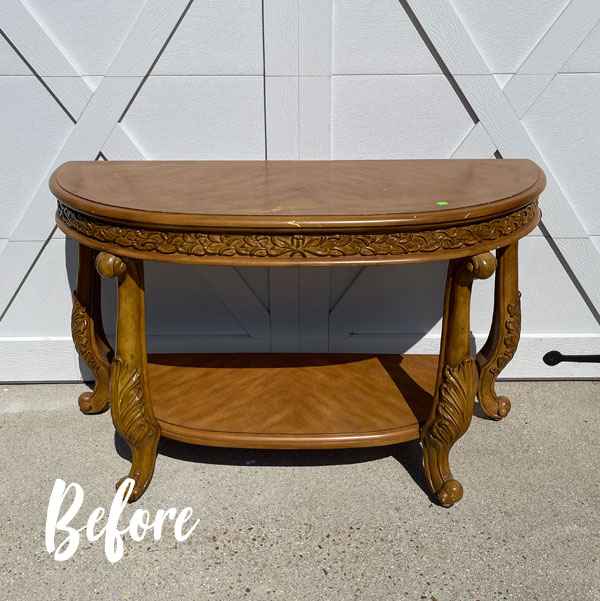
Credit: www.confessionsofaserialdiyer.com
Choosing The Right Paint
Choosing the right paint for your wood console table is key to a beautiful finish. The paint must protect the wood and look great. Picking the best paint type, color, and finish helps your table stand out. This guide covers what you need to know before buying paint.
Types Of Paint For Wood
Latex paint is water-based and easy to clean. It dries fast and has low odor. Great for indoor furniture. Oil-based paint is strong and smooth. It lasts longer but takes more time to dry. Use it if you want a hard, shiny surface. Chalk paint gives a matte, vintage look. It sticks well to old furniture without much prep. Choose based on durability and style needs.
Selecting The Perfect Color
Pick a color that matches your room’s style. Light colors make small spaces look bigger. Dark colors add drama and depth. Neutral shades fit most decors and are safe choices. Test a small spot first. See how the color looks in different lighting. This avoids surprises after painting.
Finish Options Explained
Matte finish hides flaws and gives a soft look. Satin finish is smooth and slightly shiny. It cleans easily and works well for tables. Semi-gloss adds shine and protects against scratches. Glossy finish is very shiny but shows every mark. Choose a finish that fits your style and use.
Preparing The Console Table
Preparing the console table is the first step before painting. Proper preparation helps paint stick better and last longer. It also makes the final look smooth and neat. Spend time on this part to avoid problems later.
Cleaning And Sanding
Start by cleaning the table. Remove dust, dirt, and grease with a mild soap and water. Let it dry completely. Sand the surface with medium-grit sandpaper. Sanding removes old finish and smooths rough spots. Wipe off dust with a damp cloth.
Repairing Imperfections
Look for cracks, holes, or dents on the wood. Use wood filler to fix these imperfections. Apply filler with a putty knife and smooth it out. Let it dry fully. Sand the filled areas until smooth and even with the surface.
Priming For Better Adhesion
Apply a coat of primer to the table. Primer helps paint stick well and prevents peeling. Choose a primer suitable for wood. Use a brush or roller for an even coat. Let the primer dry before painting the table.
Painting Techniques
Painting a wood console table requires the right techniques to get a smooth, lasting finish. Choosing the proper method and applying paint carefully can make a big difference. This section covers key painting techniques for best results on your console table.
Brush Vs. Spray Methods
Brushing is easy and works well for detailed areas. It lets you control paint flow and reach tight spots. Use a high-quality brush to avoid streaks and bristles in the paint.
Spraying covers large surfaces quickly and evenly. It creates a smooth finish without brush marks. Spray painting needs a well-ventilated space and some practice for even coverage.
Applying Even Coats
Apply thin coats to avoid drips and uneven texture. Let each coat dry fully before adding the next. Light sanding between coats helps the paint stick better and smooths rough spots.
Use long, steady strokes to spread paint evenly. Keep a wet edge to prevent lines and patches. Patience improves the final look significantly.
Avoiding Common Mistakes
Do not skip surface preparation like cleaning and sanding. Paint won’t stick well to dirty or rough surfaces. Avoid thick coats that drip or crack after drying.
Work in a dust-free area to prevent particles from sticking to wet paint. Don’t rush the drying time; this can cause uneven finishes and bubbles.

Credit: loveandspecs.com
Adding Protective Layers
Adding protective layers to your wood console table is important. It keeps the paint safe from scratches and water damage. These layers also make the table look shiny and new for a long time. Protecting your work helps the table last longer and look beautiful.
Choosing A Sealer
Pick a sealer that matches your paint type. Sealers stop moisture from getting into the wood. They also keep the paint from fading over time. Water-based sealers dry quickly and smell less. Oil-based sealers give a stronger finish but take longer to dry. Choose one that fits your needs and space.
Applying Varnish Or Polyurethane
Use a clean brush to apply varnish or polyurethane. Apply thin, even coats to avoid bubbles and drips. Let each coat dry fully before adding the next one. Lightly sand between coats for a smooth finish. Two or three coats usually work well for good protection.
Curing Time And Care
Give the table enough time to cure after painting. Curing makes the protective layer hard and strong. Avoid heavy use or placing items on the table for a few days. Keep the table away from moisture during this time. Proper care helps keep your console table looking great longer.
Creative Finishing Touches
Creative finishing touches can change a plain wood console table into a unique piece. These final details add character and style. They make your project stand out. You can choose from many techniques to fit your taste and decor.
Distressing For Vintage Look
Distressing gives your table an aged, worn look. Lightly sand edges and corners after painting. Use sandpaper or a sanding block for control. Focus on spots that would naturally wear over time. This method creates a soft, vintage charm. It suits rustic or farmhouse styles well.
Adding Stencils Or Patterns
Stencils add personality and design without much effort. Pick a stencil with shapes or motifs you like. Secure it on the table surface. Apply paint carefully with a sponge or brush. Let the paint dry before removing the stencil. Patterns can be simple or bold. They give your table a custom, artistic touch.
Using Wax For Soft Sheen
Wax adds a soft, smooth finish to your painted table. Choose clear or tinted wax for subtle effects. Apply wax with a cloth or brush in thin layers. Buff the surface gently to bring out the shine. Wax protects the paint and enhances texture. It gives your table a polished, natural look.
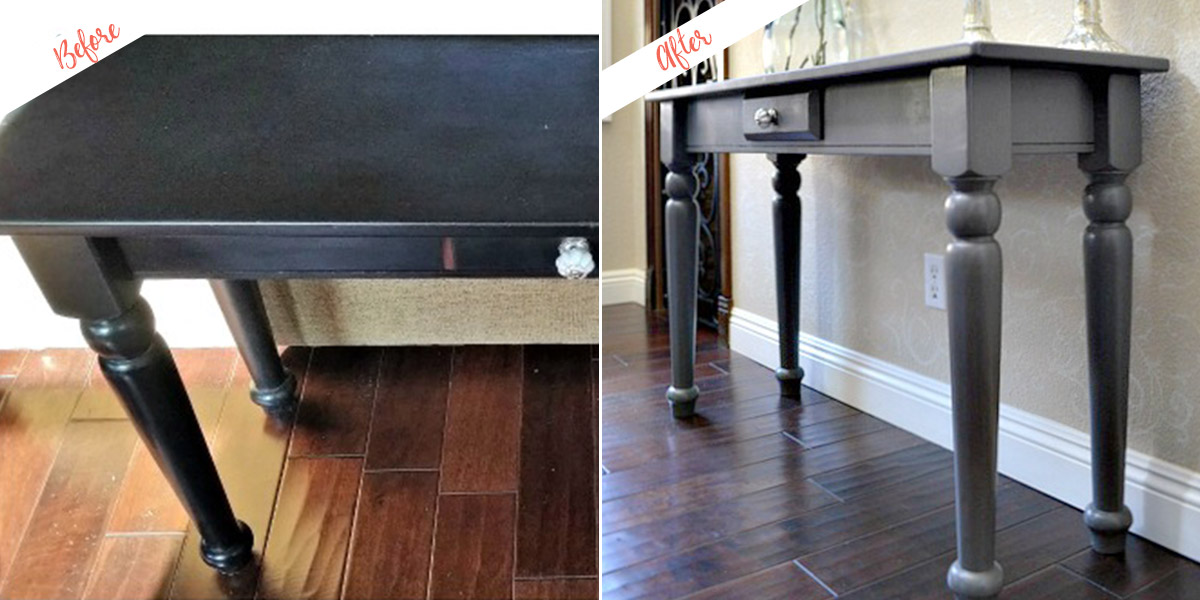
Credit: www.behr.com
Maintenance Tips For Longevity
Keeping your painted wood console table looking fresh takes some care. Simple maintenance helps the paint last longer and keeps the wood safe. Small steps can protect your table from wear and damage. Follow these tips to enjoy your painted piece for years.
Cleaning Painted Wood
Use a soft cloth to dust the table regularly. For dirt, use a damp cloth with mild soap. Avoid harsh cleaners or scrubbing pads. These can strip the paint or scratch the surface. Wipe spills quickly to prevent stains or water damage.
Touching Up Scratches
Minor scratches happen over time. Keep some leftover paint for touch-ups. Lightly sand the scratched area before applying paint. Use a small brush for even coverage. Let it dry fully before using the table again.
Avoiding Damage Over Time
Place coasters under drinks to stop water rings. Avoid direct sunlight that can fade paint. Do not place hot items directly on the surface. Use felt pads under decorative items to prevent scratches. Move the table carefully to avoid dents or chips.
Frequently Asked Questions
How Do I Prepare A Wood Console Table For Painting?
Start by cleaning the table surface thoroughly. Sand it lightly to remove old finish and smooth imperfections. Wipe away dust with a damp cloth before applying primer. Proper preparation ensures paint adhesion and a smooth finish.
What Type Of Paint Is Best For Wood Console Tables?
Use acrylic latex paint for durability and easy cleanup. It adheres well to wood and resists chipping. For a glossy finish, consider enamel paint. Choose a paint designed specifically for furniture to achieve professional results.
How Many Coats Of Paint Should I Apply?
Apply at least two coats for even coverage and color depth. Allow each coat to dry completely before adding the next. More coats may be needed for darker colors or high-traffic furniture to ensure durability.
Should I Use A Primer Before Painting Wood Furniture?
Yes, primer is essential for better paint adhesion and durability. It blocks stains and provides a uniform surface. Using primer prevents peeling and extends the life of your paint job.
Conclusion
Painting a wood console table can refresh any room. Choose the right paint and tools for smooth results. Take your time to sand and clean the surface well. Apply paint in thin, even coats for best coverage. Let each layer dry fully before adding the next.
A little patience brings a beautiful finish. Enjoy your new, stylish piece that fits your home perfectly. Simple steps lead to a great-looking table anyone can create. Try it yourself and see the difference it makes.