Struggling to make your small living room feel spacious and stylish? Choosing the right furniture can transform your cozy space into a comfortable and inviting haven.
But how do you pick pieces that fit perfectly without overcrowding? In this guide, you’ll discover simple, smart tips to select furniture that maximizes every inch of your room. From clever layouts to multi-functional designs, you’ll learn how to create a living area that feels open, organized, and truly yours.
Keep reading to unlock the secrets that turn small living rooms into big statements.
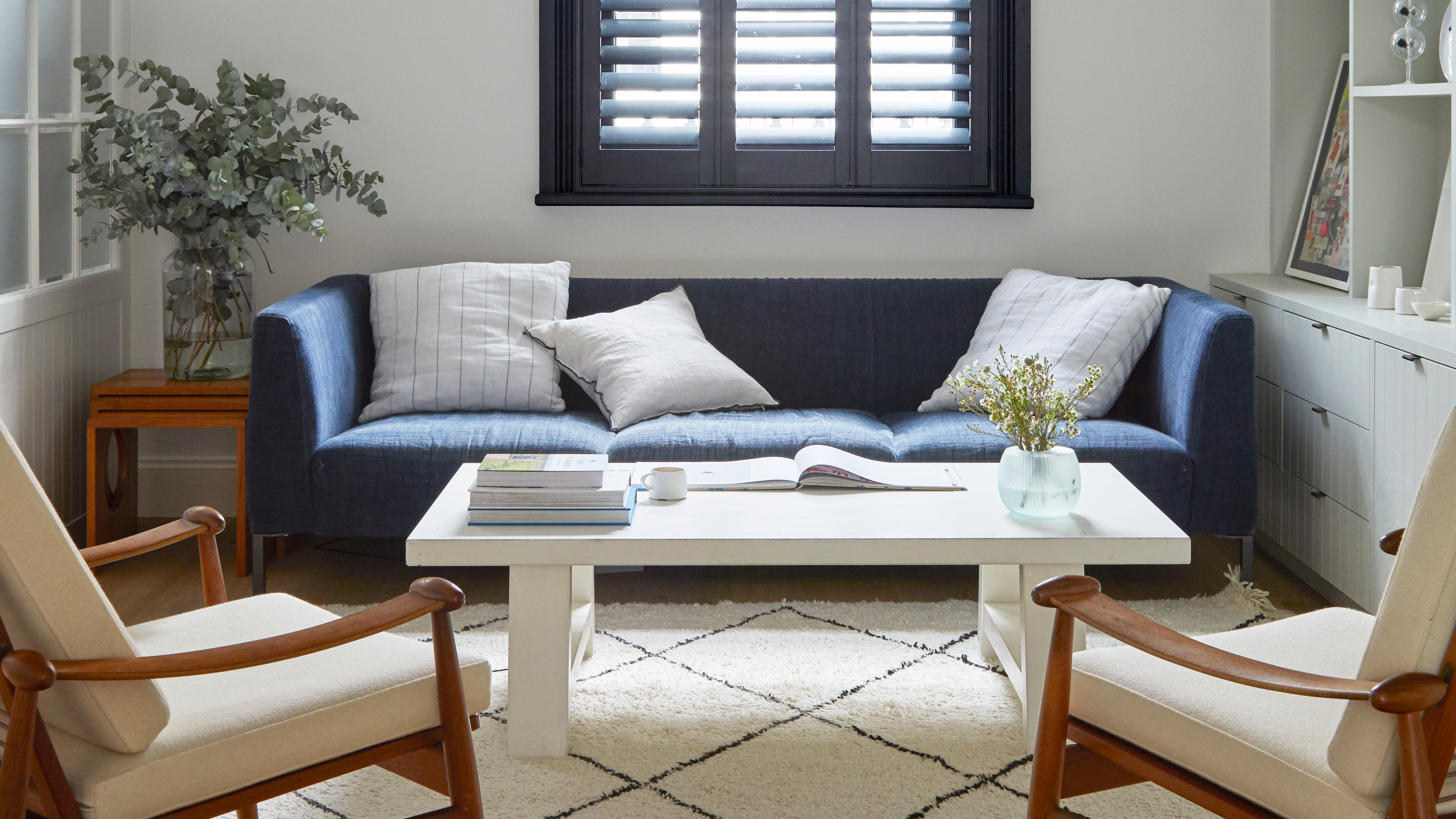
Credit: www.livingetc.com
Identify Room Function
Understanding how you will use your small living room helps in choosing the right furniture. The function guides the style, size, and number of pieces you need. A clear purpose avoids clutter and makes the space feel balanced.
Think about daily activities in the room. Relaxing, entertaining guests, working, or watching TV all need different setups. Decide what matters most to you before buying furniture.
Determine Primary Activities
List the main tasks you do in the living room. Is it mostly for watching TV or reading? Maybe you host friends often or need a workspace. Knowing this helps select pieces that fit your lifestyle.
Consider Multi-use Needs
Small rooms benefit from furniture that serves more than one purpose. A sofa bed can host guests. An ottoman with storage saves space. Choose items that adapt to different needs.
Plan For Traffic Flow
Clear pathways keep the room easy to move in. Avoid large furniture blocking entrances or walkways. Leave enough space between pieces for comfort and safety.
Choose A Focal Point
Choosing a focal point is key when picking furniture for a small living room. This spot draws attention and sets the room’s tone. It helps organize furniture and makes the space feel inviting.
A good focal point can be a fireplace, a large window, or a TV. Arrange your furniture around it to create balance. This approach gives your small room purpose and style.
Identify Your Natural Focal Point
Look for an existing feature that stands out. It might be a built-in shelf, a colorful wall, or a piece of art. Use this as your starting place. Let your furniture highlight this element.
Arrange Furniture To Enhance The Focus
Place sofas and chairs facing the focal point. Keep pathways clear to avoid crowding. This setup encourages conversation and comfort. Avoid pushing all furniture against walls to keep the room airy.
Use Lighting To Highlight The Area
Install lamps or spotlights near the focal point. Soft lighting draws the eye and adds warmth. It creates a cozy atmosphere without cluttering the space.
Select Multi-functional Pieces Near The Focus
Choose furniture that serves more than one purpose. Ottomans with storage or nesting tables work well. Position them close to the focal point for convenience. This saves space and adds function.
Measure Space Accurately
Measuring your small living room space accurately is the first step to choosing the right furniture. Without exact measurements, you risk buying pieces that do not fit or crowd the room. Taking careful measurements helps you plan a layout that feels open and comfortable.
Measure the length and width of the room carefully. Note the location of doors, windows, and any built-in features. These details affect where furniture can go and how much space you have left for each piece.
Use A Tape Measure For Precise Results
A tape measure is the best tool for getting accurate dimensions. Measure from wall to wall at multiple points to check for irregular shapes. Write down all measurements clearly to refer to later.
Mark Key Features And Obstructions
Note where doors, windows, vents, and radiators are located. These elements limit furniture placement. Mark their positions on a sketch of your room to avoid buying pieces that block them.
Create A Scaled Floor Plan
Draw your room to scale on graph paper or use a digital tool. Include all walls, doors, and windows. This plan helps you try different furniture arrangements before buying.
Measure Furniture Doorways And Hallways
Check the size of doorways and hallways leading to your living room. Your furniture must fit through these spaces during delivery. Measure these areas to avoid surprises.
Select Scaled Furniture
Choosing the right size furniture is key for a small living room. Large pieces can make the space feel crowded and uncomfortable. Small, well-sized furniture keeps the room open and easy to move around in.
Scaled furniture fits the room’s dimensions and allows for better flow. It helps create a balanced look without overwhelming the space. Focus on pieces that match the room’s scale and purpose.
Opt For Legged Pieces
Furniture with visible legs creates a sense of openness. Legs lift the pieces off the floor, making the room feel airier. This design lets light pass under the furniture, reducing visual heaviness.
Legged sofas, chairs, and tables add a light and modern touch. They help the room look less crowded. Avoid bulky, solid-base furniture that takes up too much visual space.
Pick Multi-functional Items
Multi-functional furniture saves space and adds usefulness. Choose pieces that serve more than one purpose. Examples include ottomans with storage or sofa beds.
Tables with nesting options or foldable chairs provide flexibility. These items adjust to your needs without cluttering the room. Multi-functional furniture keeps your living room neat and practical.
Arrange For Flow
Arranging furniture for flow in a small living room helps the space feel open and inviting. Thoughtful placement avoids clutter and allows easy movement. Flow creates balance and comfort, making the room enjoyable for everyone. Follow these tips to arrange your furniture with flow in mind.
Avoid Pushing Furniture To Walls
Pull furniture slightly away from walls to open up the space. This creates a sense of depth and makes the room appear larger. Floating pieces also allow light to move freely around the room. It invites better traffic flow and stops the space from feeling cramped.
Create Conversation Zones
Group seating to encourage talking and connection. Arrange chairs and sofas in a circle or L-shape around a coffee table. This layout invites interaction and makes the room feel cozy. Keep pathways clear so guests can move comfortably between zones.
Use Corners Effectively
Utilize corners by placing furniture diagonally or with angled pieces. A corner sofa or chair creates a cozy nook without wasting space. Corners can hold small shelves or plants to add character and function. This strategy maximizes every inch of your small living room.

Credit: cozylant.com
Anchor With Rugs
Rugs play a key role in designing a small living room. They act as an anchor, pulling the furniture and decor together. A well-chosen rug can define the seating area and add warmth without crowding the space. It creates a sense of unity and makes the room feel cozy.
Choosing the right rug size and style can visually expand the room. The texture and color of a rug bring personality and comfort. Rugs also protect flooring and reduce noise, improving the room’s atmosphere.
Choose The Right Size
Select a rug that fits the seating area well. A too-small rug makes the space look disconnected. A larger rug that fits under all furniture legs creates a balanced look. Leave some floor space around the rug edges to avoid a crowded feel.
Select Light Colors And Simple Patterns
Light colors open up the room and reflect natural light. Simple patterns add interest without overwhelming the space. Avoid busy or dark rugs that shrink the room visually. Neutral tones blend with most furniture styles and create a calm vibe.
Consider Texture And Material
Soft rugs add comfort underfoot and invite relaxation. Natural fibers like cotton and wool offer durability and breathability. Flatweave rugs keep the floor level and easy to clean. Avoid thick, heavy rugs that make the room feel smaller.
Use Rugs To Define Zones
Rugs help separate different areas in an open plan space. Place a rug under the sofa and coffee table to mark the living zone. Use another rug near a reading chair or desk to create a cozy corner. This zoning makes the room feel organized and spacious.
Maximize Vertical Space
Maximizing vertical space is a smart way to add storage and style in a small living room. It helps keep the floor clear and makes the room feel taller and more open. Using vertical storage solutions allows you to organize your items without crowding the room.
Think about the height of your walls and use them to your advantage. Tall furniture and wall-mounted pieces draw the eye upward, creating a sense of space. This approach keeps your living room neat and functional.
Use Tall Shelving
Tall shelves provide plenty of storage without taking up much floor space. Choose shelves that reach close to the ceiling to use the full height of your walls. This gives you room for books, decor, and essentials.
Open shelving designs keep the room feeling light. You can style the shelves with baskets or boxes for hidden storage. Tall shelving helps organize your space and adds a vertical design element.
Wall-mounted Storage
Wall-mounted storage frees up floor area and keeps items within easy reach. Floating shelves, hooks, or cabinets can hold media devices, plants, or daily use items. This saves space and adds personality to your room.
Installing wall storage at different heights can create a layered look. It also helps separate zones in an open-plan living room. Wall-mounted storage is perfect for small living rooms that need smart storage solutions.

Credit: cozylant.com
Incorporate Mirrors And Light Colors
Mirrors and light colors can make a small living room feel larger and brighter. They reflect natural and artificial light, creating an open and airy atmosphere. Choosing the right mirror and color palette helps to enhance the space visually.
Using mirrors strategically also adds depth. Light colors on walls and furniture keep the room fresh and inviting. Together, they transform a cramped area into a comfortable and stylish space.
Use Large Mirrors To Reflect Light
Place a large mirror across from a window to bounce sunlight around the room. This doubles the natural light and makes the space feel bigger. Choose a simple frame to avoid overwhelming the room.
Choose Light Colors For Walls And Furniture
Soft shades like white, beige, pale gray, or pastels open up a small room. Paint walls in these colors for a clean backdrop. Select furniture in matching or slightly darker tones to create harmony without heaviness.
Combine Mirrors With Light-colored Decor
Pair mirrors with light curtains, rugs, and cushions. This combination brightens the entire room. Use reflective surfaces in accessories like metallic lamps or glass tables to add sparkle without clutter.
Frequently Asked Questions
How To Layout Furniture In A Small Living Room?
Create a focal point like a window or TV. Float furniture to define zones and improve flow. Choose scaled, multi-functional pieces. Use vertical storage and a large rug to anchor seating. Arrange seating to encourage conversation and keep the space open and bright.
What Is The 2/3 Rule Furniture?
The 2/3 rule in furniture means placing larger pieces in two-thirds of the room and smaller items in one-third. This balances space and improves flow.
What Kind Of Couch Is Best For A Small Living Room?
A small living room benefits from a compact, multi-functional couch with slim legs. Choose light colors and avoid bulky designs to maintain openness and flow.
What Is The 3-5-7 Rule In Decorating?
The 3-5-7 rule in decorating means using 3 large, 5 medium, and 7 small items to create balanced visual interest.
Conclusion
Choosing furniture for a small living room takes careful thought. Focus on pieces that fit well and serve more than one purpose. Keep the space open by leaving room to move easily. Use vertical storage to save floor space. Arrange seating to encourage talking and comfort.
A well-planned small living room can feel cozy and stylish. With smart choices, your space will look bigger and work better. Small rooms can become inviting places to relax and enjoy.