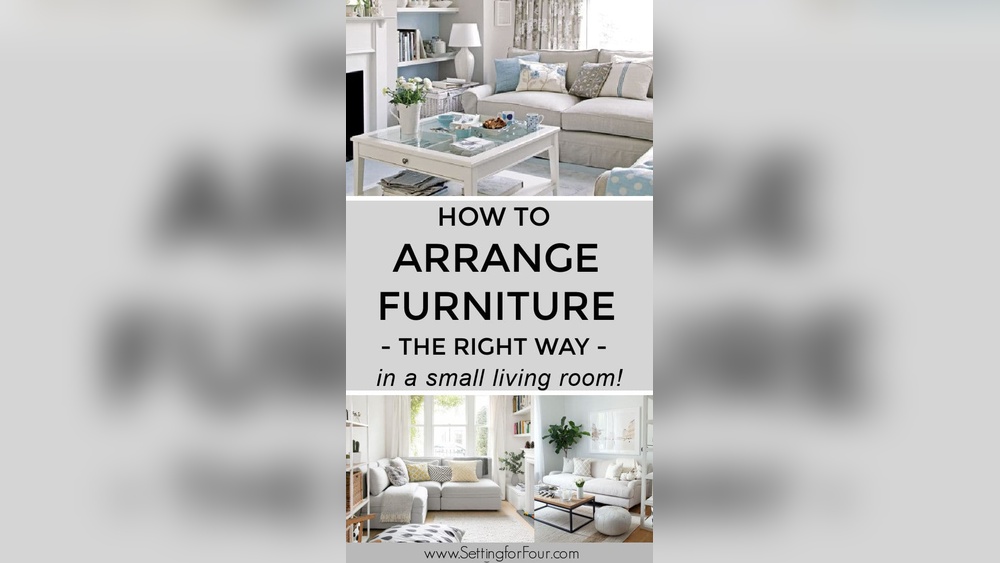
Struggling to make your small living room feel open and inviting? You’re not alone.
When space is tight, where you place your furniture can make all the difference between a cramped, cluttered room and a cozy, stylish haven. Imagine walking into your living room and instantly feeling relaxed because everything flows perfectly and there’s room to breathe.
That’s exactly what you’ll discover here. You’ll learn simple yet powerful tips to arrange your furniture so your small living room looks bigger, works better, and feels just right for you and your guests. Ready to transform your space? Let’s dive in!
Focal Point Setup
Setting up a focal point is key in a small living room. It gives the space a clear center and purpose. This setup helps organize furniture smartly, making the room feel cozy and balanced. A well-chosen focal point draws attention and guides how you place your seating and other pieces.
Choose A Central Feature
Pick one main element that stands out. It could be a fireplace, a large window, or a TV. This feature becomes the heart of your room. Arrange your furniture to highlight this spot. Keep the area neat so the eye is naturally drawn there.
Arrange Seating Around It
Place chairs and sofas facing the focal point. This creates a natural flow and encourages conversation. Avoid pushing all furniture against the walls. Instead, cluster seating closer to the center. Leave space for easy movement around each piece. This layout feels open and inviting.

Credit: www.thelivinghouse.co.uk
Furniture Placement Tricks
Arranging furniture in a small living room requires smart tricks to make the space feel larger and comfortable. Proper placement helps open the room and improves flow. These furniture placement tricks guide you to use your space wisely.
Try these simple ideas to create a cozy, functional living area without overcrowding.
Pull Furniture Away From Walls
Placing furniture slightly away from walls creates depth in a small room. It stops the space from feeling boxed in. This method forms a natural gathering spot in the center. It also allows air and light to move freely, making the room appear bigger.
Create Clear Pathways
Leave open routes for easy movement around the room. Avoid blocking doorways or windows with furniture. Clear pathways reduce clutter and help the room feel calm and organized. This simple step makes the living space more inviting and practical.
Group Furniture For Conversation
Arrange chairs and sofas close together to encourage talking and connection. Face seating pieces towards each other to form a welcoming circle. Grouping furniture this way uses space efficiently and promotes socializing. It turns a small room into a friendly, cozy spot.
Smart Furniture Choices
Choosing the right furniture can transform a small living room. Smart furniture choices help save space and keep the room feeling open. Opting for smaller, lighter, and multi-purpose pieces makes the area more comfortable and functional. This approach lets you enjoy the space without clutter or crowding.
Downsize Furniture Pieces
Pick furniture that fits the room size. Large sofas or bulky chairs can overwhelm a small space. Choose compact sofas, loveseats, or armless chairs. Smaller pieces make the room look bigger and easier to move around.
Select Lighter Furniture Styles
Use furniture with slim profiles and open designs. Pieces with legs show more floor space, making the room feel airy. Light-colored furniture also brightens the space and adds a fresh look. Avoid heavy, dark furniture that can make the room feel cramped.
Use Multi-functional Items
Choose furniture that serves more than one purpose. For example, ottomans with storage or sofa beds save space and add function. Coffee tables with shelves or foldable chairs offer flexibility. Multi-use items reduce clutter and maximize every inch of the room.

Credit: www.roomandboard.com
Maximize Vertical Space
Maximizing vertical space is a smart way to make a small living room feel larger and less cluttered. Using the walls up high lets you keep the floor clear. This creates an open, airy atmosphere. Vertical storage also draws the eye upward, adding height to the room’s feel.
Install Floating Shelves
Floating shelves provide storage without taking up floor space. Mount them at different heights for visual interest. Use them to display books, plants, or small decor items. Choose shelves with clean lines to keep the room simple and neat. They help organize essentials and keep surfaces free.
Use Tall Storage Units
Tall storage units use wall height well and hold many items. Pick narrow, tall cabinets or bookcases to avoid crowding the room. Store items inside to hide clutter and keep the space tidy. Tall units add vertical lines, making the ceiling feel higher. They balance storage needs with style.
Design Tips For Flow
Creating a smooth flow in a small living room makes the space feel larger and more inviting. Good furniture placement guides movement and balances the room’s elements. Use simple design tricks to open up the area and avoid clutter. Focus on how each piece fits and relates to others. Here are key tips to improve flow in your small living room.
Anchor Seating With Rugs
Use a rug to define the seating area. It helps group furniture and creates a cozy zone. Choose a rug that fits under all front legs of chairs and sofas. This anchors the space visually and makes the room feel organized. Rugs also add texture and color without crowding the floor.
Try Corner Layouts
Place sofas or chairs in corners to save space. Corner layouts open the center of the room for easy movement. This setup maximizes seating without blocking pathways. It also draws attention to walls and windows, making the room seem larger. Experiment with L-shaped arrangements for better flow.
Add Mirrors For Depth
Mirrors reflect light and create an illusion of space. Hang a large mirror on a wall opposite a window for more brightness. This trick deepens the room and makes it feel airy. Choose simple frames that don’t overwhelm the small space. Mirrors visually double the area without taking up floor space.
Opt For Light Color Schemes
Light colors open up small rooms by reflecting more light. Use soft whites, creams, or pastels on walls and furniture. These shades keep the room feeling fresh and uncluttered. Avoid dark colors that can make the space feel tight. Add pops of color with pillows or art to keep the room lively.
:strip_icc()/renovated-neutral-colored-living-room-2f194807-235cf8f650594de5859d48b9f550db0c.jpg)
Credit: www.bhg.com
Frequently Asked Questions
Where To Put Furniture In A Small Living Room?
Place furniture around a focal point like a TV or window. Pull pieces away from walls to open space. Ensure clear pathways and use multi-functional, proportional furniture to maximize a small living room. Use vertical storage to save floor space.
What Is The 2/3 Rule Furniture?
The 2/3 rule in furniture means placing larger pieces to cover two-thirds of a wall or space, leaving one-third open for balance. This creates harmony and visual appeal in room layouts.
What Is The Biggest Mistake In Placement Of Furniture?
The biggest mistake in furniture placement is crowding pieces against walls, which limits flow and reduces openness. Arrange furniture to create clear pathways and a balanced focal point for better space use.
What Is The 3-5-7 Rule In Decorating?
The 3-5-7 rule in decorating means grouping items in sets of three, five, or seven for visual balance. This creates harmony and interest in spaces. Using odd numbers helps avoid symmetry and adds natural appeal to your decor.
Conclusion
Arranging furniture well can make a small living room feel larger. Focus on a main feature like a window or TV. Keep pathways open for easy movement and pull furniture away from walls. Choose smaller, lighter pieces to avoid crowding the space.
Multi-functional furniture adds both style and utility. These simple steps help create a cozy, inviting room without clutter. Small spaces can still feel comfortable and stylish with smart furniture placement.
