Looking for a simple and stylish way to upgrade your entryway? Making a pallet entryway bench might be just what you need.
Imagine having a unique piece that’s not only practical but also adds a cozy, rustic touch to your home. You don’t have to be a woodworking expert or spend a lot of money to create it. In this guide, you’ll discover easy steps to transform ordinary pallets into a beautiful bench that welcomes you and your guests every day.
Ready to get started and impress everyone who walks through your door? Keep reading to find out how!
Materials And Tools Needed
Gathering the right materials and tools is the first step to build a sturdy pallet entryway bench. The quality of your bench depends on the pallets you select and the tools you use. Proper safety gear protects you during the project.
Choosing The Right Pallets
Select pallets that are strong and intact. Avoid pallets with broken or rotten wood. Look for pallets marked with “HT” which means heat treated and safe for indoor use. Choose pallets with smooth surfaces to reduce sanding work. Size matters; pick pallets that fit your entryway space.
Essential Tools List
Use a saw to cut pallets to the right size. A drill helps to fasten the pieces together. Sandpaper or an electric sander smooths rough edges. A measuring tape ensures precise cuts. A hammer and nails or screws hold the bench firmly. A paintbrush or roller is useful if you want to paint or seal your bench.
Safety Gear
Wear safety glasses to protect your eyes from dust and wood chips. Use gloves to avoid splinters and blisters. A dust mask keeps you from inhaling sawdust. Ear protection is important when using loud power tools. Dress in clothes that cover your arms and legs to prevent scratches.

Credit: dmc-nordic.com
Preparing The Pallets
Preparing the pallets is the first step in making a pallet entryway bench. Good preparation makes the building process easier and the final bench stronger. This stage includes cleaning, sanding, taking apart the pallets, and choosing the right boards.
Cleaning And Sanding
Start by cleaning the pallets well. Use a brush to remove dirt and dust. Wash them with water if needed. Let them dry completely before moving on.
Next, sand the wood to make it smooth. Use medium-grit sandpaper first, then fine-grit for a softer finish. This removes splinters and rough spots, making the bench safer to use.
Disassembling Pallet Boards
Carefully take apart the pallets. Use a crowbar or hammer to remove the boards without breaking them. Work slowly to keep the wood in good shape. Separate nails and other metal pieces as you go.
Selecting Boards For Bench Components
Choose the best boards for each part of the bench. Pick strong, straight boards for the seat and legs. Use thinner or smaller boards for backrests or supports. Avoid damaged or weak wood to keep the bench sturdy.
Designing Your Bench
Designing your pallet entryway bench is the first step in creating a useful and attractive piece. This stage helps you visualize the final product. It also ensures the bench fits perfectly in your space and meets your needs.
Planning carefully saves time and materials. It also makes building easier and more enjoyable.
Measuring And Planning Dimensions
Start by measuring the space where the bench will go. Note the width, depth, and height available. Consider the bench’s height for comfortable sitting. Standard entryway benches are usually 18 inches tall. The depth should allow enough room to sit without taking too much space. Plan the width based on your wall space and how many people will use the bench.
Write down all measurements clearly. This helps avoid mistakes during building.
Sketching The Layout
Create a simple drawing of your bench. Include the top view and side view. Mark the measurements on the sketch. This visual guide helps understand how parts fit together. It also shows where nails or screws will go. Use a pencil for easy changes. Sketching makes the building process smoother and less confusing.
Deciding On Storage Options
Think about adding storage to your bench. Storage can be open shelves or hidden compartments. Open shelves let you store shoes or baskets. Hidden compartments keep items out of sight. Consider your storage needs and space. Adding storage makes the bench more practical. Choose options that suit your style and daily use.

Credit: www.liftingitalia.com
Building The Bench Frame
Building the bench frame is the first step in creating a sturdy pallet entryway bench. This part sets the foundation for the entire project. Focus on making a strong, level frame that will support weight well. Follow clear steps for cutting, assembling, and reinforcing.
Cutting The Wood To Size
Start by measuring the pallet wood carefully. Mark the wood with a pencil for the right lengths. Use a saw to cut the wood pieces cleanly. Cut two long pieces for the sides. Cut shorter pieces for the front, back, and support beams. Keep all cuts straight and smooth.
Assembling The Base
Lay out the cut wood on a flat surface. Arrange the two long side pieces parallel to each other. Place the front and back pieces between the sides. Join all pieces with screws or nails. Make sure the corners are square. This forms the basic rectangle of the bench frame.
Reinforcing The Structure
Add extra support by attaching cross beams inside the frame. Place one or two beams evenly spaced. Secure them tightly with screws. This makes the frame stronger and stable. Check that the frame does not wobble. Reinforcement prevents the bench from breaking easily.
Adding The Seating And Storage
Adding seating and storage is a key step in building your pallet entryway bench. This part makes the bench both useful and comfortable. You will attach the seat boards, create space for storage, and install hinges or drawers. These steps help keep your entryway neat and organized.
Attaching The Seat Boards
Start by cutting the seat boards to fit the bench frame. Use smooth, even boards for comfort. Place them evenly across the top of the bench. Secure each board with screws or nails. Make sure the boards are tight and stable. Check that the seat feels strong when you press down.
Creating Storage Compartments
Think about what items you want to store. Divide the space under the seat into sections. Use pallet wood to build walls for each compartment. Attach these walls firmly to the bench frame. Sand the edges to avoid splinters. This creates neat storage spots for shoes or bags.
Installing Hinges Or Drawers
Choose between hinges or drawers based on your needs. Hinges let the seat open like a lid, revealing storage inside. Attach hinges to the seat and bench frame carefully. Drawers slide out for easy access. Build drawer boxes and fit them under the seat. Use drawer slides for smooth movement. Test hinges or drawers to ensure they work well.
Finishing Touches
Finishing touches give your pallet entryway bench a polished, complete look. These steps protect the wood and improve its appearance. Take your time with each stage. The right finish boosts durability and style. Follow the guide below to make your bench last and look great.
Sanding For Smoothness
Start by sanding all surfaces carefully. Use medium-grit sandpaper first to remove rough spots. Then, switch to fine-grit sandpaper for a smooth finish. Sand edges and corners to avoid splinters. Wipe off dust with a dry cloth before moving to the next step. Smooth wood feels nice and looks clean.
Applying Paint Or Stain
Choose paint or stain based on your style choice. Paint adds color and hides wood grain. Stain shows the natural beauty of the wood. Apply with a brush or cloth in thin, even coats. Let each coat dry fully before applying the next. Two to three coats give good coverage and color depth.
Sealing For Durability
Seal the bench to protect it from moisture and wear. Use a clear polyurethane or outdoor sealer for best results. Apply with a clean brush in thin layers. Allow drying time between coats. Two or three coats help keep the wood safe. Sealing extends the life of your bench and keeps it looking fresh.
Styling Your Entryway Bench
Styling your pallet entryway bench makes it both useful and beautiful. This space often welcomes guests and sets the home’s first impression. A well-styled bench creates a warm, inviting vibe. It also offers comfort and convenience for daily routines.
Focus on simple touches that match your home’s style. Small changes can make the bench stand out. Choose elements that are easy to update over time.
Choosing Cushions And Fabrics
Pick cushions that fit the bench size well. Soft, thick cushions add comfort when sitting. Use fabrics that feel nice to touch and are easy to clean. Patterns and colors can brighten the entryway or keep it calm. Natural fabrics like cotton or linen work well for everyday use. Avoid very dark colors if your entryway gets little light.
Incorporating Decorative Elements
Decorative items add personality to your bench area. Place a small plant or vase on one side to add life. A stack of books or a basket underneath can add function and style. Use simple decorations that do not clutter the space. Choose items that reflect your taste and the room’s theme. Keep balance by not overcrowding the bench.
Maintaining Your Bench
Keep the pallet bench clean and in good shape. Dust it often to avoid dirt build-up. Check for loose nails or rough spots regularly. Clean cushions and fabrics as needed to keep them fresh. Repair any damage quickly to extend the bench’s life. A well-kept bench stays inviting and looks great for years.
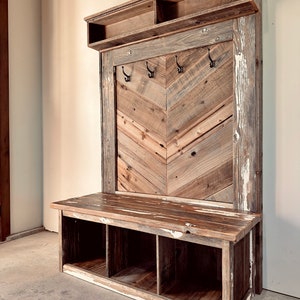
Credit: www.etsy.com
Frequently Asked Questions
What Materials Do I Need For A Pallet Entryway Bench?
You need wooden pallets, sandpaper, wood screws, a drill, wood glue, paint or stain, and cushions for comfort. These materials are affordable and easy to find, making your project simple and budget-friendly.
How Long Does It Take To Build A Pallet Bench?
Building a pallet entryway bench typically takes 2 to 4 hours. This depends on your skill level and drying time for paint or stain. Planning and preparation can reduce your overall project time.
Can I Customize The Size Of The Pallet Bench?
Yes, you can customize the bench size by cutting pallets to fit your space. Adjust the length, width, and height to match your entryway dimensions and personal style preferences.
Is It Safe To Use Pallets For Indoor Furniture?
Yes, but ensure pallets are heat-treated, not chemically treated. Sand thoroughly to remove splinters and clean well. This makes them safe and suitable for indoor use.
Conclusion
Building a pallet entryway bench is simple and rewarding. It adds style and function to your home. You save money by using recycled pallets. Plus, you can customize the bench to fit your space. This project suits beginners and experienced DIYers alike.
Enjoy a cozy spot to sit or store shoes. Start gathering materials and create your own bench today. It makes your entryway warm and welcoming. A small effort brings big changes. Try it and see the difference yourself.