Are you considering adding wicker outdoor furniture to your patio or garden but wonder if it can stand up to the elements? You want pieces that not only look stylish but also last through sun, rain, and changing temperatures.
The big question is: Is wicker outdoor furniture durable enough for your space? Whether you’re leaning toward natural or synthetic wicker, understanding how each type holds up outdoors can save you time, money, and frustration. You’ll discover the truth about wicker’s durability, how to protect your investment, and tips to ensure your furniture stays beautiful season after season.
Keep reading to find out exactly what you need to know before making your wicker furniture choice.
Wicker Types For Outdoors
Wicker furniture comes in different types suited for outdoor use. Choosing the right wicker affects durability and maintenance. Two main types exist: synthetic and natural wicker. Each type has unique traits that influence how well it lasts outside.
Synthetic wicker is made from man-made materials designed to handle outdoor conditions. Natural wicker uses plant fibers and offers a classic look but faces challenges outdoors. Understanding both types helps in selecting the best option for your patio or garden.
Synthetic Wicker Benefits
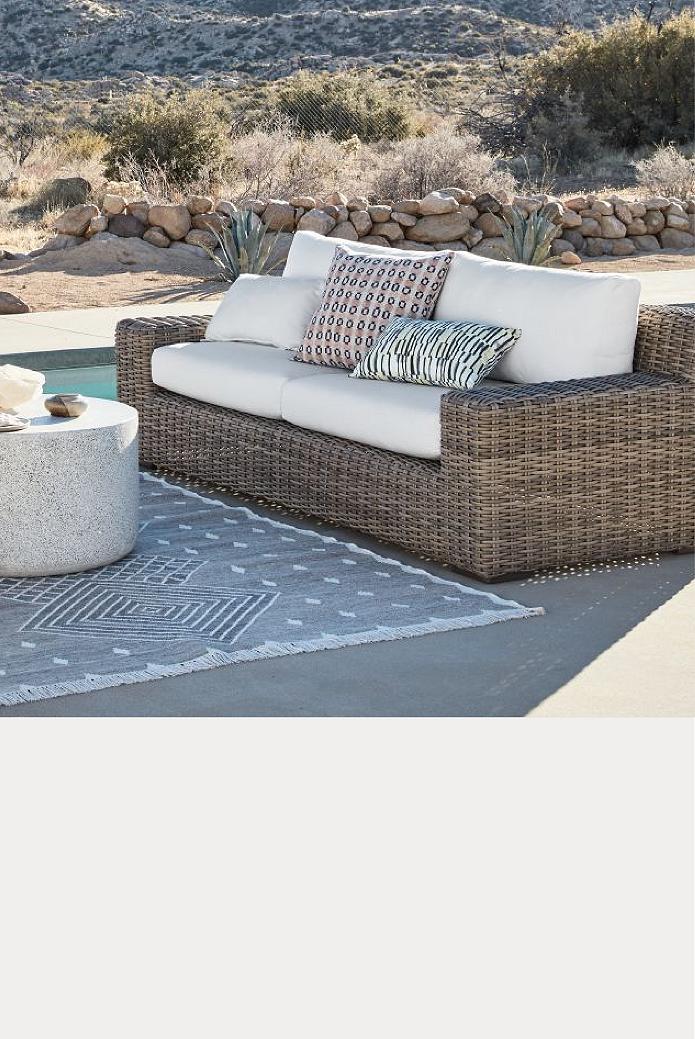
Synthetic wicker is crafted from materials like resin or plastic. It resists sun damage, rain, and temperature changes. This wicker does not fade, crack, or warp easily. Cleaning is simple with mild soap and water. It requires low maintenance and stays attractive for years. Synthetic wicker is lightweight and often more affordable. It fits well in any outdoor space and lasts longer under harsh weather.
Natural Wicker Challenges
Natural wicker comes from plant fibers such as rattan or bamboo. It looks warm and stylish but has limits outdoors. Sun and moisture cause it to dry out, crack, or warp. Mold and mildew may grow if exposed to rain. Lifespan outdoors is usually one to seven years. Natural wicker needs protection like covers or indoor storage. Even water-resistant sprays cannot stop all damage. It works best in covered patios or places shielded from heavy weather.
Credit: www.crateandbarrel.com
Durability Factors
Durability is a key factor when choosing wicker outdoor furniture. Understanding what affects its strength helps you make smart choices. Different materials and conditions play a role in how long wicker furniture lasts. Some types handle the outdoors better than others. Knowing these factors ensures your furniture stays beautiful and functional for years.
Weather Resistance
Synthetic wicker is designed to resist weather damage. It handles rain, wind, and temperature changes well. This type rarely cracks, fades, or warps. Natural wicker is not as tough outdoors. It absorbs moisture and can rot or mold easily. Protecting natural wicker from rain and sun extends its life. Covers or placing furniture under a roof help a lot.
Sun And Moisture Impact
Sun exposure can dry out and weaken natural wicker. It becomes brittle and may break over time. Moisture causes swelling and mold growth in natural fibers. Synthetic wicker resists UV rays and moisture better. Still, long exposure to harsh sun can cause some fading. Cleaning and storing furniture during bad weather prevents damage. Regular care keeps wicker looking fresh longer.
Lifespan Expectations
Natural wicker furniture lasts about one to seven years outdoors. Its lifespan depends on weather and care. Synthetic wicker lasts much longer, often over ten years. Proper maintenance boosts lifespan for both types. Using mild soap and water for cleaning helps. Bringing furniture indoors or under cover during storms adds protection. Choose synthetic wicker for long-lasting outdoor use.
Rain Exposure Effects
Rain can test the strength and longevity of wicker outdoor furniture. Moisture exposure affects materials differently. Understanding how rain impacts your wicker furniture helps you protect your investment and keep it looking great.
Natural Wicker Vulnerability
Natural wicker is made from plant fibers. These fibers soak up water easily. Rain causes the wicker to swell and weaken. Over time, moisture leads to cracking and warping. Mold and mildew often grow on damp natural wicker. Continuous rain exposure shortens its lifespan. Keeping natural wicker dry is crucial for durability.
Synthetic Wicker Water Resistance
Synthetic wicker is made from resin or plastic. It resists water much better than natural wicker. Rain usually rolls off its surface without damage. This material does not absorb moisture or rot. Synthetic wicker can handle frequent rain with less wear. Still, standing water can cause mildew on the frame underneath. Proper drainage and occasional cleaning help maintain its condition.
Cushions And Upholstery Risks
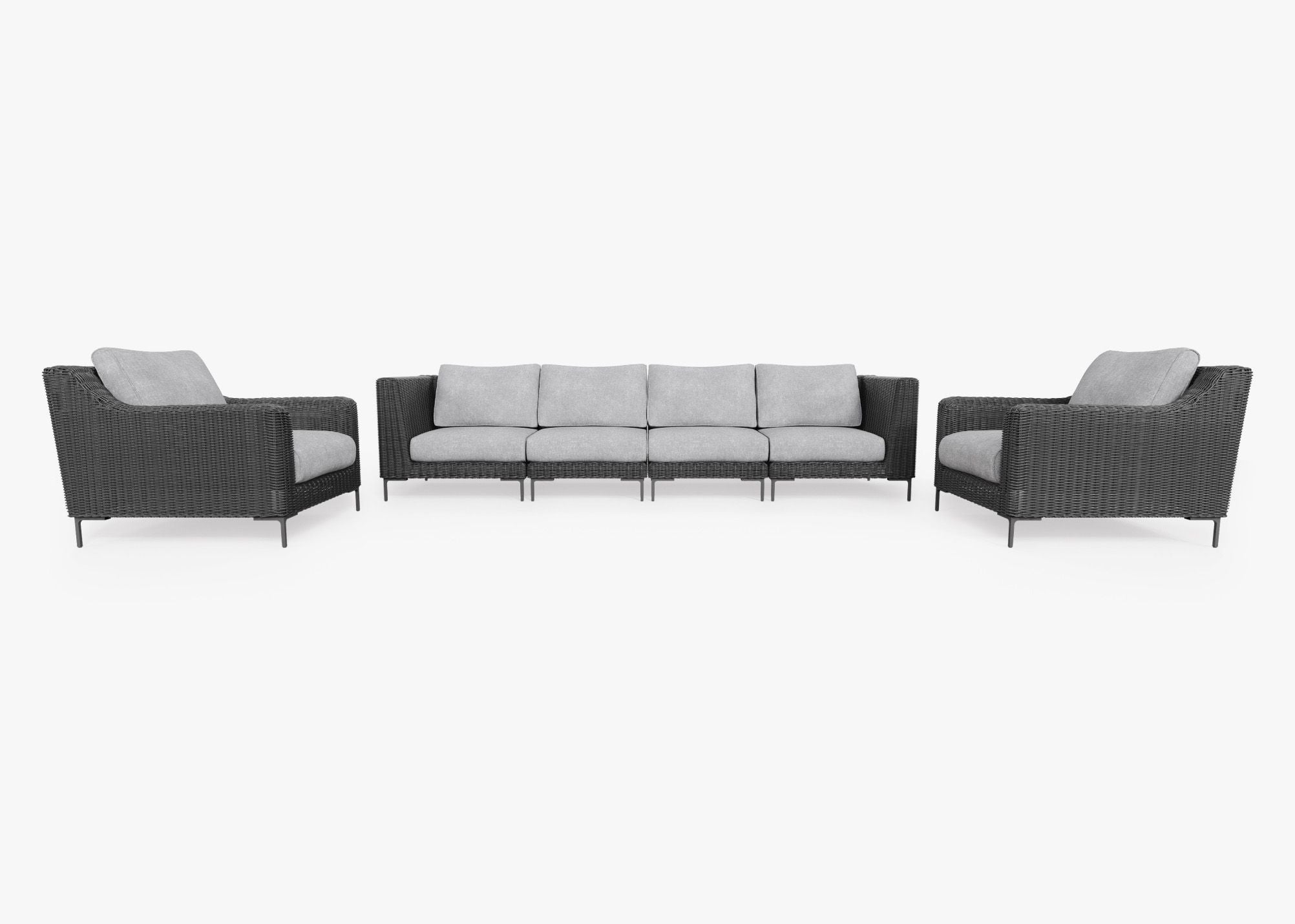
Cushions and fabric covers often face the worst damage from rain. Water soaks into padding, causing mold and mildew growth. Wet cushions take time to dry and may develop bad odors. Rain can fade colors and weaken fabric fibers. Using water-resistant or quick-dry cushions improves their lifespan. Storing cushions indoors during rain is the safest option.
Credit: liveouter.com
Maintenance Tips
Proper maintenance keeps wicker outdoor furniture looking fresh and lasting longer. Both natural and synthetic wicker need care to resist weather damage. A simple routine protects your investment and improves durability. Below are key maintenance tips to follow.
Regular Cleaning Routine
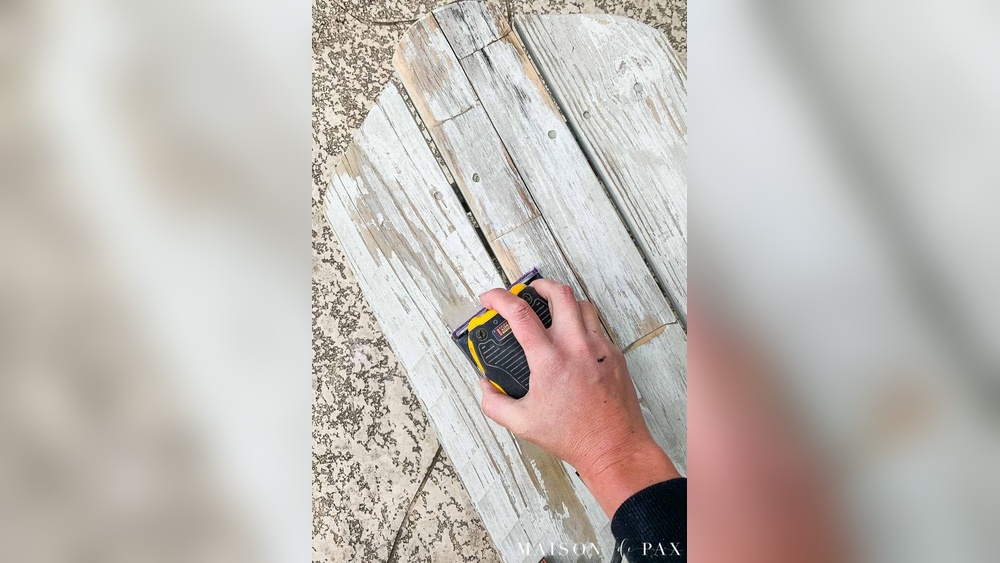
Dust and dirt build up quickly on outdoor wicker. Clean your furniture every two weeks to avoid grime. Use a soft brush or cloth to remove loose dirt. Mix mild soap with warm water for gentle washing. Wipe the furniture carefully without soaking it. Rinse with clean water and dry with a towel. Avoid harsh chemicals that may damage the fibers. Regular cleaning prevents mold and keeps the wicker strong.
Applying Protective Sealants
Sealants add a protective layer against moisture and sun damage. Use a water-based sealant suitable for wicker materials. Apply it with a brush in thin, even coats. Let each coat dry fully before adding another. Sealants help prevent cracking and fading over time. For natural wicker, reapply sealant every six months. Synthetic wicker may need less frequent application. This step boosts the furniture’s resistance to weather extremes.
Protection Strategies
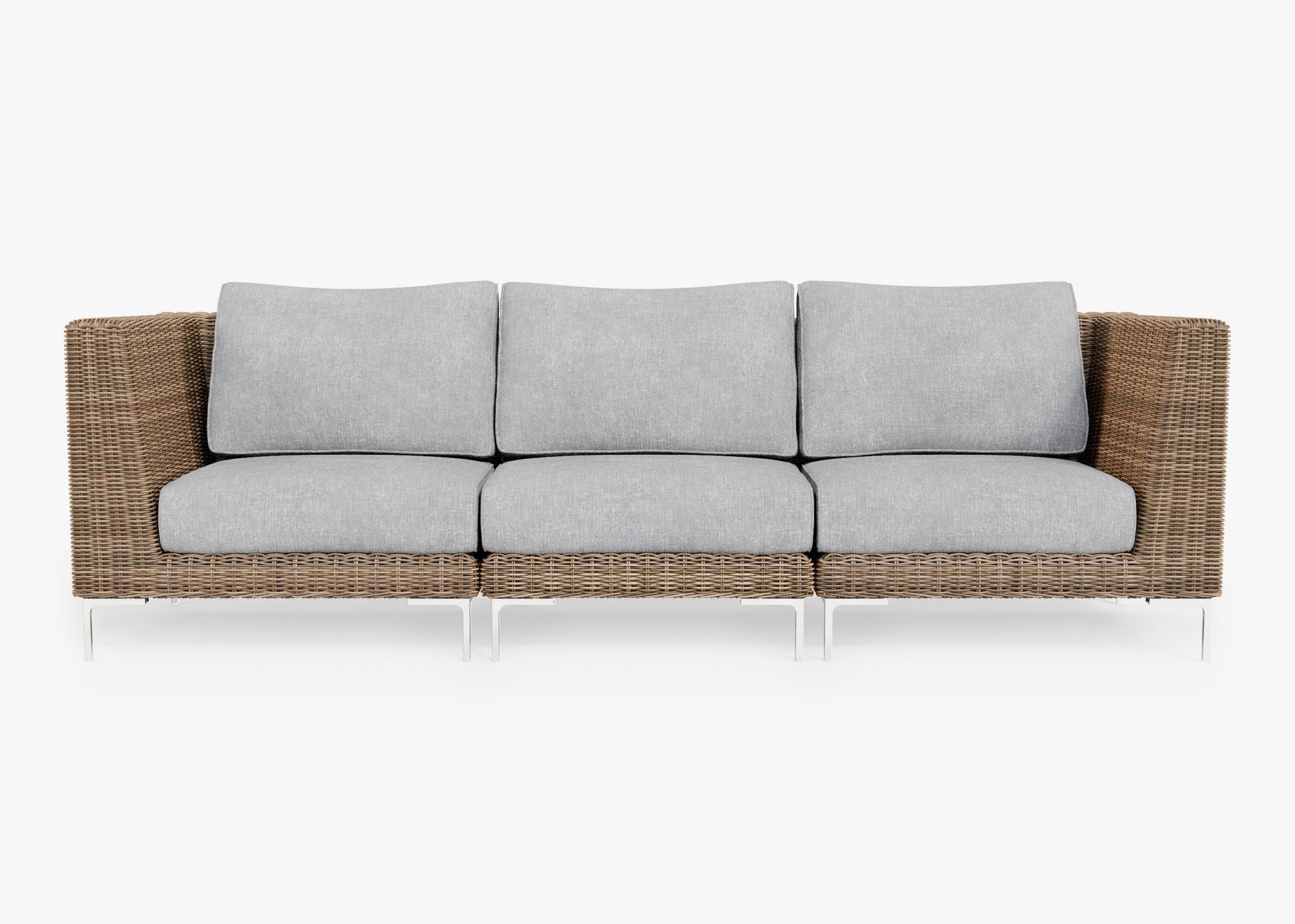
Protecting wicker outdoor furniture extends its life and maintains its beauty. Rain, sun, and dirt wear down the material over time. Using simple protection methods helps keep your furniture strong and looking fresh. Below are key strategies to guard wicker furniture from damage and fading.
Using Waterproof Covers
Waterproof covers shield wicker furniture from rain and moisture. They prevent water from soaking into the fibers. Use covers when furniture is not in use for long periods. Choose covers that fit well and allow some air flow. This stops mold and mildew from growing beneath the cover.
Indoor Storage Benefits
Storing wicker furniture indoors protects it from harsh weather. Indoor storage prevents sun damage and moisture buildup. Bring furniture inside during winter or heavy rain seasons. Indoor storage reduces fading and cracking. It also cuts down on dust and dirt accumulation.
Elevating Furniture
Raising wicker furniture off the ground avoids water damage. Use furniture feet or blocks to lift it slightly. This prevents contact with wet surfaces after rain. Elevating furniture promotes air circulation under the pieces. It helps the furniture dry faster and stay dry longer.
Prompt Drying
Wipe down wicker furniture quickly after rain or spills. Removing water stops mold and rot from developing. Use a dry cloth or towel to soak up moisture. Open cushions and let them air dry fully. Prompt drying keeps the furniture strong and extends its life.
Credit: liveouter.com
Frequently Asked Questions
How Long Will Wicker Furniture Last Outside?
Synthetic wicker furniture lasts 10 to 15 years outdoors with proper care. Natural wicker endures 1 to 7 years but needs covered protection. Regular cleaning and using waterproof covers extend wicker furniture life significantly. Avoid prolonged rain exposure to prevent damage and mold growth.
Can Wicker Furniture Be Left Outside In The Rain?
Wicker furniture should not stay outside in the rain. Natural wicker absorbs moisture, causing rot and mold. Synthetic wicker resists water but can still degrade. Always cover or store wicker furniture indoors during wet weather to maintain its durability and appearance.
What Are The Disadvantages Of Wicker Furniture?
Wicker furniture can crack, warp, or fade when exposed to sun and moisture. Natural wicker molds and rots easily. It requires regular maintenance and protection from weather to last longer. Synthetic wicker is more durable but not fully waterproof.
What Are The Disadvantages Of Using Wickers?
Wickers can crack, warp, or fade from sun and moisture exposure. Natural wicker rots and molds easily outdoors. Synthetic wicker resists water but still needs protection. Regular maintenance and covering prolong lifespan. Cushions may mildew if left wet.
Conclusion
Wicker outdoor furniture can last long with the right care. Synthetic wicker holds up well against sun and rain. Natural wicker needs shelter to avoid damage and mold. Clean your furniture regularly to keep it looking fresh. Use covers or store pieces indoors during bad weather.
Choose the type that fits your outdoor space and lifestyle. Durable, stylish furniture is possible with proper maintenance and protection.