
Your living room is more than just a space—it’s where you relax, entertain, and create memories. But arranging furniture can sometimes feel overwhelming.
How do you make sure everything fits perfectly while keeping the room cozy and inviting? You’ll discover simple, practical tips to configure your living room furniture in a way that maximizes comfort and style. Keep reading, and you’ll soon feel confident transforming your space into the perfect spot for you and your guests.
Choosing The Right Layout
Choosing the right layout is key to a comfortable and stylish living room. The layout affects how you use the space and how it feels. A good layout makes the room inviting and easy to move around in. It also highlights your furniture and décor in the best way.
Assessing Room Shape And Size
Start by measuring the room’s length and width. Know the shape—square, rectangular, or irregular. This guides how to place your furniture. Large rooms need different plans than small ones. Avoid crowding small spaces with too much furniture. Use smaller pieces for tight spots.
Identifying Focal Points
Find the main focus in the room. It could be a fireplace, TV, or window. Arrange furniture to face or circle around this point. This makes the space feel balanced and inviting. Avoid blocking the focal point with big furniture. Use rugs or lighting to enhance it.
Creating Traffic Flow
Plan clear paths for walking through the room. Leave at least two to three feet between furniture pieces. Avoid placing furniture where it blocks doors or windows. Good flow keeps the room easy to use and safe. Arrange seating to allow easy movement without bumps.

Credit: stylebyemilyhenderson.com
Selecting Furniture Pieces
Selecting the right furniture pieces is key to a comfortable and stylish living room. Each piece should fit the space well and serve a purpose. Thoughtful choices help create a cozy and inviting area for family and guests. Focus on balance, size, and texture to shape your room’s look and feel.
Balancing Style And Function
Choose furniture that looks good and works well. A stylish sofa must also be comfortable to sit on. Tables should offer enough surface space without crowding the room. Find pieces that match your lifestyle and daily needs. This balance keeps the room both attractive and practical.
Choosing Scaled Furniture
Pick furniture that fits your living room size. Large rooms can hold big sofas and chairs easily. Small spaces need compact pieces to avoid crowding. Measure your room before buying. Proper scale helps maintain flow and makes the room feel open.
Mixing Materials And Textures
Combine different materials to add depth to the room. Wood, metal, and fabric create visual interest. Soft cushions with smooth tables feel inviting. Mixing textures also breaks monotony and makes the space lively. Aim for harmony by matching colors and finishes.
Arranging Seating Areas
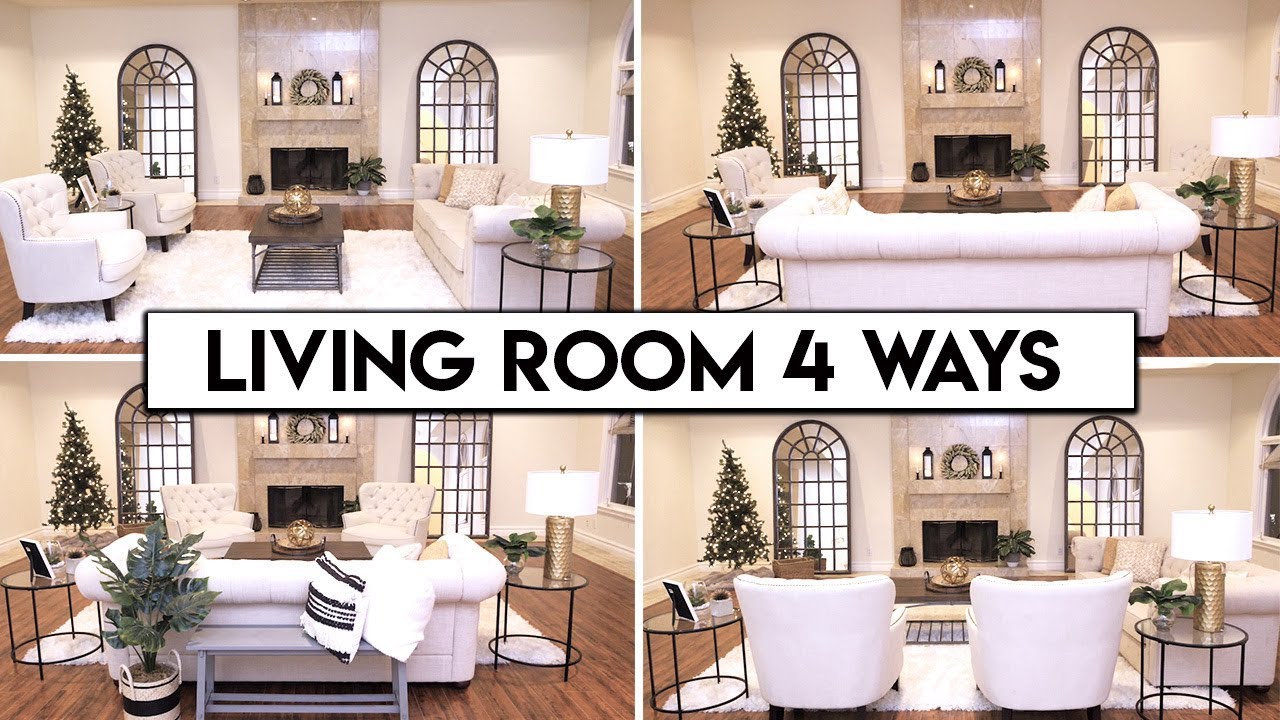
Arranging seating areas in the living room shapes how people connect and relax. Proper placement of chairs and sofas creates a welcoming space. It helps guests talk easily and feel comfortable. Thoughtful arrangement can also make the room look spacious and balanced.
Focus on grouping seats for easy conversation, adding comfort, and including flexible options. This approach suits different needs and occasions.
Grouping For Conversation
Place seats close enough for clear talking without shouting. Arrange sofas and chairs to face each other. Use a coffee table or ottoman in the center to bring the group together. Avoid lining seats against walls only. This setup invites chats and eye contact.
Maximizing Comfort
Choose cushions and chairs with good support. Leave enough space to move legs freely. Add soft throws and pillows for extra coziness. Ensure seats have proper lighting nearby. Comfortable seating invites longer stays and relaxation.
Incorporating Flexible Seating
Use stools, poufs, or small chairs that move easily. These pieces fit in tight spaces or join the main group. Flexible seating adapts to more guests or different activities. It keeps the room functional without clutter.
:strip_icc()/living-room-large-area-rug-bcf9729c-14f549116b444f129b52258baf998392.jpg)
Credit: www.bhg.com
Optimizing Lighting
Lighting shapes the mood and function of your living room. Proper lighting makes the space welcoming and practical. It affects how you see colors and furniture. Optimizing lighting helps create a balanced and pleasant atmosphere. This section explains easy ways to improve your living room lighting.
Layering Light Sources
Use different light types to create layers. Combine ambient, task, and accent lighting. Ambient light provides overall illumination. Task lighting helps with activities like reading or crafting. Accent lighting highlights art or décor. Layered lights add depth and interest to your room.
Highlighting Key Areas
Focus light on important spots. Use spotlights or lamps to brighten seating areas. Illuminate shelves or artwork for emphasis. Highlighting draws attention and creates visual zones. It helps organize the space and boosts comfort.
Using Natural Light
Make the most of sunlight during the day. Keep windows clean and curtains light. Arrange furniture to allow light flow. Natural light lifts the mood and saves energy. Balance it with artificial light for cloudy days and evenings.
Adding Accessories And Decor
Adding accessories and decor brings life to your living room. These small touches create a cozy and inviting space. They also reflect your personal style and make the room feel complete.
Selecting Rugs And Curtains
Rugs and curtains set the mood in your living room. Choose rugs that fit the room size and color scheme. Soft textures add warmth and comfort underfoot. Curtains control light and add privacy. Pick colors that match or contrast with your walls. Simple patterns work well in small rooms. Large patterns suit spacious areas.
Incorporating Art And Plants
Art adds character and a focal point to your walls. Pick pieces that show your taste and match your furniture. Plants bring freshness and a touch of nature. They improve air quality and brighten the room. Use pots that fit the style of your living room. Mix tall and small plants for variety.
Choosing Functional Accents
Functional accents combine style and usefulness. Use decorative trays to organize remotes or candles. Choose stylish baskets for blankets or magazines. Lamps not only light the room but also serve as decor. Pick accessories that fit your lifestyle and space. Keep the look neat and balanced.
Maintaining Balance And Flow
Maintaining balance and flow in your living room creates a calm and welcoming space. It helps the room feel comfortable and easy to move around. Proper arrangement makes the furniture look good and the space functional. This section explains key tips to keep your living room well-balanced and smooth.
Avoiding Clutter
Clutter breaks the balance of a room. Keep only necessary furniture and items. Use storage boxes or shelves to hide small things. Leave enough space between pieces for easy walking. Too many items make the room feel cramped and messy. A clear space feels larger and more inviting.
Ensuring Visual Harmony
Match furniture styles and colors to create harmony. Use similar tones or materials to connect pieces. Avoid mixing too many patterns or colors. Balance big and small items to keep the eye moving gently. Place rugs, cushions, and art that fit the room’s theme. Visual harmony makes the room feel peaceful and complete.
Adjusting For Seasonal Changes
Change your living room layout slightly with the seasons. In warm months, move furniture for better airflow. Use lighter fabrics and colors to brighten the space. During colder months, add cozy throws and rugs. Arrange seating near windows or heaters for warmth. Seasonal changes keep the space fresh and comfortable all year.
Credit: www.youtube.com
Frequently Asked Questions
How Do I Arrange Living Room Furniture For Space?
Start by measuring your room dimensions carefully. Place large pieces against walls to open space. Use rugs to define areas. Keep walkways clear for easy movement. Balance furniture size with room scale for comfort and flow.
What Is The Best Furniture Layout For Small Living Rooms?
Choose multi-functional furniture to save space. Use light colors and slim designs. Arrange seating close to walls to maximize floor area. Incorporate mirrors to create an illusion of space. Keep décor minimal to avoid clutter.
How To Create A Cozy Living Room Seating Area?
Arrange sofas and chairs to face each other. Add a central coffee table for convenience. Use soft cushions and throws for warmth. Include warm lighting with lamps or candles. Position furniture near focal points like a fireplace or TV.
Where Should I Place The Tv In The Living Room?
Place the TV at eye level when seated. Avoid glare by positioning opposite windows. Ensure enough distance between TV and seating for comfort. Use media consoles to organize cables and devices neatly.
Conclusion
Arranging furniture well makes your living room feel cozy and open. Choose pieces that fit the space and your daily needs. Create clear paths for easy movement. Mix comfort with style for a welcoming space. Small changes can make a big difference in how your room feels.
Take your time and try different layouts. Enjoy your living room as a place to relax and connect. Simple steps bring comfort and beauty together. Your space, your rules.

