
Are you struggling to arrange your living room furniture in a way that feels both cozy and stylish? The way you display your furniture can change the entire mood of your space, making it inviting and comfortable or cramped and chaotic.
Imagine walking into your living room and instantly feeling relaxed, knowing every piece fits perfectly. You’ll discover simple, practical tips to showcase your furniture like a pro. Get ready to transform your living room into a space you love to spend time in—let’s dive in!
Credit: www.houzz.com
Choosing The Right Layout
Choosing the right layout is key to making your living room both beautiful and useful. A good layout shows off your furniture well. It also makes your room feel open and easy to move through. Start by thinking about your room’s size and shape. Then create spaces for different activities. Finally, make sure people can walk around without bumping into things.
Assessing Room Size And Shape
Measure your living room carefully. Note the length, width, and ceiling height. Look for any odd corners or walls with windows and doors. These details affect where furniture can go. Large rooms can hold bigger pieces and multiple seating areas. Small rooms need smaller furniture and simple layouts. Shape matters too. Square rooms are easy to arrange. Narrow rooms need furniture along the long walls. This creates balance and comfort.
Creating Functional Zones
Divide the room into sections for different uses. A seating area for talking or watching TV works well. Add a reading corner with a cozy chair and lamp. If space allows, include a small desk or play area. Use rugs or furniture placement to mark these zones. This helps the room feel organized and purposeful. Each zone should have enough space to be comfortable and inviting.
Balancing Traffic Flow
Think about how people move through the room. Leave clear paths between furniture pieces. Avoid blocking doors and windows. A good rule is to keep at least two feet of walking space. Place sofas and chairs so they don’t block hallways. Make it easy to reach key areas like the TV or fireplace. A smooth flow keeps the room feeling open and welcoming.
Credit: www.vecelo.com
Selecting Key Furniture Pieces
Selecting key furniture pieces sets the foundation for your living room design. These pieces shape the room’s style and function. Choosing the right items helps create comfort and flow. Focus on a few main pieces to keep the space balanced and inviting. Think about size, style, and how people will use the room.
Focal Point Sofas And Chairs
The sofa often becomes the room’s centerpiece. Pick one that fits the space well. Choose colors and shapes that match your style. Chairs add extra seating and style. Arrange them to encourage talking and connection. Comfortable seating invites guests to stay longer.
Essential Tables And Storage
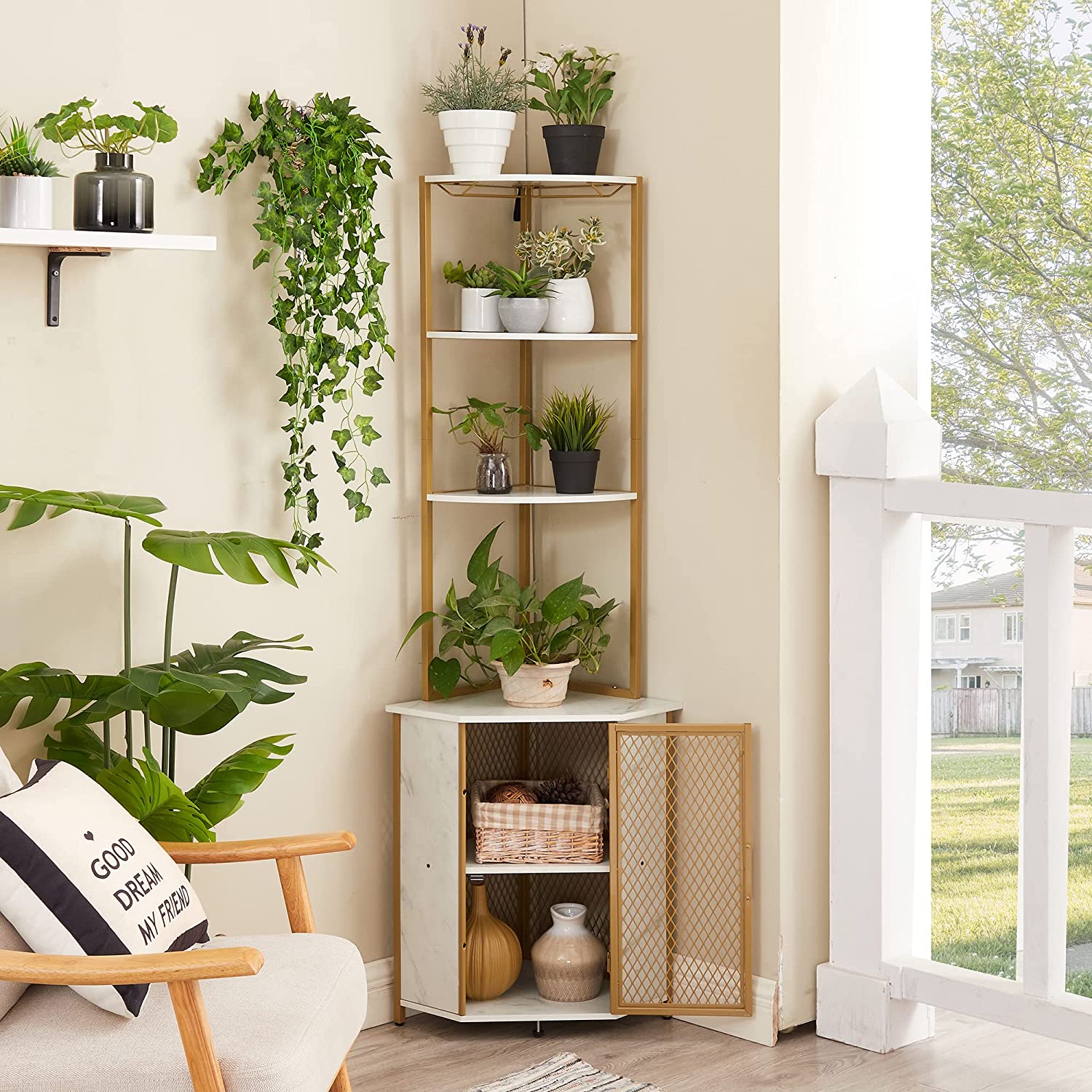
Tables offer places to set drinks and display items. Coffee tables and side tables are must-haves. Storage furniture keeps the room tidy. Use shelves, cabinets, or ottomans with hidden storage. Choose pieces that blend with your design theme and size.
Incorporating Accent Furniture
Accent furniture adds personality and layers to the space. Consider small benches, stools, or unique side tables. These pieces highlight your taste and add function. Keep accents simple to avoid clutter. They bring color and texture without overwhelming the room.
Arranging Furniture For Comfort
Arranging furniture for comfort in a living room is key to creating a space where people enjoy spending time. It is about making the room inviting and easy to use. Thoughtful placement helps everyone feel relaxed and welcome.
Comfort starts with how seating is arranged. The goal is to support natural conversation and easy interaction. Every piece should serve a purpose and fit well with others.
Optimizing Seating Arrangements
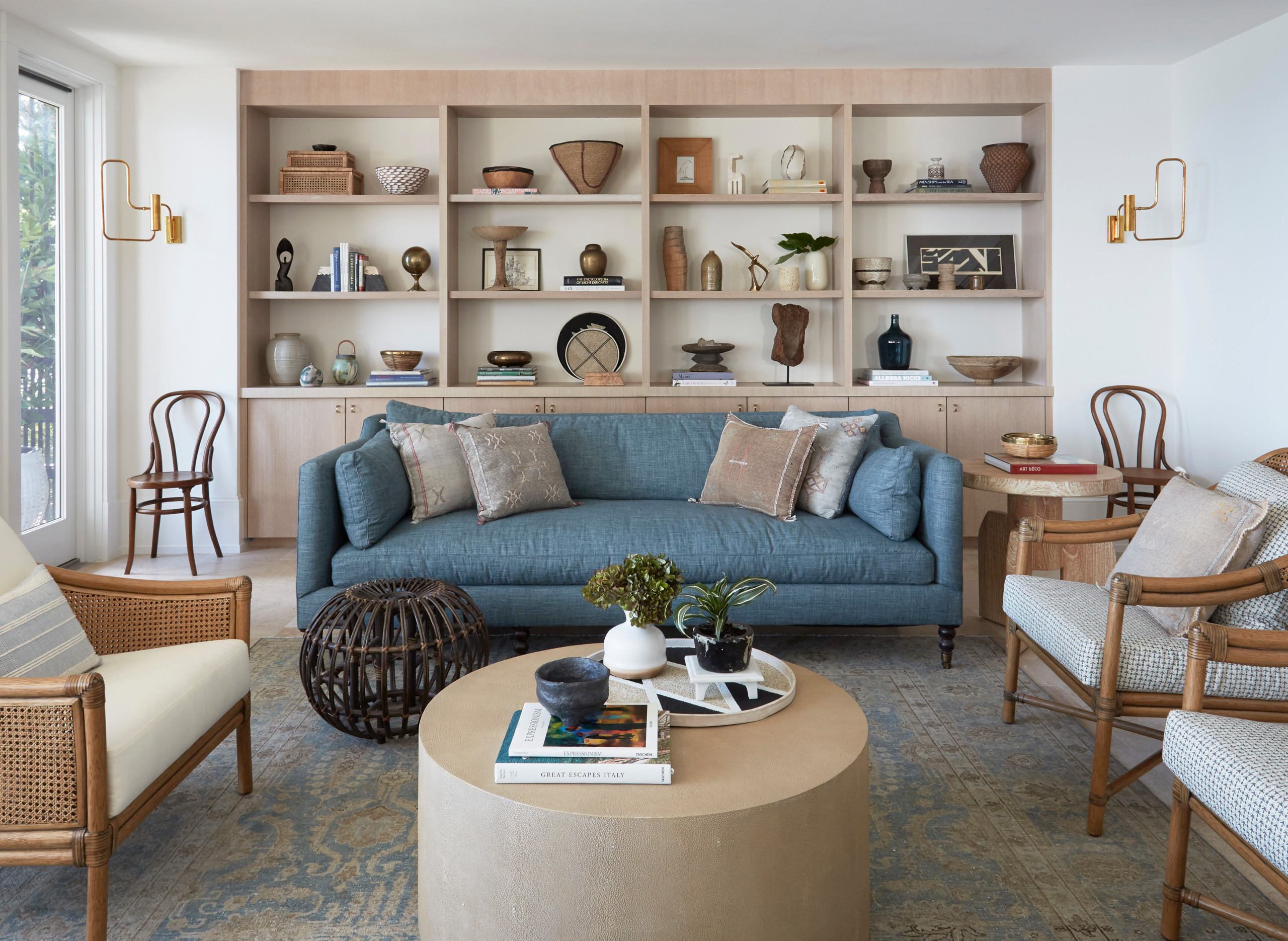
Place chairs and sofas to face each other. This setup encourages talking and sharing. Avoid pushing all furniture against the walls. Pull pieces closer to form a cozy group. Use a rug to anchor the seating area. Make sure everyone has a clear view of the TV or fireplace.
Spacing For Ease Of Movement
Leave enough space between furniture for walking. Aim for at least two to three feet of clearance. Avoid cluttered layouts that force people to squeeze through gaps. Keep pathways clear to doors and windows. Proper spacing makes the room feel open and calm.
Mixing Textures And Materials
Combine soft fabrics with smooth surfaces for a balanced look. Pair a plush sofa with a wooden coffee table. Use cushions and throws to add warmth. Mix leather with cotton or linen for variety. Different textures bring depth and comfort to the room.
Enhancing Style With Accessories
Accessories can lift the look of your living room. They add personality and warmth. Using the right pieces brings life to your space. Choose items that blend well with your furniture. Small touches can make a big difference.
Using Rugs To Define Areas
Rugs create clear zones in your living room. They separate seating from dining or play areas. Pick a rug that fits your furniture size. A rug anchors the space and adds color. Soft textures make the room feel cozy.
Adding Lighting For Ambiance
Lighting sets the mood and highlights features. Use floor lamps and table lamps for soft light. Layer lights with overhead and accent options. Warm light creates a welcoming atmosphere. Dimmer switches offer control over brightness.
Incorporating Art And Decor
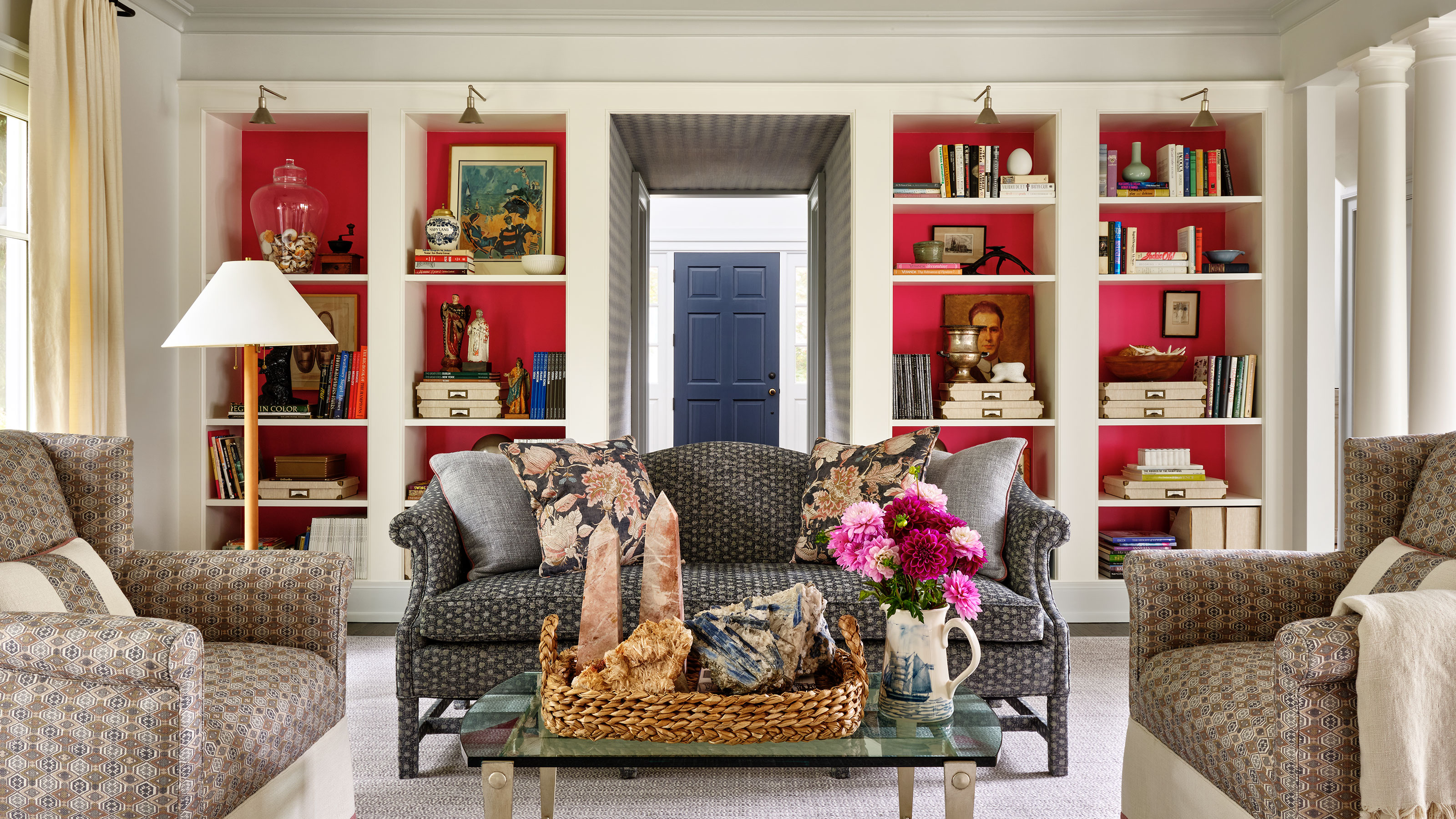
Art and decor show your style and interests. Hang paintings or photos on empty walls. Use shelves to display plants, books, and objects. Choose colors that match your room’s palette. Personal items bring charm and uniqueness.
Maximizing Small Living Rooms
Small living rooms need smart ideas to feel open and comfy. Every inch counts. Careful furniture choice and arrangement help make the space look bigger. Light and color also change how the room feels. Keep things simple and neat. This helps avoid a crowded look.
Choosing Multi-functional Furniture
Pick furniture that serves more than one purpose. A sofa bed offers seating and a place to sleep. Tables with storage hide clutter inside. Chairs that fold or stack save space when not used. Multi-functional pieces reduce the number of items in the room. This keeps the area open and easy to move around.
Using Mirrors And Light
Mirrors reflect light and make rooms look larger. Place mirrors opposite windows for the best effect. Use bright lamps to light dark corners. Natural light makes the room feel fresh and open. Choose light colors for walls and furniture. This helps bounce light around and lifts the mood of the space.
Keeping Clutter Minimal
Clutter makes small rooms feel cramped. Store items out of sight in drawers and boxes. Keep surfaces clear except for a few decorative items. Organize cables and electronics neatly. Use shelves to display only a few favorite things. Minimal clutter creates calm and space to relax.
Credit: www.homesandgardens.com
Frequently Asked Questions
How Do I Arrange Furniture For A Small Living Room?
Place larger pieces against walls to maximize space. Use multi-functional furniture and keep pathways clear for easy movement. Avoid overcrowding by selecting only essential items that fit the room’s scale and style.
What Is The Best Focal Point For Living Room Furniture?
Choose a natural focal point like a fireplace, TV, or window. Arrange seating around this area to encourage conversation and comfort. This creates a balanced and inviting living space.
How Can I Create Balance With Living Room Furniture?
Distribute furniture evenly on all sides of the room. Mix different shapes and sizes to avoid monotony. Use rugs and lighting to anchor and unify the space visually.
Should I Use Rugs When Displaying Living Room Furniture?
Yes, rugs define areas and add warmth. Ensure the rug size fits the seating arrangement. It anchors furniture and enhances the room’s overall style and comfort.
Conclusion
Arranging furniture shapes your living room’s feel and function. Start with key pieces, then add smaller items. Keep walkways clear for easy movement. Balance comfort with style to enjoy your space daily. Try different layouts to find what works best.
Remember, your living room reflects your personality. Take time, have fun, and create a cozy, inviting room. Small changes can make a big difference in how it looks and feels. Your perfect living room is just a few steps away.