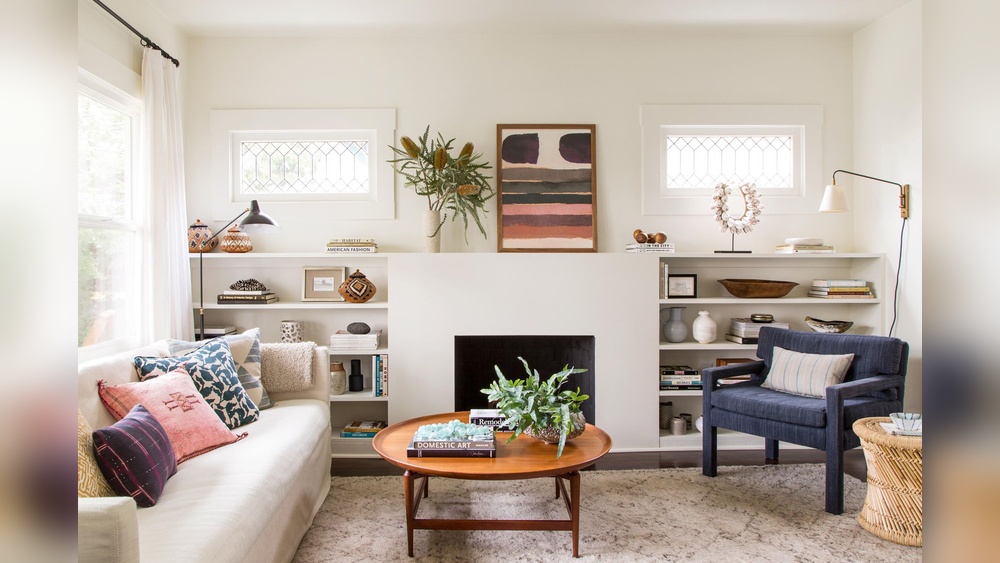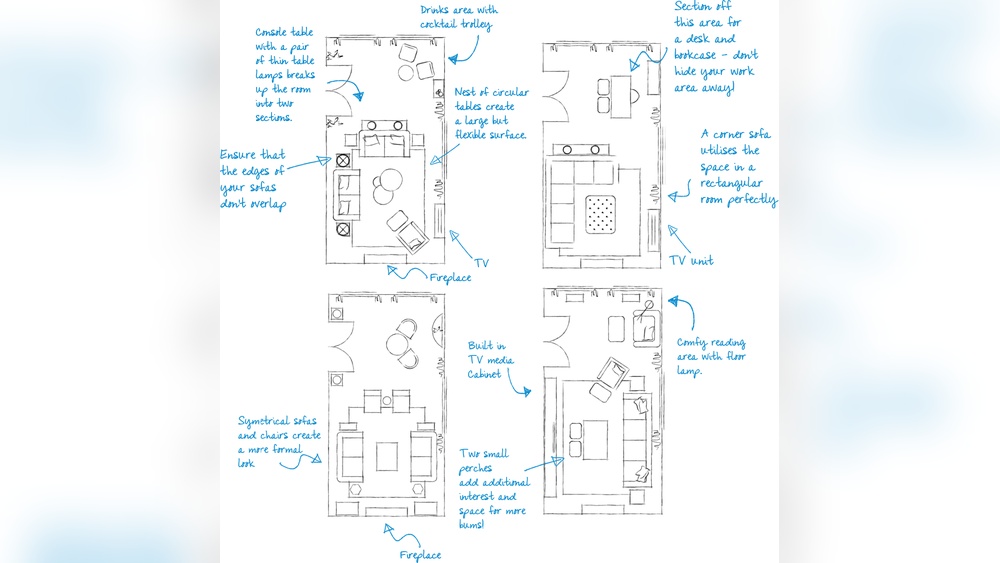
Arranging furniture in a rectangular living room can feel tricky. You want your space to look stylish, feel cozy, and work well for your daily life.
But where do you start? What pieces should go where? If you’ve ever stood in your room wondering how to make everything fit just right, you’re not alone. This guide will show you simple, smart ways to layout your furniture so your living room feels balanced and inviting.
Keep reading, and you’ll soon have a space that’s perfect for relaxing, entertaining, and making memories.
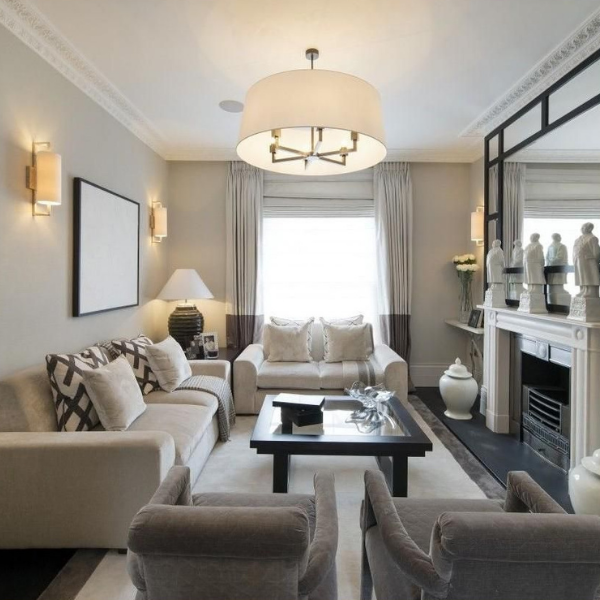
Credit: www.thelivinghouse.co.uk
Assess The Room Dimensions
Assessing the room dimensions is the first step to arrange furniture well in a rectangular living room. Knowing the exact size helps plan the layout. It also ensures the furniture fits comfortably without crowding. Careful measurement avoids mistakes and wasted effort.
Measure Length And Width
Start by measuring the length of the room from one wall to the other. Use a tape measure and note the number in feet or meters. Then measure the width across the room in the same way. Write down these two numbers clearly. These are the base numbers for your layout plan.
Identify Doorways And Windows
Locate all doors and windows in the room. Measure their size and distance from corners. Mark these on your room sketch. Doors and windows affect traffic flow and furniture placement. Avoid blocking them with large pieces. Leave space for opening doors fully.
Note Architectural Features
Look for features like radiators, vents, columns, or built-in shelves. Measure their position and size too. These features limit where furniture can go. Keep them in mind to avoid blocking or crowding. Planning around them creates a balanced and functional room.
Choose A Focal Point
Choosing a focal point is the first step in arranging furniture in a rectangular living room. It gives the room a clear purpose and draws attention. A focal point helps organize the space. It makes the room feel balanced and inviting.
Select A Fireplace Or Tv Wall
A fireplace or TV wall makes a natural focal point. Arrange seating to face this area for comfort. Place your sofa and chairs around it. This setup encourages conversation and relaxation. Avoid blocking the view with large furniture. Keep the area open and accessible.
Consider Natural Light Sources
Windows and doors bring in natural light. Use them as a focal point for a bright room. Position furniture near these light sources to enhance the space. Avoid heavy curtains that block sunlight. Let the light flow freely into the room.
Select The Right Furniture
Selecting the right furniture is key to designing a rectangular living room. The right pieces help use the space well. They also create a cozy and balanced look.
Choosing furniture that fits the room’s shape and size makes the area feel open and inviting. Avoid bulky or oversized items that crowd the space.
Opt For Scaled Pieces
Pick furniture that matches the room’s size. Small or medium-sized pieces work best. They keep the room from feeling cramped.
Long sofas or narrow chairs can follow the room’s length. This helps keep a smooth flow and clear walkways.
Use slim tables and low-profile furniture to add function without bulk. These pieces fit the room’s shape well.
Balance Seating Options
Include a mix of seating types to suit different needs. Combine sofas, armchairs, and ottomans for variety.
Place seating evenly throughout the room to avoid crowding one side. This creates a balanced and inviting space.
Arrange seats to face each other or a focal point like a TV or fireplace. This encourages conversation and comfort.
Create Conversation Zones
Creating conversation zones helps make a rectangular living room feel cozy. It breaks up a long space into smaller, inviting areas. These zones encourage people to gather and chat comfortably. It also improves the flow and function of the room. Here are two ways to create clear conversation zones in your living room.
Arrange Seating In Groups
Place sofas and chairs close to each other in small clusters. Face them toward each other to invite talking. Avoid lining all seats against the walls. Use a mix of chairs, loveseats, and sofas to add variety. Keep enough space between groups for easy movement. Grouping seats creates natural spots for friends and family to connect.
Use Rugs To Define Areas
Rugs help mark each conversation zone visually. Choose rugs that fit the size of the seating group. Place furniture so all legs rest on the rug or at least the front legs. Different colors or patterns can separate one zone from another. Rugs add warmth and make each area feel complete. This simple trick anchors the furniture and defines spaces clearly.
Maximize Traffic Flow
Maximizing traffic flow in a rectangular living room makes the space feel open and welcoming. It helps people move easily without bumping into furniture. Good traffic flow also highlights the room’s best features and keeps everything functional.
Leave Clear Pathways
Keep at least two to three feet of space for walking paths. This space allows easy movement through the room. Arrange furniture so paths are direct and avoid sharp turns. Clear pathways reduce clutter and make the room look tidy. Think about where people enter and leave the room most often.
Avoid Blocking Entrances
Do not place furniture in front of doors or main walkways. Blocked entrances cause frustration and crowding. Position sofas and chairs away from doorways. This keeps the entry open and inviting. Clear entrances also help with natural light flow and make cleaning easier.
Incorporate Storage Solutions
Storage solutions make a big difference in a rectangular living room. They help keep the space tidy and organized. Smart storage also improves the room’s flow. It prevents clutter and makes the area feel larger.
Choosing the right storage options lets you use every inch wisely. This is important in a rectangular layout where space can feel narrow. Use furniture and shelves that fit the room’s shape and size. This adds function without crowding the space.
Use Multifunctional Furniture
Multifunctional furniture saves space and adds storage. Think about sofas with built-in drawers or ottomans with hidden compartments. These pieces offer places to store blankets, books, or toys. They keep items out of sight but easy to reach.
Choose coffee tables with shelves or lift-tops. These provide extra storage without taking extra space. Benches with storage inside work well near windows or walls. This type of furniture combines comfort and practicality.
Add Shelving And Cabinets
Wall shelves use vertical space effectively in a rectangular room. Floating shelves keep the floor clear and provide display areas. Place shelves above sofas or along long walls. This helps balance the room’s proportions.
Cabinets offer closed storage to hide clutter. Slim, tall cabinets fit well in narrow spaces. Use cabinets with glass doors to show decorative items. This adds style and keeps the room organized.
Add Lighting Strategically
Lighting shapes the mood and feel of a rectangular living room. Proper lighting makes the space cozy and functional. It highlights furniture and creates comfort for different activities. Plan lighting with care to balance brightness and style.
Layer Ambient And Task Lighting
Start with ambient lighting for overall brightness. Ceiling lights or recessed fixtures work well. Add task lighting for reading or hobbies. Desk lamps or adjustable fixtures help focus light where needed. Layering these lights creates depth and ease.
Use Floor And Table Lamps
Place floor lamps near seating areas for extra light. They fill dark corners and add height to the room. Table lamps on side tables create warmth and invite relaxation. Choose lamps with soft light bulbs to avoid harsh glare. Mix styles to match your decor and keep balance.

Credit: housedesigner.com
Personalize With Accessories
Personalizing a rectangular living room with accessories makes the space feel unique and cozy. Accessories bring life to the room and show your style. They help break the long lines of a rectangular shape. Small touches create a big impact in your living area.
Choose accessories that match your furniture and color scheme. This will create a balanced and inviting look. Use different textures and colors to add interest without cluttering. Keep accessories simple but meaningful to reflect your personality.
Choose Artwork And Decor
Artwork adds color and character to your walls. Pick pieces that fit the room’s mood and size. Large art can fill empty wall space and anchor the room. Smaller pieces work well in groups for a gallery look.
Decor items like vases, sculptures, or plants add shape and height. Place them on shelves, tables, or corners to balance the layout. Use items that have personal meaning or tell a story.
Include Textiles For Warmth
Textiles soften the hard edges of furniture and floors. Rugs, cushions, and throws add warmth and comfort. Choose colors that complement your furniture and walls.
A rug can define the seating area and add texture. Cushions on sofas create a cozy feel and invite relaxation. Throws add layers and can change the look with the seasons.
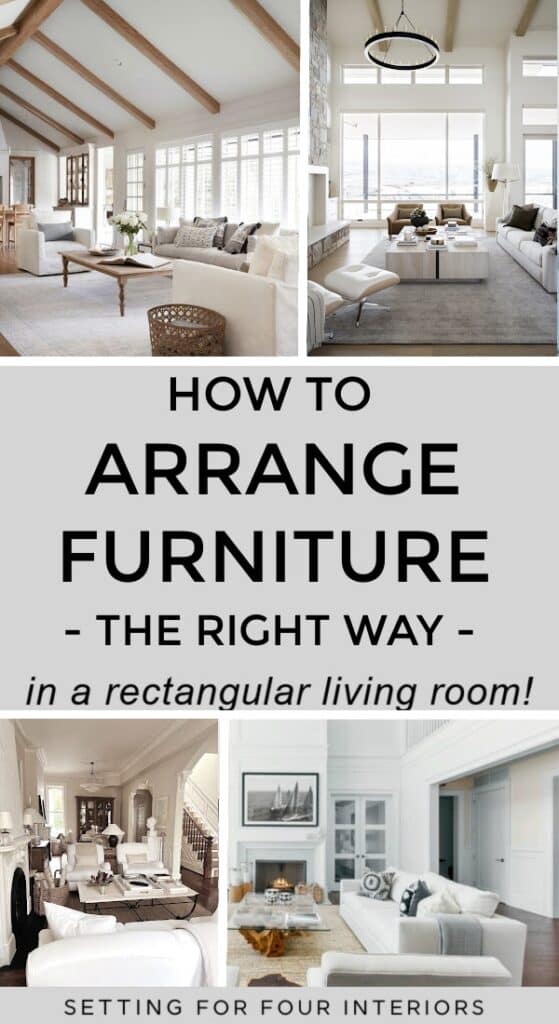
Credit: www.settingforfour.com
Frequently Asked Questions
How To Arrange Furniture For Space Efficiency?
Place larger pieces against longer walls to open space. Use rugs to define seating areas. Avoid blocking pathways. Balance furniture size for flow and comfort.
What Furniture Suits A Rectangular Living Room Best?
Choose streamlined sofas and compact chairs. Opt for low-profile or modular pieces. Use multi-functional furniture to save space. Keep layout simple to avoid clutter.
How To Create Conversation Areas In Rectangular Rooms?
Arrange seating to face each other with a coffee table. Use area rugs to anchor the space. Position chairs at angles for easy interaction. Ensure clear walkways around seating.
Can I Use Rugs To Define Zones Effectively?
Yes, rugs visually separate different areas. Place rugs under the main seating group. Use contrasting colors or patterns for distinction. Rugs add warmth and structure to the layout.
Conclusion
A well-planned furniture layout makes your rectangular living room feel cozy. Choose pieces that fit the space without crowding it. Arrange seating to encourage easy conversation and movement. Use rugs and lighting to define different areas. Keep pathways clear for comfort and flow.
Small changes can create a big impact in your room. Try different setups until it feels just right. Your living room can become a warm, inviting place for all.