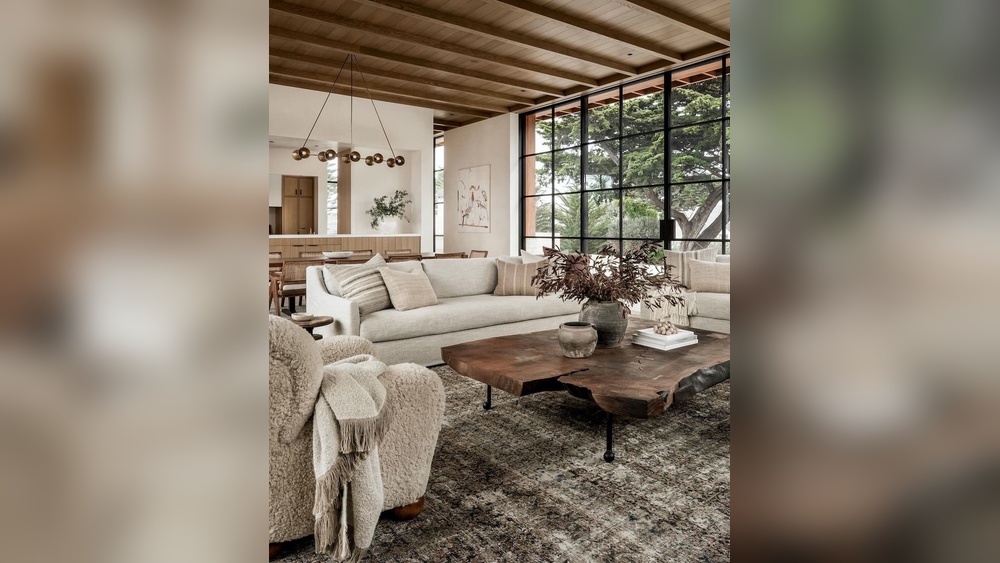
Your living room is more than just a space—it’s where you relax, entertain, and make memories. If you have beautiful wood floors, arranging your furniture the right way can highlight their natural charm while making your room feel cozy and inviting.
But figuring out the perfect layout can be tricky. How do you balance style with comfort? How can you make the most of your space without cluttering it? In this guide, you’ll discover simple, effective tips to arrange your living room furniture that enhance your wood floor’s beauty and create a warm, welcoming atmosphere you’ll love coming home to.
Keep reading to transform your space into the living room of your dreams.
Choosing The Right Layout
Choosing the right layout for your living room with wood floors sets the tone for comfort and style. A well-planned layout makes the space feel open and inviting. It also helps highlight the natural beauty of the wood flooring. The key is to balance function and flow while making the room cozy.
Assessing Room Size And Shape
Start by measuring the room’s length and width. Note any irregular shapes or obstacles like doors and windows. Large rooms offer more flexibility in furniture placement. Smaller rooms need careful planning to avoid clutter. The shape influences where to place main pieces like sofas and tables. Understanding the space helps create a balanced look.
Creating Functional Zones
Divide the living room into areas for different activities. A seating zone for relaxing and chatting is essential. Include a reading nook or media area if space allows. Use rugs or furniture arrangement to define each zone. This approach keeps the room organized and purposeful. It also makes the space more comfortable for everyone.
Balancing Traffic Flow
Keep pathways clear for easy movement. Avoid placing furniture where it blocks doors or windows. Leave at least two feet of walking space between pieces. Arrange seating to encourage conversation without crowding. Good traffic flow prevents the room from feeling cramped. It ensures the living room stays practical and inviting.
Selecting Furniture Styles
Choosing the right furniture style can enhance the warmth of a wood floor in your living room. Balance size and color to create a cozy, inviting space. Mixing textures adds interest without overwhelming the natural wood tones.
Complementing Wood Floor Tones
Choose furniture colors that match your wood floor tones. Light wood floors work well with soft, neutral furniture. Dark wood floors pair nicely with rich, warm colors. Avoid colors that clash with your floor’s shade. Aim for harmony to create a balanced look. This approach makes the room feel cozy and inviting.
Mixing Modern And Classic Pieces
Combine modern furniture with classic styles for interest. A sleek sofa with a vintage coffee table adds charm. Mixing styles keeps the space dynamic and fresh. Avoid using too many pieces from one style. Balance is key to a stylish and comfortable living room.
Prioritizing Comfort And Function
Select furniture that feels good to sit on and suits your needs. Comfortable sofas and chairs encourage relaxation. Choose pieces with storage to keep the room tidy. Functionality helps the room stay organized and welcoming. Comfort and use go hand in hand for a happy living space.
Maximizing Space With Arrangement
Maximizing space in a living room with wood floors helps the room feel larger and more inviting. Thoughtful furniture arrangement creates flow and balance. It also makes the best use of the available space.
Smart placement of furniture enhances openness and comfort. Using the right pieces and layout keeps the room uncluttered. The goal is to create clear zones for different activities.
Using Rugs To Define Areas
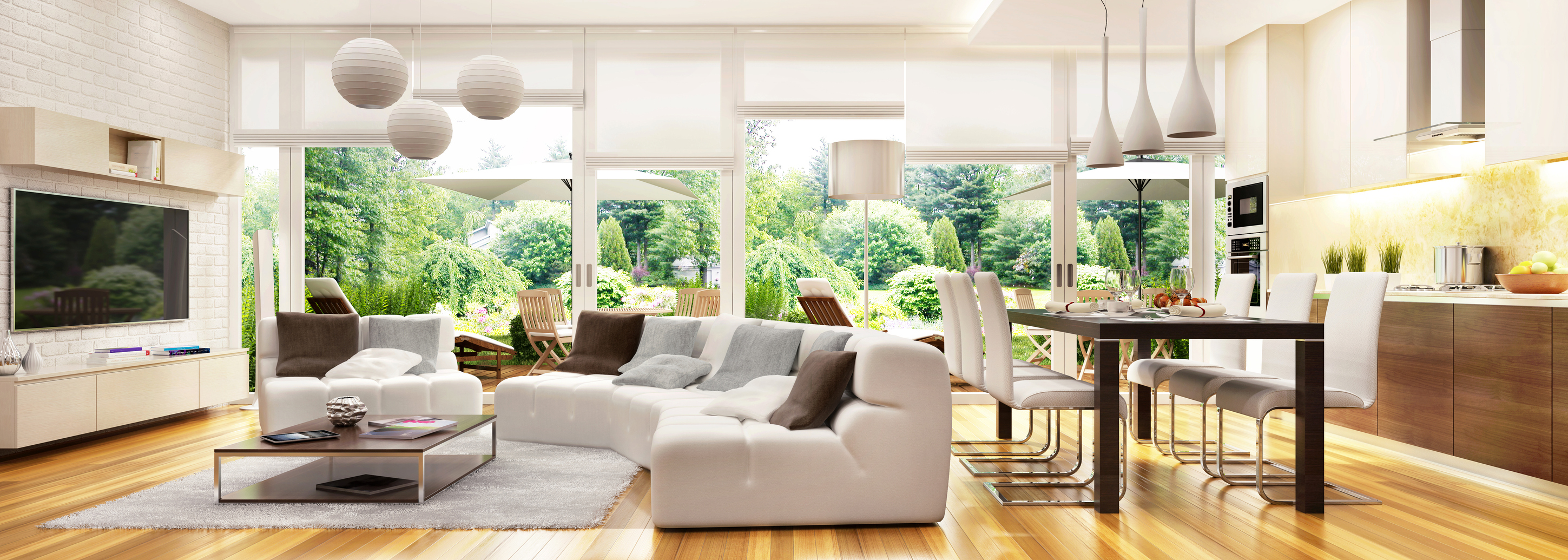
Rugs help separate spaces visually without walls. Place a rug under the seating area to anchor it. Choose rugs that match the wood floor color and style. This creates a cozy and defined zone for conversation or relaxation.
Smaller rugs can highlight reading corners or play areas. Rugs soften the hard surface of wood floors. They also add texture and warmth to the room.
Positioning Furniture For Openness
Arrange furniture away from walls to open up the space. Pull chairs and sofas slightly inward to create a central gathering spot. Avoid blocking pathways with large pieces.
Leave clear walkways around furniture for easy movement. Use low-profile furniture to keep sight lines clear. This makes the room feel bright and spacious.
Incorporating Multi-functional Pieces
Choose furniture that serves more than one purpose. Storage ottomans provide seating and hide clutter. Sofa beds offer extra sleeping space without extra rooms.
Tables with shelves or drawers help keep items organized. Multi-functional pieces save space and add practicality. They fit perfectly in living rooms with wood floors.
Credit: www.pieratts.com
Enhancing Warmth And Texture
Wood floors bring natural beauty to any living room. They create a warm and inviting base for your furniture. Enhancing warmth and texture makes the room feel cozy and lived-in. Layering different materials and textiles adds depth and comfort. This approach helps balance the hard surface of wood floors with softer, tactile elements.
Adding Soft Textiles
Soft textiles add comfort and warmth to the living room. Use area rugs to break up the wood floor’s hard surface. Choose rugs with natural fibers like wool or cotton for extra softness. Throw pillows and blankets on sofas create a cozy feel. Pick colors that complement the wood tone. These textiles make the space inviting and easy to relax in.
Using Natural Materials
Natural materials blend well with wood floors and add texture. Incorporate wicker, rattan, or bamboo furniture pieces. These materials bring an organic vibe to the room. Wood furniture with varied grains and finishes adds interest. Plants in clay or stone pots introduce greenery and life. These elements keep the room feeling fresh and natural.
Layering With Accessories
Accessories help build layers of texture and warmth. Use cushions, throws, and decorative baskets to add detail. Mix materials like leather, linen, and metal for contrast. Place books or candles on coffee tables for personality. These small touches create a lived-in, welcoming atmosphere. Layering also helps soften the look of wooden floors.
Lighting And Ambiance
Lighting shapes the mood and feel of a living room with wood floors. It sets the tone, making the space warm, cozy, or bright and lively. Proper lighting highlights the beauty of wood floors and complements the furniture layout. Thoughtful light choices create a balanced ambiance that invites comfort and style.
Choosing Light Fixtures
Select light fixtures that match your room’s style and size. Pendant lights add focus to seating areas. Floor lamps bring soft light to corners. Table lamps offer gentle, cozy glows near sofas and chairs. Choose warm bulbs to enhance the wood’s natural tones. Avoid harsh, cold lights that dull the wood’s richness.
Highlighting Wood Floor Features
Use lighting to draw attention to wood grain and texture. Low, angled lights create shadows that show floor patterns. Spotlights or track lights can emphasize specific floor areas. Reflective light on polished wood adds depth and shine. Keep lighting soft to avoid glare on shiny surfaces. This highlights the floor’s natural beauty.
Balancing Natural And Artificial Light
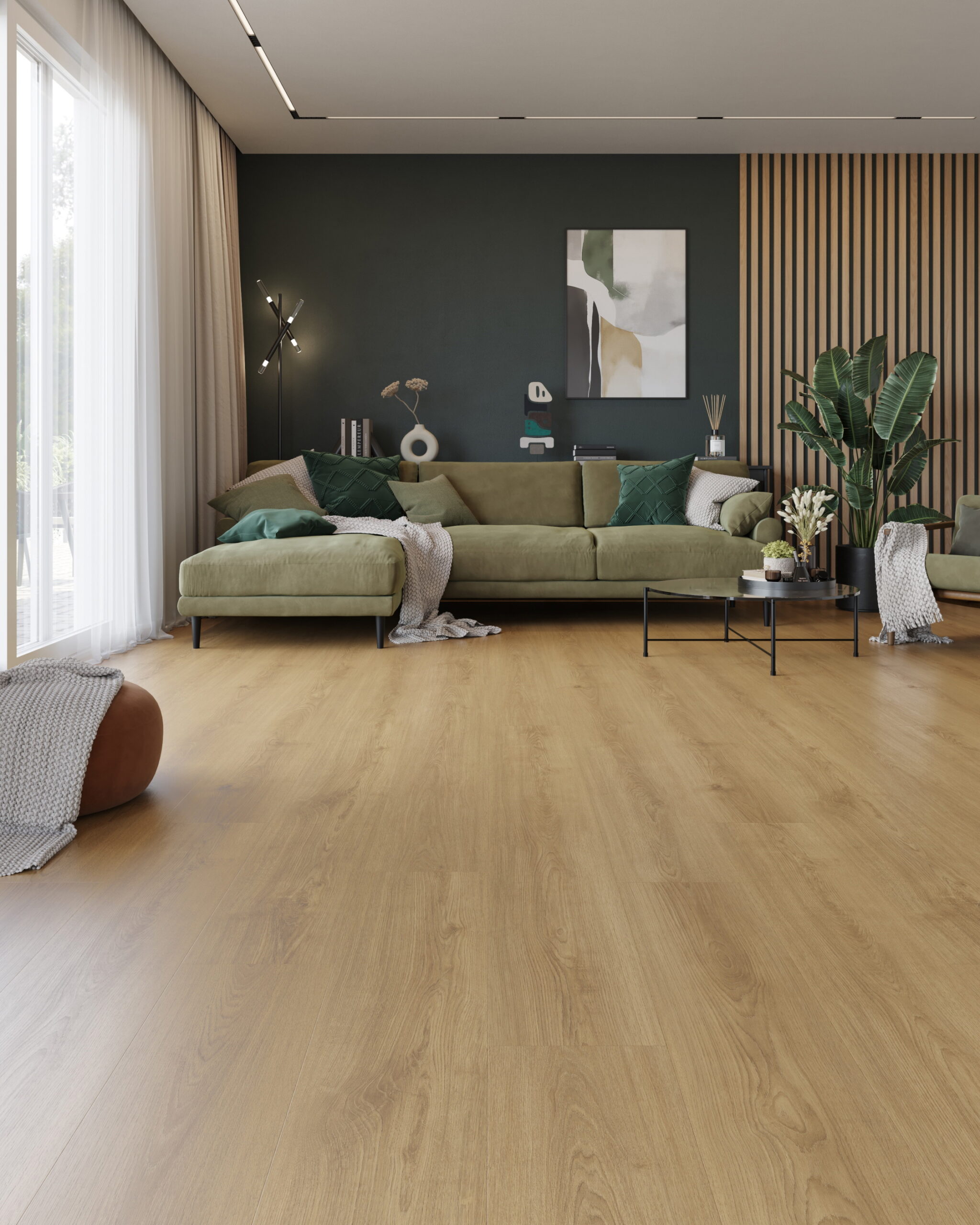
Mix daylight and indoor lighting for a fresh look. Open curtains to let sunlight warm the wood floor. Use sheer curtains to soften strong sunlight. Add lamps or ceiling lights for evening or cloudy days. Balance bright and soft light to avoid harsh contrasts. This balance keeps the room inviting all day long.
Credit: www.lxhausys.com
Maintaining Harmony And Flow
Maintaining harmony and flow in a living room with wood floors creates a calm and inviting space. It helps the room feel balanced and comfortable. Thoughtful furniture placement supports easy movement and a peaceful look. Small details contribute to a cohesive style that suits the room’s natural warmth. This section covers key ideas to keep your living room both stylish and functional.
Coordinating Colors And Patterns
Choose colors that match the wood floor’s tone. Light wood pairs well with soft neutrals and pastels. Dark wood looks good with rich, deep colors. Use patterns carefully. Keep them simple and repeat colors from furniture or rugs. Mixing too many patterns can confuse the eye. Balanced colors and patterns create a smooth, connected look.
Avoiding Clutter
Keep the living room open and clear. Avoid overcrowding with too many pieces. Select furniture that fits the space well. Use storage options like shelves or baskets to hide small items. Clear floors show off the wood and make cleaning easier. A tidy room feels larger and more peaceful.
Incorporating Personal Touches
Add items that reflect your style and memories. Photographs, art, or handmade items bring warmth. Use cushions and throws in colors that match your scheme. Personal touches make the room unique and welcoming. They connect the space to your life and story.

Credit: housedesigner.com
Frequently Asked Questions
How Do I Start Arranging Furniture On Wood Floors?
Begin by measuring your living room space carefully. Place larger pieces first, like sofas and coffee tables. Use area rugs to protect wood floors and define zones. Ensure enough walking space and maintain balance for a cozy feel.
What Furniture Suits Wood Floor Living Rooms Best?
Choose furniture with wood or neutral tones to complement wood floors. Opt for pieces with slim legs to avoid floor damage. Soft fabrics and textured cushions add warmth. Avoid heavy, bulky furniture that can overwhelm the space.
How Can I Protect Wood Floors From Furniture Damage?
Use furniture pads under legs to prevent scratches. Avoid dragging heavy items; lift them instead. Regularly clean floors to remove dirt and grit. Consider area rugs in high-traffic zones to minimize wear and tear.
How To Create Balance With Furniture On Wood Floors?
Distribute furniture evenly to avoid crowding one area. Mix different heights and textures for visual interest. Use rugs to anchor furniture groups. Leave open spaces to let the wood floor shine and keep the room airy.
Conclusion
Arranging furniture on wood floors can change your living room’s feel. Choose pieces that fit well and leave space to walk. Place rugs to protect the floor and add warmth. Keep balance by mixing sizes and shapes carefully. Light and color also help make the room inviting.
Small changes can create a big difference in comfort. Enjoy your space with simple, smart furniture choices. Your living room will look fresh and feel cozy.

