
Arranging furniture in a living room with three entrances can feel like a tricky puzzle. You want your space to look inviting, feel cozy, and still allow easy movement between doors.
If you’ve ever struggled with where to place your sofa or how to create a natural flow, you’re not alone. But don’t worry—this guide will help you transform your living room into a stylish and functional space. Keep reading to discover simple tips that make the most of your unique layout and turn your living room into the heart of your home.
:max_bytes(150000):strip_icc()/southernliving-livingroomlayoutmistakes-harperharris-LaureyGlenn-065b1e66d50b4608bf3e74a1f0b0f452.jpg)
Credit: www.southernliving.com
Assessing The Space
Assessing the space is the first step in arranging furniture in a living room with three entrances. This step helps you understand the room’s size, shape, and flow. It ensures you use the space well and keep it functional. Taking time to assess the space saves effort later.
Focus on the room’s measurements, traffic paths, and light sources. These details guide your furniture placement. Let’s break down each part for better clarity.
Measuring Dimensions
Start by measuring the length and width of the living room. Write down the exact numbers. Include any alcoves or built-in shelves. Measure the height too, for taller furniture or decorations. Accurate dimensions help choose furniture that fits well.
Identifying Traffic Flow
Notice where people enter and exit the room. Mark the three entrances clearly. Plan paths where people walk often. Avoid blocking these with big furniture. Clear paths make the room feel open and easy to move around.
Noting Natural Light Sources
Check where sunlight comes in during the day. Note windows and glass doors. Place seating where light is comfortable but not too bright. Use light to highlight key areas. Natural light makes the room warm and inviting.
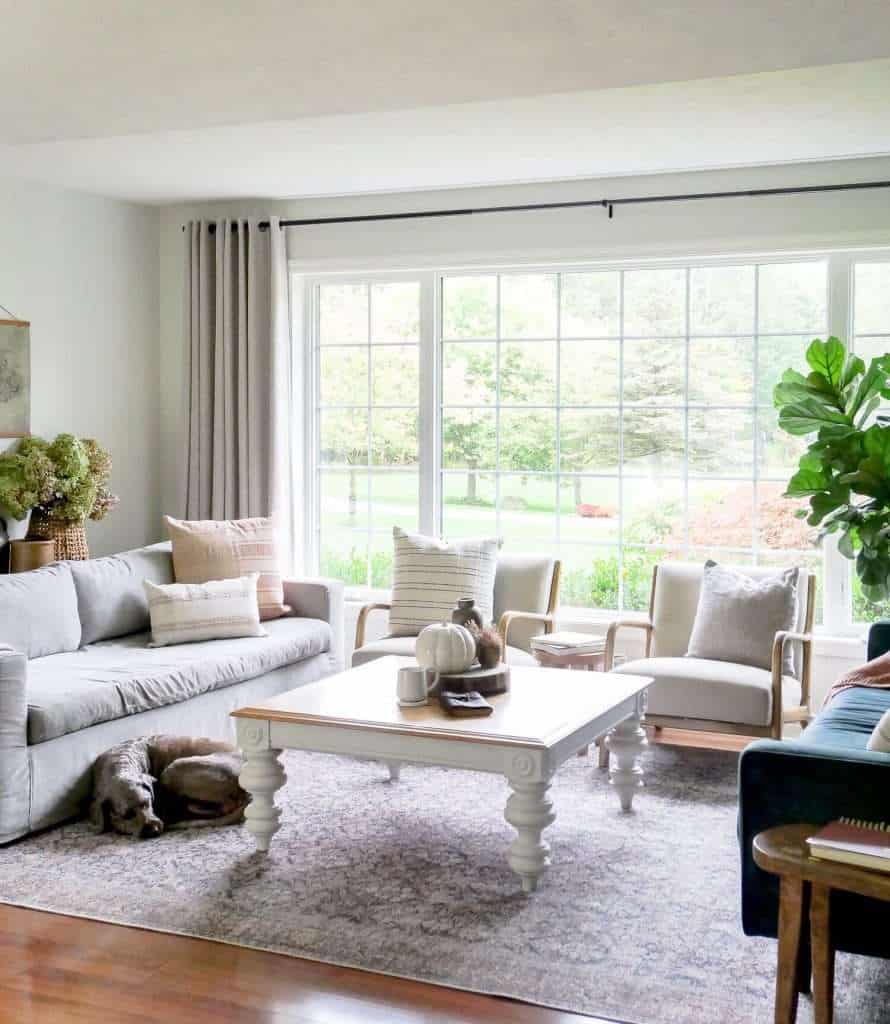
Credit: graceinmyspace.com
Choosing The Right Furniture
Choosing the right furniture is key for a living room with three entrances. It helps create a balanced and welcoming space. The furniture must fit well and allow easy movement through all doors. Careful selection makes the room feel cozy and functional.
Selecting Scaled Pieces
Pick furniture that fits the room size. Large sofas or chairs can block entrances and make the space tight. Smaller or medium-sized pieces work better. They keep the room open and easy to walk through. Measure your space before buying to avoid crowding.
Prioritizing Multi-functional Items
Choose furniture with more than one use. Sofas with storage or ottomans that double as seats save space. Multi-functional pieces reduce clutter. They help keep the living room tidy and practical. This is important when you have multiple doorways to manage.
Considering Style And Comfort
Pick furniture that looks nice and feels good. Comfort invites people to sit and relax. Style ties the room together and shows your taste. Soft fabrics and supportive cushions improve comfort. Match colors and materials to create a warm, inviting room.
Creating Zones
Creating zones in a living room with three entrances helps organize the space well. Zones guide movement and make the room feel cozy. Each zone serves a purpose, balancing comfort and function.
Defining Seating Areas
Arrange furniture to form clear seating zones. Use sofas and chairs to create conversation spots. Position seats away from doorways to avoid blocking paths. Rugs help mark seating spaces visually. Add a coffee table to anchor the area.
Designating Walkways
Keep clear paths between entrances for easy movement. Avoid placing furniture in main walkways. Leave at least two feet of space for walking. Use lighting or floor patterns to highlight paths. This prevents crowding and improves flow.
Incorporating Storage Solutions
Use storage pieces to define zones and reduce clutter. Shelves or cabinets can separate areas without walls. Choose low-profile storage near entrances for keys and mail. Multi-functional furniture like ottomans with storage saves space. Organized storage keeps the room neat and inviting.
:max_bytes(150000):strip_icc()/arrange-furniture-awkward-living-room-5194365-hero-6738bbe71fea4187861db7ad9afbad44.jpg)
Credit: www.thespruce.com
Arranging Seating
Arranging seating in a living room with three entrances can be tricky. The goal is to create a welcoming space without blocking any doorways. Each seat should invite people to sit and chat comfortably. Smart placement of sofas and chairs helps balance function and style.
Positioning Sofas And Chairs
Place sofas where they do not block entrances. Against a solid wall works well. Chairs can fill empty corners or open spaces. Arrange seats so people face each other. This makes the room feel cozy and open. Avoid pushing all furniture to the room’s center. Use a mix of seating heights for visual interest.
Maintaining Conversation Areas
Create small clusters of seats for easy talking. Keep chairs and sofas close but not crowded. Leave enough space to walk between seats. A coffee table or ottoman can anchor the area. These add comfort and a place to rest drinks. Group seating so everyone is included in conversation.
Avoiding Entrance Obstruction
Keep all three entrances clear of furniture. Leave at least two feet of walking space at doors. This prevents bumping into chairs or sofas. Use low-profile furniture near doorways to keep sight lines open. Avoid large pieces that block paths. Clear entrances make the room feel more open and inviting.
Utilizing Corners And Walls
Utilizing corners and walls in a living room with three entrances helps create balance. Corners are often overlooked but can offer great spots for furniture. Walls give structure and help define spaces without blocking pathways. Smart use of these areas improves flow and comfort in the room.
Adding Accent Furniture
Place small chairs, ottomans, or side tables in corners. These pieces fill empty spots without crowding the room. Choose furniture that matches your style and color scheme. Accent furniture can create cozy nooks for reading or relaxing. Keep items light and movable to keep entrances clear.
Placing Media Units
Mount media units on a wall to save floor space. Choose walls far from doorways to avoid blocking entrances. Use slim cabinets or shelves to hold TVs and accessories. This arrangement keeps the room open and organized. Position units at eye level for easy viewing.
Enhancing With Lighting
Add lamps or wall sconces in corners to brighten dark spots. Use soft lighting to create a warm atmosphere. Floor lamps fit well next to accent furniture. Wall lights free up floor space and highlight art or décor. Good lighting improves the room’s mood and usability.
Balancing Aesthetics And Function
Balancing aesthetics and function in a living room with three entrances can be a challenge. The space needs to look inviting and stylish, yet remain practical for daily use. Every piece of furniture should serve a purpose without blocking pathways. The key is to create harmony between beauty and ease of movement.
Choosing Color And Texture
Select colors that create a calm and open feel. Light shades make the room appear larger and brighter. Use textures to add interest without clutter. Soft fabrics on sofas and cushions invite comfort. Smooth surfaces on tables keep the look clean and simple. Mixing textures helps balance the room’s style and function.
Incorporating Rugs And Accessories
Place rugs to define seating areas clearly. Choose rugs that fit well and do not block doorways. Accessories like lamps and art add personality without crowding. Keep decorations minimal near entrances to maintain clear paths. Use functional accessories such as baskets for storage. These add charm and keep the room tidy.
Ensuring Easy Movement
Arrange furniture to keep all entrances accessible. Leave at least two to three feet of walking space. Avoid placing large pieces directly in front of doors. Use lightweight furniture that can be moved if needed. Think about the flow of traffic through the room. This helps prevent accidents and keeps the space comfortable.
Adapting For Different Needs
Living rooms with three entrances need flexible furniture arrangements. Each family uses the space differently. Adjusting furniture to fit these needs creates comfort and flow. This section covers how to adapt your living room layout for various lifestyles.
Arranging For Families
Families need a mix of open space and cozy spots. Place sofas and chairs where everyone can see each other. Keep pathways clear between entrances to avoid crowding. Use rugs to define play and seating areas. This helps kids and adults share the room easily.
Setting Up For Entertaining
Arrange seating to encourage conversation and movement. Group chairs and sofas in small clusters near entrances. Leave space for guests to walk without bumping into furniture. Use lightweight pieces that can move quickly for different events. Keep surfaces free for drinks and snacks.
Adjusting For Small Spaces
Small living rooms with three doors need smart layouts. Choose furniture that fits the scale of the room. Use corners for seating or storage to save space. Avoid blocking any entrances with big items. Mirrors and light colors help make the room feel larger.
Frequently Asked Questions
How To Maximize Space With Three Entrances In Living Room?
Arrange furniture to keep pathways clear for each entrance. Use smaller or modular pieces to avoid crowding. Position sofas and chairs centrally to create a welcoming flow while maintaining easy access to doors.
What Furniture Layout Suits A Living Room With Multiple Doors?
Opt for symmetrical or circular layouts that focus seating away from doors. Anchor the space with a central rug or coffee table. This balances traffic flow and encourages conversation without blocking entrances.
How To Ensure Privacy With Three Living Room Entrances?
Use furniture like bookshelves or screens to create subtle dividers. Position seating to face away from entrances for a cozy feel. This helps define zones and adds privacy without closing off the space.
What Are The Best Furniture Types For Multi-entrance Living Rooms?
Choose lightweight, movable pieces like armchairs and ottomans. They offer flexibility to adapt layouts easily. Avoid bulky furniture that blocks entry paths and disrupts natural movement.
Conclusion
Arranging furniture in a living room with three entrances can feel tricky. Focus on creating clear paths for easy movement. Place larger pieces away from doorways to keep space open. Use rugs or lighting to define different areas. Keep seating inviting but not crowded.
Small tables or shelves help fill gaps without blocking doors. Balancing comfort and flow makes the room feel welcoming. A well-planned layout turns challenges into cozy, functional spaces. Try different setups until it feels just right. Your living room can be both stylish and practical.