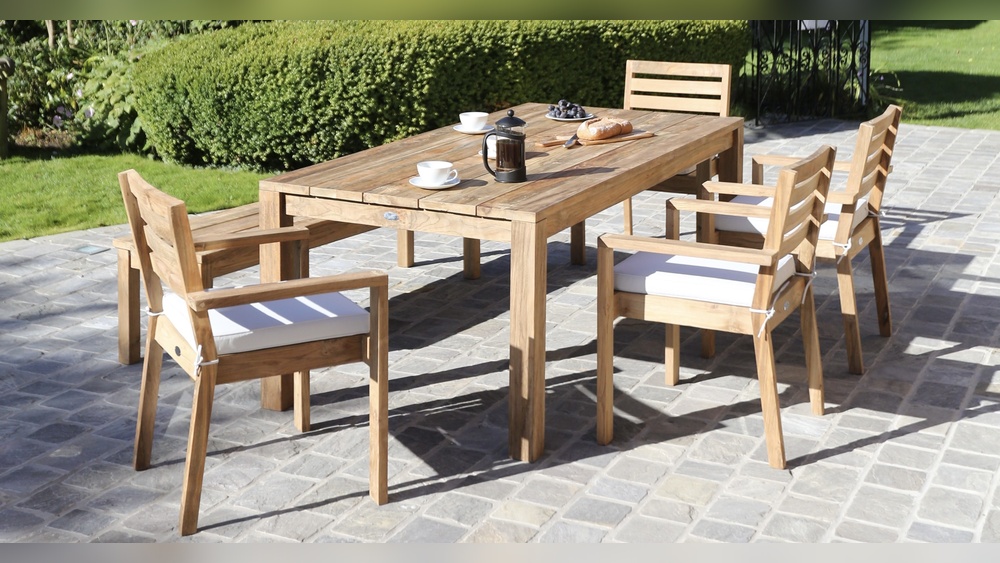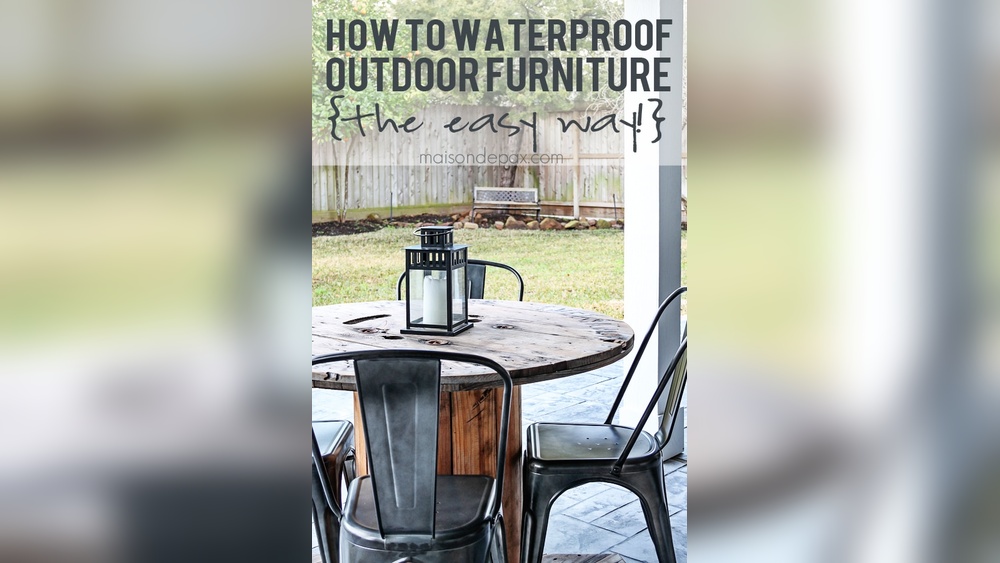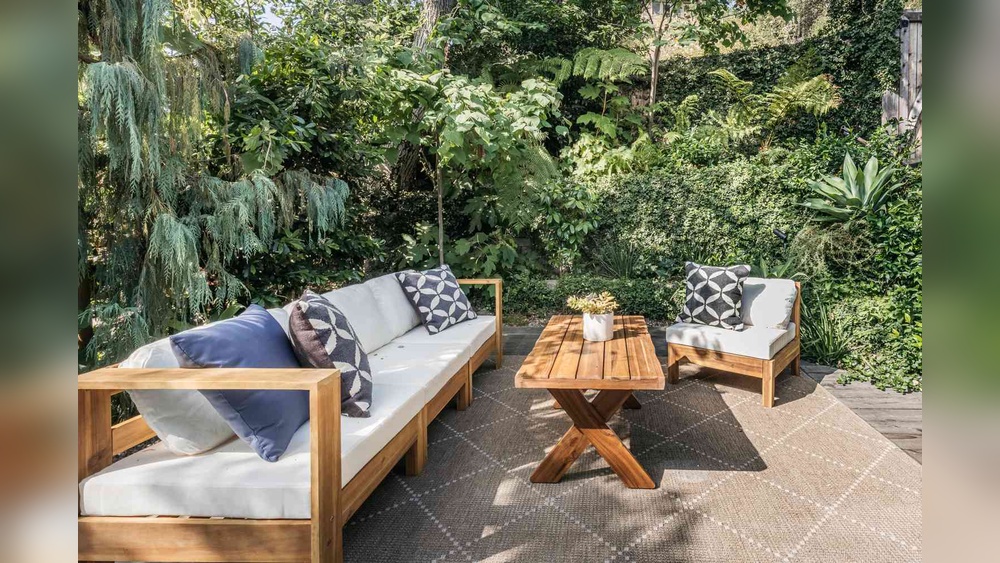
Are you ready to transform your outdoor space with furniture that’s both beautiful and built to last? Building your own wooden outdoor furniture is easier than you might think—and it gives you the power to create pieces that perfectly fit your style and needs.
Imagine relaxing on a sturdy, custom-made bench or hosting friends around a handcrafted table, knowing you made it with your own hands. In this guide, you’ll discover simple steps, practical tips, and insider secrets to help you bring your outdoor furniture ideas to life.
Let’s get started and turn your backyard into a cozy, inviting retreat you’ll love.
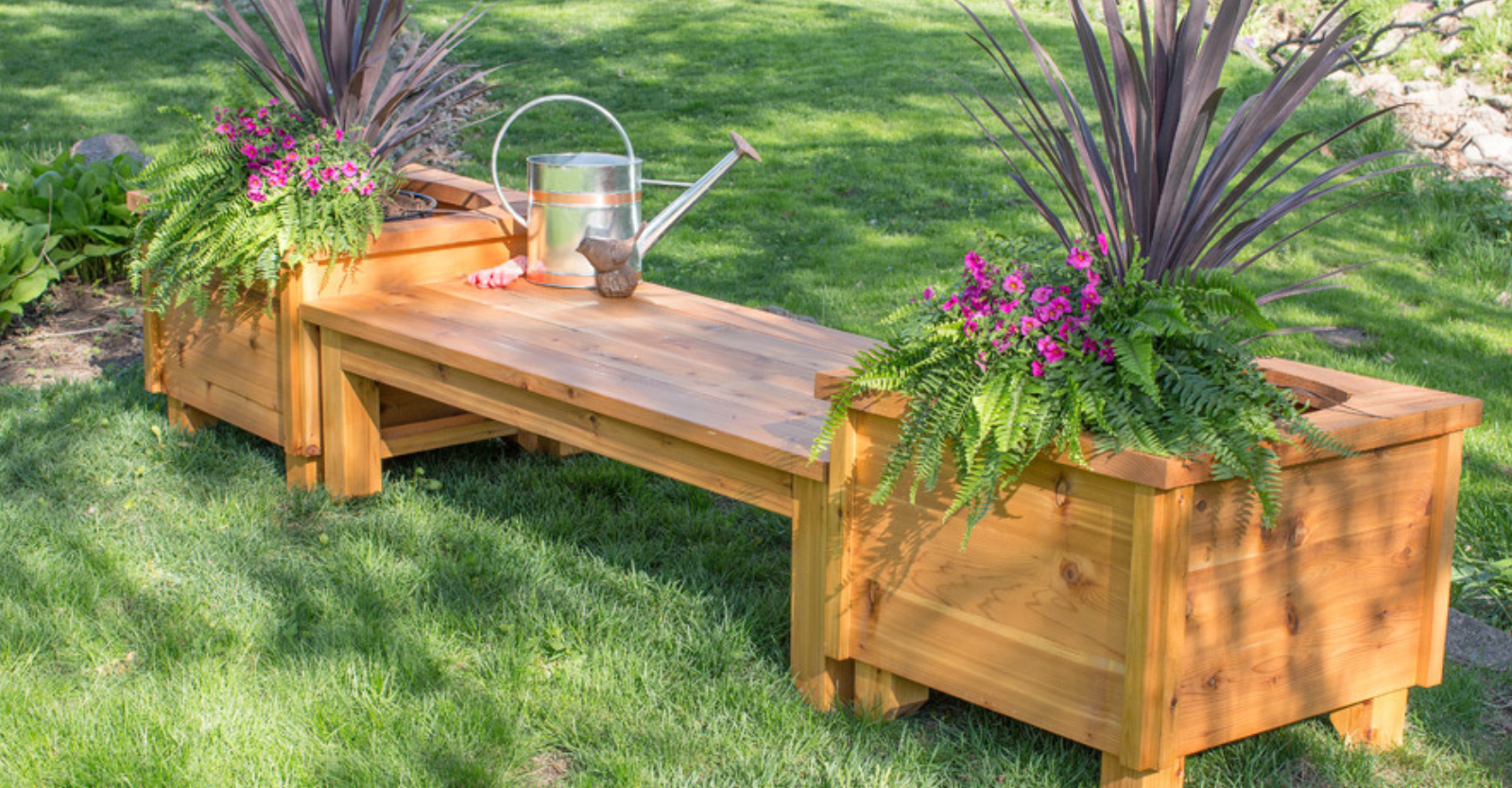
Credit: learn.kregtool.com
Choosing The Right Wood
Choosing the right wood is the first step in building strong outdoor furniture. The type of wood affects how long your furniture lasts and how it looks. Some woods resist weather better than others. Some need more care. Picking the right wood saves time and money in the long run.
Types Of Wood For Outdoor Use
Hardwoods like teak, cedar, and redwood work well outside. They have natural oils that protect them from insects and rot. Pine and fir are softer woods. They need extra treatment to last outdoors. Avoid woods that warp or crack easily. Good wood makes your furniture sturdy and beautiful.
Durability And Weather Resistance
Wood outdoors faces rain, sun, and wind. Durable wood handles these well. Teak and cedar resist moisture and sun damage. They need less sealing and care. Softwoods need regular sealing to stay strong. Look for wood with tight grain. It holds up better in bad weather.
Sustainable Wood Options
Choose wood from forests that grow new trees. Sustainable wood helps protect nature. Bamboo is a fast-growing, strong option. FSC-certified wood means it comes from well-managed forests. Using sustainable wood keeps outdoor furniture eco-friendly. It feels good to build with care for the planet.

Credit: www.youtube.com
Essential Tools And Materials
Building wooden outdoor furniture needs the right tools and materials. These essentials make the process easier and the results better. Quality tools help you cut, join, and finish wood precisely. Good materials ensure your furniture lasts long outside, resisting weather and wear.
Prepare your workspace with these key items to start your project confidently. The right safety gear protects you from accidents and dust. Finishes and sealants keep the wood strong and beautiful over time.
Basic Carpentry Tools
Start with a saw to cut wood pieces to size. A hammer drives nails securely into the wood. Use a measuring tape to get exact lengths. A screwdriver tightens screws for strong joints. Sandpaper smooths rough edges and surfaces. A square helps keep corners right-angled. Clamps hold pieces steady while you work on them.
Safety Gear
Wear safety goggles to protect your eyes from dust and chips. Use gloves to avoid splinters and cuts. A dust mask prevents breathing in fine wood particles. Ear protection helps reduce noise from power tools. Dress in long sleeves to shield your skin from scratches.
Wood Finishes And Sealants
Choose outdoor wood stain to enhance natural grain and color. Use water-repellent sealants to protect wood from rain. Apply varnish for a hard, clear finish that resists sunlight. Oil finishes nourish wood and prevent drying. Always apply finishes in thin, even coats for best results.
Planning Your Project
Planning is the first step to build wooden outdoor furniture. A clear plan saves time and avoids mistakes. It helps to know what materials and tools you need. Planning also sets a budget and timeline. It makes the building process smooth and fun.
Design Ideas For Outdoor Furniture
Start with simple design ideas. Think about the furniture’s use and style. Choose classic pieces like benches, chairs, or tables. Look for inspiration in magazines or online. Pick a design that fits your outdoor space. Keep the design easy to build and strong. Add features like storage or cushions for comfort.
Measuring And Sketching
Measure your outdoor space carefully. Note the length, width, and height available. Draw a rough sketch of your furniture design. Include all parts and their sizes. Use a ruler or graph paper for accuracy. Double-check your measurements before cutting wood. A good sketch guides your building step by step.
Selecting Joinery Techniques
Choose joinery methods that match your skill level. Simple joints like butt, lap, or pocket holes work well. These joints are easy to make and strong. Mortise and tenon joints offer more strength but need practice. Use screws and wood glue for extra support. Proper joinery keeps your furniture sturdy and safe.
Cutting And Preparing Wood
Cutting and preparing wood is the first big step in building wooden outdoor furniture. It sets the base for a strong and beautiful piece. Taking time here helps avoid mistakes later. Properly cut and smooth wood pieces fit well and last long outside.
Measuring And Marking
Start by measuring the wood carefully. Use a tape measure for accuracy. Mark the cut lines clearly with a pencil. Double-check each mark before cutting. Accurate measuring keeps the project neat and balanced.
Safe Cutting Practices
Wear safety glasses and gloves before cutting wood. Use a sharp saw to make clean cuts. Keep your hands away from the blade at all times. Cut slowly and steadily to avoid splinters. A clean cut means less sanding later.
Sanding And Smoothing
After cutting, sand the edges to remove rough spots. Use medium-grit sandpaper first, then fine-grit for a smooth finish. Sand along the grain to prevent scratches. Smooth wood feels better and resists weather damage better.
Assembling The Furniture
Assembling wooden outdoor furniture is a key step in creating a sturdy and beautiful piece. This process brings your project to life. Each part must fit well and hold together firmly.
Careful assembly ensures the furniture lasts through all seasons. Using the right tools and techniques helps avoid damage. Let’s explore how to join the pieces securely.
Using Screws And Nails
Screws and nails hold the wood parts tightly. Screws offer strong grip and can be removed if needed. Nails are faster to use but may not hold as long.
Choose screws made for outdoor use to prevent rust. Drill pilot holes before screwing to stop wood from splitting. Nails work well for quick joins on smaller parts.
Applying Wood Glue
Wood glue adds extra strength to joints. Apply glue on the edges before joining the pieces. Spread it evenly with a brush or stick.
Glue helps stop wobbling and keeps the furniture stable. Use outdoor-rated glue for water resistance. Clean off any excess glue before it dries.
Clamping And Securing Pieces
Clamps hold wood pieces tightly while glue dries. This stops movement and ensures a strong bond. Use enough clamps to keep all parts even.
Check alignment before tightening clamps fully. Leave clamps on for the time the glue package suggests. Once dry, remove clamps and check the joints again.

Credit: www.youtube.com
Finishing Touches
Finishing touches give your wooden outdoor furniture its final look and protection. These steps make the furniture last longer and look great in your garden or patio.
Focus on protecting the wood from weather and adding comfort with cushions and accessories.
Applying Stain Or Paint
Stain or paint adds color and protects the wood. Choose a shade that matches your outdoor space.
Use a brush or cloth to apply thin, even coats. Let each coat dry before adding the next.
Stain keeps the natural wood grain visible. Paint offers a solid, colorful finish.
Sealing For Weather Protection
Sealing prevents water damage and sun fading. It keeps your furniture strong through all seasons.
Use a clear outdoor sealer or varnish. Apply it evenly with a brush for full coverage.
Reapply the sealer every year to maintain protection. This step is key for durability.
Adding Cushions And Accessories
Cushions add comfort and style to your furniture. Pick cushions with weather-resistant fabric.
Choose colors and patterns that complement your outdoor theme. Accessories like pillows or throws add coziness.
Secure cushions so they don’t blow away. Store them indoors during bad weather.
Maintenance Tips
Maintaining wooden outdoor furniture is key to keeping it strong and good-looking. Regular care prevents damage from weather and daily use. Follow simple steps to extend your furniture’s life and keep it inviting for years.
Cleaning Wooden Furniture
Dust and dirt build up quickly on outdoor wood. Use a soft brush or cloth to remove loose dirt. Wash with mild soap and water. Avoid harsh chemicals that can harm the wood. Rinse well and let it dry fully before use.
Reapplying Sealants
Sealants protect wood from moisture and sun damage. Check your furniture every year. Look for areas where the finish is worn or faded. Lightly sand these spots to smooth the surface. Apply a fresh coat of sealant evenly. Allow it to dry completely before using the furniture.
Repairing Minor Damages
Scratches and small cracks can weaken wood over time. Fill cracks with wood filler or glue. Sand the area smooth after it dries. For scratches, lightly sand and apply matching stain or paint. Regular repairs keep your furniture safe and beautiful.
Frequently Asked Questions
What Wood Is Best For Outdoor Furniture?
Teak, cedar, and redwood are top choices for outdoor furniture. They resist moisture, decay, and insects well. These woods last long and require minimal maintenance, making them ideal for outdoor use.
How Do I Protect Wooden Furniture Outdoors?
Apply a high-quality outdoor wood sealant or varnish. Regularly clean the furniture and reapply sealant yearly. Cover or store furniture during harsh weather to extend its life.
What Tools Do I Need For Building Wooden Furniture?
Basic tools include a saw, drill, measuring tape, clamps, and sandpaper. A screwdriver and wood glue help with assembly. These tools make the building process easier and more precise.
How Long Does It Take To Build Outdoor Furniture?
Building time varies by project complexity, usually from a few hours to a couple of days. Simple designs take less time, while intricate pieces need more planning and work.
Conclusion
Building wooden outdoor furniture is a rewarding project. It brings charm and comfort to your garden or patio. Choose good wood and tools for better results. Take your time with each step to avoid mistakes. Sand and finish your pieces well to protect them.
Enjoy crafting furniture that suits your style and needs. This skill grows with practice and patience. Soon, your outdoor space will feel more inviting and personal. Keep trying and improving with each new piece you make.