Have you ever wondered if you can take your cozy indoor furniture outside to enjoy your patio or garden? It sounds simple, but using indoor furniture outdoors isn’t always a good idea.
Your favorite couch or wooden chair might look perfect in the fresh air, but will it last? You’ll discover the hidden risks and smart tips to protect your furniture. Keep reading to find out how to make the best choice for your outdoor space—before costly damage sneaks up on you.
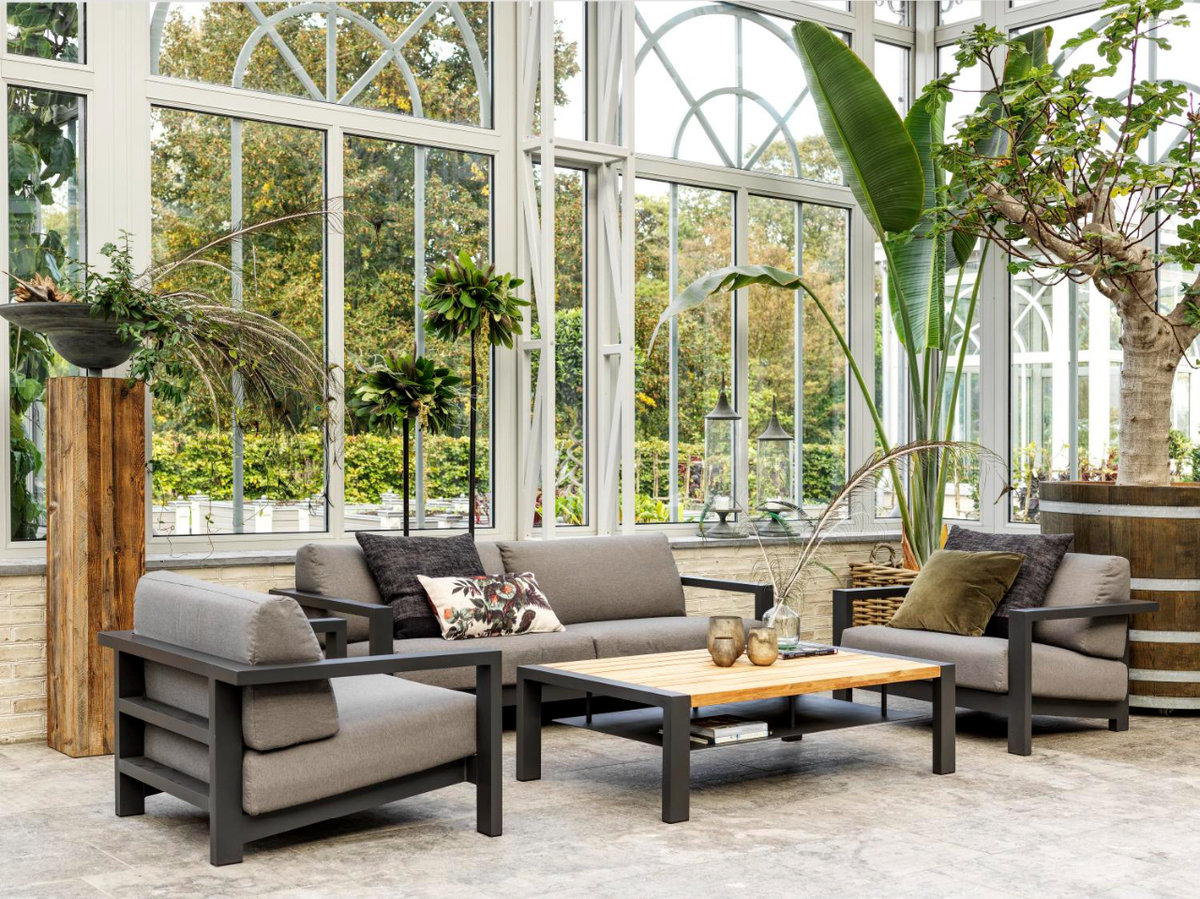
Credit: cottage-culture.ca
Indoor Furniture Outdoors
Using indoor furniture outdoors may seem like a quick fix for extra seating. Many people try it to save money or add style. But indoor furniture is not made for outdoor conditions. It can suffer damage fast from weather and dirt.
Understanding the differences between indoor and outdoor furniture helps protect your investment. You can avoid costly repairs by knowing what to expect.
Material Differences
Indoor furniture uses materials like wood, fabric, and particleboard. These materials absorb moisture and fade in sunlight. Outdoor furniture uses weather-resistant materials such as treated wood, metal, and plastic. These resist rain, sun, and temperature changes better.
Durability Concerns
Indoor furniture lasts only a short time outside. Moisture can cause wood to swell or warp. Fabric cushions may grow mold and mildew. Metal parts can rust. Outdoor furniture is built to handle these conditions and last longer.
Common Risks
Using indoor furniture outdoors risks fast wear and tear. Colors fade quickly in sun. Wood cracks or rots with rain. Cushions get dirty and soggy. Insects and dirt can damage furniture. These problems reduce comfort and look.
Choosing The Right Pieces
Choosing the right indoor furniture for outdoor use needs care. Not all pieces survive outside well. Some materials handle weather better than others. This guide helps pick items that last and look good.
Wood Furniture
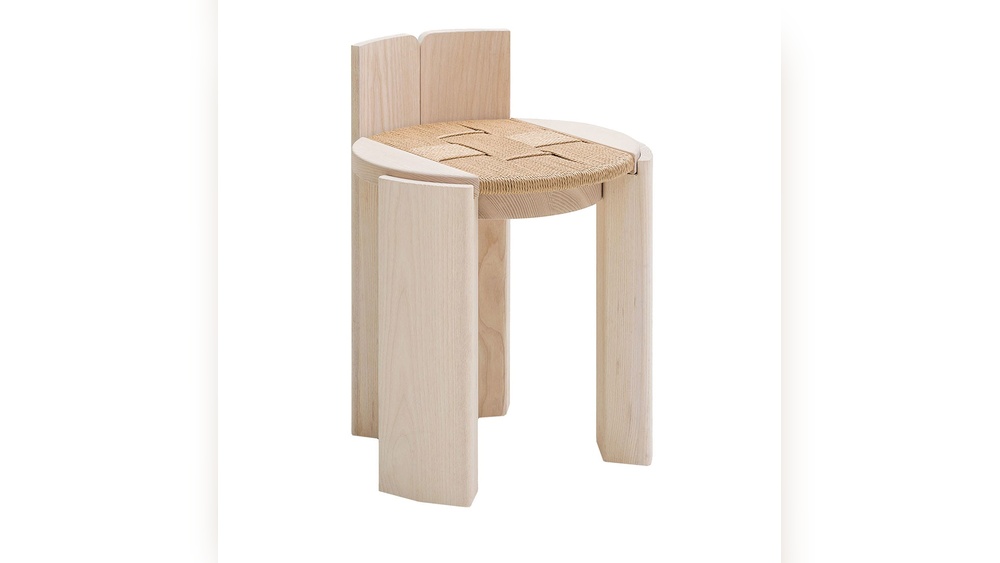
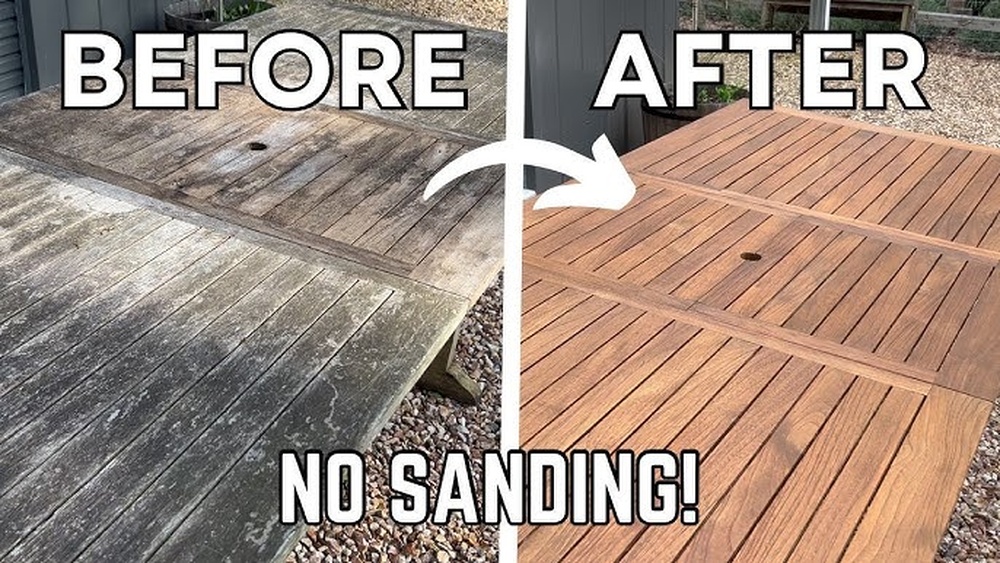
Wood furniture can work outside but needs protection. Hardwoods like teak or cedar resist rain and sun. Softwoods may warp or rot quickly. Treat wood with sealants or oils to keep it strong. Avoid leaving untreated wood in direct rain or sun.
Upholstered Items
Upholstered furniture often struggles outdoors. Fabric can fade, get wet, or grow mold. Use cushions made from outdoor fabric like acrylic or polyester. These dry fast and resist stains. Store cushions inside when not in use for longer life.
Metal And Glass Options
Metal furniture often suits outdoor use. Aluminum and stainless steel resist rust well. Iron can rust unless coated with paint or sealants. Glass tables add style but need care. Use tempered glass to avoid breakage. Clean regularly to keep surfaces clear and shiny.
Protecting Indoor Furniture Outside
Using indoor furniture outside can add style and comfort to your outdoor space. Protecting it from weather and damage is important. Indoor furniture is not made for rain, sun, or wind. Taking simple steps helps keep it safe and looking good for longer.
Covering, sealing, and placing furniture well are key ways to protect it outdoors. These methods reduce wear and tear. They also prevent fading, rust, and mold.
Weatherproof Covers
Weatherproof covers shield furniture from rain, dust, and sunlight. Choose covers made of strong, water-resistant fabric. They should fit tightly and cover all parts. Use covers when furniture is not in use. This prevents water damage and dirt buildup.
Sealants And Treatments
Sealants protect wood, metal, and fabric from moisture and sun. Apply a clear sealant to wooden furniture to stop warping and cracking. Use rust-resistant spray on metal parts. For fabrics, use water-repellent spray to avoid stains and mildew.
Proper Placement
Place furniture in shaded or covered areas to reduce sun damage. Avoid spots that collect water or stay wet. Keep furniture away from direct rain and strong wind. Moving furniture indoors during bad weather also helps protect it.
Maintenance Tips
Using indoor furniture outdoors demands careful maintenance. Proper care keeps your furniture looking good and lasting longer. Follow easy tips to protect your pieces from weather and wear.
Cleaning Routines
Clean indoor furniture regularly to remove dirt and dust. Use a soft cloth and mild soap with water. Avoid harsh chemicals that can damage the material. Dry furniture completely after cleaning to prevent mold. Clean spills quickly to stop stains from setting.
Repairing Damage
Check furniture often for scratches, chips, or loose parts. Fix small damages right away to prevent bigger problems. Use wood filler or touch-up markers for scratches on wooden pieces. Tighten screws and bolts to keep furniture stable. Replace broken parts if needed to maintain safety.
Storage Solutions
Store furniture in a dry, covered place during bad weather. Use waterproof covers for extra protection when left outside. Move cushions indoors to avoid moisture and fading. Stack chairs carefully to save space and avoid damage. Proper storage extends the life of your indoor furniture outdoors.
Alternative Options
Choosing furniture for outdoor spaces can be tricky. Regular indoor furniture may not last long outside. It can get damaged by sun, rain, or dirt. There are smart alternatives that fit both indoor and outdoor uses. These options offer style, comfort, and durability.
Multipurpose Furniture
Multipurpose furniture works well indoors and outdoors. Items like foldable chairs or storage benches fit different needs. They save space and can move easily. These pieces often use materials that resist weather effects. Perfect for small patios or balcony gardens.
Indoor-outdoor Hybrids
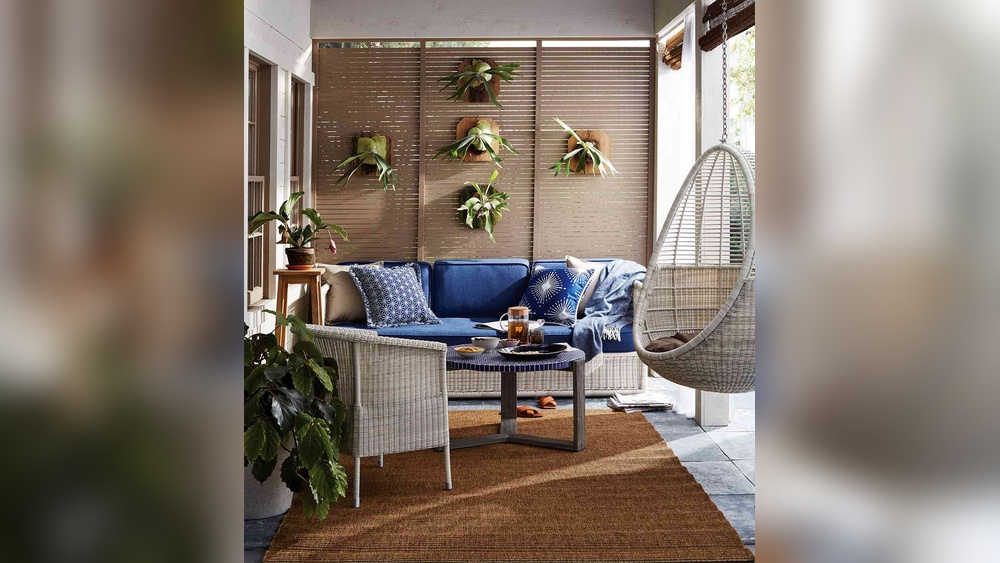
Indoor-outdoor hybrids blend the best of both worlds. They look like indoor furniture but handle outdoor conditions. Made with treated wood, metal, or plastic, they stay strong in rain or sun. These hybrids keep your space stylish without damage risk.
Diy Modifications
DIY changes can make indoor furniture suitable for outdoors. Use waterproof spray or outdoor paint to protect surfaces. Add cushions made from water-resistant fabric. Cover legs with rubber caps to stop water damage. Simple steps extend furniture life outside.

Credit: armadillosun.com
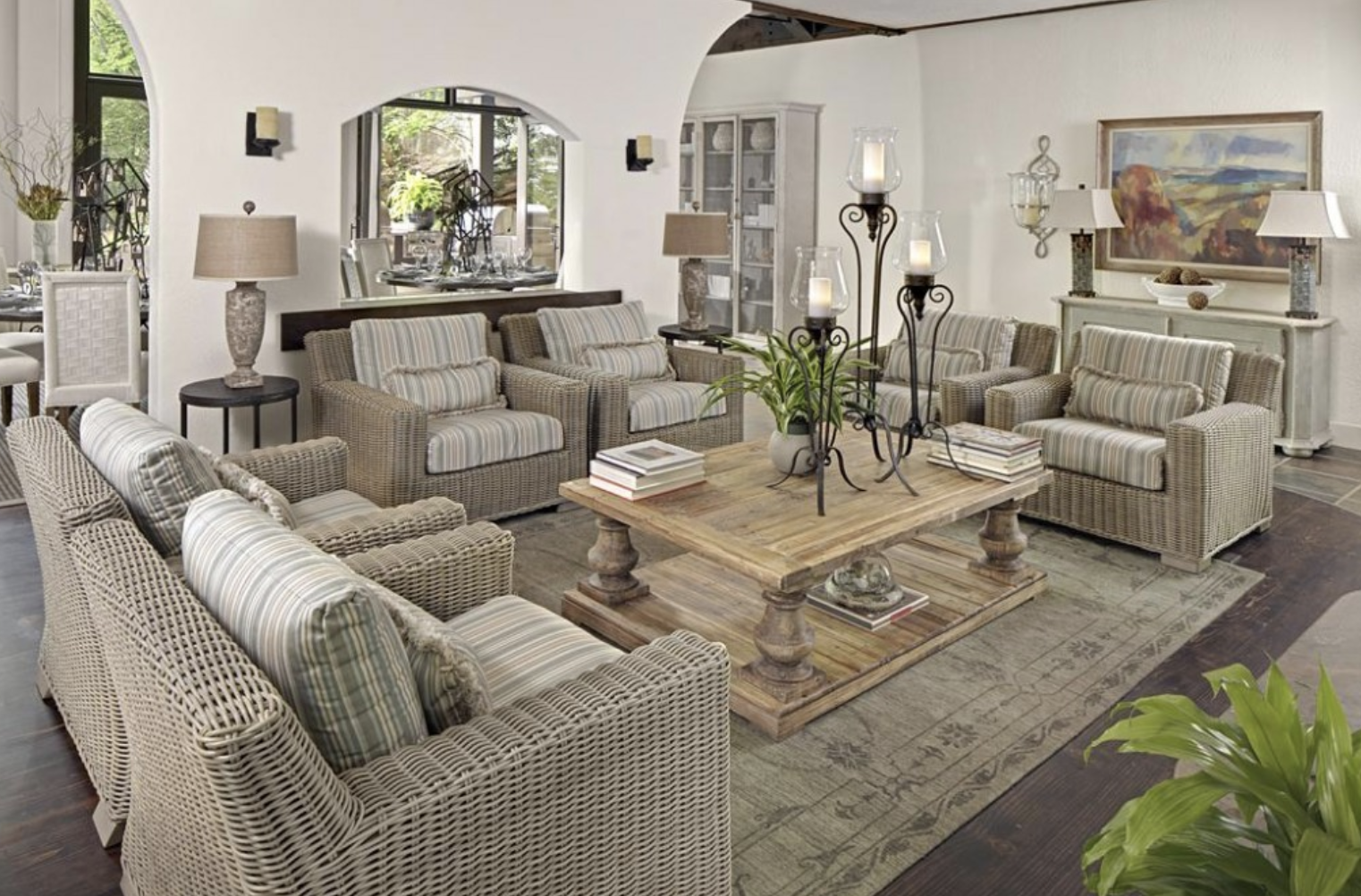
Credit: www.sunnilandpatio.com
Frequently Asked Questions
Can Indoor Furniture Withstand Outdoor Weather Conditions?
Indoor furniture is not designed for outdoor exposure. It can suffer damage from moisture, sun, and temperature changes. Using indoor furniture outdoors may lead to fading, warping, and mold growth. For durability, opt for furniture specifically made for outdoor use.
What Materials Make Indoor Furniture Unsuitable For Outdoors?
Indoor furniture often uses materials like untreated wood, fabric, and particleboard. These materials absorb moisture and degrade quickly outside. Outdoor furniture uses weather-resistant materials like treated wood, metal, or synthetic fibers to endure harsh conditions.
How Can You Protect Indoor Furniture Used Outdoors?
To protect indoor furniture outdoors, use waterproof covers and sealants. Keep furniture in shaded or covered areas to reduce sun damage. Regular maintenance, like cleaning and reapplying protective coatings, also helps extend its lifespan outdoors.
Is It Safe To Use Indoor Cushions Outside?
Indoor cushions lack water-resistant fabric and quick-drying foam. They can absorb moisture and develop mold or mildew when used outdoors. For outdoor comfort, choose cushions specifically designed with weatherproof materials.
Conclusion
Indoor furniture can work outside for short periods. Expect wear and tear from weather and sun. Protect your pieces with covers or bring them indoors. Choose materials carefully to avoid damage. Regular cleaning helps keep furniture looking nice. Using indoor furniture outdoors takes effort and care.
This way, your furniture lasts longer and stays comfortable. Think about your space and needs before deciding. Small changes make a big difference in durability. Enjoy your outdoor area with smart furniture choices.