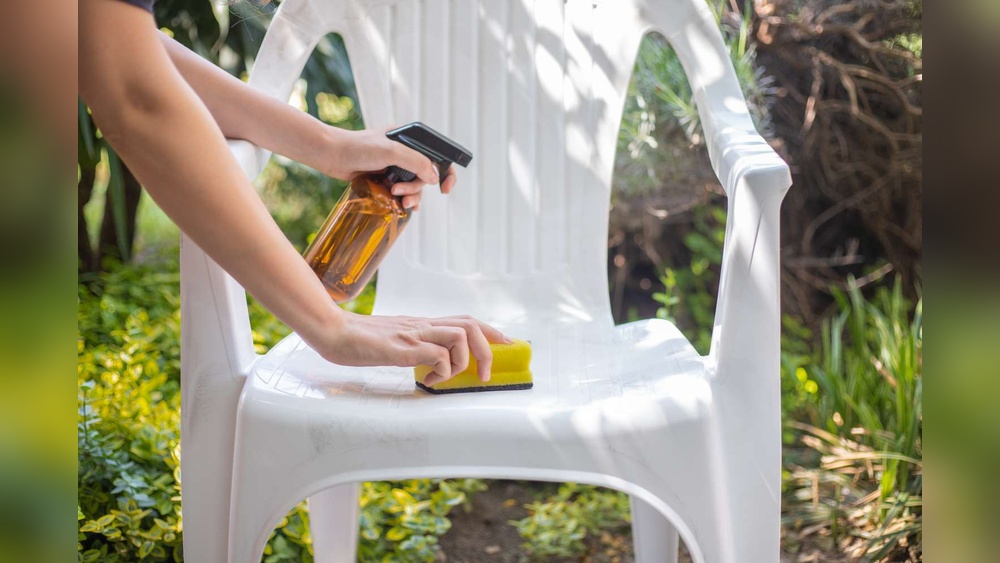
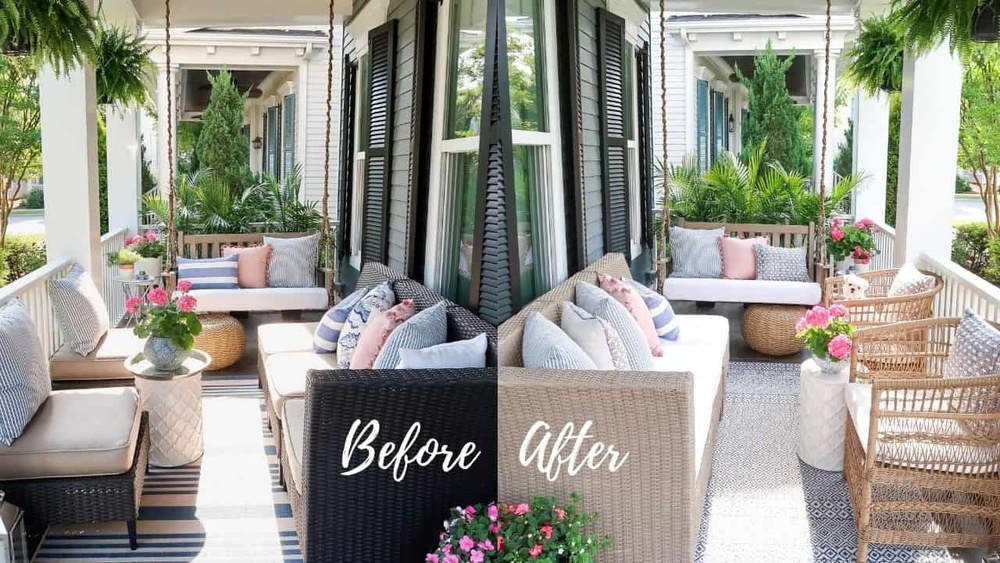
Are you wondering how to give your outdoor furniture a fresh, lasting look? Choosing the right paint can make all the difference between a quick touch-up and a durable makeover.
You want your chairs, tables, and benches to withstand sun, rain, and wear without peeling or fading. But with so many paint options out there, which one is truly best for your outdoor pieces? Keep reading to discover the secret to painting outdoor furniture that stays beautiful season after season.
Your next project is about to get a lot easier—and more rewarding.
Types Of Outdoor Paint
Choosing the right paint for outdoor furniture is important. It protects the wood or metal from weather damage. Different paints work best for different materials and conditions. Knowing the types of outdoor paint helps you pick the best option for your furniture.
Each type of paint has its own benefits and drawbacks. Some paints last longer, while others dry faster or are easier to use. Understanding these differences makes your project easier and more successful.
Oil-based Paints
Oil-based paints create a tough and durable finish. They resist moisture and wear well in harsh weather. These paints take longer to dry. Cleanup requires solvents like mineral spirits. Best for wood furniture that needs strong protection.
Latex Paints
Latex paints dry quickly and clean up with water. They are flexible and resist cracking. Latex works well on wood, metal, and plastic. It is less toxic and has fewer fumes. Good for easy, quick outdoor projects.
Chalk Paints
Chalk paint gives furniture a matte, vintage look. It sticks well without much prep work. This paint is easy to distress for a shabby chic style. Needs a sealant to protect from weather damage. Great for decorative outdoor pieces.
Acrylic Paints
Acrylic paints are water-based and very durable. They resist fading and peeling in sunlight. Acrylics dry fast and clean up easily. Suitable for many surfaces, including wood and metal. Ideal for vibrant, long-lasting outdoor colors.
Factors To Consider
Choosing the right paint for outdoor furniture involves several important factors. These factors help ensure the paint lasts long and keeps your furniture looking great. Consider the environment and how the furniture will be used. This helps in selecting the best paint type for your needs.
Weather Resistance
Outdoor furniture faces rain, sun, wind, and cold. Paint must protect against these elements. Look for paint that resists water and UV rays. This keeps the color from fading or peeling. Paint with weather resistance extends the life of your furniture.
Durability
Furniture outdoors can get scratched or bumped. Choose paint that is tough and long-lasting. Durable paint resists chips and cracks. It also stands up to frequent cleaning. This saves you time and money on repairs.
Drying Time
Drying time affects how soon you can use the furniture. Faster drying paint allows quicker use. Some paints take longer but offer better coverage. Pick paint with a drying time that fits your schedule.
Finish Options
Paint finishes change how furniture looks and feels. Glossy finishes shine and are easy to clean. Matte finishes look natural and hide dirt well. Satin finishes offer a balance of shine and softness. Choose a finish that matches your style and needs.
Preparing Outdoor Furniture
Preparing outdoor furniture is the first step to a long-lasting paint job. Proper preparation helps paint stick better and protects the furniture from weather damage. It also makes the surface smooth and clean for a fresh look. Taking time to prepare ensures your furniture looks great for years.
Cleaning And Sanding
Start by cleaning the furniture to remove dirt and dust. Use soap and water with a soft brush or cloth. Let the furniture dry completely before sanding. Sand the surface gently to remove old paint and rough spots. Sanding creates a smooth surface for paint to stick well.
Priming Surfaces
Apply a primer to the clean, sanded surface. Primer helps paint hold better and lasts longer outdoors. It also prevents peeling and protects against moisture. Choose a primer made for outdoor use and suitable for your furniture material. Let the primer dry fully before painting.
Repairing Damage
Check the furniture for cracks, holes, or loose parts. Fill cracks and holes with wood filler or putty. Sand the filled areas smooth after they dry. Tighten screws and fix loose joints. Repairing damage before painting makes the furniture stronger and the finish cleaner.
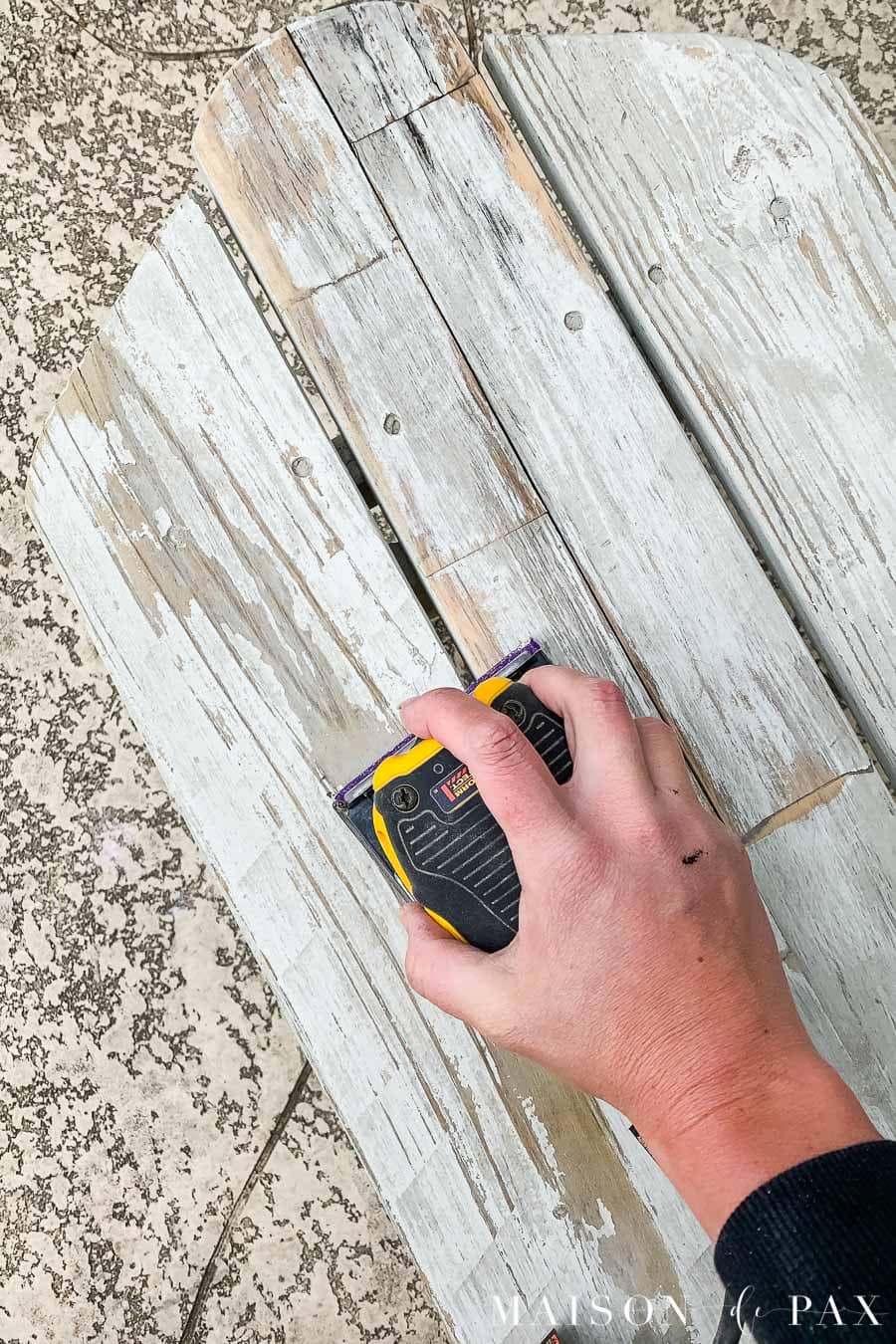
Credit: www.maisondepax.com
Painting Techniques
Painting outdoor furniture needs the right technique for long-lasting results. How you apply paint affects the finish and durability. Choosing the best method helps protect your furniture from weather damage. Learn simple painting techniques to make your outdoor pieces look great.
Brush Vs. Spray
Using a brush gives you control on small details and corners. It works well on textured or uneven surfaces. A brush can leave visible strokes but helps cover tight spots.
Spray painting covers large areas quickly and evenly. It creates a smooth finish without brush marks. Spraying needs a well-ventilated area and protection from wind. Choose spray for flat or smooth furniture parts.
Number Of Coats
Apply at least two coats for good coverage and color depth. The first coat bonds the paint to the surface. The second coat adds strength and an even look. Wait until the first coat dries before the next. More coats may be needed for darker colors or rough surfaces.
Drying And Curing Tips
Let each coat dry completely before adding the next. Drying time depends on paint type and weather conditions. Avoid painting in high humidity or cold temperatures.
After painting, allow the furniture to cure for several days. Curing makes the paint harder and more weather-resistant. Keep furniture away from rain or heavy use during curing.
Maintenance And Touch-ups
Outdoor furniture paint needs regular care to stay fresh and strong. Maintenance and touch-ups keep your furniture looking new. Small problems can become big if ignored. Simple cleaning and quick repairs protect your paint and wood. This saves money and time in the long run.
Cleaning Painted Furniture
Use a soft brush or cloth for cleaning. Mild soap with water works well. Avoid harsh chemicals that can damage paint. Clean dirt and dust gently to prevent scratches. Rinse with clean water and dry with a towel. Regular cleaning stops mold and mildew from growing.
Handling Chips And Cracks
Check your furniture for chips and cracks often. Sand small rough spots lightly before repair. Use the same paint type to touch up damaged areas. Apply thin layers to match the original finish. Let each coat dry completely before adding more. Quick repairs stop moisture from causing wood damage.
Repainting Frequency
Repaint outdoor furniture every 1 to 3 years. This depends on weather and paint quality. Bright sun and rain wear paint faster. Watch for fading, peeling, or rough patches. Early repainting keeps your furniture protected and attractive. Choose paint designed for outdoor use to last longer.
Eco-friendly Paint Options
Choosing the right paint for outdoor furniture matters a lot. Eco-friendly paint options protect the environment and your health. These paints release fewer harmful chemicals and last well outside. They help keep your garden safe for kids and pets.
Low-voc Paints
Low-VOC paints have very little volatile organic compounds. VOCs cause strong odors and harm air quality. These paints reduce bad smells and pollution. They dry quickly and protect furniture from sun and rain. Many brands offer low-VOC options in many colors. They are easy to find in hardware stores.
Natural Paint Alternatives
Natural paints come from plants, minerals, and clay. They contain no synthetic chemicals or toxins. These paints are safe for people and nature. They often use ingredients like lime, chalk, or milk protein. Natural paints give a soft, matte finish. They work well for wood and metal furniture. These paints need more frequent touch-ups but stay fresh and healthy.
Common Mistakes To Avoid
Painting outdoor furniture can refresh its look and protect it from the elements. Many people make simple mistakes that reduce the paint’s durability and finish. Avoiding these errors ensures your furniture stays beautiful for longer.
Skipping Primer
Primer helps paint stick better and last longer on outdoor furniture. It creates a smooth base and prevents peeling or chipping. Skipping primer often leads to uneven paint and early wear. Always apply a suitable primer before painting.
Painting In Poor Weather
Weather affects how paint dries and cures. Painting in high humidity or cold temperatures slows drying and causes blotches. Wind can blow dirt onto wet paint, ruining the finish. Choose a dry day with mild temperatures for best results.
Using Indoor Paint Outdoors
Indoor paint is not made to resist sun, rain, or temperature changes. It fades, cracks, and peels quickly outdoors. Always use paint specially designed for outdoor use. Outdoor paint contains ingredients to protect your furniture from weather damage.
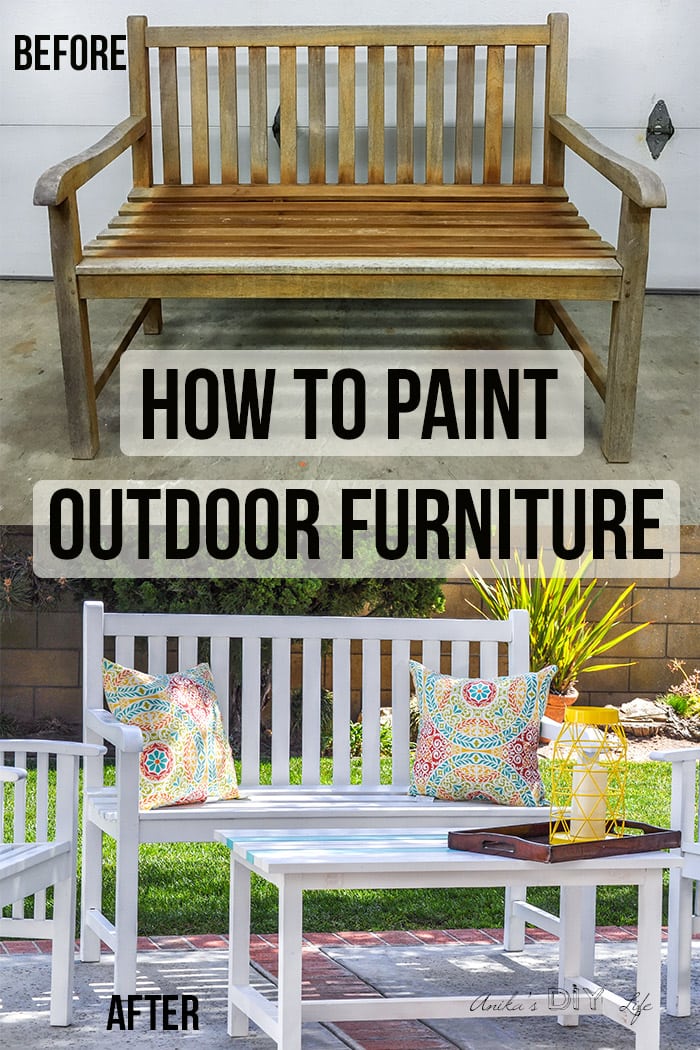
Credit: www.anikasdiylife.com
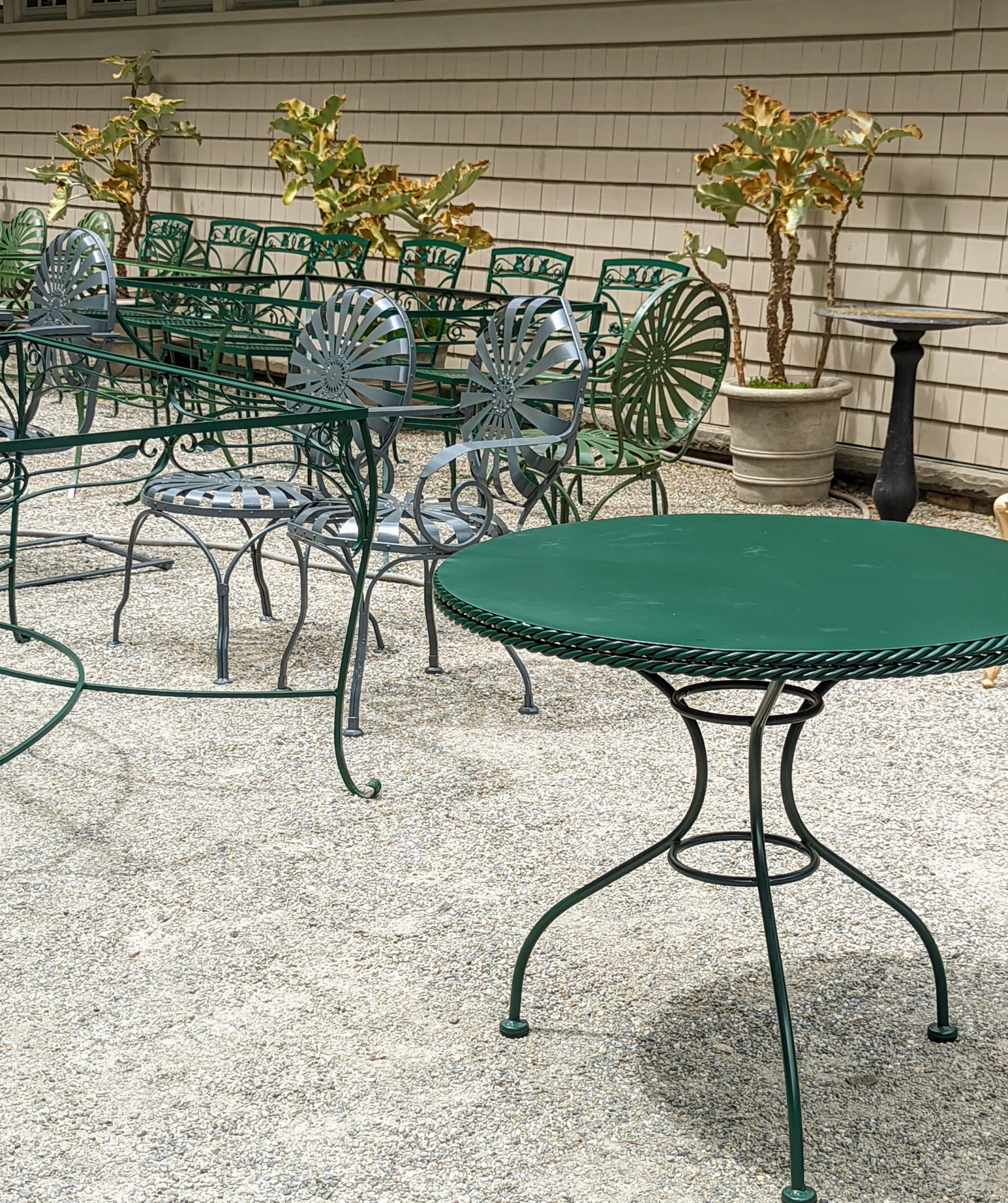
Credit: www.themarthablog.com
Frequently Asked Questions
What Type Of Paint Is Best For Outdoor Furniture?
Acrylic latex paint is best for outdoor furniture. It resists weather, UV rays, and moisture. It also adheres well to wood and metal surfaces.
Can I Use Spray Paint On Outdoor Furniture?
Yes, spray paint works well on outdoor furniture. Use outdoor-specific spray paint for durability and weather resistance. It provides an even, smooth finish.
How Do I Prepare Outdoor Furniture Before Painting?
Clean furniture thoroughly and remove old paint or rust. Sand the surface lightly for better paint adhesion. Apply a primer designed for outdoor use before painting.
Is Enamel Paint Suitable For Outdoor Furniture?
Yes, enamel paint is durable and weather-resistant. It creates a hard, glossy finish that protects outdoor furniture from moisture and wear.
Conclusion
Choosing the right paint protects your outdoor furniture well. Acrylic latex paints resist weather and last long. Oil-based paints offer a strong, smooth finish. Always prepare the surface before painting for best results. Regular maintenance keeps furniture looking fresh and new.
A good paint job extends furniture life and beauty. Simple steps make your outdoor space inviting and durable. Select paint carefully, and enjoy your outdoor furniture for years.