Are you thinking about creating your own outdoor furniture but not sure where to start? Choosing the right materials can make all the difference in how your furniture looks, feels, and lasts.
Whether you want something sturdy, stylish, or easy to maintain, knowing what you can use to make outdoor furniture is key. You’ll discover the best options that fit your needs and budget. Keep reading to find out how you can transform your outdoor space with furniture you’ll love for years to come.
Popular Wood Choices
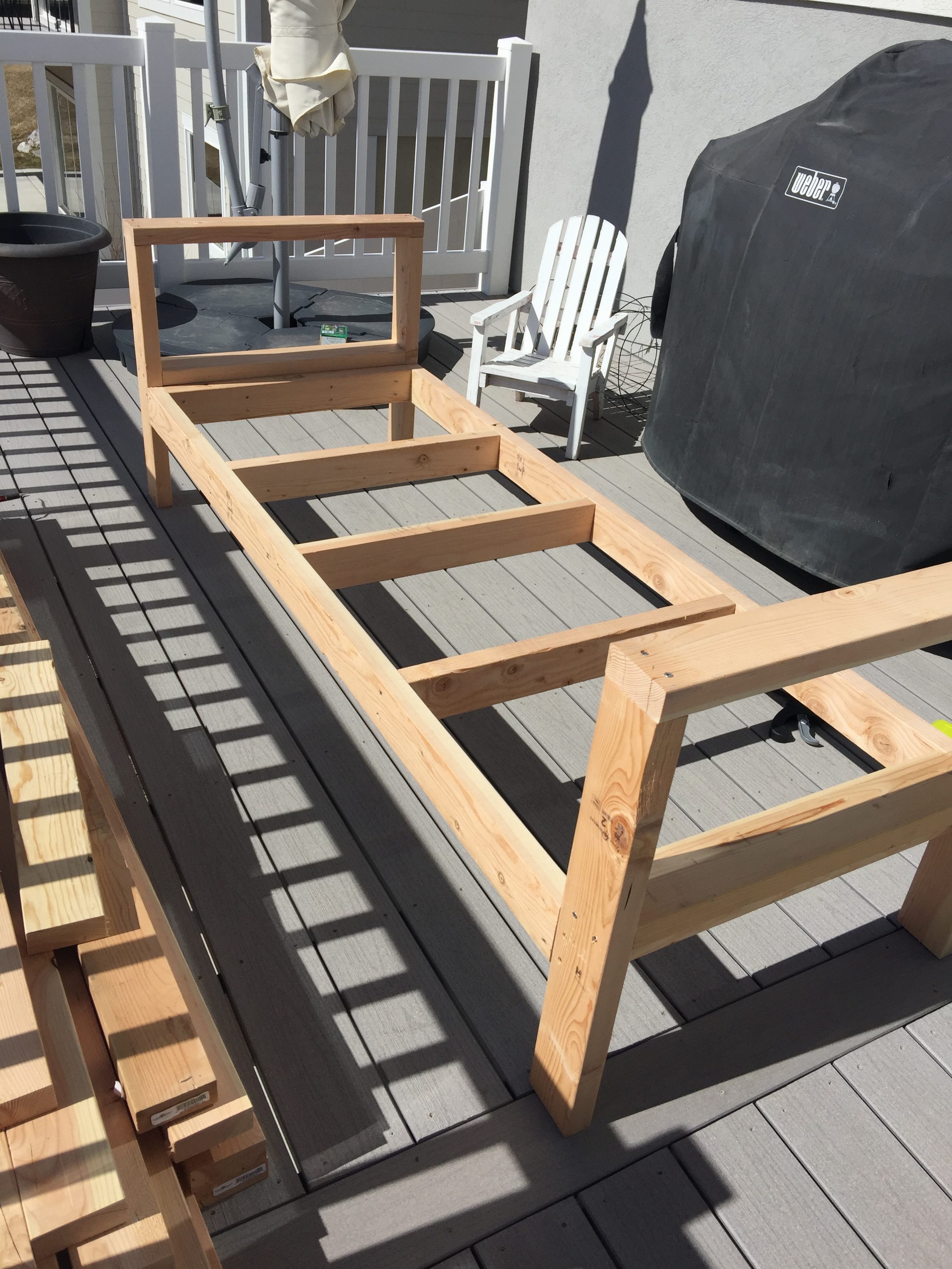
Choosing the right wood is key for making outdoor furniture. Wood needs to handle weather and time well. Some woods are better for outdoor use because they resist water and insects. Here are some popular wood choices that work great for outdoor furniture.
Teak And Its Durability
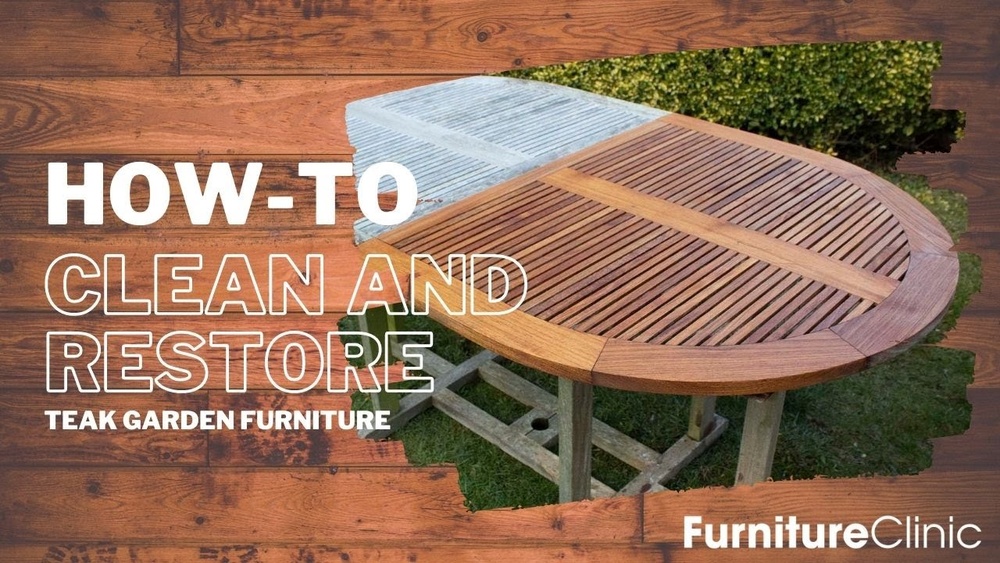
Teak is famous for its strength and long life. It has natural oils that protect it from water and bugs. This wood stays strong even in rain and sun. Teak furniture looks good for many years with little care. It is often used in high-end outdoor pieces.
Cedar For Natural Resistance
Cedar has a pleasant smell and natural oils that repel insects. It resists rot and decay well. Cedar is lighter than many other woods, making furniture easy to move. Its reddish color and grain add beauty to any garden or patio.
Eucalyptus As An Affordable Option
Eucalyptus is a budget-friendly wood that works well outside. It is dense and resists moisture and insects. This wood can last a long time if sealed properly. Eucalyptus has a warm tone and smooth finish, making it a popular choice for outdoor furniture.
Credit: www.honeybearlane.com
Metal Materials
Metal materials offer excellent options for outdoor furniture. They provide strength and durability that last through all weather. Metals resist damage from rain, sun, and wind better than many other materials. This makes them a popular choice for patios, gardens, and balconies. Each metal type brings unique benefits and styles to outdoor spaces.
Aluminum For Lightweight Strength
Aluminum is light but very strong. It does not rust, making it ideal for wet climates. This metal is easy to move and rearrange. Aluminum furniture often has a modern, sleek look. It requires little upkeep and can last for years outdoors.
Wrought Iron’s Classic Appeal
Wrought iron offers a timeless, elegant style. It is heavier than aluminum and very sturdy. This metal can be shaped into beautiful, intricate designs. It can withstand harsh weather with proper care. A coat of paint helps prevent rust and keeps it looking fresh.
Steel And Its Robustness
Steel is known for its toughness and durability. It is heavier than aluminum but stronger. Outdoor steel furniture often has a bold, industrial look. It can resist dents and scratches well. A protective finish helps steel last longer outside without rusting.
Synthetic Options
Synthetic materials have become popular for outdoor furniture. They handle rain, sun, and wind well. These options last long and need little care. Many types fit different styles and budgets. Synthetic furniture offers a fresh look without the usual problems of wood or metal.
Resin Wicker For Weather Resistance
Resin wicker is a top choice for outdoor use. It looks like natural wicker but stands up to rain and sun. The material does not fade or crack easily. It also dries quickly after rain. Resin wicker furniture feels light and comfortable. It suits patios, decks, and gardens.
Plastic Furniture Varieties
Plastic outdoor furniture comes in many shapes and colors. It is very easy to clean and move. This furniture does not rust or rot. Some plastic types resist UV rays well. Plastic pieces often cost less than other materials. They fit casual and small spaces perfectly.
Composite Materials Benefits
Composite materials combine plastic with wood fibers. They look like wood but need less upkeep. Composites do not splinter or warp. They resist mold, insects, and water damage. This makes them good for all weather. Composite furniture keeps its shape over time.
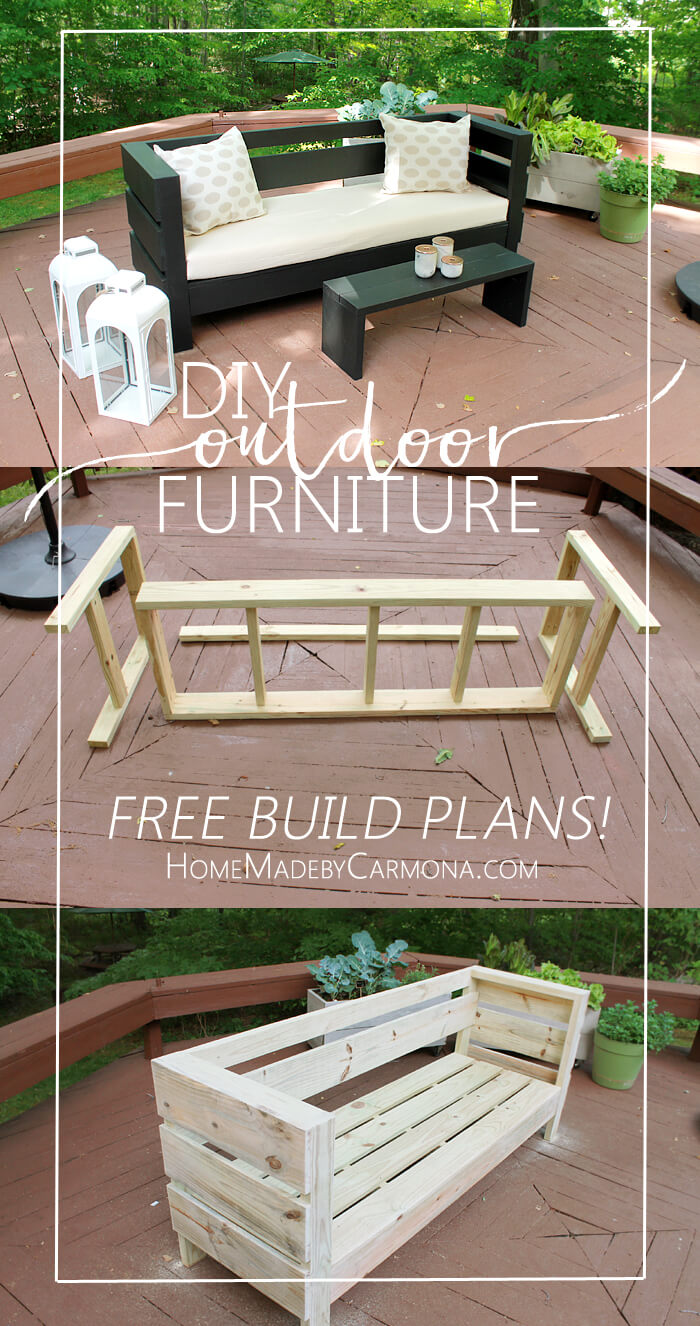
Credit: homemadebycarmona.com
Stone And Concrete
Stone and concrete are strong materials for outdoor furniture. They last long and handle weather well. These materials bring a natural or modern look to gardens and patios. They require little care and stay sturdy through seasons. Both stone and concrete offer many design options for outdoor spaces.
Marble And Granite Uses
Marble and granite are popular stones in outdoor furniture. They add elegance and style to tables and benches. Granite resists scratches and heat, perfect for dining areas. Marble has a smooth surface that feels cool in summer. Both stones work well for garden seats and decorative pieces. Their natural patterns make each item unique.
Concrete For Modern Designs
Concrete fits well with modern outdoor styles. It can be shaped into clean, simple lines or bold forms. Concrete furniture looks sleek and blends with metal or wood. It can be colored or left natural for different effects. Concrete is heavy, so furniture stays in place during wind. It also withstands rain and sun without fading.
Fabric And Cushion Materials
Choosing the right fabric and cushion materials is key for outdoor furniture. These materials must resist sun, rain, and dirt. Comfort matters too, as cushions make seating inviting. Durable fabrics and fillings keep furniture looking fresh longer.
Outdoor-grade Fabrics
Outdoor-grade fabrics are made to handle weather changes. They resist fading from the sun’s UV rays. These fabrics dry quickly to avoid mold and mildew. Common types include solution-dyed acrylic and polyester. Both feel soft but stay strong over time. Colors stay bright, even after long exposure to sunlight. These fabrics also clean easily, keeping furniture fresh.
Weatherproof Cushion Fillings
Weatherproof cushion fillings dry fast and resist mold. Foam with quick-drain holes is popular. It lets water pass through instead of soaking in. Polyester fiberfill offers softness while drying quickly. Some cushions use a mix of foam and fiberfill for comfort and support. Covers usually have zippers for easy washing. Proper filling and fabric protect cushions in any weather.
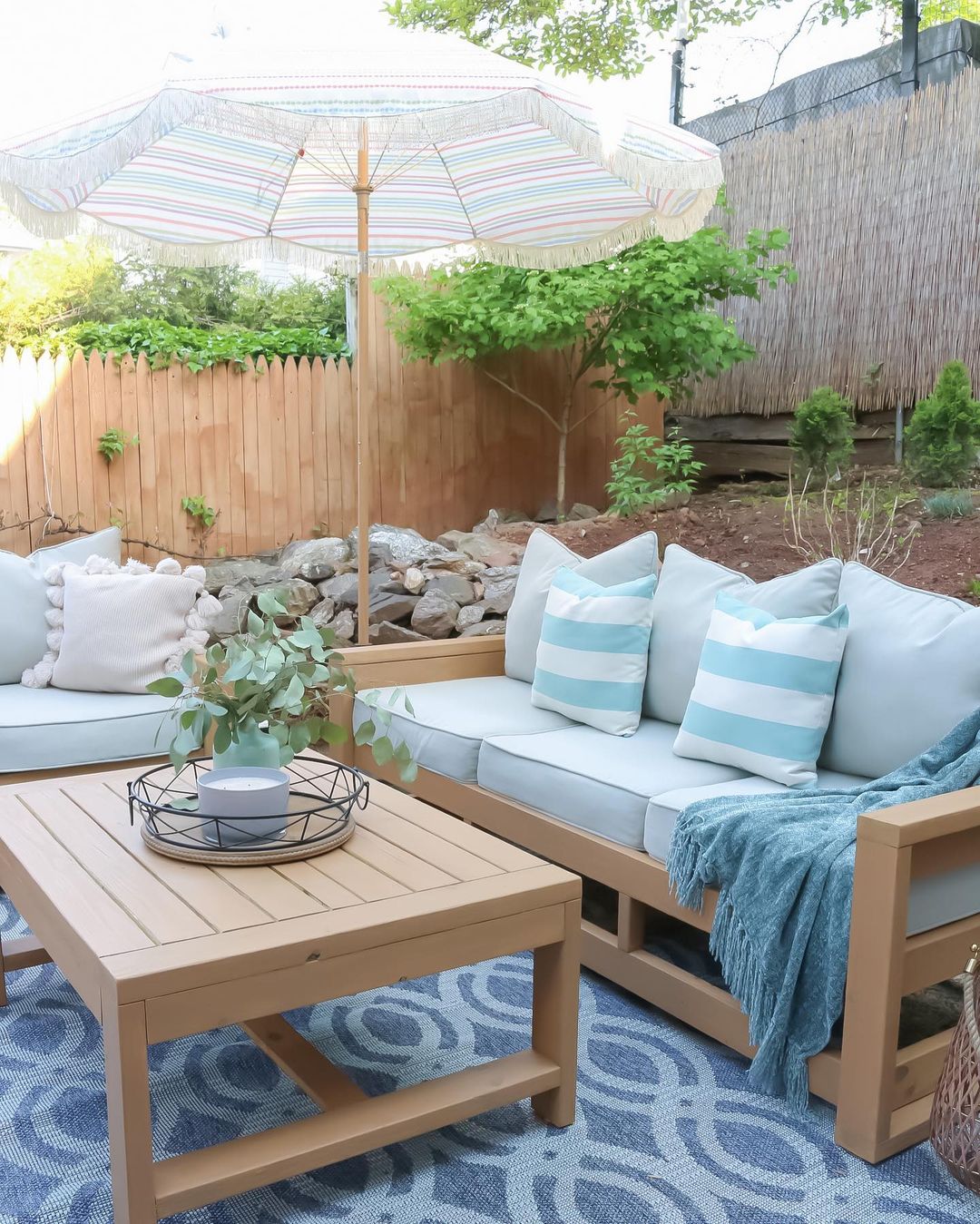
Credit: www.extraspace.com
Maintenance Tips By Material
Outdoor furniture needs care to last long and stay nice. Different materials require different maintenance steps. Knowing how to care for each type keeps your furniture strong and beautiful. This guide covers essential tips for wood, metal, and synthetic furniture.
Wood Care Essentials
Wood furniture needs regular cleaning to remove dirt and dust. Use a soft cloth and mild soap with water. Avoid harsh chemicals that can damage the wood.
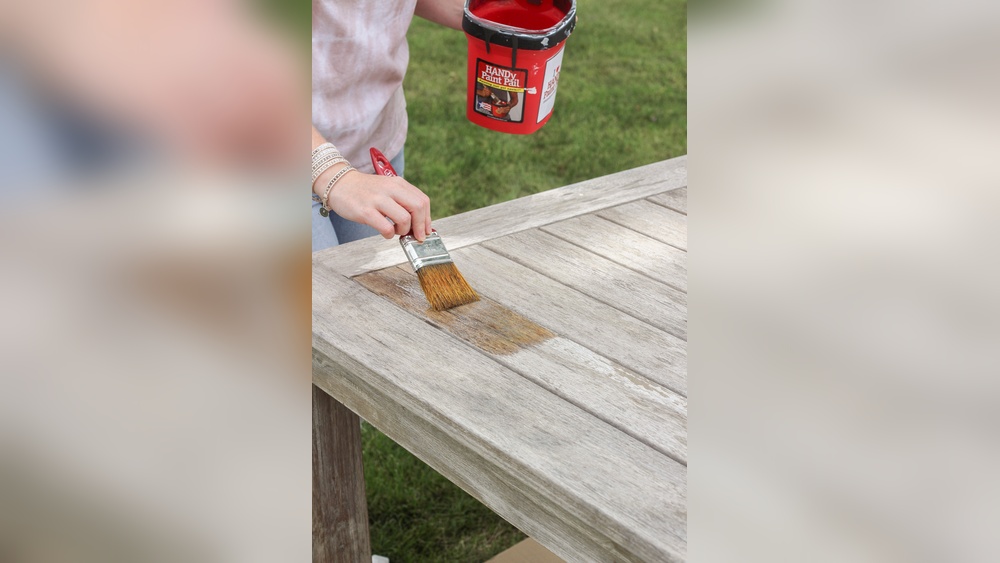
Apply wood oil or sealant once or twice a year. This protects wood from moisture and sun damage. Cover furniture or store it indoors during heavy rain or winter.
Check for cracks or splinters often. Sand rough spots gently and reapply sealant to keep the surface smooth.
Metal Protection Methods
Metal furniture can rust if not cared for properly. Clean metal surfaces with warm water and mild soap regularly. Dry completely to prevent water spots and rust.
Apply a protective coat of paint or rust-resistant spray once a year. For iron furniture, use rust remover if rust appears. Use covers to protect metal furniture from rain and snow.
Check screws and joints often and tighten if needed. This keeps metal furniture sturdy and safe.
Cleaning Synthetic Furniture
Synthetic furniture is low maintenance but still needs cleaning. Use a soft brush or cloth to remove dirt and dust. Mild soap and water work well for most synthetic materials.
Rinse with clean water and dry with a towel to avoid water spots. Avoid abrasive cleaners that can scratch or damage the surface.
Store cushions separately in dry places to prevent mold. Cover furniture during long periods of bad weather to keep it fresh.
Frequently Asked Questions
What Materials Are Best For Outdoor Furniture?
Wood, metal, plastic, and wicker are popular outdoor furniture materials. Wood offers natural beauty, while metal is durable. Plastic is lightweight and weather-resistant. Wicker provides a classic, cozy look but requires maintenance.
How Durable Is Teak For Outdoor Furniture?
Teak is highly durable and weather-resistant. It naturally contains oils that protect against moisture and insects. This makes teak ideal for outdoor furniture, lasting many years with minimal upkeep.
Can Recycled Materials Be Used For Outdoor Furniture?
Yes, recycled materials like plastic and metal are eco-friendly options. They reduce waste and often resist weather well. Many manufacturers create stylish, durable outdoor furniture from recycled content.
Is Metal Good For Outdoor Furniture In Rainy Climates?
Metal, especially aluminum and stainless steel, is excellent for rainy areas. These metals resist rust and corrosion. Regular maintenance can extend their lifespan significantly.
Conclusion
Outdoor furniture can be made from many materials. Wood offers a classic, warm look. Metal gives strength and lasts long. Plastic is light and easy to clean. Each material suits different needs and styles. Choose what fits your space and weather.
Good furniture makes outdoor time more fun. Enjoy your outdoor area with the right choice. Simple materials can create great comfort and style. Your perfect outdoor setup is possible with these ideas.